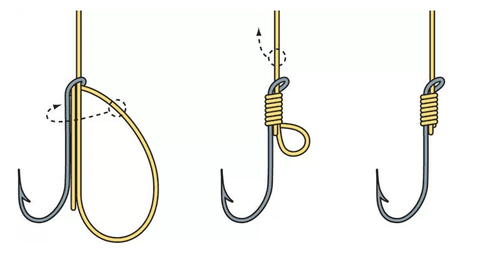
Tying a fish hook to your line might seem simple, but doing it the right way can make all the difference between a great catch and a lost fish. If you want your fishing experience to be smooth and successful, learning the proper knot is a must.
You’ll discover step-by-step instructions that are easy to follow, even if you’re new to fishing. By the end, you’ll have the confidence to tie your hook quickly and securely every time. Ready to improve your skills and catch more fish?
Let’s dive in!
Choosing The Right Hook And Line
Fishing starts with picking the right hook and line. This choice helps catch fish easily.
You need to match the hook and line to the fish and water type. This guide shows how to pick them.
Types Of Fishing Hooks
Fishing hooks come in many shapes and sizes. Each type works best for certain fish and fishing styles.
- J-Hooks: Classic shape, good for most fish
- Circle Hooks: Hook fish in the corner of the mouth
- Treble Hooks: Three points, used for lures
- Siwash Hooks: Long shank, used with spinners
- Bait Holder Hooks: Barbs keep bait in place
Selecting The Best Fishing Line
Fishing lines vary by material and strength. Choose one that suits your fishing needs.
- Monofilament: Stretchy and easy to handle
- Fluorocarbon: Hard to see underwater
- Braid: Very strong, thin, and sensitive
Consider water type and fish size. Clear water needs less visible lines.
Matching Hook And Line Strength
The hook and line must hold the fish’s weight. Pick strengths that balance well.
| Fish Size | Hook Size | Line Strength (lbs) |
|---|---|---|
| Small Fish | 10-14 | 2-6 |
| Medium Fish | 6-10 | 8-15 |
| Large Fish | 1-5 | 20-50 |
Using a weak line with a big hook can break your gear. Strong lines with small hooks can scare fish.
Essential Knot Types For Hook Tying
Tying a fish hook to a line is important for fishing success. A strong knot keeps the hook secure and prevents losing fish.
Some knots are easier to tie, and others hold better under pressure. Here are three key knots used by anglers.
Improved Clinch Knot
The Improved Clinch Knot is popular for its strength and simplicity. It works well with most fishing lines and hooks.
To tie this knot, thread the line through the hook eye. Wrap the tag end around the standing line five to seven times. Pass the tag end through the loop near the eye, then back through the big loop. Pull tight and trim the extra line.
- Strong and reliable for light to medium lines
- Easy to tie even in low light
- Common choice for many anglers
Palomar Knot
The Palomar Knot is very strong and holds well with braided lines. It keeps the line’s full strength.
Double about six inches of line and pass it through the hook eye. Tie a loose overhand knot. Pass the hook through the loop. Pull both ends to tighten the knot. Trim the tag end close.
- Works great for braided and fluorocarbon lines
- Keeps high knot strength
- Simple and quick to tie
Uni Knot
The Uni Knot is versatile and easy to adjust. It works well for tying hooks and connecting lines.
Pass the line through the hook eye and double back. Make a loop. Wrap the tag end around both lines five to six times. Pull the tag end to tighten the coils. Slide the knot down to the eye and pull tight. Cut the tag end.
- Good for all types of fishing lines
- Strong and reliable hold
- Easy to retie if needed
Step-by-step Knot Tying Techniques
Tying a fish hook to your line is an important skill for fishing. A strong knot keeps your catch secure and prevents losing fish. This guide will help you tie a reliable knot with clear steps.
Follow these simple instructions to prepare your line and hook, tie the knot securely, and test its strength before fishing.
Preparing The Line And Hook
Start by choosing the right hook size for your fishing needs. Cut a clean piece of line, removing any frayed ends. Wet the line slightly to make it easier to work with.
- Check the hook for rust or damage
- Trim the line end neatly
- Moisten the line before tying
- Hold the hook and line steady
Tying The Knot Securely
Use a simple knot such as the Improved Clinch Knot. Thread the line through the hook eye, then wrap it around the line several times. Pass the tag end through the loop near the eye and pull tight.
- Thread the line through the hook eye
- Wrap the tag end around the main line 5 times
- Insert the tag end through the small loop near the eye
- Pull the tag end and main line to tighten the knot
- Trim the extra tag end close to the knot
Testing The Knot Strength
| Test Method | Purpose |
| Pull the line firmly | Check if knot holds tight without slipping |
| Inspect knot for tight coils | Ensure no gaps or loose turns |
| Wet knot and pull again | Simulate real fishing tension |
| Re-tie if knot slips or loosens | Guarantee safety during fishing |
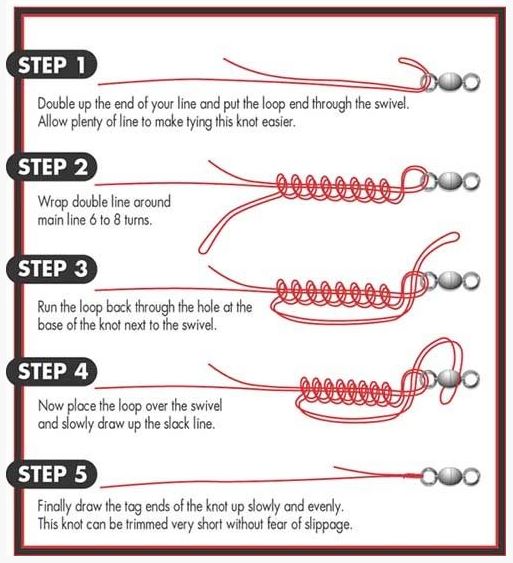
Credit: www.beadinggem.com
Common Mistakes To Avoid
Tying a fish hook to the line seems simple. Still, many anglers make mistakes that weaken the knot.
These errors can cause lost fish and wasted time. Learn what to avoid for a stronger tie.
Overtightening The Knot
Pulling the knot too tight can damage the line. This makes the line weak and easy to break.
Use steady pressure to tighten the knot. Stop when the knot is snug, not strained.
- Overtightening cuts fibers inside the line
- Weakened line breaks under fish weight
- Use fingers to feel tightness, not just force
Using Damaged Line
Always check your line before tying a hook. Damaged or frayed line can break easily.
Replace any weak sections to keep your knot strong. A fresh line holds knots better.
- Look for cuts or abrasions on the line
- Do not tie knots on old or brittle line
- Use line conditioner to keep it flexible
Improper Hook Placement
Placing the hook incorrectly on the line weakens the knot. The hook eye should be centered.
Make sure the line passes through the hook eye cleanly. Twisted or loose placement causes slipping.
- Thread line through the hook eye fully
- Keep the hook eye and line aligned
- Check the knot for tightness and neat wraps
Tips For Different Fishing Conditions
Tying a fish hook to your line is an important skill. Different fishing conditions need different knots. Use the right knot for your fishing spot and gear.
This guide helps you choose knots for freshwater, saltwater, thick lines, and heavy cover fishing.
Freshwater Vs Saltwater Knots
Freshwater and saltwater fishing need different knots. Saltwater fish are often bigger and fight harder. Use stronger knots for saltwater.
Freshwater knots focus on ease and speed. Saltwater knots must resist salt and stay tight under pressure.
- Freshwater: Improved Clinch Knot, Palomar Knot
- Saltwater: Palomar Knot, Snell Knot, Uni Knot
- Saltwater knots need extra wraps for strength
- Always wet the line before tightening the knot
Adjusting For Line Thickness
Thicker fishing lines need different knot techniques than thin lines. Thick lines can be stiff and harder to tie.
Use knots that hold well with thick lines. Make more wraps to keep knots strong and secure.
- Thin lines: Palomar Knot, Improved Clinch Knot
- Thick lines: Snell Knot, Uni Knot with extra wraps
- Make sure knots slide smoothly when tightening
- Wet the line to reduce friction and damage
Knots For Heavy Cover Fishing
Heavy cover fishing means fishing near weeds, logs, or rocks. Use strong knots that will not slip or break.
Choose knots that keep the hook tight and let you pull fish out of thick cover safely.
- Use Snell Knot for strong hook connection
- Try Palomar Knot for high strength and simplicity
- Use double or triple wraps for extra security
- Check knots often for wear and retie if needed

Credit: www.wikihow.com
Maintaining And Inspecting Your Tied Hooks
Keeping your tied fish hooks in good shape is important for fishing success. Regular care and checks help avoid losing fish and gear.
Inspecting knots and hooks before and after each trip ensures they hold strong and last longer. Learn simple tips to maintain your fishing setup.
Regular Knot Checks
Check your knots often to make sure they are tight and not slipping. Wet knots can loosen, so pull gently to test strength.
- Look for frayed or worn lines near the knot.
- Retie knots that feel weak or loose.
- Use the right knot for your fishing line and hook type.
- Practice tying knots to keep skills sharp.
Replacing Worn Hooks And Lines
Old hooks and lines can break easily. Replace them if you see rust, bends, or damaged line sections.
| Problem | Sign to Replace | Reason |
| Hook | Rust or bent tip | Weakens hook strength |
| Line | Frayed or thin spots | May break under tension |
| Knot | Slipping or loosening | Can cause lost fish |
Storage Tips For Longevity
Store your tied hooks and lines properly to keep them in good condition. Dry gear prevents rust and damage.
- Keep hooks in a dry tackle box with compartments.
- Hang lines loosely to avoid kinks.
- Store in a cool place away from sunlight.
- Use rust inhibitors or silica gel packs if possible.

Credit: n1outdoors.com
Frequently Asked Questions
How Do I Tie A Fish Hook To The Fishing Line?
To tie a fish hook, thread the line through the eye of the hook. Use a knot like the improved clinch knot. Tighten firmly and trim excess line. This ensures a secure connection and prevents the hook from slipping during fishing.
What Is The Strongest Knot For Tying A Fish Hook?
The Palomar knot is considered the strongest for tying fish hooks. It maintains high line strength and is easy to tie. This knot reduces the risk of line breakage and improves your chances of landing a catch.
Can I Use Any Fishing Line For Tying Hooks?
Yes, you can use monofilament, fluorocarbon, or braided lines for tying hooks. Each line type has specific knots that work best. Choose the line based on your fishing needs and the knot’s compatibility for best results.
How Do I Prevent My Knot From Slipping Off The Hook?
To prevent slipping, wet the line before tightening the knot. Pull the knot tight against the hook eye securely. Properly trimmed tag ends also help maintain knot strength and prevent unraveling during fishing.
Conclusion
Tying a fish hook to the line is simple with practice. Use clear steps and check your knot tightness. A strong knot keeps your catch secure and fishing fun. Try different knots to find what works best for you. Keep your line neat and avoid tangles for better results.
With patience, tying hooks becomes quick and easy. Enjoy fishing with confidence and good skills.