
Have you ever wondered if turning on your car’s air conditioner actually uses gas? It’s a question many drivers ask, especially when trying to save fuel or reduce costs.
Understanding how your car’s AC affects gas consumption can help you make smarter choices every time you hit the road. Keep reading, and you’ll discover simple facts that could change the way you use your AC—and even help you save money at the pump.

Credit: en.thanhphongauto.com
How Car Air Conditioners Work
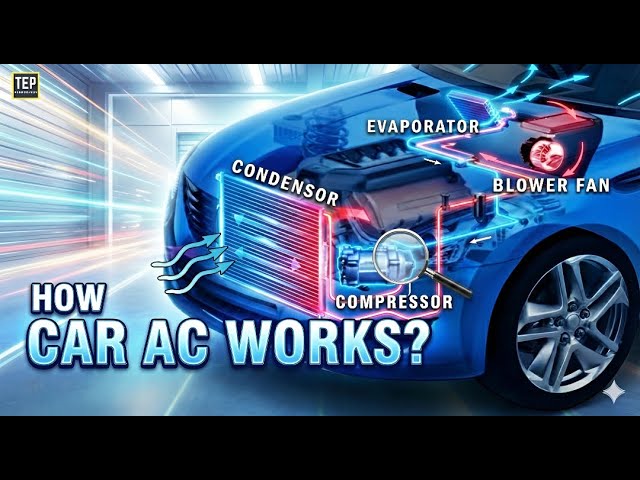
A car air conditioner cools the inside of your vehicle using a special gas called refrigerant. This gas moves through pipes and changes from liquid to gas and back again. This change helps absorb heat from the car’s air.
The cooling cyclestarts when the refrigerant gas is compressed. This makes it hot and high-pressure. Then, it moves through a part called the condenser, where it cools down and turns into a liquid.
The liquid refrigerant flows to the evaporator inside the car. Here, it turns back into gas, pulling heat from the air inside the car. This cools the air before it is blown into the cabin.
| Step | What Happens |
|---|---|
| Compression | Refrigerant gas is compressed and heated |
| Condensation | Gas cools and changes to liquid in condenser |
| Evaporation | Liquid turns to gas in evaporator, cooling air |
| Blowing Cool Air | Cooled air is sent into the car cabin |
Types Of Gases Used In Car Ac
Car air conditioners use special gases called refrigerants to cool the air. Common types include R134a and R1234yf, which help absorb and release heat efficiently. These gases are essential for the AC system to work properly.
Common Refrigerants Today
Car air conditioners use special gases called refrigerants. The most common one now is R-134a. It replaced older gases because it is safer for cars and people. Newer cars use R-1234yf, which is better for the environment. These gases help cool the air inside your car by moving heat outside.
Environmental Impact Of Gases
Some refrigerants can harm the environment. Older gases like R-12damaged the ozone layer and increased global warming. R-134a has less impact but still affects the climate. R-1234yf is better because it breaks down quickly and has less global warming potential. Proper use and recycling of these gases help protect the planet.
Gas Consumption Myths
Using the car air conditioner does make the engine work harder. This means it uses more fuelthan driving without AC. The AC compressor runs with the engine, so it needs energy from the fuel. The increase in fuel use is usually small but can add up over time.
Fuel efficiency drops more when driving in stop-and-go trafficor at low speeds with the AC on. At higher speeds, the extra fuel used by the AC is less noticeable because the engine is already working hard.
| Driving Condition | AC Impact on Fuel |
|---|---|
| City driving (slow/stop-and-go) | Fuel consumption increases more |
| Highway driving (steady speed) | Fuel consumption increases less |
| Idle or low speed | AC uses more fuel relative to engine load |
Credit: www.youtube.com
Impact Of Ac On Fuel Economy
Using a car air conditioner does use fuel, but not gas directly. The AC system runs on the engine’s power, which can make the engine work harder. This extra work can lead to a small increase in fuel consumption.
Many people think the AC wastes a lot of fuel, but the increase is often less than 10%. Driving with windows down at high speeds can cause more drag, which also uses more fuel. So, using AC might sometimes save fuel compared to open windows.
| Factors Affecting Fuel Consumption | Impact |
|---|---|
| Outside Temperature | Hotter weather means AC works harder |
| Driving Speed | Higher speeds increase fuel use with windows down |
| Car Engine Size | Bigger engines may handle AC use more efficiently |
| AC System Condition | Well-maintained AC uses less power |
Maintaining Your Car Ac System
Using a car air conditioner does not use fuel gas directly but relies on the engine’s power, which uses fuel. Keeping the AC system clean and topped with refrigerant helps it work efficiently without extra fuel consumption. Regular checks prevent leaks and maintain cooling performance.
Checking Refrigerant Levels
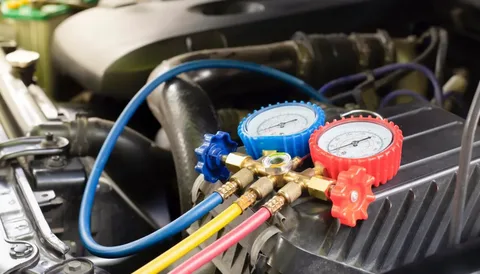
The car air conditioner uses a special gas called refrigerant. This gas helps cool the air inside the car. It is important to check the refrigerant levels regularly. Low refrigerant can make the AC less cool or stop it from working. A mechanic can measure the refrigerant and add more if needed. Keeping the right amount of refrigerant helps the AC work well and saves energy.
Signs Of Gas Leakage
- The AC cools less than before.
- There is a strange smell near the AC vents.
- The compressor makes unusual noises.
- Oily spots or stains near AC parts.
These signs may show a gas leak. Leaks reduce cooling power and harm the environment. Fixing leaks quickly keeps the AC safe and efficient.
Credit: wefixautoservices.com
Energy Alternatives For Cooling
Electric and hybrid vehiclesuse batteries instead of gas engines. Their air conditioners run on electric power, not gasoline. This means no gas is burnedto cool the car. These vehicles are better for the environment and save fuel. Cooling in electric cars may use less energy overall.
Solar-powered cooling optionsuse sunlight to power air conditioners. Solar panels on the car or nearby can charge batteries. These batteries then run the cooling system. This method reduces reliance on gasand lowers emissions. Solar cooling is quiet and eco-friendly, but depends on sunlight availability.
Frequently Asked Questions
Does Car Ac Use More Gas?
Yes, using your car’s air conditioner can increase fuel consumption. The AC system requires energy, which comes from the engine. This can lead to increased fuel usage, especially in older vehicles. However, the impact is generally minimal and varies depending on driving conditions and vehicle efficiency.
How Does Ac Affect Fuel Efficiency?
Running the AC affects fuel efficiency by adding extra load on the engine. This additional load makes the engine work harder, resulting in higher fuel consumption. The effect is more noticeable during city driving. On highways, the difference is often less significant due to constant speed.
Is It Better To Use Ac Or Open Windows?
Using AC or opening windows both impact fuel efficiency. At high speeds, open windows create drag, reducing efficiency. Therefore, using AC is often better on highways. In contrast, at lower speeds, open windows may be more fuel-efficient as drag is less significant.
Does Car Ac Use Gas When Parked?
Yes, car AC uses gas even when the vehicle is parked. The air conditioner draws power from the engine, which consumes fuel. When idling, the engine runs to power the AC, using gas. This can lead to increased fuel consumption over time.
Conclusion
Using a car air conditioner does not use gasoline directly. It relies on the car’s engine to power the compressor. This causes a small increase in fuel consumption. The effect is usually minor but noticeable on longer drives. Turning off the AC can save some gas.
Still, comfort and safety matter while driving. Keeping your AC in good shape helps it work better. Regular maintenance reduces extra fuel use. So, using your car’s air conditioner wisely saves gas and keeps you cool.