Are you tired of losing fish because your fishing line slips off the hook? Knowing how to tie your fishing line to a hook the right way can make all the difference between a successful catch and an empty day on the water.
In this guide, you’ll learn simple, foolproof techniques that even beginners can master quickly. Imagine feeling confident every time you cast your line, knowing it’s secure and ready for action. Keep reading, and you’ll discover easy steps that will instantly improve your fishing game.

Credit: www.ohero.com
Choosing The Right Hook And Line
Tying a fishing line to a hook starts with picking the right hook and line. The right choice helps catch fish and keeps your tackle strong.
This guide covers selecting hook types and matching line strength for better fishing results.
Selecting Hook Types
Hooks come in many shapes and sizes. Each type suits different fish and fishing styles. Choose a hook that fits the bait and target fish well.
- Circle hooks reduce fish injury and hold better.
- J-hooks are versatile and good for many fishing methods.
- Treble hooks have three points, ideal for lures.
- Aberdeen hooks are thin and work well with live bait.
Matching Line Strength
Line strength must match the hook and the fish you want to catch. A strong line holds big fish but may be visible. A light line is less seen but breaks easily.
| Fish Type | Recommended Hook Size | Line Strength (lbs) |
| Small Panfish | 8-12 | 2-6 |
| Trout | 10-14 | 4-8 |
| Bass | 2-6 | 8-15 |
| Catfish | 4-8 | 15-30 |
| Saltwater Species | 1-4 | 20-50 |
Essential Knots For Fishing
Tying a fishing line to a hook securely is important for a good catch. Using the right knot keeps your line strong and prevents it from slipping.
Here are three simple knots every angler should know. Each knot has its own strength and ease of use.
Improved Clinch Knot
The Improved Clinch Knot is popular for its reliability and ease. It works well with most fishing lines and hooks.
- Thread the line through the hook eye.
- Wrap the tag end around the standing line five times.
- Pass the tag end through the small loop near the hook eye.
- Then pass the tag end through the big loop you just made.
- Moisten the knot and pull tight.
Palomar Knot
The Palomar Knot is strong and easy to tie. It works best with braided lines and is great for securing hooks or lures.
| Action | Description |
|---|---|
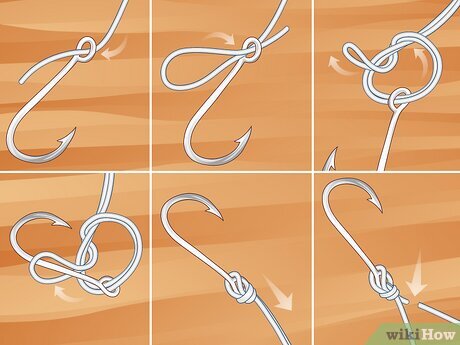
| Step 1 | Double about 6 inches of line and pass it through the hook eye. |
| Step 2 | Tie a loose overhand knot with the doubled line. |
| Step 3 | Pass the hook through the loop of the overhand knot. |
| Step 4 | Pull on both the standing line and tag end to tighten the knot. |
Uni Knot
The Uni Knot is versatile and strong. It works well for tying hooks and joining lines of different types.
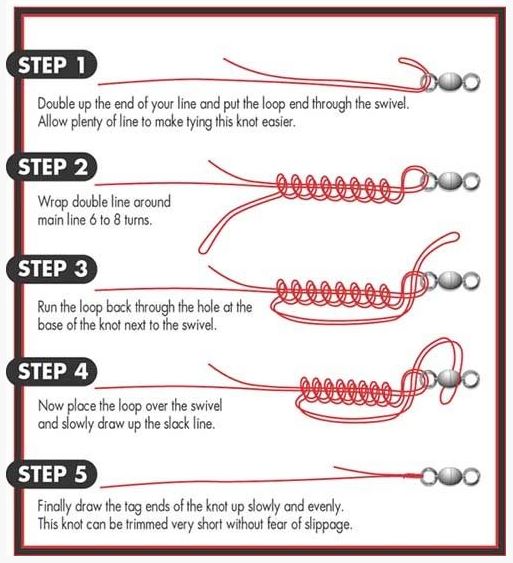
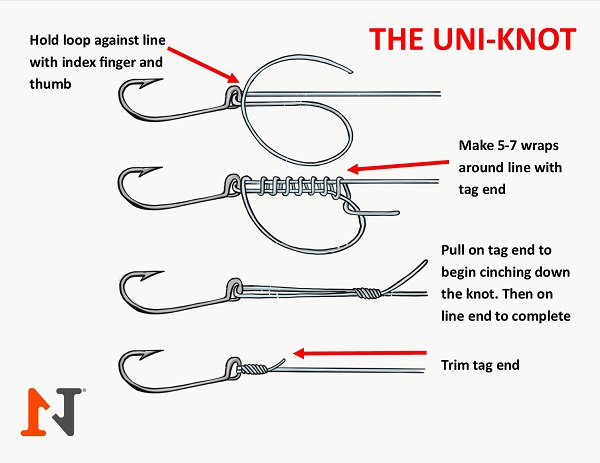
- Pass the line through the hook eye and double back parallel to the standing line.
- Make a loop by laying the tag end over the doubled line.
- Wrap the tag end around the doubled line and through the loop five times.
- Moisten the knot and pull the tag end to tighten coils.
- Slide the knot to the hook eye and pull the standing line to secure.
Step-by-step Knot Tying
Tying a fishing line to a hook is an important skill for fishing. A strong knot keeps the hook secure and helps catch fish.
This guide shows you how to tie a simple and reliable knot with easy steps. Follow along to prepare your line and make a strong connection.
Preparing The Line
Start by cutting a piece of fishing line about 12 inches long. This length gives you enough line to work with when tying.
Next, moisten the end of the line. This helps the knot slide tight without damaging the line.
- Cut 12 inches of fishing line
- Moisten the line end with water or saliva
- Hold the hook steady in your hand
Making The Loop
Pass the end of the line through the eye of the hook. Pull enough line through to make a small loop.
Wrap the loose end of the line around the standing part of the line. Do this 4 to 6 times to create coils.
- Pass line through hook eye
- Make a small loop near the eye
- Wrap loose end around main line 4-6 times
Securing The Knot
After wrapping, pass the loose end back through the small loop you first made near the hook eye. Pull slowly to tighten.
Hold the hook and pull the standing line firmly. The coils will tighten and secure the hook in place. Trim any extra line close to the knot.
- Pass loose end through first loop
- Pull loose end and standing line to tighten
- Trim extra line close to the knot
Credit: www.beadinggem.com
Tips For Stronger Knots
Tying a fishing line to a hook is simple but needs care. Strong knots stop the line from breaking.
Using the right methods helps your knot hold better. It also makes fishing more fun and less frustrating.
Moistening The Line
Before tightening your knot, wet the fishing line with water or saliva. This reduces friction.
Moistening helps the line slide smoothly when you pull the knot tight. It stops the line from weakening or breaking.
Tightening Techniques
Pull the knot slowly and evenly. Use your fingers to hold the knot while pulling.
- Hold the hook firmly in one hand.
- Pull the tag end of the line gently with the other hand.
- Keep the knot steady as it tightens.
- Make sure the coils stay neat and do not overlap.
- Pull until the knot feels snug but not too tight.
Trimming Excess Line
After tightening, cut off the extra line near the knot. Leave a small tag to avoid slipping.
| Trim Length | Reason |
|---|---|
| 3-5 mm | Keeps knot secure and neat |
| Too short | Risk of knot slipping |
| Too long | Can tangle or catch debris |
Common Mistakes To Avoid
Tying a fishing line to a hook seems easy but can be tricky. Small errors weaken the knot and cause lost fish.
Knowing the common mistakes helps you tie a strong knot every time. Avoid these errors for better fishing success.
Overlapping Knots
Overlapping knots happen when the line crosses over itself too much. This creates weak points that can break easily.
Avoid overlapping by keeping the line straight and neat while tying. Make each wrap smooth and close to the hook eye.
- Do not wrap the line too many times
- Keep wraps tight but not crowded
- Pull the knot slowly to set it properly
Using Damaged Line
Damaged line weakens the knot and can snap under pressure. Check your line before tying.
| Damage Type | Effect on Knot |
| Frays | Reduces strength sharply |
| Small cuts | Causes sudden breaks |
| Old or faded line | Becomes brittle and weak |
Replace damaged line immediately. Use a fresh section to tie your hook for best results.
Incorrect Knot Choice
Different knots suit different line types and hooks. Using the wrong knot can cause failure.
- Use improved clinch knots for monofilament lines
- Choose Palomar knots for braided lines
- Try snell knots for strong hook attachment
- Avoid simple knots that slip or untie easily
Pick the right knot based on your line and hook. Practice to tie it correctly every time.
Testing Your Knot
After tying a fishing line to a hook, testing the knot is very important. It helps make sure the knot will hold tight while fishing.
Testing your knot prevents losing fish and keeps your gear safe. You can use simple methods to check if the knot is strong enough.
Pull Test Methods
The pull test is the easiest way to check your knot. Pull the line hard to see if the knot slips or breaks.
- Hold the hook firmly in one hand.
- Pull the fishing line with the other hand.
- Increase the force slowly to test strength.
- Look for any slipping or loosening in the knot.
- If the knot stays tight, it is strong enough.
If you feel the knot loosen or see the line slip, retie the knot before fishing.
When To Retie
Knowing when to retie your knot can save your gear and catch. Retie if you notice any damage or weakness.
| Condition | Action |
| Knot slips under pull | Retie the knot immediately |
| Line frays near the knot | Cut and retie with fresh line |
| Knot looks loose or untied | Retie before casting |
| After catching a big fish | Retie to ensure strength |
| After long use or storage | Check and retie if needed |
Credit: n1outdoors.com
Frequently Asked Questions
How Do You Tie A Fishing Line To A Hook Securely?
To tie a fishing line securely, use the improved clinch knot. Thread the line through the hook eye, wrap it around 5-7 times, then pass the tag end through the loop and pull tight. This knot offers strong, reliable hold for fishing.
What Is The Easiest Knot To Tie A Fishing Hook?
The Palomar knot is the easiest and strongest knot for hooks. Simply double the line, pass it through the hook eye, tie an overhand knot, then pass the hook through the loop and tighten. It’s quick and effective for beginners.
How Can I Prevent My Fishing Knot From Slipping?
Wet the fishing line before tightening the knot to reduce friction. Pull the knot slowly and firmly to ensure it tightens properly. Also, trim the excess tag end close to the knot to avoid snags and maintain strength.
Can I Use Any Fishing Line To Tie A Hook?
Yes, you can use monofilament, fluorocarbon, or braided lines to tie hooks. Each line type requires slight knot adjustments. Choose the best line based on fishing conditions and target species for optimal performance.
Conclusion
Tying a fishing line to a hook is simple with practice. Choose the right knot and pull it tight. Check the knot to avoid slipping or breaking. A strong connection helps catch more fish. Keep practicing to improve your skill.
Soon, tying knots will feel natural and quick. Enjoy your fishing trips with confidence and ease.