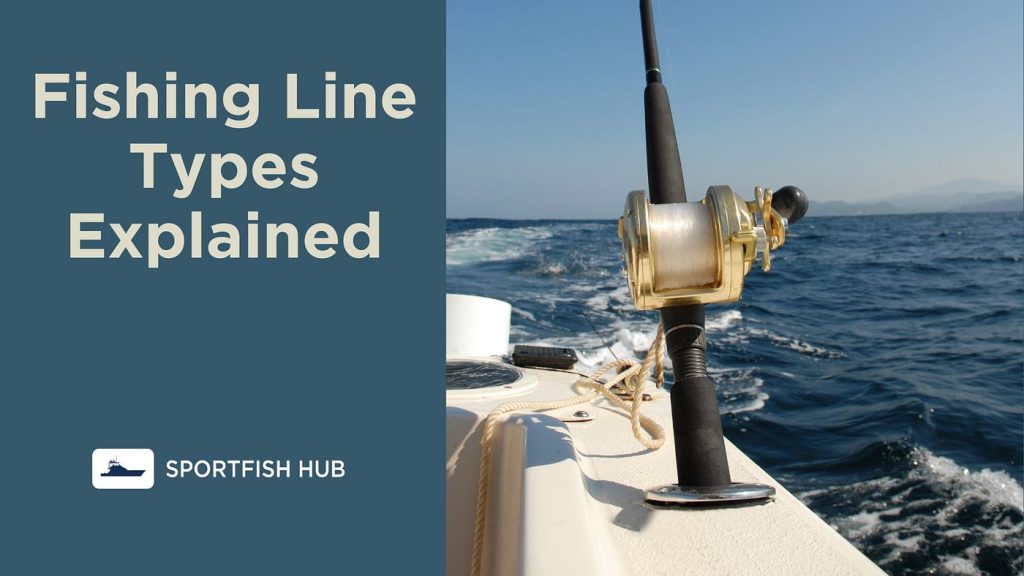
Have you ever felt the frustration of a tangled or broken fishing line just when you were about to catch the big one? Your fishing trip can quickly turn from exciting to stressful if your pole line isn’t working right.
But don’t worry—you don’t need to be an expert to fix it. In this guide, you’ll learn simple, step-by-step tips to repair your fishing pole line fast and get back to doing what you love. Keep reading, and you’ll discover easy tricks that save time, money, and most importantly, your fishing day.
Common Line Problems
Fishing lines can have issues that affect your fishing experience. Knowing these problems helps you fix them fast.
This guide covers common line problems and ways to handle them easily.
Line Tangling
Line tangling happens when the fishing line twists and knots on the reel or in the water. It makes casting hard and wastes time.
Tangles often occur if you spool the line wrong or use the wrong casting technique.
- Check the line spool for twists before use.
- Use smooth, steady casts to avoid loops.
- Keep the line tight when reeling in.
Line Breakage
Line breakage happens when the line snaps under stress. It can cost you a catch or cause lost tackle.
Breaks often result from old line, sharp objects, or too much tension.
- Inspect your line regularly for nicks or damage.
- Replace old or weakened line often.
- Avoid sharp edges on rods and guides.
- Do not pull the line too hard.
Line Twisting
Line twisting happens when the line coils and loops after casting or reeling. It causes knots and weak spots.
Twisting can happen if the lure spins or the reel is not set up correctly.
- Use swivel hooks to reduce lure spin.
- Check reel drag settings to prevent over-spinning.
- Let line out slowly when casting.
Credit: lafireworksstore.com
Tools You Need
Fixing a fishing pole line is easy when you have the right tools. These tools help you cut, tie, and secure the line properly.
Having the correct tools saves time and makes your repair stronger. Let’s look at the essential and optional tools for fixing fishing pole lines.
Essential Repair Tools
You need a few basic tools to fix your fishing pole line. These tools help you prepare and secure the line for a good repair.
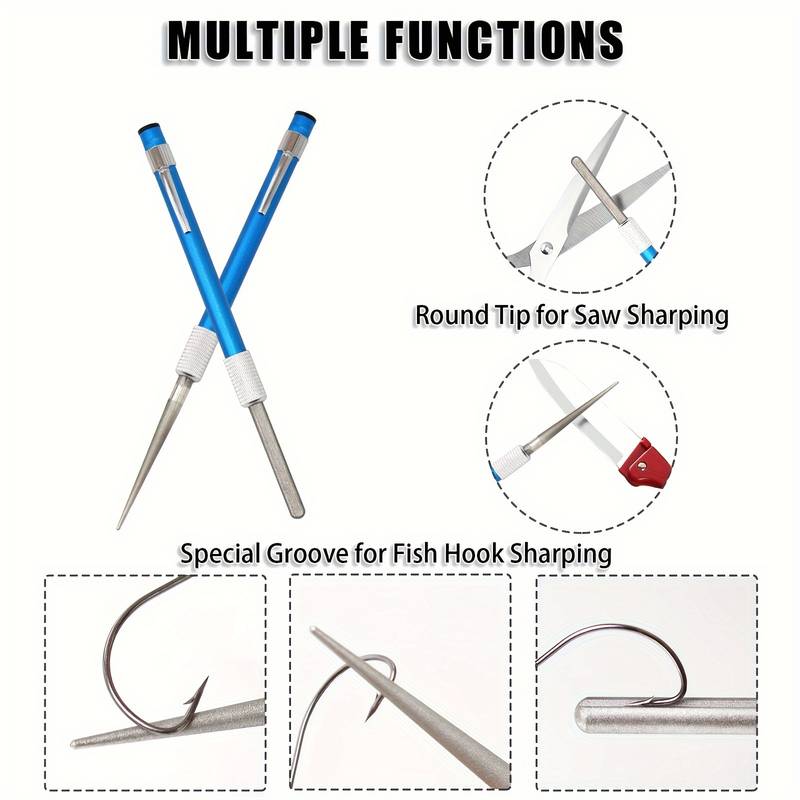
- Fishing Line Scissors:Sharp scissors cut the line cleanly without fraying.
- Line Clippers:Clippers trim knots and excess line precisely.
- Needle Nose Pliers:Pliers help pull tight knots and hold small parts.
- Spare Fishing Line:Extra line of the same type is needed for replacement or tying new knots.
- Line Knot Tool:This tool helps tie strong, tight knots quickly.
Optional Accessories
These accessories make fixing your fishing line easier but are not always required. They add convenience and improve repair quality.
- Magnifying Glass:Helps see small knots and line details clearly.
- Line Conditioner:Makes the line smoother and less likely to tangle.
- Hook Remover:Useful if you need to take off hooks safely.
- Fishing Line Spooler:Helps wind new line evenly onto the reel.
- Waterproof Marker:Marks spots on the line for cutting or tying.
Fixing Tangled Line
Tangled fishing lines are a common problem for anglers. They make fishing frustrating and waste time.
Fixing tangled lines requires patience and the right steps. This guide helps you untangle your fishing line.
Step-by-step Untangling
Start by finding a clean, flat surface to work on. This helps you see the knots clearly.
Gently pull apart the loops and knots without forcing the line. Use your fingers or a needle for tight knots.
- Loosen the largest loops first
- Work from the outside of the tangle
- Use a needle to carefully pick apart tight knots
- Keep the line wet to reduce friction
- Take breaks if you feel frustrated
Preventing Future Tangles
Proper line storage helps stop tangles before they start. Keep your line neat and organized.
Check your reel and line often to avoid loose coils. Replace old or damaged line to reduce knots.
- Wind line evenly on your reel
- Use a line conditioner to reduce friction
- Avoid overfilling the spool
- Remove twists by letting the line hang freely
- Store your rod and reel in a dry place
Credit: pass.or.tz
Repairing Broken Line
A fishing line can break due to tension, knots, or sharp objects. Fixing it quickly helps you get back to fishing. You need simple tools and some patience to repair the line well.
This guide covers cutting and reattaching the line and useful knot techniques. Follow these steps to make your fishing line strong again.
Cutting And Reattaching
First, cut the broken ends of the fishing line cleanly using sharp scissors or a line cutter. Make sure there are no frayed edges left. Then, overlap the cut ends to prepare for tying a knot.
- Use sharp scissors or a line cutter to make clean cuts.
- Remove any damaged or frayed parts of the line.
- Overlap the two ends by about 6 inches.
- Moisten the line before tying knots to avoid weakening.
- Pull the knot tight to secure the line firmly.
Knot Techniques
Choose the right knot to join your fishing line. The knot must hold well under pressure and be easy to tie. Two popular knots are the Double Uni Knot and the Blood Knot.
| Knot | Use | Strength |
| Double Uni Knot | Joining lines of different diameters | Strong and reliable |
| Blood Knot | Joining similar diameter lines | Smooth and strong |
Practice these knots before you go fishing. Proper knots keep your line from breaking again and help catch more fish.
Eliminating Line Twist
Fishing line twist is a common problem that affects casting and reeling. It can cause tangles and reduce fishing efficiency. Learning how to fix line twist keeps your fishing gear working well.
This guide helps you find the causes of line twist and how to remove it from your fishing pole line. Simple steps can make your fishing experience better.
Identifying Twist Causes
Line twist happens for several reasons. Knowing what causes it helps you avoid problems while fishing. Common causes include reel problems and bad casting habits.
- Overfilling the reel spool with line
- Using the wrong type of lure or bait
- Reeling the line too fast or too slow
- Improperly tying knots
- Spinning reels that are not maintained
- Line getting caught on guides or obstacles
Check your fishing setup for these issues. Fixing them reduces the chance of line twist.
Twist Removal Methods
Removing line twist takes simple tools and steps. You can fix it without special equipment. Try these methods to untwist your fishing line.
- Let the line hang freely and let it untwist by itself
- Use a swivel between the line and lure to prevent twist
- Run the line through your fingers while pulling it tight
- Re-spool the line using a different technique to avoid twists
- Replace old or damaged line with new line
- Check and clean your reel regularly
Try these methods after every fishing trip. Good care keeps your line smooth and twist-free.

Credit: www.reddit.com
Line Maintenance Tips
Fishing pole lines need care to last longer and work well. Good maintenance keeps your line strong and ready.
Simple steps help avoid breaks and tangles. Follow these tips to keep your fishing line in top shape.
Proper Storage
Store your fishing line in a cool, dry place away from sunlight. Heat and light can weaken the line over time.
Keep the line on the reel or spool to avoid tangling. Use a line holder or a soft cloth to protect it from dust and dirt.
- Use a sealed container or plastic bag
- Avoid storing near chemicals or oils
- Keep away from sharp objects
- Do not leave the line in direct sunlight
Regular Inspection
Check your fishing line before and after every trip. Look for cuts, frays, or weak spots that can cause breaks.
Replace damaged sections or the entire line if needed. Clean the line with fresh water to remove salt and dirt.
- Look for discoloration or stiffness
- Test the line’s strength by pulling gently
- Remove knots and tangles carefully
- Trim damaged parts before use
When To Replace Your Line
Your fishing line is important for a good catch. Old or damaged line can break and lose fish.
Knowing when to change your fishing line helps you fish safely and well. Look for signs before you go fishing.
Signs Of Wear
Check your line often for any damage. Small problems can cause big breaks.
- Frayed spots or rough areas on the line
- Discoloration or fading of the line
- Line feels stiff or brittle instead of smooth
- Line has cuts, nicks, or cracks
- Line loses strength and breaks easily
If you see these signs, it is time to replace your fishing line. It keeps your fishing safe and fun.
Choosing New Line
Pick a fishing line that fits your fishing style and rod. Different lines work better for different fish.
- Monofilament line is easy to use and good for beginners
- Fluorocarbon line is hard to see underwater and sinks well
- Braid line is very strong and thin but can be hard to handle
- Match the line strength to the fish you want to catch
- Check the line length to fit your fishing needs
Replacing your line with the right type helps you catch more fish and enjoy fishing more.
Frequently Asked Questions
How Do I Untangle A Fishing Pole Line Safely?
To untangle a fishing pole line safely, hold the rod steady and gently work knots apart. Use your fingers or a small tool. Avoid pulling hard to prevent line damage. Patience is key for smooth untangling without weakening the line.
What Causes Fishing Pole Line To Break Often?
Fishing line breaks often due to knots, abrasion, or old line wear. Sharp edges or rough surfaces can damage the line. Using the correct line strength for your catch helps prevent breaks. Regularly inspect and replace worn line sections.
How Can I Prevent Fishing Line Twists And Tangles?
To prevent twists and tangles, spool the line properly and avoid overfilling the reel. Use swivel connectors to reduce line twisting. Regularly check and adjust the line tension while fishing. Proper casting techniques also minimize tangles.
When Should I Replace My Fishing Pole Line?
Replace fishing line when it shows signs of wear, fraying, or discoloration. Also change it if knots slip or after catching heavy fish. Regular replacement ensures strong, reliable line performance and reduces the risk of breakage.
Conclusion
Fixing a fishing pole line is simple with the right steps. Keep your line clean and untangled for better fishing. Regular checks help avoid common problems on the water. Practice patience while repairing, and your gear will last longer. Small fixes can save a fishing trip from disappointment.
Follow these tips to enjoy fishing without line troubles. Stay calm, take your time, and fish with confidence.