If you want to get the most out of your fishing trips, knowing how to put fishing line on a baitcasting reel is a must. Whether you’re new to baitcasting or just looking to improve your skills, this simple process can make a big difference in your casting accuracy and overall fishing experience.
You might think it’s tricky or time-consuming, but with the right steps, you’ll be ready to cast like a pro in no time. Keep reading, and you’ll learn easy, clear instructions that anyone can follow to set up your reel perfectly every time.

Credit: www.youtube.com
Choosing The Right Line
Choosing the right fishing line is important for your baitcasting reel. It helps you catch fish better and makes your fishing easier.
There are many types of lines. You also need to think about line strength and the fishing conditions you will face.
Types Of Fishing Lines
There are three main types of fishing lines: monofilament, fluorocarbon, and braided. Each type has different features and uses.
- Monofilament is soft and easy to handle. It stretches well and is good for beginners.
- Fluorocarbon is hard to see in water. It sinks fast and works well in clear water.
- Braided line is very strong and thin. It has almost no stretch and lasts a long time.
Line Strength And Diameter
Line strength is how much weight the line can hold before breaking. Diameter is how thick the line is.
Stronger lines have bigger diameters. Thicker lines are easier to see but less sensitive. Thinner lines are harder to see but may break easier.
| Line Strength (lb) | Diameter (inches) | Use |
|---|---|---|
| 6-10 | 0.006 – 0.010 | Light fishing, small fish |
| 12-20 | 0.012 – 0.016 | Medium fishing, medium fish |
| 25-50 | 0.018 – 0.035 | Heavy fishing, large fish |
Matching Line To Fishing Conditions
Think about where and how you will fish. Different water, weather, and fish need different lines.
- Use clear lines for clear water to avoid spooking fish.
- Choose stronger lines for heavy cover or big fish.
- Pick thinner lines for long casts and light lures.
- Consider weather: wet or cold needs lines that stay flexible.

Credit: www.youtube.com
Preparing The Baitcasting Reel
Before putting fishing line on a baitcasting reel, prepare the reel carefully. This helps the reel work smoothly and lasts longer.
Check the reel’s condition and make sure all parts are clean and ready. Proper preparation improves your fishing experience.
Cleaning The Reel
Clean the reel to remove dirt, old grease, and salt. This prevents damage and keeps the reel running well.
Use a soft cloth and mild soap with water to clean the outside. Avoid soaking the reel to protect internal parts.
- Wipe the handle, spool, and frame
- Use a small brush for hard-to-reach spots
- Dry the reel completely before use
Checking Reel Components
Look closely at all reel parts before adding line. Check for wear or damage on the spool and handle.
Make sure the line guide moves freely and the brakes work properly. Tighten any loose screws.
- Inspect the spool for dents or scratches
- Test the handle for smooth rotation
- Check the line guide for smooth movement
- Ensure brake system operates correctly
- Tighten loose screws with a screwdriver
Setting The Drag System
Adjust the drag system before putting on the line. The drag controls how much tension the fish feels.
Turn the drag knob to set light resistance. Test it by pulling the spool by hand. It should resist but still move.
- Turn drag knob clockwise to increase resistance
- Turn drag knob counterclockwise to decrease resistance
- Test drag by pulling spool slowly
- Adjust drag to match the fishing line strength
Spooling The Line
Putting fishing line on a baitcasting reel is an important skill. Spooling the line correctly helps you fish better and avoid problems.
This guide explains how to spool the line with care. Follow each step to keep your line neat and ready.
Attaching The Line To The Spool
First, thread the fishing line through the reel’s guides. Then, wrap the line around the spool.
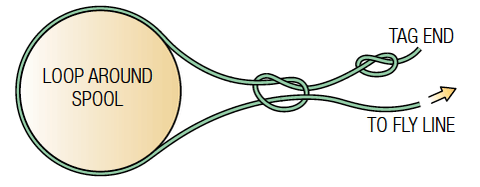
Use an arbor knot to tie the line tightly to the spool. This knot keeps the line secure during use.
- Pass the line around the spool.
- Make a loop and tie an arbor knot.
- Pull the knot tight to secure the line.
- Trim excess line after the knot.
Maintaining Proper Tension
Keep the line tight as you spool it onto the reel. Proper tension stops loose loops and bunches.
You can hold the line between your fingers to control the tension. Make sure it winds evenly on the spool.
- Hold the line with light pressure.
- Turn the reel handle slowly.
- Check the line for tightness often.
- Stop if the line feels loose or uneven.
Avoiding Line Twists And Tangles
Twisted or tangled line can cause casting problems. To avoid this, pay attention while spooling.
Make sure the line comes off the filler spool the same way it goes onto the reel spool. This reduces twists.
- Place the filler spool flat or on a line spooler.
- Match the line direction on both spools.
- Keep the line tight and straight.
- Stop if you see loops or twists forming.

Credit: www.youtube.com
Adjusting Reel Settings
Adjusting your baitcasting reel settings improves your fishing experience. Proper settings help you cast smoothly and avoid line tangles.
This guide focuses on setting the brakes, adjusting spool tension, and testing your cast for better control.
Setting The Brakes
The brakes control how fast the spool spins during a cast. Too little brake causes backlash. Too much slows your cast.
- Locate the brake dial on the side of the reel.
- Start with a medium brake setting.
- Adjust higher if you get backlash.
- Lower the brake for longer casts when you have control.
Adjusting The Spool Tension
Spool tension controls how fast the spool spins when the lure pulls line. Setting it right prevents overruns.
| Action | What to Do |
| Attach lure | Clip lure to line clip on rod |
| Adjust knob | Turn spool tension knob until lure drops slowly |
| Test | Release lure; spool should slow before fully dropping |
| Fine-tune | Increase tension if lure drops too fast |
Testing The Cast
Test casting in an open area before fishing. This helps you find the right brake and tension settings.
- Hold the rod with the reel facing down.
- Press the thumb bar to release the spool.
- Cast with a smooth motion.
- Use your thumb to lightly stop the spool at the end of the cast.
- Adjust brakes or tension if you see line tangles or backlash.
Tips For Long-lasting Line Performance
Putting fishing line on a baitcasting reel is easy but keeping it in good shape matters. Good care helps your line last longer and work better.
Here are some tips to keep your fishing line strong and ready for every trip.
Regular Line Maintenance
Check your fishing line often for dirt and damage. Clean it with a soft cloth after each use. This stops dirt from weakening the line.
Also, keep the line dry. Moisture can cause it to weaken or get moldy over time.
- Wipe line with a dry cloth after fishing
- Remove sand or dirt gently
- Dry the line before storage
Replacing Old Or Damaged Line
Old fishing line loses strength and can break easily. Change your line if it looks worn or has many nicks and cracks. This keeps your fishing trips safe and fun.
Replace the line at least once a year or more if you fish often. Use the right type and weight of line for your reel and fishing style.
- Look for cuts, frays, or discoloration
- Replace line yearly or after heavy use
- Choose proper line strength for your reel
Storing The Reel Properly
Store your baitcasting reel in a cool, dry place. Avoid direct sunlight and heat, which can damage the line and reel parts.
Loosen the drag to reduce stress on the line and reel. Cover the reel to keep dust and dirt away.
- Keep reel in a dry, shaded area
- Loosen drag before storage
- Use a reel cover or cloth to protect it
Frequently Asked Questions
How Do I Prepare A Baitcasting Reel For Line Spooling?
Start by cleaning the reel and checking for damage. Attach the reel securely to the rod before spooling. This ensures better control and smooth line winding during the process.
What Type Of Fishing Line Works Best On Baitcasting Reels?
Monofilament, fluorocarbon, and braided lines all work well. Choose based on fishing conditions and target species. Braided lines offer strength, while monofilament provides stretch and ease of use.
How Much Line Should I Put On A Baitcasting Reel?
Fill the spool to about 1/8 inch below the spool edge. Overfilling causes tangles and underfilling reduces casting distance. Proper fill ensures smooth casting and fewer backlashes.
How Do I Avoid Line Twisting On A Baitcasting Reel?
Attach the line to the spool using an arbor knot. Maintain steady tension while winding the line. Proper technique minimizes twists and improves casting performance.
Conclusion
Putting fishing line on a baitcasting reel is easier than it seems. Follow each step carefully and take your time. A well-spooled reel helps you cast farther and fish better. Avoid tangles by keeping the line tight and even. Check your work before you start fishing.
Practice makes perfect, so don’t rush. Soon, you’ll feel confident and ready for your next trip. Enjoy the calm and excitement of fishing with your baitcasting reel.