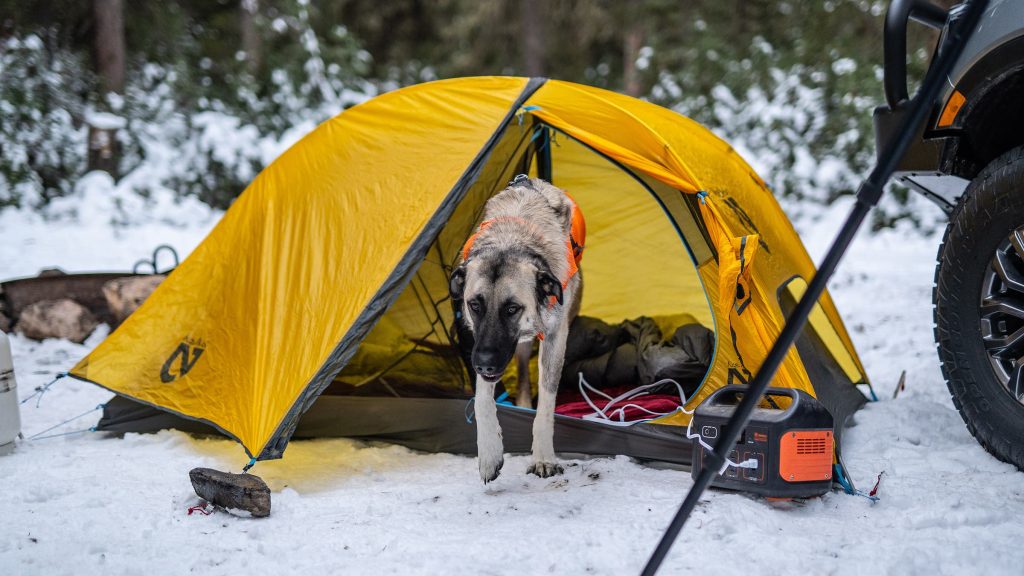
When winter camping calls, staying warm inside your tent can be a real challenge. You don’t want the cold to ruin your adventure or keep you tossing and turning all night.
Imagine waking up cozy, comfortable, and ready to enjoy the crisp winter air outside. In this guide, you’ll discover simple, effective ways to heat your tent safely and keep the chill at bay. Keep reading—you’re about to learn how to turn your cold campsite into a warm, inviting shelter.
Credit: cosycamp.com.au
Choosing The Right Tent
Heating a tent in winter depends greatly on the tent you choose. The right tent keeps warmth inside and cold air out. This guide helps you pick a tent fit for cold weather.
Focus on the tent’s materials, size, insulation, and ventilation. These factors work together to keep you warm and safe.
Materials For Cold Weather
Tents made from heavy-duty, weather-resistant fabrics protect well from wind and snow. Look for tents with thick nylon or polyester and a strong waterproof coating.
- Ripstop nylon or polyester for durability
- Waterproof coatings to block moisture
- Strong poles made from aluminum or steel
- Double-layer fabric for extra warmth
Tent Size And Insulation
A smaller tent holds heat better than a large one. Choose a size that fits you and your gear without much extra space. Insulated tents have special linings or padding that trap heat.
| Tent Size | Benefit |
| 1-2 person | Easier to heat, less air space |
| 3-4 person | More room but harder to keep warm |
| Insulated tents | Better heat retention in cold weather |
Ventilation Features
Good ventilation prevents moisture buildup from breathing and body heat. Look for tents with adjustable vents or mesh panels. These let fresh air in without losing too much warmth.
- Top vents with covers
- Mesh windows with zip covers
- Multiple air flow options to reduce condensation
Selecting A Heat Source
Keeping warm inside a tent during winter is important for comfort and safety. Choosing the right heat source helps you stay cozy without risk.
There are different heating options for tents. Each type has its own benefits and safety rules to follow.
Portable Camping Heaters
Portable camping heaters use fuel like propane or butane to produce heat. They are easy to carry and warm up small spaces quickly.
- Choose heaters designed for indoor use in tents.
- Keep the heater away from flammable materials.
- Ensure good ventilation to avoid gas buildup.
- Turn off the heater before sleeping.
Safe Use Of Gas Stoves
Gas stoves can provide heat but need careful handling. They must be used only in well-ventilated tents.
| Safety Tip | Reason |
| Use stove near a vent or open flap | Prevents carbon monoxide buildup |
| Never leave stove unattended | Avoid fire hazards |
| Keep flammable items away | Reduces fire risk |
| Turn off stove after use | Prevents accidents |
Electric Heating Options
Electric heaters are safe if your campsite has power. They do not emit fumes and are easy to control.
Use only heaters with automatic shut-off features. Keep cords away from water and walking paths.
Improving Tent Insulation
Keeping a tent warm in winter can be hard. Cold air and snow lower the temperature inside. Improving insulation helps keep heat in and cold out.
Good insulation makes camping safer and more comfortable. It stops cold winds and keeps your body heat inside the tent.
Using Thermal Blankets
Thermal blankets reflect heat back inside the tent. They are thin and light but very effective. You can use them on walls or roof.
Place the thermal blanket inside the tent or between the tent and rainfly. This stops heat from escaping through the fabric.
- Use reflective side facing inside
- Cover as much tent surface as possible
- Secure with clips or tape to avoid wind
Ground Insulation Techniques
Cold ground can make the tent very cold inside. Adding insulation between the ground and tent floor keeps heat in. It stops cold from coming up.
Use sleeping pads, foam mats, or thick blankets under your sleeping bag. These layers help block cold air and keep you warm.
- Lay foam pads or closed-cell mats on the floor
- Add a thick blanket or tarp on top of mats
- Keep insulation dry to keep it effective
Adding Extra Layers
Extra layers inside the tent trap warm air. You can hang blankets or use extra tents inside to add layers. This slows heat loss.
Try layering sleeping bags or wearing warm clothes inside. More layers mean less cold air reaches you and your gear.
- Hang blankets or tarps inside the tent walls
- Use a tent liner if available
- Wear insulated clothing and use layered sleeping bags
Safety Tips For Heating
Heating a tent in winter can keep you warm and comfortable. It is important to follow safety tips to avoid accidents. Proper heating prevents dangers like fires and poisoning.
Always use heating devices made for indoor use. Keep your tent safe by following simple rules about ventilation and fire protection.
Preventing Carbon Monoxide Poisoning
Carbon monoxide is a colorless, odorless gas that can cause serious harm or death. Heating devices that burn fuel can produce this gas. To stay safe, never use fuel heaters inside a sealed tent.
- Use only heaters that are safe for indoor use.
- Install a carbon monoxide detector inside the tent.
- Keep a window or vent slightly open when using a heater.
- Do not sleep with a heater running inside the tent.
- Turn off heaters before sleeping or leaving the tent.
Fire Safety In Tents
Fires spread fast in tents. Using heating equipment carelessly can cause fire. Always keep heating devices away from flammable materials like sleeping bags and clothes.
| Fire Safety Tips | Details |
| Keep heater on stable surface | Prevents tipping and sparks |
| Use heaters with automatic shut-off | Stops heater if tipped over |
| Store fuel outside tent | Reduces fire risk inside tent |
| Have a fire extinguisher nearby | Be ready to act fast |
| Never leave heater unattended | Monitor heater at all times |
Proper Ventilation Practices
Ventilation keeps fresh air flowing and removes dangerous gases. A well-ventilated tent is safer and more comfortable when heated.
- Leave a vent or window open slightly at all times.
- Use tents with built-in vents for better airflow.
- Avoid sealing the tent completely while heating.
- Check for drafts that bring in fresh air.
- Keep airways clear around the heater.
Alternative Warmth Strategies
Keeping warm inside a tent during winter can be tough. Using smart strategies helps stay cozy without extra gear.
This guide covers ways to stay warm with clothing, heat packs, and sharing body heat.
Warm Clothing And Sleeping Bags
Wearing the right clothes keeps your body heat from escaping. Layering works best to trap warmth.
- Wear thermal base layers made of wool or synthetic fabrics
- Add an insulating middle layer like fleece or down
- Use a waterproof and windproof outer layer to block cold air
- Choose a sleeping bag rated for temperatures below freezing
- Use a sleeping bag liner for extra warmth
Hot Water Bottles And Heat Packs
Hot water bottles and heat packs provide extra warmth inside your sleeping bag. They are easy to use and safe.
| Type | Use Time | Notes |
| Hot Water Bottle | Several hours | Fill with hot water; place inside sleeping bag |
| Disposable Heat Pack | 8 to 12 hours | Activate by shaking; stick to clothing or sleeping bag |
| Reusable Heat Pack | 1 to 2 hours | Boil to recharge; use as needed |
Body Heat Sharing
Sharing body heat with others is an effective way to stay warm in a tent.
- Sleep close together to share warmth
- Use a larger sleeping bag or shared blanket
- Wear dry clothes to avoid chills
- Keep movement minimal to maintain heat

Credit: www.reddit.com
Maintaining Warmth Overnight
Keeping warm inside a tent during winter nights is very important. Cold air can make sleep uncomfortable and unsafe.
Using the right techniques helps keep your tent warm all night long. This guide shares easy ways to stay cozy.
Managing Moisture Inside The Tent
Moisture comes from breath and sweat inside the tent. It can make the air cold and damp.
To reduce moisture, ventilate the tent slightly and avoid wet clothes inside. Use a small vent or crack the door open a bit.
- Keep wet gear outside or in a vestibule
- Use moisture-wicking sleeping bags and liners
- Dry clothes before going to bed
- Open vents for fresh air flow
Handling Temperature Fluctuations
Temperatures change quickly at night. It can be warm at first and very cold later.
Dress in layers to adjust to temperature changes. Use insulated sleeping pads to block cold from the ground.
- Wear thermal base layers and a hat
- Use a sleeping bag rated for cold weather
- Place a ground tarp under your tent for extra insulation
- Keep your sleeping bag dry and zipped up
Preparing For Morning Cold
Morning is often the coldest time. Preparing helps you stay warm until the sun rises.
Keep a warm layer ready and close your tent properly before sleeping. Warm up with hot drinks as soon as you wake.
- Keep extra dry clothes inside the tent
- Seal the tent to keep warmth inside overnight
- Use a hot water bottle safely inside your sleeping bag
- Plan to get moving quickly after waking

Credit: www.youtube.com
Frequently Asked Questions
How Can I Safely Heat A Tent In Winter?
Use a tent-safe heater with proper ventilation. Avoid open flames inside. Always follow manufacturer instructions to prevent fire or carbon monoxide risks.
What Is The Best Portable Heater For Tents?
Propane or electric heaters designed for camping work best. Look for models with safety features like auto shut-off and tip-over protection.
How Do I Keep A Tent Warm Without Heating?
Use insulated sleeping pads, thermal sleeping bags, and layered clothing. Seal tent openings and use a windbreak to reduce heat loss.
Can A Wood Stove Be Used To Heat A Tent?
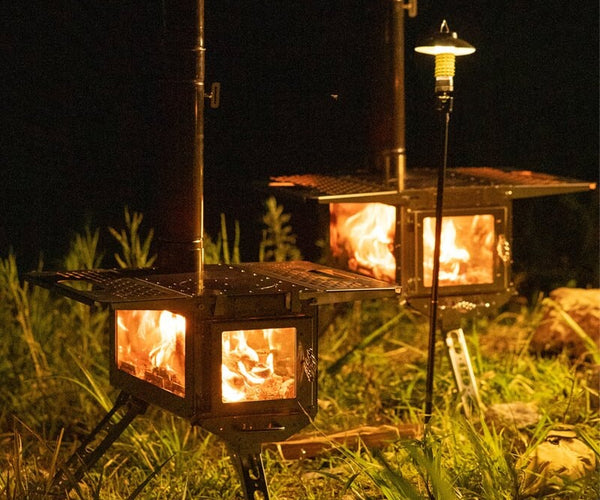
Yes, but only if the tent is designed for wood stoves. Ensure proper chimney installation and ventilation to avoid smoke buildup and fire hazards.
Conclusion
Heating a tent in winter keeps you warm and safe. Choose the right heater for your tent size. Always follow safety rules to avoid accidents. Use extra insulation like blankets or sleeping pads. Keep ventilation to prevent moisture and carbon monoxide.
Small steps make camping in cold weather better. Stay cozy and enjoy your winter adventure outdoors.