Is your fishing rod feeling a little worn out? Maybe the line is frayed, or it just doesn’t cast as smoothly as it used to.
You don’t have to buy a new rod to fix this. Learning how to reline a fishing rod can save you money and make your fishing trips more enjoyable. In this guide, you’ll discover simple, step-by-step tips that anyone can follow—even if you’re new to fishing.
Keep reading, and you’ll soon have your rod ready to catch the big one!
Tools And Materials Needed
Relining a fishing rod is a simple task that needs the right tools. Using proper materials helps your fishing line last longer.
This guide covers what you need to choose and replace your fishing line effectively.
Choosing The Right Line
Select a fishing line based on the type of fish you want to catch. Consider the strength and stretch of the line.
- Monofilament lines are flexible and good for beginners.
- Fluorocarbon lines are strong and less visible underwater.
- Braid lines offer high strength and low stretch.
Selecting Replacement Line
Choose replacement line that matches your rod’s weight and reel capacity. Check the line’s breaking strength and length.
| Line Type | Breaking Strength | Best For |
| Monofilament | 6-20 lbs | General fishing |
| Fluorocarbon | 8-30 lbs | Clear water fishing |
| Braid | 10-50 lbs | Heavy cover fishing |
Additional Tools Required
Besides the fishing line, you need some extra tools to reline your rod quickly and cleanly.
- Scissors or line cutters to trim the old and new line.
- A spooler or your reel to wind the new line evenly.
- A ruler or tape measure to check line length.
- Fishing rod holder to keep the rod steady.

Credit: fishingkayakpro.com
Removing Old Line
Removing the old fishing line is the first step to relining your fishing rod. This keeps your reel working well.
Old line can get tangled or weak. Removing it helps you start fresh and fish better.
Detaching From The Reel
First, cut the old line near the reel. This makes it easier to take off.
Next, unwind the line from the spool by hand. Pull gently to avoid damage.
- Use scissors or a line cutter to snip the line.
- Hold the reel steady while pulling the line off.
- Remove any knots or leftover pieces on the reel.
Discarding Old Line Properly
Old fishing line can harm wildlife if not thrown away correctly. Handle it with care.
Collect the old line in a container before disposal. Do not toss it in water or nature.
- Cut the line into small pieces to prevent tangles.
- Put the pieces in a sealed bag or container.
- Recycle the line if a local program accepts it.
- Dispose of the bag in the trash if recycling is unavailable.
Preparing The Reel
Before you reline a fishing rod, get the reel ready. A clean and well-checked reel helps the new line work better.
Taking time to prepare the reel makes fishing easier and more fun.
Cleaning The Reel
Remove old dirt and salt from the reel. This keeps it smooth and stops damage.
Use a soft cloth and mild soap with water. Wipe all parts gently and dry with a clean cloth.
- Remove the spool if possible
- Clean inside and outside carefully
- Use a small brush for tight spaces
- Dry all parts before reassembly
Inspecting For Damage
Check the reel for cracks, rust, or broken parts. Damaged reels can cause line problems.
Look at the handle, drag system, and spool. Make sure all parts move smoothly.
- Spin the reel handle to feel for rough spots
- Check the drag for proper resistance
- Look for loose screws or bent parts
- Replace damaged parts before relining
Attaching New Line
Attaching new line to your fishing rod is key to good fishing. It helps keep the line strong and ready for use.
This guide shows how to secure the line to the reel and set the drag properly for best results.
Securing The Line To The Reel
Start by threading the new line through the rod guides. Tie the line to the reel spool using a strong knot.
- Make a loop around the spool.
- Use an arbor knot to tie securely.
- Pull the knot tight and trim excess line.
- Wind the line evenly on the spool.
- Keep tension on the line while winding.
Setting The Drag Properly
The drag controls how much resistance a fish feels when pulling the line. Set it to avoid line breakage and lost fish.
| Drag Setting | Use Case |
| Light Drag | Small fish or light line |
| Medium Drag | Average fish size |
| Heavy Drag | Large fish or heavy line |
Spooling The Line
Spooling the line on your fishing rod is an important task. It keeps your line neat and ready for fishing.
Proper spooling helps avoid tangles and makes casting easier. Let’s look at key points to consider.
Maintaining Tension
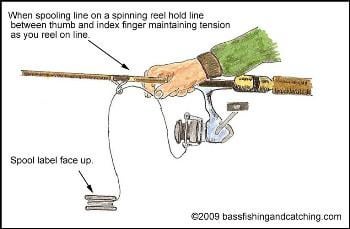
Keeping tension on the line while spooling is very important. It stops the line from winding loosely.
- Attach the line to the reel spool securely.
- Hold the line tight with your fingers as you turn the reel.
- Keep a steady speed when winding the line onto the spool.
- Check often that the line is tight and even on the spool.
- Do not allow slack to build up during the process.
Avoiding Line Twist
Line twist causes knots and weak spots. Avoid it by paying attention to how the line feeds onto the spool.
| Cause of Line Twist | How to Avoid |
|---|---|
| Line feeds from spool too fast | Control reel speed and tension |
| Line loops during retrieval | Keep line tight and guide it properly |
| Incorrect reel or rod setup | Check guides and reel alignment |
| Using the wrong type of line | Match line type to reel and rod |
Credit: sportfishinghub.medium.com
Finishing Touches
After relining your fishing rod, you must complete a few final steps. These steps ensure the line stays secure and works smoothly.
Focus on cutting and tying off the line properly. Also, make sure the line passes correctly through all guides.
Cutting And Tying Off
Cut the fishing line leaving a small tail to tie a secure knot. Use a strong knot to prevent slipping.
- Trim the line to about 6 inches past the last knot.
- Tie a strong knot such as the improved clinch knot.
- Moisten the knot before pulling tight to avoid damage.
- Cut off excess line close to the knot.
- Check the knot for firmness by pulling gently.
Threading Through Guides
Guide the line through each ring on the rod from base to tip. Proper threading avoids tangles and improves casting.
| Step | Action |
| 1 | Hold the line near the reel and find the first guide. |
| 2 | Feed the line through each guide moving toward the tip. |
| 3 | Ensure the line sits inside each guide ring without twisting. |
| 4 | Finish threading all guides before attaching hooks or lures. |
Tips For Perfect Casting
Perfect casting helps you catch more fish and enjoy fishing more. Learning simple tips can improve your casting skills.
This guide covers line care and adjusting your cast for different conditions. Follow these tips to get better results.
Line Care And Maintenance
Good line care keeps your fishing rod working well. Clean your line after each trip to remove dirt and salt.
- Check your line for damage before fishing.
- Replace old or weak line to avoid breaks.
- Store your rod and line in a cool, dry place.
- Use line conditioner to keep it smooth and strong.
- Keep the line tensioned on the reel to prevent tangles.
Adjusting For Different Conditions
Weather and water affect how you should cast. Adjust your technique for wind, rain, or clear water.
| Condition | Tip |
| Windy | Use heavier lures and shorter casts. |
| Calm Water | Cast farther with lighter lures. |
| Rainy | Check your grip and keep your line dry. |
| Clear Water | Use lighter, less visible line. |

Credit: fishingbooker.com
Frequently Asked Questions
How Do You Remove Old Fishing Line?
To remove old fishing line, first cut the line near the reel. Then, unwind the remaining line from the spool carefully. Ensure you dispose of the old line properly, as it can harm the environment. Consider recycling it at a local fishing store or recycling center.
What Tools Are Needed To Reline A Fishing Rod?
To reline a fishing rod, you’ll need a new spool of fishing line. You’ll also need scissors or a line cutter, and optionally, a fishing line spooler. These tools will help you efficiently remove the old line and spool the new line onto the reel smoothly.
How Often Should I Reline My Fishing Rod?
Relining frequency depends on usage, but generally, reline your fishing rod every six months to a year. Regular anglers should check for line wear more often. Exposure to sunlight and water can weaken the line, affecting performance. Replace it sooner if you notice fraying or reduced strength.
Can I Use Any Fishing Line For Relining?
Not every fishing line is suitable for every rod. Choose a line that matches your fishing rod and reel specifications. Consider the type of fishing you plan to do. For example, use a heavier line for larger fish. Always check the manufacturer’s recommendations for the best results.
Conclusion
Relining a fishing rod keeps it working well and ready to use. Regular care makes your fishing trips more fun and successful. Follow the steps carefully to avoid mistakes and save time. A well-maintained rod lasts longer and performs better.
Try relining yourself to save money and learn a useful skill. Practice makes perfect. Soon, you will do it quickly and easily. Keep your gear in good shape and enjoy fishing every time. Simple steps, big benefits.