Is your air conditioner leaving behind an unpleasant smell every time you switch it on? That must be frustrating, especially when you just want fresh, cool air to relax in.
You don’t have to live with that bad odor any longer. You’ll discover simple and effective ways to get rid of the smell in your air conditioner. By following these easy steps, you’ll enjoy clean, fresh air in your home again.
Keep reading to learn how to fix this common problem quickly and easily!
Causes Of Air Conditioner Odors
Air conditioners can sometimes produce bad smells. These odors come from different problems inside the unit.
Knowing the causes helps you fix the smell quickly and keep the air fresh.
Mold And Mildew Growth
Mold and mildew grow in moist areas inside the air conditioner. This happens when water stays in the system.
The smell from mold is musty and unpleasant. It can affect your health if not cleaned.
Clogged Drainage
Drainage pipes can get clogged with dirt and algae. This blocks water from leaving the unit.
Clogged drainage causes water to pool inside the air conditioner. This leads to bad odors and leaks.
- Water collects in drip pans
- Algae and sludge build up
- Water cannot drain out
Dirty Filters
Filters trap dust and dirt from the air. When they get dirty, they block airflow and cause smells.
- Reduced air quality
- Musty or dusty smell
- Increased energy use
Accumulated Dust And Debris
Dust and debris collect on coils and inside the unit. This can cause a burnt or dusty odor.
| Location | Effect |
| Coils | Burnt smell from overheating |
| Inside unit | Dusty or stale air |
| Fan blades | Reduced airflow and smell |
Refrigerant Leaks
Refrigerant leaks release chemicals that smell sweet or fishy. This is a serious issue needing repair.
Leaks lower cooling efficiency and can harm your health. Call a professional if you notice this odor.
Credit: blog.bestbuy.ca
Tools And Supplies Needed
Removing bad smells from your air conditioner requires the right tools and supplies. Using proper items makes cleaning easier and safer.
This guide lists the main things you need to clean and refresh your AC unit effectively.
Cleaning Solutions
Cleaning solutions help kill bacteria and remove mold inside the AC. Choose safe and effective cleaners made for air conditioners.
Some solutions can deodorize and clear clogged parts without harming the system.
- Commercial coil cleaner
- White vinegar diluted with water
- Baking soda mixed with water
- Mild detergent solution
Protective Gear
Wear protective gear to avoid contact with dirt and chemicals. This keeps you safe during cleaning.
Good gear also helps prevent breathing in dust or mold spores.
- Gloves to protect your hands
- Safety goggles to shield your eyes
- Face mask to avoid inhaling dust and fumes
- Old clothes or coveralls
Basic Tools
Several simple tools help you reach and clean the AC parts. Having these ready saves time.
- Screwdrivers to open panels
- Soft brush for scrubbing dirt
- Vacuum cleaner with a brush attachment
- Spray bottle for applying cleaners
- Cloth or microfiber towels
- Bucket for mixing solutions
Replacement Filters
Dirty filters cause bad odors and reduce airflow. Always have replacement filters ready to swap out old ones.
Choose filters that fit your AC model and have good dust-trapping ability.
- HEPA filters for better air quality
- Standard pleated filters
- Washable filters if your unit supports them
- Filters sized for your specific AC model
Step-by-step Cleaning Process
Bad smells from your air conditioner usually come from dirt or mold. Cleaning your AC regularly keeps the air fresh. This guide shows easy steps to remove the smell.
Follow each step carefully to clean your air conditioner and improve its performance. You do not need special skills or tools.
Turn Off And Unplug The Unit
Always turn off your air conditioner before cleaning. Unplug it from the power source to avoid accidents. This keeps you safe while working on the unit.
Clean Or Replace The Filters
Dirty filters cause bad smells and reduce airflow. Remove the filters from your unit. Wash them with warm water and mild soap if they are reusable.
If your filters are old or damaged, replace them with new ones. Clean filters help your air conditioner work better and smell fresh.
Clear The Drain Pan And Drain Line
The drain pan collects water from inside the AC. Dirt and mold can build up here and cause smells. Remove the pan and clean it with soap and water.
Check the drain line for blockages. Use a vacuum or a thin brush to clear any clogs. This stops water from standing and causing odors.
Clean The Evaporator Coil
The evaporator coil cools the air but can get dirty over time. Use a soft brush to remove dust and dirt gently. You can also use coil cleaner spray for better results.
Make sure the coil is dry before closing the unit. A clean coil helps prevent smells and keeps your AC efficient.
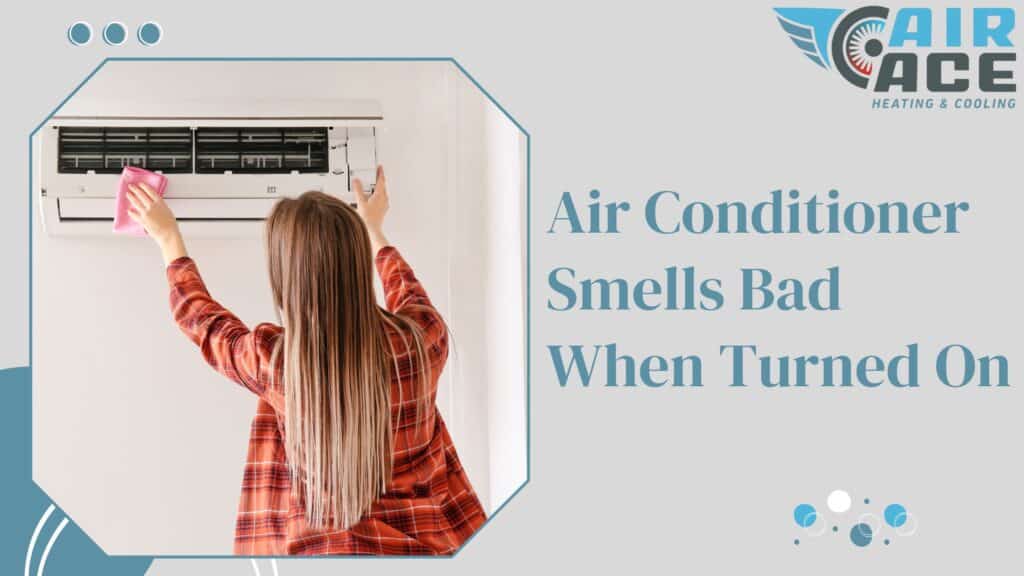
Wipe Down The Exterior
Use a damp cloth to wipe the outside of your air conditioner. Clean the vents and the surface to remove dust and grime. This keeps your unit looking good and smelling fresh.
Regularly cleaning the exterior stops dust from entering and causing bad smells inside the unit.
Credit: airaceheatingandcooling.com
Using Odor Neutralizers
Air conditioners can develop bad smells over time. These odors come from bacteria, mold, or dust inside the unit. Using odor neutralizers helps remove these smells and keeps the air fresh.
Odor neutralizers work by targeting the source of the smell. They either mask it or break down the odor molecules. There are natural and commercial options to choose from.
Natural Remedies
Natural odor neutralizers use ingredients from nature. They are safe and easy to use. Common examples include baking soda and vinegar.
These remedies absorb odors or kill bacteria causing the smell. They do not add harsh chemicals to your air conditioner.
- Baking soda sprinkled inside the unit helps absorb bad smells.
- White vinegar sprayed on surfaces kills bacteria and removes odors.
- Activated charcoal placed near vents traps odors effectively.
- Essential oils like tea tree or eucalyptus can freshen the air naturally.
Commercial Products
Commercial odor neutralizers are made to target air conditioner smells quickly. They come in sprays, gels, or tablets. These products contain chemicals that break down odor molecules.
Many are easy to apply and designed for HVAC systems. Some also clean the unit while removing smells.
- HVAC odor neutralizing sprays kill bacteria and freshen air.
- Gel-based neutralizers slowly release scent to mask odors.
- Tablets placed inside drip pans absorb moisture and odors.
- Foam cleaners help remove mold and dirt inside the unit.
When To Use Each
Choose natural remedies for mild odors or regular maintenance. They are gentle and safe for frequent use. Commercial products work better for strong or persistent smells.
If you notice mold or a very bad smell, use commercial neutralizers. Always clean or service the air conditioner before using any odor neutralizer.
- Use natural remedies monthly for fresh air and odor prevention.
- Apply commercial products if odors return or worsen.
- Do not rely only on neutralizers; clean filters and ducts regularly.
- Call a professional if odors persist after treatment.
Preventive Maintenance Tips
Bad smells from your air conditioner often come from dirt and mold. Preventing these smells keeps your AC fresh and clean.
Regular care helps your AC work better and lasts longer. Follow simple steps to avoid bad odors.
Regular Filter Replacement
Filters catch dust and dirt from the air. If filters are dirty, they cause bad smells and reduce airflow.
Change your air filter every 1 to 3 months. Check it more often if your AC runs daily or you have pets.
- Dirty filters block air and cause odors
- Fresh filters keep air clean and fresh
- Easy to replace and saves energy
Scheduled Professional Servicing
Experts check your AC deeply. They clean parts you cannot reach and fix small problems early.
Get your AC serviced at least once a year. This helps stop smells and keeps the system working well.
- Clean coils and drains thoroughly
- Check electrical parts and refrigerant
- Remove hidden dirt and mold
Ensuring Proper Ventilation
Good airflow stops moisture build-up inside your AC. Moist areas grow mold and cause bad smells.
Keep vents open and clean. Make sure rooms have fresh air to reduce humidity.
- Open windows when possible
- Keep furniture away from vents
- Use exhaust fans to reduce moisture
Checking For Mold Growth
Mold grows in damp parts of the AC like drip pans and ducts. It causes musty smells and health problems.
Look for black or green spots inside your AC. Clean these areas with mild detergent or ask a professional to help.
- Inspect drip pans and drain lines
- Clean mold with safe cleaning agents
- Fix leaks that cause moisture
Credit: dengarden.com
When To Call A Professional
Air conditioners sometimes develop bad smells. These smells can mean a simple problem or a serious issue. Knowing when to call a professional can save you time and money.
Some problems need expert tools and skills. This guide helps you know when it is best to get help from a professional technician.
Persistent Odors
If the smell in your air conditioner does not go away after cleaning, it may be a sign of a bigger problem. Persistent odors can come from mold or bacteria inside the system.
- Smell lasts after filter replacement
- Musty or rotten odors continue
- Cleaning does not remove the smell
In these cases, a professional can inspect and clean the parts you cannot reach. They use special tools to remove hidden mold and bacteria.
Complex Repairs
Some air conditioner problems need repairs beyond simple cleaning. Complex repairs may cause or fix odors inside the system.
| Problem | Possible Odor | Professional Task |
| Clogged Drain Line | Musty | Clear drain and fix leaks |
| Broken Fan Motor | Burnt | Replace motor parts |
| Damaged Insulation | Chemical | Replace insulation |
If you notice smells linked to any broken parts, call a professional. They can fix the issue safely and fully.
Refrigerant Issues
Refrigerant leaks can cause unusual smells and harm your health. These leaks need immediate attention from a trained technician.
- Sweet or chemical-like odors near the AC unit
- System not cooling well
- Increased energy bills without reason
A professional can find and fix refrigerant leaks. They also refill the refrigerant safely to keep your AC working well.
Frequently Asked Questions
How Do I Remove Bad Smells From My Air Conditioner?
Clean the AC filters and coils regularly. Use a mixture of water and vinegar to wipe the interior. Ensure proper drainage to avoid mold growth. Replace filters every 3 months for fresh air and reduced odors.
Why Does My Air Conditioner Smell Musty?
A musty smell usually means mold or mildew growth inside the unit. This happens due to moisture buildup and poor ventilation. Regular cleaning and drying of components prevent this odor effectively.
Can Air Conditioner Smells Cause Health Issues?
Yes, unpleasant AC odors can indicate mold or bacteria, which may trigger allergies or respiratory problems. Keeping your AC clean helps maintain healthy indoor air quality and prevents health risks.
How Often Should I Clean My Air Conditioner To Avoid Smells?
Clean your air conditioner filters monthly and deep clean coils twice a year. Regular maintenance prevents odor-causing mold and bacteria buildup, ensuring fresh, clean air continuously.
Conclusion
Keeping your air conditioner clean stops bad smells from coming back. Regularly check and change filters to keep air fresh. Clean the drain pan and coils to avoid mold growth. Use mild cleaning products that are safe for your AC.
Good airflow helps reduce odors inside the unit. Small steps make a big difference in air quality. A fresh-smelling AC means a healthier, more comfortable home. Take care of your AC, and enjoy clean air every day.