Are you wondering what the ideal temperature for your air conditioner should be? Setting your AC just right can make a huge difference—not only in how comfortable you feel but also in how much you pay on your energy bill.
Too cold, and you might end up shivering and wasting money. Too warm, and you won’t get the relief you need from the heat. You’ll discover the perfect balance to keep your home cool, comfortable, and energy-efficient. Keep reading to find out how to get the most out of your air conditioner without breaking the bank.
Recommended Ac Temperatures
Setting the right temperature for your air conditioner helps you stay comfortable. It also saves energy and lowers electricity bills.
Knowing the ideal temperature range can make your home cool without wasting power.
Comfortable Temperature Range
The best temperature to set your AC is between 72 and 78 degrees Fahrenheit. This range keeps most people comfortable indoors.
Lower temperatures can feel too cold. Higher temperatures may not cool enough on hot days.
Energy Efficiency Tips
Use these tips to save energy while keeping cool. Adjust your AC settings based on your needs.
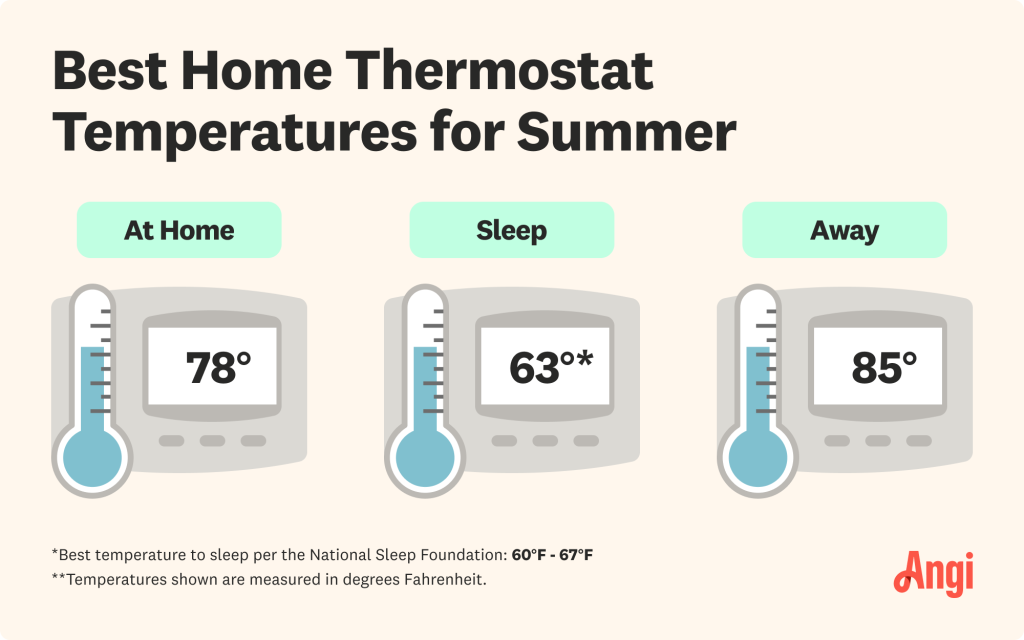
- Set your thermostat to 78°F when you are home.
- Increase temperature by 7-10°F when away.
- Use a programmable thermostat for automatic changes.
- Keep doors and windows closed to keep cool air inside.
- Use fans to help air circulate and feel cooler.
Seasonal Adjustments
Change your AC temperature based on the season. This keeps your home comfortable and saves energy.
- In summer, keep the thermostat between 75°F and 78°F.
- In spring and fall, use higher settings near 78°F.
- In winter, turn off AC and use heating if needed.
Credit: heatable.co.uk
Factors Influencing Ideal Temperature
Setting the right temperature for your air conditioner depends on many things. It is not the same for every room or person.
Understanding these factors helps you choose a comfortable and energy-saving temperature.
Room Size And Insulation
The size of your room changes how cool it feels. Bigger rooms need more cooling power. Good insulation keeps the cold air inside.
Poor insulation lets heat in, so the air conditioner works harder. This affects the ideal temperature you should set.
- Small rooms cool faster and keep temperature well
- Large rooms need lower temperatures or stronger AC units
- Good insulation helps maintain steady coolness
- Bad insulation causes uneven temperature and energy waste
Outdoor Climate Impact
The weather outside changes how your room feels inside. Hot and humid days need cooler AC settings.
Cool or dry weather means you can set the AC at a higher temperature and still feel comfortable.
- Hot climates require lower AC temperatures
- Humid air feels warmer, needing more cooling
- Cool climates allow for higher AC settings
- Season changes affect ideal temperature choices
Occupant Preferences
People feel temperature differently. Some like it cooler, others warmer. Age and health can change comfort levels.
Adjust your AC settings based on who is using the room to keep everyone happy.
- Children and elderly may prefer warmer settings
- Active people might want cooler air
- Health conditions can affect temperature comfort
- Personal habits change ideal temperature needs
Health And Comfort Considerations
Setting the right temperature on your air conditioner keeps you healthy and comfortable. It helps avoid problems like colds or dry skin.
Good temperature control also improves your home’s air quality and humidity. This creates a better living space for everyone.
Avoiding Overcooling
Too cold air can cause body aches and breathing issues. It can also make your energy bills higher.
- Keep the temperature between 72°F and 78°F (22°C to 26°C).
- Use a fan to help spread cool air evenly.
- Set the air conditioner off when rooms are empty.
Humidity Control
Air conditioners help reduce indoor humidity. This stops mold and dust mites from growing.
| Humidity Level | Comfort Impact |
| Below 30% | Dry skin and throat irritation |
| 30% to 50% | Ideal for comfort and health |
| Above 50% | Risk of mold and allergies |
Air Quality Effects
Clean air reduces the chance of allergies and sickness. Air conditioners filter dust and pollen from the air.
Tips to improve air quality with your AC:
- Change or clean filters every 1-3 months.
- Keep vents and ducts clean and clear.
- Use air purifiers if needed for sensitive individuals.
Energy Savings And Cost Impact
Choosing the right temperature for your air conditioner saves energy and lowers bills. Setting the ideal temperature keeps your home comfortable without wasting power.
Small changes in temperature can make a big difference in how much you spend on cooling. Smart choices help reduce your environmental impact too.
Setting Temperatures For Savings
Setting your air conditioner to the right temperature can cut energy use. Experts recommend keeping it at 78°F (25.5°C) when you are home.
- Set temperature higher when no one is home
- Use fans to help cool rooms
- Close curtains to block sunlight
- Avoid setting the temperature too low
- Adjust settings based on outside weather
Smart Thermostat Benefits
Smart thermostats adjust the temperature automatically to save energy. They learn your schedule and cool your home only when needed.
| Feature | Benefit |
| Auto temperature adjustments | Reduces energy waste |
| Remote control | Convenience and control |
| Energy reports | Helps track usage |
| Integration with other devices | Improves home comfort |
Maintenance For Efficiency
Regular maintenance keeps your air conditioner running well and saves money. Clean filters and check for leaks often to keep it efficient.
- Clean or replace air filters every 1-3 months
- Inspect ducts for leaks and seal them
- Clear debris around outdoor units
- Schedule professional tune-ups yearly
- Check thermostat settings for accuracy
Special Situations
Setting the right air conditioner temperature matters in special situations. Different needs require different settings.
This guide covers sleeping, office spaces, and the needs of children and elderly people.
Sleeping Temperature Settings
During sleep, cooler temperatures help you rest better. The ideal temperature is usually between 65 and 70°F (18 to 21°C).
- Keep the room cool but not cold to avoid discomfort.
- Avoid setting the AC too low to prevent dry skin.
- Use a fan or light blanket for extra comfort.
Office And Commercial Spaces
In offices, the temperature should keep workers comfortable and focused. The range is usually from 72 to 76°F (22 to 24°C).
| Time of Day | Recommended Temperature (°F) | Recommended Temperature (°C) |
| Morning | 74 | 23 |
| Afternoon | 76 | 24 |
| Evening | 72 | 22 |
Children And Elderly Needs
Children and elderly people are more sensitive to temperature changes. Their rooms should be cooler but safe.
- Keep the temperature between 68 and 72°F (20 to 22°C).
- Check regularly for signs of discomfort or chills.
- Avoid sudden temperature drops to protect health.

Credit: www.healthkart.com

Credit: evidencenetwork.ca
Frequently Asked Questions
What Is The Best Temperature Setting For Ac?
The ideal AC temperature is around 24-26°C (75-78°F). It balances comfort and energy efficiency. Setting AC too low wastes energy and raises bills.
Why Avoid Setting Ac Below 22°c?
Setting AC below 22°C causes unnecessary energy consumption. It strains the unit and raises electricity costs. Maintaining moderate temperature saves money and extends AC lifespan.
How Does Room Temperature Affect Ac Efficiency?
Higher room temperature makes AC work harder, consuming more power. Keeping doors and windows closed improves cooling efficiency. Proper insulation helps maintain the ideal temperature longer.
Can Adjusting Ac Temperature Save Energy?
Yes, setting AC at 24-26°C reduces energy use. Using a programmable thermostat optimizes cooling times. This saves electricity and lowers utility bills without sacrificing comfort.
Conclusion
Setting your air conditioner to the right temperature saves energy and money. The ideal range keeps you cool without wasting power. Aim for a balance between comfort and efficiency. Adjust settings based on the weather and your activity. Small changes make a big difference in bills and comfort.
Keep your home fresh and avoid extreme cold or heat. Remember, a smart temperature helps both you and the environment. Stay comfortable all year with simple, smart AC settings.