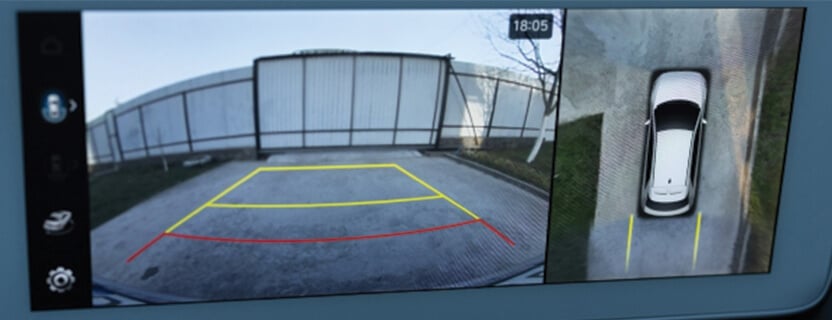
Imagine parking your car with complete confidence, even in the tightest spots. How?
Thanks to the 360 camera system on your vehicle. But have you ever wondered how this smart technology actually works? Understanding how a 360 camera works on cars can change the way you drive, making every maneuver safer and easier.
You’ll discover the simple secrets behind this powerful tool and how it helps protect you, your passengers, and your car. Keep reading to unlock the full potential of your car’s 360 camera system.

Credit: www.ebay.com
Basics Of 360 Cameras
360 cameras on cars give drivers a full view around their vehicle. They help to see blind spots and park safely.
These cameras use several small cameras placed around the car. The images combine to create a single, wide view.
Core Components
360 camera systems have key parts that work together. These parts capture and process the images.
- Multiple wide-angle cameras placed around the car
- A central processing unit to handle image data
- Software to merge images into one view
- A display screen inside the car for the driver
The cameras usually sit in the front, back, and sides of the car. They capture different angles at the same time.
Image Stitching Process
The image stitching process combines photos from all cameras. It makes one seamless, 360-degree picture.
The software corrects lens shapes and matches edges. This removes overlaps and gaps in the final image.
- Collect images from each camera
- Correct lens distortion
- Align images by matching edges
- Blend images smoothly together
- Show the final image on the car’s screen

Credit: www.moneycontrol.com
Types Of 360 Camera Systems
360 camera systems help drivers see all around their cars. These systems use cameras placed at different spots.
There are different types of 360 camera setups. Some use one lens, while others use many lenses. Also, some systems connect with wires, and others work wirelessly.
Single Lens Vs Multi-lens
Single lens cameras use one camera to capture the view. They often need to move or rotate to see all sides.
Multi-lens systems use several cameras placed around the car. Each lens captures a different angle at the same time.
- Single lens cameras are simpler and cheaper.
- Multi-lens cameras give a full, real-time 360 view.
- Multi-lens setups reduce blind spots better than single lens.
- Single lens cameras may have delays when rotating to capture views.
Wired And Wireless Setups
Wired 360 camera systems use cables to connect the cameras to the car’s display. These wires provide steady power and video signals.
Wireless setups send video signals without cables. They use Wi-Fi or Bluetooth to connect cameras and display units.
- Wired systems are more reliable and stable.
- Wireless systems are easier to install and move.
- Wired cameras need careful cable routing inside the car.
- Wireless cameras may face interference or signal loss.
Installation In Vehicles
Installing a 360 camera on a car helps drivers see all around their vehicle. The system uses several cameras placed on the car’s body. These cameras capture images that are combined into one view.
Proper installation is important for the system to work well. The cameras must be set in the right spots and linked to the car’s main computer.
Camera Placement
Cameras are usually placed at key points on the car to cover all angles. This includes the front, back, and both sides of the vehicle. Each camera must have a clear, unobstructed view.
- Front camera near the grille or bumper
- Rear camera above or near the license plate
- Side cameras under side mirrors or on door panels
- Sometimes cameras are hidden for a clean look
Each camera is fixed securely to avoid shaking. Good placement helps the system create a smooth, complete image around the car.
Integration With Car Systems
The 360 camera system connects to the car’s existing electronics. It sends video to the car’s display screen for the driver to see. The system also works with sensors and parking aids.
Wiring is done carefully to link cameras with the vehicle’s computer. Software inside the car processes the images and shows a combined view. The system may turn on automatically when parking or reversing.
- Connects to the car’s display screen
- Works with parking sensors and alerts
- Uses the car’s power supply for cameras
- Software stitches images for a single view
- Activates during parking or low speeds
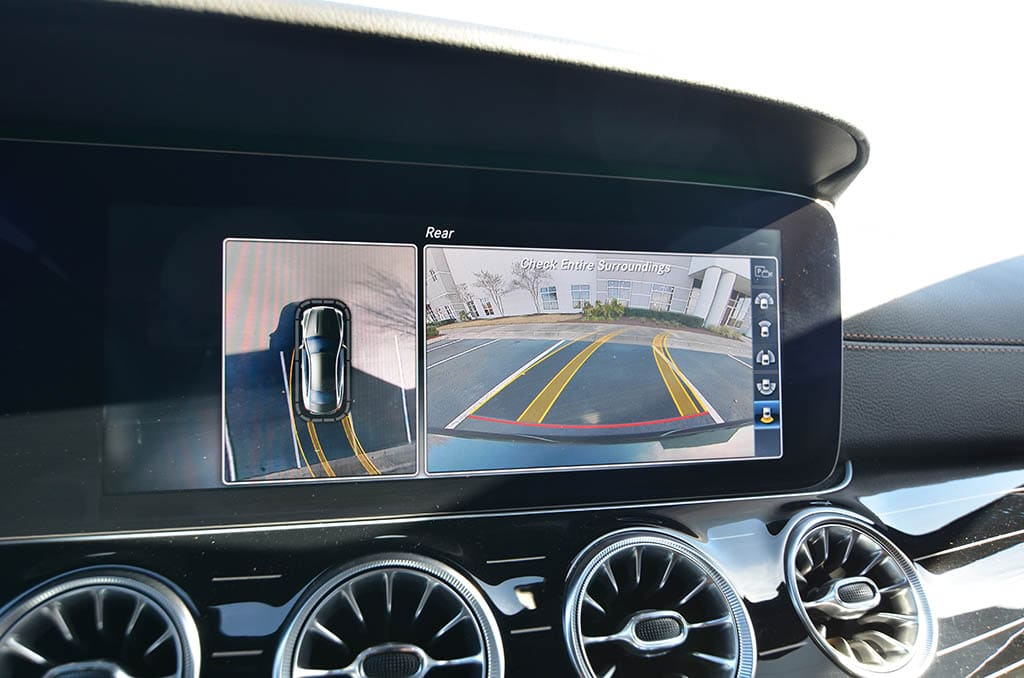
Credit: www.motorist.co.th
Real-time Image Processing
The 360 camera on cars captures images from multiple angles at once. It processes these images in real time to create a clear, combined view around the vehicle.
This real-time processing helps drivers see obstacles and surroundings instantly. It improves safety and makes parking or driving easier.
Software Algorithms
Software algorithms combine images from different cameras into one seamless view. They correct distortions and adjust lighting for clear pictures.
- Stitch images from four or more cameras
- Remove blind spots by blending overlapping views
- Enhance image clarity using noise reduction
- Adjust colors and brightness for consistency
- Detect objects and alert the driver
Latency And Frame Rate
Latency is the delay between capturing and displaying images. Frame rate is how many images show per second. Both affect the camera’s performance.
| Factor | Effect | Ideal Range |
|---|---|---|
| Latency | Lower delay means quicker response | Less than 100 milliseconds |
| Frame Rate | Smoother video with higher frames | 20 to 30 frames per second |
Benefits For Drivers
The 360 camera on cars gives drivers a full view around the vehicle. It uses multiple cameras to create a bird’s-eye view.
This helps drivers see blind spots and obstacles. It makes driving safer and easier in many situations.
Enhanced Safety
The 360 camera helps drivers avoid accidents. It shows areas that mirrors cannot cover well.
Drivers can see pedestrians, cyclists, and objects near the car. This reduces the risk of collisions.
- Detects blind spots around the car
- Shows obstacles near wheels and bumpers
- Improves awareness in tight spaces
- Helps drivers make safer lane changes
Parking Assistance
The 360 camera makes parking simpler and faster. It gives a clear view of parking lines and nearby cars.
Drivers can see how much space they have on all sides. This lowers the chance of hitting objects or other vehicles.
- Shows space around the car for easy parking
- Helps fit into tight spots safely
- Reduces stress when parking in busy areas
- Assists with parallel and reverse parking
Challenges And Limitations
360 cameras on cars help drivers see all around their vehicle. They use several cameras to create a full view. Despite their benefits, these cameras face some challenges and limits. These can affect how well they work in real life.
Understanding these problems helps drivers know what to expect. It also shows why the system may not always be perfect.
Weather Impact
Weather can change how well 360 cameras work on cars. Rain, snow, fog, and dirt can block the camera lenses. This makes the images blurry or hard to see.
Cold weather can cause ice to form on the cameras. This stops them from capturing clear pictures. Drivers may miss important details around the car.
- Rain drops can blur camera lenses
- Snow and ice may cover cameras
- Fog lowers camera visibility
- Dirt and mud can block camera views
Image Distortion Issues
360 cameras use wide-angle lenses to capture a large area. These lenses can cause image distortion, bending straight lines. This can make objects look farther or closer than they really are.
Stitching images from different cameras can create mismatches. This may result in blurry spots or wrong edges. These problems make it hard to judge distances accurately.
- Wide-angle lenses bend straight lines
- Images from multiple cameras may not fit perfectly
- Blurry or warped images can confuse drivers
- Distance estimation may become less reliable
Future Trends In 360 Camera Tech
360 cameras in cars help drivers see all around their vehicle. They make parking and driving safer. This technology is improving fast.
Future trends will bring smarter and clearer cameras. These changes will help drivers even more.
Ai Integration
Artificial intelligence (AI) helps 360 cameras understand their surroundings. AI can detect objects like pedestrians and other cars.
With AI, cameras can warn drivers about dangers. They can also guide parking by predicting space size and obstacles.
- Detects moving objects in real time
- Alerts driver to hidden dangers
- Assists with automatic parking
- Improves image stitching for smooth views
Higher Resolution Sensors
Higher resolution sensors capture sharper and clearer images. This helps drivers see small details around the car.
Better image quality improves safety. It also helps AI work more accurately by providing clearer data.
- More pixels for clearer images
- Improved night vision and low light use
- Better zoom and detail detection
- Supports advanced driver assistance systems
Frequently Asked Questions
How Does A 360 Camera Capture Car Surroundings?
A 360 camera uses multiple wide-angle lenses around the car. It stitches images to create a seamless bird’s-eye view. This helps drivers see all sides clearly, improving safety and parking precision.
What Technology Powers 360 Cameras In Cars?
360 cameras use fisheye lenses, image processing software, and sensors. These components combine to provide real-time, 360-degree visuals. Advanced algorithms stitch images for a smooth, complete view around the vehicle.
How Does A 360 Camera Improve Driving Safety?
It eliminates blind spots by showing a full view around the car. This reduces collision risks during parking or lane changes. Drivers gain better spatial awareness, enhancing overall road safety.
Can 360 Cameras Work In Low Light Or Night?
Yes, many 360 cameras feature night vision or low-light sensors. These enable clear images even in dark conditions. This ensures continuous safety and visibility during nighttime driving.
Conclusion
The 360 camera helps drivers see all around their car. It uses several cameras to create one clear view. This view shows obstacles and helps park safely. Many cars now include this helpful feature. It makes driving in tight spaces easier and safer.
Understanding how it works can improve your driving skills. This technology adds extra confidence on the road. It is a useful tool for everyday driving. Try to notice how it helps next time you drive. Simple but effective.