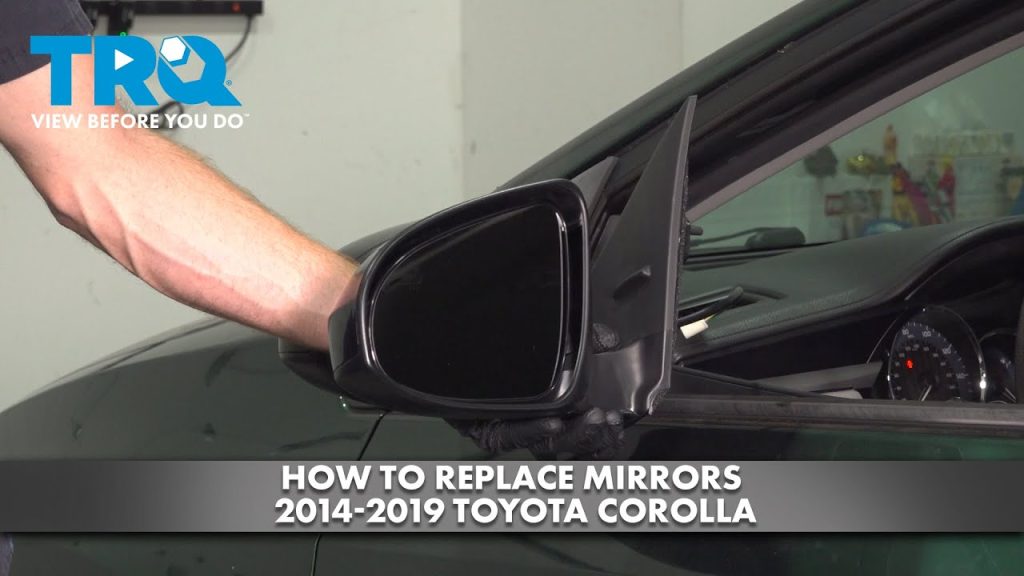
Have you ever noticed how a small crack or loose car mirror can make driving stressful and unsafe? Fixing or installing a new car mirror might seem tricky, but it’s easier than you think.
In this guide, you’ll learn simple steps to install your car mirror quickly and confidently. Whether you want to save money or just get it done yourself, this article will give you clear, practical tips to get the job done right.
Keep reading—you’re just moments away from making your car safer and your drives smoother.

Credit: www.youtube.com
Tools And Materials Needed
Installing a car mirror requires some basic tools and materials. Having everything ready makes the job easier and faster.
Use the right tools to avoid damage and ensure the mirror fits well. Below are the essential items you need.
Replacement Car Mirror
First, you need the correct replacement mirror for your car model. This can be a side mirror or rearview mirror.
Make sure the mirror matches the shape and size of your old one for a perfect fit.
Screwdrivers
Screwdrivers help remove screws holding the old mirror. You may need both flathead and Phillips types.
- Flathead screwdriver for simple screws
- Phillips screwdriver for cross-shaped screws
Socket Wrench Set
A socket wrench set helps remove bolts that hold the mirror. It fits different bolt sizes and provides good grip.
Adhesive Or Mounting Tape
Some mirrors use adhesive or mounting tape to stay in place. Use strong tape that works on glass and metal surfaces.
Check if your replacement mirror includes adhesive or if you need to buy it separately.
Cleaning Materials
Clean the area before installing the new mirror. Use rubbing alcohol and a clean cloth to remove dirt and grease.
Clean surfaces help adhesive stick better and improve mirror stability.
Protective Gloves
Wear gloves to protect your hands from sharp edges or glass pieces. Gloves also keep the mirror clean.
Plastic Pry Tool
A plastic pry tool helps remove the mirror cover or trim without scratching your car. It is safer than metal tools.
Use the pry tool gently to avoid breaking clips or paint damage.

Credit: www.youtube.com
Preparing The Car Mirror
Installing a new car mirror starts with careful preparation. You need to get the old mirror off and clean the area well.
This helps the new mirror fit securely and work properly without any issues later.
Removing The Old Mirror
First, remove the old mirror carefully to avoid damage. Follow these steps to do it safely.
- Use a screwdriver or trim removal tool to loosen any screws or clips holding the mirror.
- Gently pull the mirror away from the car door or windshield mount.
- If the mirror has wires, disconnect them by unplugging the connectors.
- Set the old mirror aside in a safe place to avoid breaking it.
Cleaning The Mounting Area
Clean the mounting area before attaching the new mirror. Dirt or old glue can stop the mirror from sticking well.
| Cleaning Material | Purpose |
| Rubbing alcohol or glass cleaner | Remove dirt and grease |
| Soft cloth or paper towel | Wipe the surface clean |
| Plastic scraper or old credit card | Remove old glue or adhesive |
Aligning The New Mirror
Aligning the new car mirror correctly is important for safety. A well-aligned mirror helps you see the road clearly.
Take your time to position the mirror before tightening it. This will reduce blind spots and improve driving comfort.
Position The Mirror Base
First, place the mirror base on the car door or frame. Make sure it fits the mounting area without gaps.
The base must sit flat to hold the mirror steady. Check that all screw holes line up properly.
Adjust The Mirror Angle
Move the mirror glass to see the correct angle. The mirror should show the side of your car and the road behind.
Use small movements to avoid over-adjusting. The mirror should give a wide view but not show too much of your car.
- Look for your car’s side edge in the mirror
- Check the road lanes next to your car
- Adjust until you see both clearly
Tighten The Mounting Screws
Hold the mirror steady in the right position. Tighten the screws to secure the mirror base firmly.
Do not overtighten the screws. This can crack the mirror base or damage the mounting points.
- Use a screwdriver that fits the screws well
- Tighten screws evenly to avoid warping
- Test mirror stability after tightening
Check Mirror Movement
Test the mirror’s movement after installation. It should move smoothly with manual or electronic controls.
If the mirror does not move properly, loosen the screws slightly. Adjust and retighten to fix alignment.
- Move the mirror up, down, left, and right
- Listen for any unusual noises
- Ensure the mirror stays in place when adjusted
Attaching The Mirror Securely
Attaching a car mirror firmly is important for safety. A loose mirror can fall off while driving. This guide shows how to fix the mirror using adhesive or screws.
After attaching, checking the mirror’s stability ensures it stays in place. Follow the steps carefully for best results.
Using Adhesive Or Screws
Choose the right method based on your mirror type. Adhesive works well for smooth surfaces. Screws give a stronger hold for some mirrors.
- Clean the mirror base and car surface before attaching.
- If using adhesive, apply it evenly on the mirror base.
- Press the mirror firmly on the car surface for several minutes.
- If using screws, mark the drill points accurately.
- Drill small pilot holes to avoid cracking the surface.
- Screw the mirror tightly but avoid over-tightening.
Checking For Stability
After attaching the mirror, test its strength. It should not move when touched or shaken gently.
| Test | What to Check | Result Needed |
| Push Test | Push mirror inward and outward | No movement |
| Shake Test | Shake mirror side to side | Firm hold |
| Visual Check | Look for gaps or loose edges | None visible |
Connecting Electrical Components
Installing a car mirror with electrical features needs careful connection of wires. This guide helps you connect the electrical parts safely and correctly.
Follow simple steps to wire the power mirror and test its functions. This ensures the mirror works well after installation.
Wiring The Power Mirror
First, find the power mirror wiring harness in your car. This harness sends electricity to the mirror’s motor and heater.
Match the wires by color and function. Connect the mirror wires to the car’s wiring harness using connectors or by soldering.
- Turn off the car’s battery before starting
- Use wire strippers to expose wire ends
- Match wire colors carefully
- Use electrical tape or heat shrink to cover connections
- Secure wires to prevent movement
Testing Mirror Functions
After wiring, turn on the car’s battery to test the mirror. Check if the mirror moves in all directions using the control switch.
Also test the heating feature if your mirror has one. Make sure all functions respond correctly and there are no loose wires.
- Turn the ignition on
- Use the mirror control switch to move the mirror
- Check for smooth movement without noise
- Turn on the mirror heater and feel for warmth
- Inspect wiring for any sparks or loose ends
Adjusting The Mirror Angle
Adjusting the mirror angle is important for safe driving. A good angle helps you see cars behind and beside you.
Proper adjustment reduces blind spots and improves your view of the road. It also makes driving easier and safer.
Sit In Your Normal Driving Position
Sit comfortably in the driver’s seat. Adjust your seat and steering wheel as you usually do before moving the mirror.
This position helps you set the mirror angle correctly for your height and posture. It gives a clear view of the road behind.
Adjust The Side Mirrors
Use the mirror controls or move the mirror by hand if it is manual. Tilt the mirror until you see the side of your car.
The side of your car should appear only slightly in the mirror. This helps you see cars in the next lane and reduces blind spots.
- Lean your head toward the car window
- Adjust the left mirror to see the side of your car
- Move your head to the center of the car
- Adjust the right mirror the same way
Set The Rearview Mirror
Look into the rearview mirror and tilt it to see the entire rear window. This gives you a clear view directly behind the car.
Make sure the mirror shows as much of the back window as possible. Avoid angles that show your head or seat more than the road.
Check Mirror Angles While Driving
Once you start driving, check your mirrors often. Adjust them if you notice blind spots or unclear views.
Safe driving means you can quickly see cars in your blind spots and behind you. Keep your mirrors clean and clear for the best view.
Final Safety Checks
After installing a car mirror, safety checks are important. These checks ensure the mirror is secure and works well.
Performing final checks helps prevent accidents and keeps your driving safe.
Check Mirror Stability
Make sure the mirror does not move or shake. A loose mirror can fall off while driving.
Try to gently push and pull the mirror to test its hold.
Verify Mirror Position
Adjust the mirror to give a clear view of the road behind you. The mirror should cover blind spots.
Check the angle from your normal driving position and adjust as needed.
Test Mirror Functions
If the mirror has electrical features, test them. This includes heating, dimming, or motorized adjustments.
Make sure all buttons work and the mirror responds quickly.
Inspect For Obstructions
Look around the mirror for any parts that block your view. Remove any stickers or dirt that may reduce visibility.
- Clean the mirror surface
- Clear any objects near the mirror
- Ensure no wires hang loosely
Confirm Safety Compliance
Check that the mirror meets local safety rules. Some areas require specific mirror sizes or shapes.
Use your vehicle manual or local laws as a guide to confirm compliance.

Credit: www.youtube.com
Frequently Asked Questions
How Do I Remove The Old Car Mirror Safely?
To remove an old car mirror, first disconnect the battery. Use a screwdriver to remove screws or clips holding the mirror. Gently detach the mirror from the mount, avoiding damage to the door or wiring.
What Tools Are Needed To Install A Car Mirror?
Basic tools include a screwdriver, socket wrench, and trim removal tool. You might also need electrical tape and replacement clips. Having these tools ready makes the installation process smoother and faster.
Can I Install A Car Mirror Myself At Home?
Yes, with basic tools and instructions, you can install a car mirror at home. Follow safety steps, disconnect the battery, and handle wiring carefully. DIY installation saves money and gives you control over the process.
How Do I Align The New Car Mirror Correctly?
Adjust the mirror by sitting in the driver’s seat and moving it until you see the rear side clearly. Ensure minimal blind spots by fine-tuning the angle. Proper alignment improves safety and driving comfort.
Conclusion
Installing a car mirror can be simple with the right steps. Take your time and follow each instruction carefully. Double-check the mirror’s position before tightening screws. A properly installed mirror improves safety while driving. Practice patience, and you will see good results.
This small task saves money and adds convenience. Remember, clear views help prevent accidents. Keep your car mirrors clean and adjusted regularly. Enjoy the confidence of better road visibility every day.