
Have you ever wondered why your air conditioner suddenly stops working? One common culprit might be a blown fuse.
But where exactly is the air conditioner fuse located? Knowing this simple detail can save you time, frustration, and even money on repairs. You’ll discover the exact spot to check when your AC isn’t powering up. Keep reading, and you’ll gain the confidence to troubleshoot your air conditioner like a pro.
Common Fuse Locations
Finding the fuse for your air conditioner can help you fix power issues. Fuses protect the system from electrical damage. They can be in different places depending on your setup.
Knowing where to look saves time and keeps you safe. Here are the common places where air conditioner fuses are found.
Inside The Air Conditioner Unit
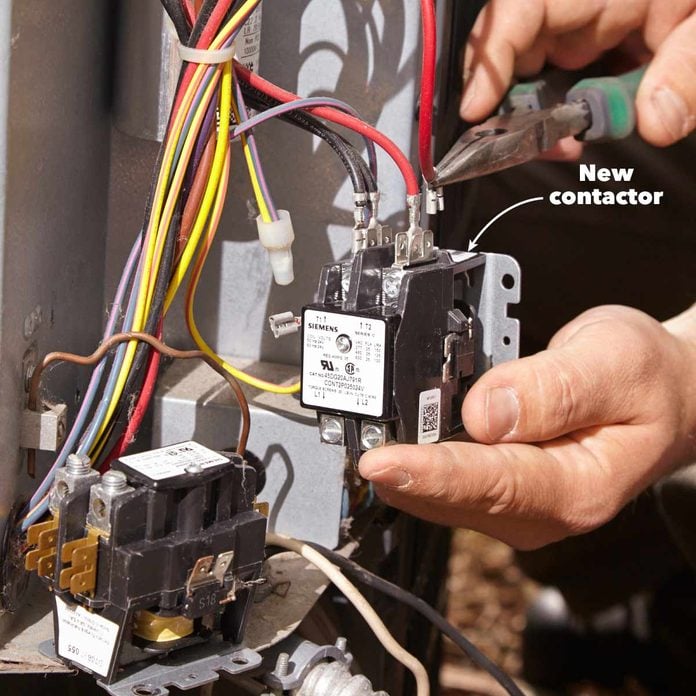
The fuse may be inside the outdoor air conditioner unit. It is usually near the compressor or control board. You need to open the unit’s metal cover to check.
- Turn off the power before opening the unit.
- Look for a small fuse holder or fuse block.
- The fuse looks like a glass tube or a blade type.
- Replace only with the same fuse rating.
Main Electrical Panel
The main electrical panel often holds fuses or breakers for your whole house. The air conditioner fuse may be inside this panel if it uses fuses instead of breakers.
| Location | Description |
| Main Panel Door | Fuses or breakers labeled for HVAC or AC |
| Inside Panel Box | Fuse holders with glass or cartridge fuses |
| Panel Label | Check for specific fuse ratings for the AC unit |
Fuse Box Near The Hvac System
Some homes have a separate fuse box close to the HVAC system. This box protects the air conditioner and heating parts.
Here is what you might find in this fuse box:
- Fuses marked “AC” or “Compressor”
- Fuse sizes from 10 to 30 amps
- Sometimes a fuse and a disconnect switch together
Identifying The Right Fuse
The air conditioner fuse protects the unit from electrical damage. It stops power if the AC draws too much current. Finding the correct fuse helps keep the AC safe and working well.
Not all fuses are the same. You must know where to look and what type fits your AC unit. This guide helps you identify the right fuse for your air conditioner.
Types Of Fuses Used In Ac Units
Air conditioners use different fuses depending on their design and power needs. The most common types are blade fuses, cartridge fuses, and glass tube fuses.
- Blade Fuses:Small plastic cases with metal blades, easy to replace.
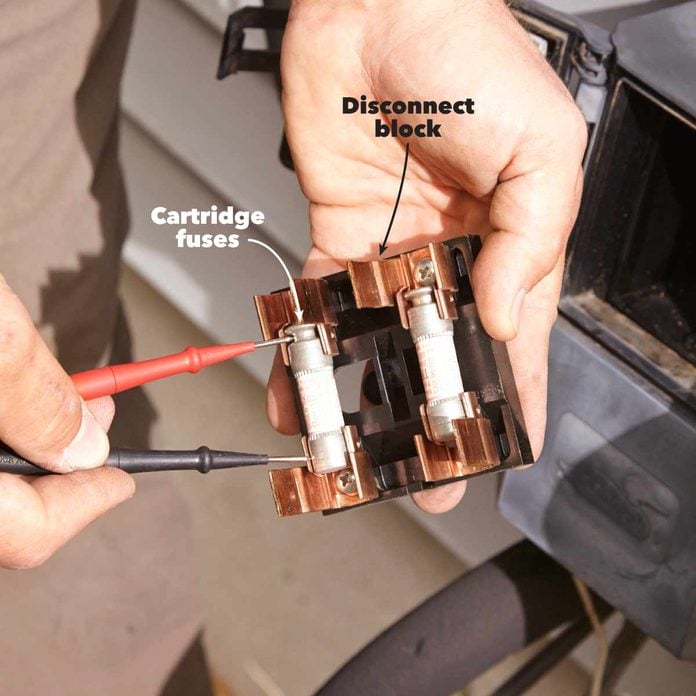
- Cartridge Fuses:Cylindrical and often found in larger AC units.
- Glass Tube Fuses:Transparent tubes that let you see if the fuse is blown.
Knowing the type helps you buy the right replacement and avoid damage to your AC.
Fuse Ratings And Labels
Fuses come with ratings that show their limits. These include the current rating in amps and the voltage rating. Labels help you match the fuse to your AC unit’s needs.
- Current Rating (Amps):Shows the maximum current the fuse can handle before it blows.
- Voltage Rating (Volts):Indicates the maximum voltage the fuse can safely handle.
- Speed Rating:Fast-acting fuses blow quickly, slow-blow fuses tolerate brief power surges.
- Manufacturer Label:Brand and part number help find exact matches.
Always check these ratings on the fuse or in the AC manual. Using the wrong fuse can cause damage or unsafe conditions.
Tools Needed For Inspection
Finding the air conditioner fuse requires some basic tools. These tools help you check the fuse safely and correctly.
Using the right tools makes the inspection easier and prevents damage to your AC or yourself.
Basic Electrical Tools
You need a few simple tools to inspect the air conditioner fuse. These tools test if the fuse is working well.
- Multimeter: Measures electrical current and voltage
- Screwdriver: Opens fuse box or panel covers
- Fuse Puller: Helps remove the fuse safely
- Flashlight: Provides light in dark spaces
Having these tools ready helps you check the fuse without trouble.
Safety Gear
Safety gear protects you from electrical shocks and injuries during inspection.
- Insulated Gloves: Keep your hands safe from electricity
- Safety Glasses: Protect your eyes from sparks or debris
- Non-slip Shoes: Prevent slips when working around electrical parts
- Protective Clothing: Covers your body to avoid burns or cuts
Always wear safety gear to stay safe while checking your air conditioner fuse.
Credit: www.familyhandyman.com
Step-by-step Fuse Check
Checking the air conditioner fuse is important when your unit is not working. A blown fuse can stop the AC from turning on. You can find and test the fuse yourself with some simple steps.
This guide will show you how to safely turn off power, access the fuse, and test it for damage.
Turning Off The Power
Before checking the fuse, turn off the power to your air conditioner. This prevents electric shock and damage to your unit.
- Find your home’s main electrical panel.
- Look for the breaker labeled for the air conditioner.
- Switch the breaker to the OFF position.
- Use a voltage tester to confirm the power is off.
Accessing The Fuse
The fuse is usually inside the air conditioner’s disconnect box or at the main electrical panel. You may need a screwdriver to open the fuse cover.
- Locate the disconnect box near the outdoor AC unit.
- Open the box by removing screws or lifting a cover.
- Find the fuse holder inside the box.
- Carefully remove the fuse for testing.
Testing The Fuse
Use a multimeter to test the fuse. This tool checks if the fuse is still good or blown.
| Multimeter Setting | What to Check | Result Meaning |
|---|---|---|
| Continuity or Ohms | Touch probes to fuse ends | Low or zero reading means fuse is good |
| Continuity or Ohms | Touch probes to fuse ends | No reading or infinite means fuse is blown |
Replacing A Blown Fuse
When your air conditioner stops working, a blown fuse may be the cause. Knowing where the fuse is and how to replace it can save time and money.
This guide explains how to choose the right fuse and install it safely.
Choosing The Correct Replacement
Selecting the right fuse is important for your air conditioner’s safety. Using the wrong fuse can cause damage or fire risk.
- Check the fuse rating on your old fuse or in the user manual.
- Match the amperage and voltage exactly.
- Use only fuses made for air conditioners.
- Do not use a fuse with a higher rating than recommended.
- Consider buying fuses from trusted brands or suppliers.
Proper Installation Tips
Installing the fuse correctly ensures your air conditioner works well and stays safe.
| Installation Step | Instructions |
| Turn off power | Switch off the air conditioner and unplug it before starting. |
| Locate the fuse | Find the fuse box near the air conditioner or in the main panel. |
| Remove old fuse | Use a fuse puller or carefully pull out the blown fuse. |
| Insert new fuse | Place the new fuse firmly into the slot matching the old one. |
| Restore power | Plug in and turn on the air conditioner to test. |

Credit: www.reddit.com
Preventing Future Fuse Issues
Knowing where the air conditioner fuse is located helps in quick fixes. Preventing fuse problems saves time and money.
Regular care and avoiding electrical stress keep your AC fuse safe. Follow simple tips to stop fuse damage.
Regular Maintenance
Check the air conditioner fuse and related parts often. Clean dust and dirt from the fuse box to avoid shorts.
Replace worn wires and loose connections quickly. Good maintenance stops fuse from blowing too soon.
- Inspect fuse box every 3 months
- Keep the fuse area dry and clean
- Replace damaged wires on time
- Use a multimeter to test fuse health
Avoiding Electrical Overloads
Do not plug too many devices into one outlet. Overloads cause the fuse to blow and stop your AC.
Use the right fuse size for your air conditioner. A fuse too small or too large can cause problems.
- Check the fuse rating in the AC manual
- Limit other appliances on the same circuit
- Use surge protectors to guard the system
- Turn off unused devices to reduce load
Credit: www.familyhandyman.com
Frequently Asked Questions
Where Is The Air Conditioner Fuse Located?
The air conditioner fuse is usually in the main electrical panel or the AC disconnect box near the unit. It protects the system from power surges and prevents damage.
How To Find The Ac Fuse In The Breaker Box?
Look for a fuse labeled “AC” or “Air Conditioner” in the breaker box. It may be a cartridge or blade type fuse specifically for the AC unit.
Can The Ac Fuse Be Inside The Outdoor Unit?
Yes, many outdoor AC units have a fuse or circuit breaker inside the disconnect box attached to the unit. This fuse protects the compressor and fan motor.
What Happens If The Ac Fuse Blows?
A blown AC fuse cuts power to the air conditioner, causing it to stop working. It usually indicates an electrical issue or overload in the system.
Conclusion
Finding your air conditioner fuse is crucial for quick fixes. Always check your car’s manual first. It often provides exact fuse locations. Typically, the fuse box is under the hood or dashboard. Open it carefully. Look for the diagram inside the cover.
This helps identify the air conditioner fuse. Regular checks prevent bigger problems. Replace any damaged fuses immediately. Ensure your air conditioner runs smoothly. Remember, safety first. If unsure, consult a professional. They can help with complex issues. Keep your car cool and comfortable always.
Regular maintenance makes a big difference. Stay cool and drive safely!