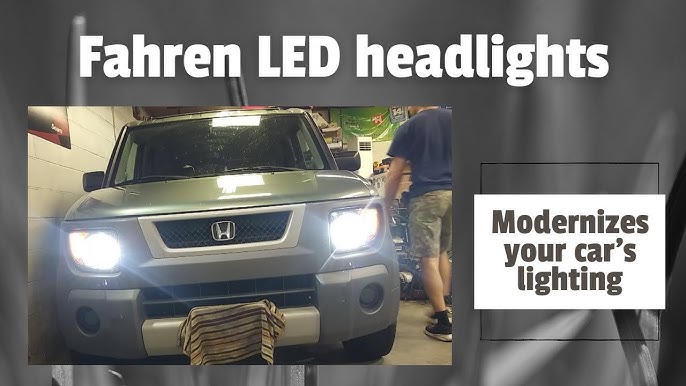
Are you thinking about upgrading your car’s headlights to LED? You might wonder, “Can I put LED headlights in any car?” The idea of brighter, clearer lights sounds great, but there’s more to it than just swapping bulbs.
Your car’s make, model, and electrical system all play a role in whether LED headlights will work smoothly or cause problems. Keep reading to find out what you need to know before making the switch. This way, you can avoid costly mistakes and enjoy safer, better night driving.
Led Headlight Basics
LED headlights are a popular choice for car lighting. They use light-emitting diodes to create bright light.
This guide explains how LED headlights work and their benefits over old bulbs.
How Led Headlights Work
LED headlights create light by running electricity through a small chip. This chip glows brightly without heating much.
They use less power than traditional bulbs and last much longer. The light is focused and clear, helping drivers see better at night.
Benefits Of Led Over Traditional Bulbs
- LEDs use less energy, saving battery power.
- They last thousands of hours longer than halogen bulbs.
- LEDs provide brighter and whiter light for better visibility.
- They turn on instantly without warm-up time.
- LED headlights produce less heat, reducing damage to headlight parts.
Compatibility Factors
LED headlights offer many benefits, but not all cars can use them easily. You need to check several factors before installing LED headlights in your vehicle.
This guide covers key points about vehicle compatibility, headlight size, and electrical needs. These points help you decide if LED headlights will work for your car.
Vehicle Make And Model Considerations
Not every car model supports LED headlights. Some older cars use halogen bulbs only. Newer cars may have specific requirements for LED lights.
Check your car manual or contact the manufacturer to see if LED headlights fit your make and model. Compatibility varies by year and design.
Headlight Housing And Size
LED headlights come in different shapes and sizes. Your car’s headlight housing must match the LED bulb size to fit properly.
- Measure the headlight housing diameter
- Check the bulb type (e.g., H4, H7, 9005)
- Confirm the LED bulb fits without modification
- Ensure the beam pattern aligns with the housing design
Incorrect size or shape can cause poor light focus and glare for other drivers.
Electrical System Requirements
| Requirement | Details |
| Voltage Compatibility | LEDs need 12V systems like most cars, but check your car’s voltage |
| Wattage Differences | LEDs use less power, which can confuse some car sensors |
| CAN Bus System | Modern cars may need CAN bus adapters to avoid error codes |
| Wiring and Connectors | Some vehicles require special adapters for LED connectors |
Matching your car’s electrical system ensures LED headlights work correctly and safely.
Installation Challenges
Installing LED headlights in any car can be tricky. Some cars need extra care for proper fitting. Understanding the challenges helps in a smooth upgrade.
Common issues involve wiring, headlight aiming, and heat. Each of these needs attention to avoid damage and ensure good light performance.
Wiring And Connectors
LED headlights often require different wiring than traditional bulbs. Connectors might not match, causing installation problems. Some cars need adapters or rewiring.
- Check if LED connectors fit your car’s wiring
- Use adapters to join different connector types
- Consider professional help for complex wiring changes
- Test connections before final assembly to avoid shorts
Adjusting Headlight Aim
LED headlights often have different beam patterns. Incorrect aiming can blind other drivers or reduce visibility. Proper adjustment is critical for safety and legality.
| Adjustment Aspect | Details |
| Height | Set to match the car’s original headlight level |
| Side-to-Side | Aim to avoid glare and cover the road well |
| Tools Needed | Screwdriver or special aiming tool |
| Test | Check aim on a flat surface before driving |
Heat Management
LEDs produce heat in a small area. Cars must handle this heat to avoid damage. Poor heat management shortens LED life and can harm car parts.
To manage heat well:
- Use LED bulbs with built-in heat sinks or fans
- Ensure enough space around the headlight housing
- Check for ventilation in the headlight area
- Replace damaged seals to prevent moisture buildup
Legal And Safety Aspects
Installing LED headlights in a car can improve lighting and style. Before making changes, know the legal and safety rules. These rules vary by place and affect how safe your lights are for you and others.
This guide explains important points about laws, visibility, glare, and inspections for LED headlights.
Regulations By Region
Different countries and states have rules about LED headlights. Some allow them if they meet standards. Others forbid them if they change the car’s original lighting system.
- United States: LED headlights must be approved by the Department of Transportation (DOT).
- European Union: Headlights need ECE certification to be legal.
- Australia: LED lights must comply with Australian Design Rules (ADR).
- Canada: LED headlights require Transport Canada approval.
Impact On Visibility And Glare
LED headlights can make driving at night safer by improving visibility. They are brighter and last longer than traditional bulbs. But if not installed correctly, they can cause glare.
| Effect | Description |
| Improved Visibility | Brighter light helps see farther and clearer. |
| Glare Risk | Wrong angle or intensity can blind other drivers. |
| Eye Comfort | Proper LED setup reduces eye strain for drivers. |
Inspection And Approval
Cars with LED headlights often need inspection to pass safety checks. Authorities check if headlights meet brightness and angle rules. Approval is important to avoid fines and ensure safety.
Key inspection points include:
- Light color and brightness must match legal limits.
- Headlights should not dazzle other drivers.
- Proper installation and adjustment of LED units.
- Use of certified LED products recommended by law.
Expert Tips For Choosing Leds
Many car owners wonder if they can put LED headlights in any vehicle. The answer depends on several factors. Choosing the right LED headlights helps improve your driving safety and comfort.
This guide shares expert tips on selecting quality brands, matching beam patterns, and installation advice. These tips help you pick the best LEDs for your car.
Selecting Quality Brands
Quality brands offer reliable LED headlights that last longer. They use better materials and meet safety standards. Cheap LEDs may fail quickly or cause glare for other drivers.
Look for brands that provide warranty and good customer support. Check reviews to see how others rate their products. Quality brands often have certifications like DOT or ECE.
- Choose brands with proven reliability
- Check for safety certifications
- Read customer reviews before buying
- Prefer brands with warranty and support
Matching Beam Patterns
LED headlights must match your car’s original beam pattern. The beam pattern affects how light spreads on the road. A wrong pattern can blind other drivers or reduce your visibility.
Use LED bulbs designed for your car’s model and headlight type. Some cars use projector headlights; others use reflector headlights. Each needs a specific LED beam shape.
- Know your car’s headlight type
- Pick LEDs made for your vehicle
- Avoid mixing LED types in one car
- Test the beam pattern after installation
Professional Installation Advice
Installing LED headlights is not always plug-and-play. Some cars need extra adapters or wiring changes. Poor installation can cause flickering or damage to the electrical system.
Hire a professional if you are not sure about installation steps. They have the tools and knowledge to install LEDs correctly. Proper installation ensures your headlights work well and last longer.
- Check if adapters are needed
- Use professional help if unsure
- Test lights after installation
- Follow car and LED maker instructions

Credit: www.royalincarparts.com
Common Myths And Misconceptions
Many people wonder if LED headlights fit every car. There are several myths about their use and safety. Understanding the facts helps you make a better choice.
This article clears up common misunderstandings about LED headlights. It covers fitting issues, safety claims, and installation risks.
Leds Fit All Vehicles
Not all LED headlights fit every vehicle. Cars have different headlight shapes, sizes, and power needs. Using the wrong LED can cause poor light spread or damage.
- Some headlights need specific bulb types or sizes.
- LEDs may not match the socket or wiring in older cars.
- Improper fit can lead to glare for other drivers.
- Vehicle electronics might not support LED power requirements.
Leds Always Improve Safety
Many believe LED headlights make driving safer in all cases. This is not always true. Safety depends on correct installation and proper beam pattern.
| Myth | Reality |
| LEDs are brighter and safer | Brightness alone does not guarantee safety |
| LEDs reduce accidents | Wrong beam angle can blind others and cause hazards |
| All LEDs have good beam patterns | Only quality LEDs designed for the car provide proper light spread |
Diy Installation Risks
Installing LED headlights yourself can cause problems. It requires electrical knowledge and proper tools. Mistakes might lead to vehicle damage or safety issues.
- Incorrect wiring can blow fuses or damage electronics.
- Poor mounting may cause headlights to move or fail.
- Wrong adjustments affect visibility and can blind other drivers.
- Improper seals let moisture in, damaging the headlights.
- Some cars need coding or software updates for new lights.
Future Trends In Headlight Technology
Headlight technology is changing fast. New designs make driving safer and easier at night.
LED headlights are a big part of this change. They use less power and last longer than old bulbs.
Advancements In Led Tech
LED lights are getting brighter and more efficient. They can now adjust their beam to different road conditions.
New LED chips use less energy and create less heat. This helps headlights last much longer than before.
- Brighter light with less energy
- Longer lifespan than older bulbs
- Better heat management for durability
- Adaptive beam patterns for safety
Integration With Smart Systems
Smart headlights connect with car sensors and cameras. They can change light direction automatically to avoid blinding others.
These systems improve night driving by adjusting brightness and beam shape based on traffic and weather.
- Automatic beam adjustment
- Link to rain and light sensors
- Improve visibility without glare
- Work with driver assistance features
Environmental Impact
LED headlights use less power than traditional bulbs. This reduces the car’s overall energy use and emissions.
They also last longer, so fewer bulbs end up in landfills. This helps lower waste and pollution.
- Lower energy consumption
- Reduced greenhouse gas emissions
- Less frequent bulb replacements
- Decreased waste and pollution
Credit: www.youtube.com

Credit: www.youtube.com
Frequently Asked Questions
Can Led Headlights Fit Any Car Model?
LED headlights can fit most cars but require compatible sockets. Some vehicles may need adapters or wiring modifications for proper installation.
Are Led Headlights Legal For All Vehicles?
Legality varies by region and vehicle type. Always check local laws before installing LED headlights to ensure compliance and safety.
Do Led Headlights Improve Night Driving Visibility?
Yes, LED headlights provide brighter and clearer light. They enhance visibility and reduce eye strain during night driving.
Will Led Headlights Affect My Car’s Electrical System?
LEDs use less power and are efficient. However, some cars may need resistors to prevent flickering or error messages.
Conclusion
Not all cars fit LED headlights easily. Check your car’s make and model first. Some need special adapters or wiring changes. LED lights use less energy and last longer. They can improve night visibility and safety. Still, some vehicles might face glare or legal issues.
Always confirm local rules before installing LEDs. Proper installation helps avoid damage and ensures good light spread. Choose quality LEDs to get the best results. Upgrading headlights can be simple with the right info. Remember, each car is different—plan carefully before you switch.