A leaky exhaust system should be repaired because it affects more than just your car’s performance. You might not realize it, but that small leak can put your safety at risk and even cost you more money down the road.
If you care about your vehicle and your well-being, understanding why this repair is so important will help you avoid bigger problems. Keep reading to find out how a simple fix can protect you and your car in ways you never expected.
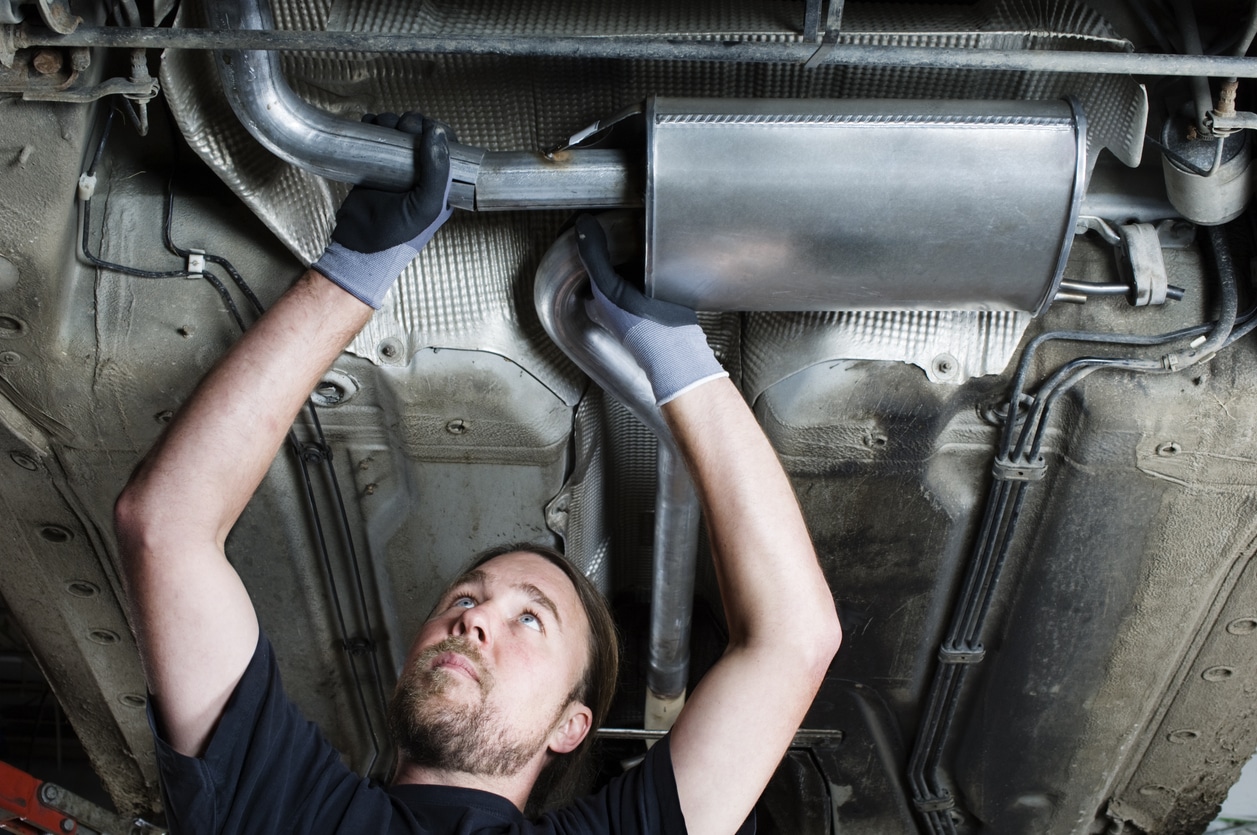
Credit: www.holtsauto.com
Signs Of A Leaky Exhaust
A leaky exhaust system can cause serious problems for your vehicle. It affects engine performance and fuel efficiency. Detecting a leak early helps avoid costly repairs.
Knowing the signs of a leaky exhaust can keep you safe and save money. Look for unusual noises, strong odors, and visible damage to spot issues fast.
Unusual Noises
A damaged exhaust often makes loud or strange sounds. You might hear hissing, popping, or rumbling noises. These sounds happen because exhaust gases escape through holes or cracks.
- Hissing sounds near the engine or under the car
- Loud rumbling when accelerating
- Popping noises during idling
Strong Odors
One clear sign of an exhaust leak is a strong smell of exhaust fumes inside or around the car. This odor may feel like burning or rotten eggs. It happens when gases escape before reaching the muffler.
Warning:Breathing exhaust fumes can be harmful. If you smell strong odors, check your exhaust system quickly.
Visible Damage
Look under your vehicle to spot visible signs of exhaust damage. Rust, holes, or cracks on pipes and mufflers indicate leaks. Sometimes black soot marks show where gases escape.
| Type of Damage | What to Look For |
|---|---|
| Rust | Flaking metal on pipes or muffler |
| Holes or Cracks | Visible openings in exhaust parts |
| Soot Marks | Black stains near damaged areas |
Safety Risks Involved
A leaky exhaust system can cause serious safety problems. It affects your health and vehicle performance.
Fixing leaks is important to keep you and others safe on the road.
Carbon Monoxide Poisoning
Exhaust leaks can let carbon monoxide enter your car’s cabin. This gas is colorless and odorless.
Breathing carbon monoxide can cause headaches, dizziness, and even death.
- Carbon monoxide blocks oxygen in your blood
- Symptoms include nausea and confusion
- High levels can cause loss of consciousness
Fire Hazards
A leaking exhaust can release hot gases near flammable parts. This increases the risk of fire.
Fuel leaks or dry leaves near the exhaust can ignite easily.
- Hot exhaust gases can ignite fuel vapors
- Nearby dry materials can catch fire
- Fire can cause severe damage and injury
Reduced Brake Performance
A leaky exhaust can affect brake systems, especially in modern cars. This can reduce braking power.
Unsafe brakes increase the chance of accidents and injuries.
- Exhaust leaks can cause sensor malfunctions
- Brake assist systems may fail
- Stopping distances become longer
Impact On Vehicle Efficiency
A leaky exhaust system can harm how well your vehicle runs. It lets gases escape before they should. This affects the engine and fuel use.
Fixing the leak helps your car work better. It improves fuel economy, engine power, and emissions.
Lower Fuel Economy
Leaks in the exhaust cause the engine to burn more fuel. The engine works harder to keep power. This wastes gas and costs more money.
Fuel sensors may also get wrong data. This makes the engine run rich, using extra fuel.
Engine Performance Issues
A leaky exhaust can reduce engine power and cause rough running. The engine may stall or hesitate. This happens because the air-fuel mix is off.
Exhaust leaks can also make strange noises. These sounds warn you that something is wrong.
- Loss of engine power
- Engine misfires or stalls
- Loud or unusual exhaust noise
Failed Emissions Tests
Exhaust leaks let harmful gases escape before being cleaned. This raises pollution levels. Your car may fail emissions tests because of this.
Fixing leaks helps your vehicle pass tests and lowers air pollution.

Credit: kauaiautorepair.com
Common Causes Of Exhaust Leaks
A leaky exhaust system can cause many problems for your vehicle. It may reduce engine performance and increase harmful emissions.
Understanding common causes of exhaust leaks helps you spot issues early and keep your car running safely.
Corrosion And Rust
Exhaust pipes and mufflers often face moisture and salt. This causes rust to form over time. Rust weakens metal and creates holes in the exhaust system.
- Road salt in winter speeds up rusting.
- Water from rain or puddles gets trapped under the car.
- Heat cycles cause metal to expand and contract, leading to cracks.
Loose Or Broken Components
Parts of the exhaust system may loosen or break due to vibration and wear. Loose clamps or brackets can cause leaks at joints.
| Component | Problem | Effect |
| Clamps | Loose or rusted | Leaks at pipe connections |
| Brackets | Broken or missing | Exhaust system moves excessively |
| Gaskets | Worn or cracked | Seal failure causing leaks |
Damage From Road Debris
Hitting rocks or other objects can dent or crack the exhaust parts. Damage like this breaks the seal and causes leaks.
Common damage types include:
- Dents that pinch the exhaust pipe
- Cracks from hard impacts
- Holes from sharp debris punctures
Repair Options And Costs
A leaky exhaust system can cause noise and lower fuel efficiency. Fixing it quickly saves money and keeps your car safe.
There are several repair options depending on the leak size and location. Costs vary based on the parts and labor needed.
Diy Fixes
Small holes or cracks can be fixed at home using simple tools. This option saves labor costs but needs careful work.
Common DIY fixes include patching the leak with exhaust tape or sealant. These are temporary but help stop noise and fumes.
- Use high-temperature exhaust tape for small holes
- Apply exhaust putty or sealant for cracks
- Replace rusty clamps or hangers if needed
- Check for leaks after repair to ensure success
Professional Repairs
Mechanics can fix larger leaks or damaged parts safely. They have tools to find leaks and make permanent repairs.
Labor costs vary, but professional work ensures the exhaust system works well and meets safety rules. Repairs may include welding or replacing parts.
- Welding cracks or holes for strong seals
- Replacing gaskets and clamps
- Inspecting the full exhaust system for damage
- Testing for leaks after repair
Replacement Parts
Severely damaged parts may need full replacement. Common parts include mufflers, pipes, and catalytic converters.
Part costs depend on your vehicle model and the quality of parts. Buying original or aftermarket parts affects the price and fit.
| Part | Estimated Cost Range |
|---|---|
| Muffler | $50 – $300 |
| Exhaust Pipe | $40 – $200 |
| Catalytic Converter | $100 – $2,500 |
| Gaskets and Clamps | $10 – $50 |
Preventing Exhaust Leaks
A leaky exhaust system can cause many problems in your vehicle. It can reduce engine performance and waste fuel.
Fixing leaks early helps keep your car safe and running well. You can prevent leaks by following some simple steps.
Regular Inspections
Check your exhaust system often for holes, rust, or loose parts. Look under your car for any signs of damage or leaks.
- Listen for unusual noises while the engine runs
- Look for black soot or water dripping from the exhaust
- Smell for strong exhaust odors inside the car
Proper Maintenance
Keep your exhaust system clean and in good shape by following maintenance rules. Replace worn-out parts quickly to avoid bigger problems.
| Maintenance Task | Frequency |
| Check exhaust pipes and muffler | Every 6 months |
| Replace gaskets and clamps | As needed |
| Inspect hangers and mounts | Every year |
Safe Driving Habits
Drive gently to protect your exhaust system. Avoid rough roads and sudden stops that can cause damage.
- Do not overload your vehicle
- Slow down on speed bumps and potholes
- Turn off the engine promptly to prevent heat damage

Credit: simonsautorepairtaunton.com
Frequently Asked Questions
Why Is A Leaky Exhaust System Dangerous?
A leaky exhaust system can let toxic gases into your car’s cabin. This poses significant health risks, including dizziness and headaches. Long-term exposure can lead to more severe health problems. Additionally, it can reduce your vehicle’s performance and fuel efficiency.
Addressing leaks promptly ensures safety and optimal vehicle operation.
Can A Leaky Exhaust Affect Car Performance?
Yes, a leaky exhaust can negatively impact car performance. It disrupts engine efficiency, leading to increased fuel consumption. This can also cause your vehicle to produce more emissions. Repairing leaks promptly helps maintain optimal performance and reduce environmental impact. Regular inspections can prevent further issues.
How Does A Leaky Exhaust Impact Fuel Efficiency?
A leaky exhaust can decrease fuel efficiency by disrupting the engine’s performance. The engine may work harder, consuming more fuel to maintain power. This inefficiency leads to increased fuel costs over time. Repairing exhaust leaks can help restore fuel efficiency and save money in the long run.
What Are The Signs Of A Leaky Exhaust?
Common signs of a leaky exhaust include unusual noises, such as hissing or popping sounds. You might also notice a decrease in fuel efficiency and power. The smell of exhaust fumes inside the vehicle is another indicator. Regular checks can help identify and fix leaks early, ensuring safety.
Conclusion
A leaky exhaust system can cause many problems. It can reduce fuel efficiency and harm engine performance. Harmful gases may enter the car, risking your health. Noise levels also rise, making drives uncomfortable. Fixing leaks early saves money and prevents bigger issues.
Don’t ignore the signs. Keep your car safe and running well. A quick repair helps you avoid costly damage later. Take care of your exhaust system today.