
Have you ever looked at the numbers on your car tires and wondered what they actually mean? Those letters and digits might seem confusing at first, but they hold important information about your tires’ size, type, and performance.
Understanding these numbers can help you choose the right tires, improve your driving safety, and even save money. Keep reading, and you’ll soon be able to decode your tires like a pro—making sure your car runs smoothly and safely on every trip.
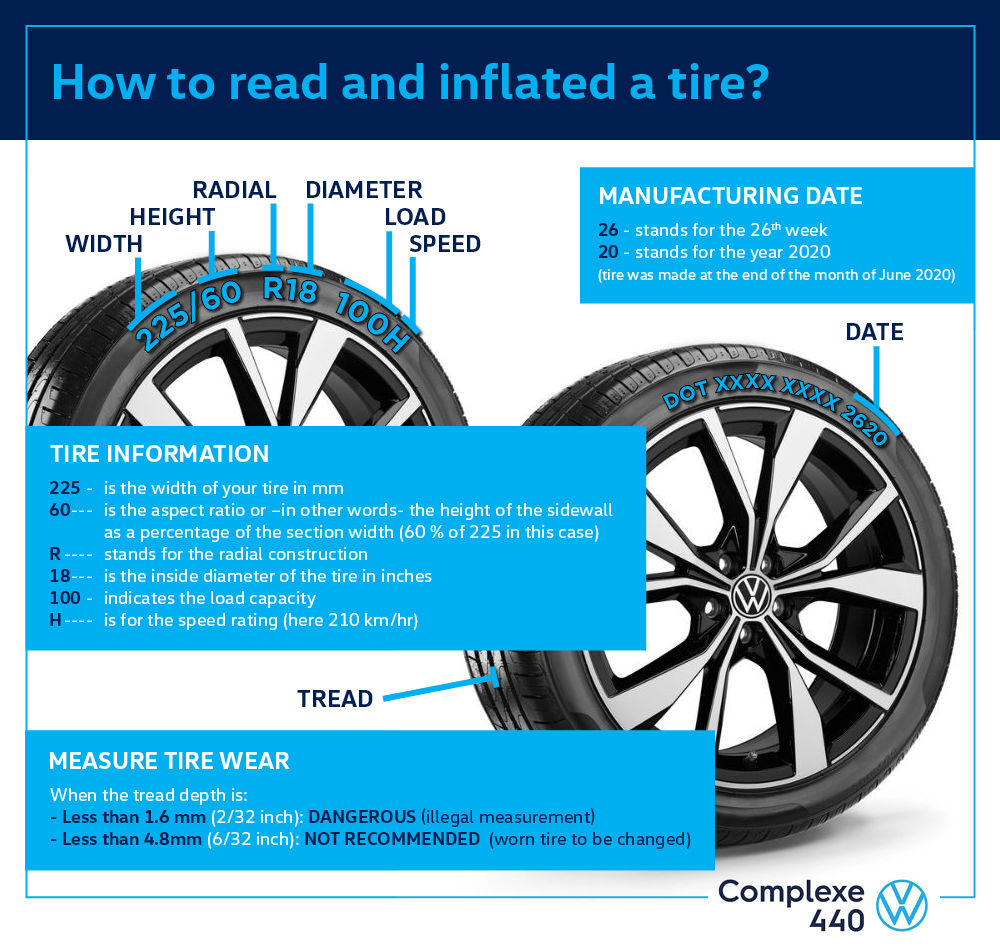
Credit: www.complexevw440.com
Tire Size Basics
Tire sizes are printed on the sidewall of tires. These numbers tell you important details about the tire.
Knowing what the numbers mean helps you choose the right tires for your vehicle.
Decoding Width
The first number in a tire size shows the tire’s width. It is measured in millimeters from sidewall to sidewall.
- A wider tire can offer better grip on the road.
- Narrow tires can improve fuel efficiency.
- Width affects how the tire fits the vehicle’s wheel well.
Aspect Ratio Explained
The aspect ratio is the second number in the tire size. It shows the height of the tire’s sidewall as a percentage of its width.
For example, if the tire size shows 205/55, the sidewall height is 55% of 205 mm. A lower aspect ratio means a shorter sidewall.
Understanding Rim Diameter
The last number in the tire size is the rim diameter. This number is in inches and matches the wheel size the tire fits.
| Rim Diameter | Description |
| 15 | Fits a 15-inch wheel |
| 16 | Fits a 16-inch wheel |
| 17 | Fits a 17-inch wheel |

Credit: www.cjponyparts.com
Load Index And Speed Rating
Car tires have numbers and letters on their sidewalls. These codes tell you important details about the tire’s strength and speed limits.
Two key parts of these codes are the load index and the speed rating. They help you choose the right tires for your car and driving style.
What Load Index Indicates
The load index shows how much weight a tire can safely carry. It is a number usually between 75 and 105 for most cars.
The higher the load index number, the more weight the tire can hold. You must choose a tire with a load index that matches your car’s needs.
- A load index of 85 means the tire can carry 1,135 pounds (515 kg)
- A load index of 95 means the tire can carry 1,521 pounds (690 kg)
- A load index of 100 means the tire can carry 1,764 pounds (800 kg)
Speed Rating Codes
The speed rating shows the maximum speed a tire can handle safely. It is a letter found after the load index.
Each letter stands for a certain speed in miles per hour (mph). Drivers should pick tires with a speed rating that fits their driving habits.
| Speed Rating | Max Speed (mph) | Max Speed (km/h) |
|---|---|---|
| L | 75 | 120 |
| M | 81 | 130 |
| Q | 99 | 160 |
| S | 112 | 180 |
| T | 118 | 190 |
| H | 130 | 210 |
| V | 149 | 240 |
| W | 168 | 270 |
| Y | 186 | 300 |
Tire Construction Details
Tires have specific codes that tell you about their build and materials. These details help you choose the right tire for your vehicle and road conditions.
This section explains the basic types of tire construction and what the markings on the tire sidewall mean.
Radial Vs Bias Ply
Tires are made using two main methods: radial and bias ply. Each type has different layers and strength.
- Radial tireshave cords that run across the tire from side to side. They offer better grip and last longer.
- Bias ply tireshave cords that run diagonally from bead to bead. They are stronger for heavy loads but wear faster.
- Radial tires use steel belts under the tread for added strength.
- Bias ply tires use layers of fabric cords to build thickness and toughness.
The letter “R” in a tire code means it is radial. If you see “B” or no letter, it usually means bias ply.
Sidewall Markings
The sidewall of a tire shows important numbers and letters. These markings tell you the size, load rating, speed rating, and construction.
| Marking | Meaning | Example |
| Section Width | Width of the tire in millimeters | 205 |
| Aspect Ratio | Height of the sidewall as a percent of width | 55 |
| Construction Type | Radial (R) or Bias Ply (B) | R |
| Rim Diameter | Diameter of the wheel in inches | 16 |
| Load Index | Maximum load the tire can carry | 91 |
| Speed Rating | Maximum speed the tire can safely handle | H |
Manufacture Date And Safety
Car tires have numbers that tell important information. These numbers help you know the tire’s age and safety. Understanding these details keeps your vehicle safe on the road.
One key part is the manufacture date. It shows when the tire was made. This date helps decide if a tire is still safe to use or if it needs replacement.
Dot Code Breakdown
The DOT code is on the tire sidewall. It has letters and numbers. The last four digits show the manufacture date. The first two digits mean the week. The last two mean the year.
- Example: 2319 means the tire was made in the 23rd week of 2019.
- The code starts with “DOT” to show it meets safety rules.
- Other numbers show the plant and tire size.
Tire Age And Replacement
Tires get old even if not used much. Rubber breaks down over time. This makes tires unsafe to drive on.
| Age of Tire | Safety Advice |
| Less than 6 years | Generally safe if in good condition |
| 6 to 10 years | Check for cracks and wear often |
| More than 10 years | Replace tire regardless of appearance |
Always check the manufacture date before buying or using tires. Replace old tires to avoid accidents caused by tire failure.
Additional Tire Codes
Tire numbers tell you more than size. They also include codes for safety and performance. These codes help you understand how well the tire works under certain conditions.
Two important codes are traction and temperature grades. Another key number shows the maximum air pressure the tire can handle.
Traction And Temperature Grades
Traction grades show how well a tire stops on wet roads. The grades are AA, A, B, or C. AA is the best, meaning the tire stops quickly.
Temperature grades tell you how well the tire resists heat. The levels are A, B, or C. A means the tire can handle high heat without damage.
- Traction Grades:AA (best), A, B, C (lowest)
- Temperature Grades:A (best), B, C (lowest)
Maximum Inflation Pressure
This number shows the highest air pressure the tire can hold safely. It is measured in psi (pounds per square inch). Do not exceed this limit.
Inflating tires to the right pressure helps with tire life and safety. Check this number on the tire sidewall before inflating.
| Code | Meaning |
|---|---|
| Max Inflation Pressure | Highest safe air pressure for the tire, in psi |
Choosing The Right Tire
Car tires have numbers and letters that tell you important details. These details help you pick the right tires for your vehicle. Choosing the right tire improves how your car drives and keeps you safe.
Understanding what the numbers mean will help you match tires to your needs. It also shows how tires affect your car’s performance and safety on the road.
Matching Tires To Vehicle Needs
Each vehicle needs tires that fit its size and use. The numbers on the tire sidewall tell you the tire’s width, aspect ratio, and diameter. These must match your vehicle’s specifications.
- Check tire width to match your car’s rims.
- Look at aspect ratio for sidewall height and comfort.
- Match rim diameter for proper fit and safety.
- Consider the tire’s load and speed ratings for your driving style.
- Choose tires designed for your driving conditions like snow or rain.
Impact On Performance And Safety
Tires affect how your car handles, brakes, and uses fuel. Choosing the wrong tire size or type can reduce control and increase risk on the road.
| Tire Aspect | Effect on Performance | Safety Consideration |
| Width | Wider tires improve grip but may lower fuel economy. | Too wide tires can rub and cause damage. |
| Aspect Ratio | Lower ratio means better handling and a sportier ride. | Very low ratio tires can give a harsh ride. |
| Speed Rating | Higher ratings allow faster speeds safely. | Do not use tires with lower speed rating than vehicle max speed. |
| Load Index | Indicates how much weight a tire can carry. | Choose tires with load index equal or higher than your car’s weight. |
Credit: www.jeffwylercolumbusautomall.com
Frequently Asked Questions
What Do Tire Numbers Like 205/55r16 Mean?
Tire numbers indicate width, aspect ratio, and rim diameter. For example, 205 is the width in millimeters. 55 is the height ratio as a percentage of the width. R16 means the tire fits a 16-inch rim.
How Can I Find Tire Speed Rating On Tires?
The speed rating is a letter after the tire size, like “H” or “V”. It shows the maximum safe speed the tire can handle, ensuring safe driving at different speeds.
Why Is Tire Load Index Important?
The load index shows the maximum weight a tire can carry. It ensures the tire supports your vehicle’s weight safely and prevents tire damage or accidents.
What Does The Tire Manufacturing Date Code Mean?
The manufacturing date is a four-digit code on the tire sidewall. The first two digits represent the week, the last two the year, helping check tire age and safety.
Conclusion
Understanding the numbers on car tires helps you choose the right fit. These numbers tell you about tire size, speed rating, and load capacity. Knowing this information keeps your car safe and running well. It also improves fuel efficiency and tire life.
Next time you check your tires, remember these simple codes. They are easy to read and very useful. Safe driving starts with good tire knowledge. Take a moment to learn these numbers—it really pays off.