Are you wondering where you can mount a car camera in California without breaking any rules? Choosing the right spot for your dash cam is more important than you might think.
It affects not only how well your camera records but also if you stay safe and legal on the road. You’ll discover the best places to install your car camera so you get clear footage and avoid fines. Keep reading to make sure your car camera works perfectly for you every time you drive.

Credit: m.yelp.com
Legal Mounting Areas
Mounting a car camera in California requires following the law. The right placement keeps you safe and legal.
This guide explains where you can place a car camera without breaking any rules.
California Vehicle Code Restrictions
The California Vehicle Code limits where you can place devices on your windshield. It aims to keep the driver’s view clear.
The code says no object or device can block more than a certain part of the windshield.
- Devices must not block the driver’s clear view
- Some exceptions apply near the rearview mirror
- Placement must follow specific size and location rules
Avoiding Obstruction Of View
Do not mount the camera where it blocks your view of the road. It is unsafe and illegal.
Keep the camera low or near the rearview mirror to avoid obstruction.
- Place cameras behind or below the rearview mirror
- Avoid mounting near the driver’s direct line of sight
- Check your view from the driver’s seat after installation
Permitted Zones On Windshield And Dashboard
California allows mounting cameras in certain windshield zones and on the dashboard. These areas follow specific rules.
Cameras on the dashboard must not block your view or interfere with airbags.
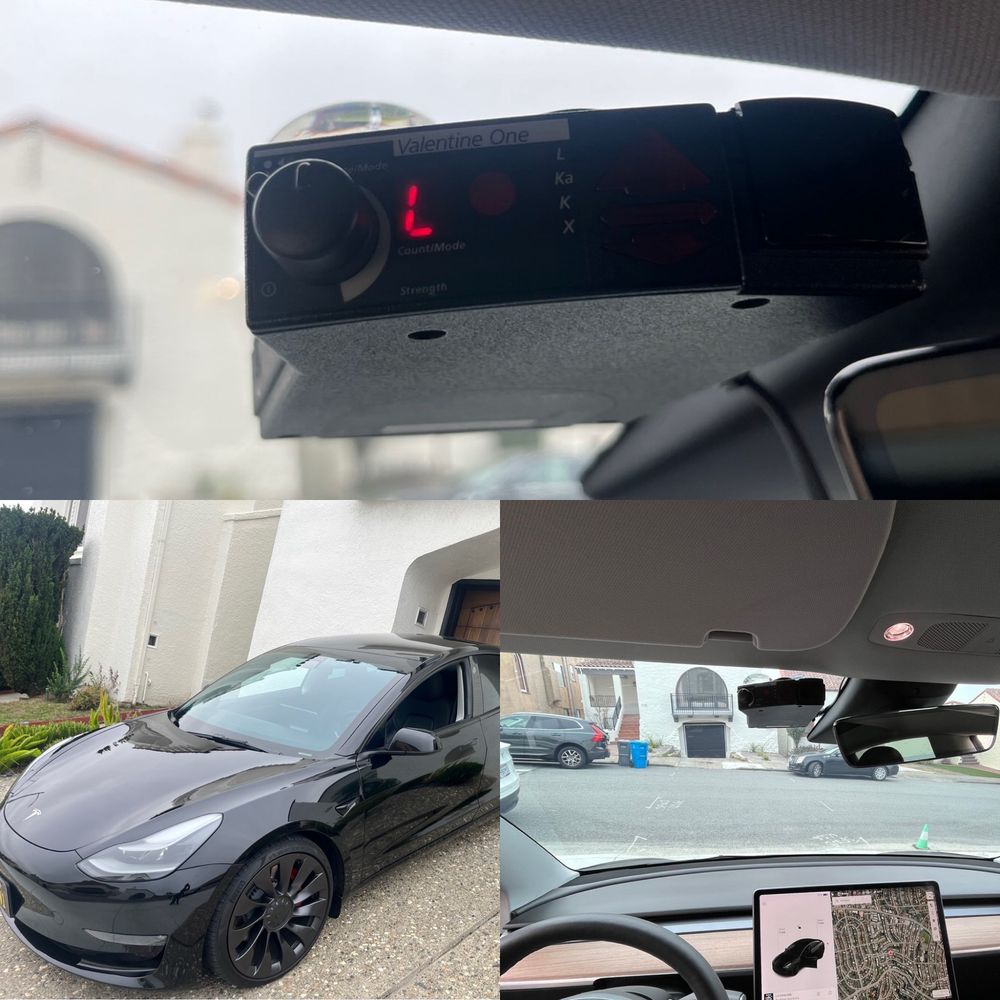
- Upper center of the windshield near the rearview mirror
- Lower corners of the windshield that do not block vision
- Flat areas on the dashboard away from airbags
- Make sure the device is small and secure
Credit: m.yelp.com
Common Mounting Locations
Choosing the right spot to mount a car camera in California is important. The camera needs a clear view to record well.
There are several common places where you can mount your camera. Each spot has its own benefits and limits.
Rearview Mirror Mount
Mounting the camera near the rearview mirror is popular. It keeps the camera out of the way but still captures the road ahead.
This spot is easy to reach for adjustments. It also blends well with the car’s interior.
- Good front road view
- Hidden from driver’s direct sight
- Easy to power from car’s wiring
Dashboard Placement
Some drivers prefer placing the camera on the dashboard. This gives a wide view of the road and inside the car.
Make sure the camera does not block your sight. Use a non-slip mount to keep it steady.
- Wide front and interior view
- Easy to install and remove
- Can be visible to passengers
Windshield Corners
Mounting the camera in a windshield corner is common. It keeps the camera out of the driver’s main view.
This placement can help capture side views or reduce glare from the sun.
- Less distraction for driver
- Good for side and front recording
- May need special mounts for angle
Rear Window Options
Some cameras can be mounted on the rear window. This records what happens behind the car.
This is helpful for parking and backing up. It can also record rear traffic events.
- Records behind the vehicle
- Useful for parking assistance
- May need power source from rear
Best Spots For Optimal Recording
Mounting a car camera correctly is important for clear video capture. Good placement helps record events clearly on the road. This guide focuses on the best spots to place your camera in California.
Choosing the right position ensures your footage is useful for safety and legal reasons. Each spot has benefits depending on what you want to record.
Front-facing Camera Positions
The front of your car is the most important place to mount a camera. It captures the road ahead and any incidents.
Mount the camera behind the rearview mirror. This keeps it out of your view but still records well. Avoid areas that block the driver’s sight.
- Center of windshield behind rearview mirror
- High enough to avoid dashboard glare
- Secure to avoid shaking
Capturing Side Views
Side cameras record traffic from the left and right. They help capture lane changes and side impacts.
Place side cameras near the side mirrors or on the windows. Make sure they have a clear view without being blocked by pillars or dirt.
- Near left and right side mirrors
- On front side windows facing outward
- Avoid areas with window tint that blocks view
Inside Cabin Monitoring
Inside cameras monitor the cabin for safety and security. They record driver and passenger actions.
Mount inside cameras on the dashboard or near the rearview mirror. Position them to see the front seats clearly without blocking your view.
- Dashboard facing the driver and front seats
- Near rearview mirror looking inside cabin
- Secure to avoid interference with airbags

Credit: m.yelp.com
Installation Tips
Mounting a car camera in California requires careful planning. Proper installation helps capture clear footage and keeps the device secure.
Follow simple tips to install your camera in the best spot. This guide covers stability, glare, and cable management.
Ensuring Stability And Safety
Choose a flat surface on your windshield or dashboard to mount the camera. This keeps it stable and avoids shaking while driving.
Use strong adhesive mounts or suction cups made for car cameras. Check the mount regularly to make sure it stays in place.
- Clean the mounting area before attaching
- Press firmly for a few seconds
- Place the camera where it won’t block your view
- Test the mount by gently shaking the camera
Avoiding Glare And Reflections
Glare and reflections can ruin your footage. Avoid placing the camera near windows with direct sunlight.
Tilt the camera slightly down or to the side to reduce light reflections. Using a lens hood or anti-glare film can help too.
- Mount the camera below the rearview mirror if possible
- Keep the lens away from dashboard shiny surfaces
- Use polarized lens accessories if available
Cable Management Strategies
Proper cable management keeps wires neat and prevents distractions. Hide cables along windshield edges or under trim panels.
Use clips or adhesive cable holders to secure wires. Avoid loose cables that can interfere with driving or block airbags.
- Route cables toward the car’s fuse box or power outlet
- Use flexible cable ties to bundle excess wires
- Check cables do not block vents or controls
Tech And Feature Considerations
Choosing the right spot for your car camera in California depends on technology and features. Understanding mounts, power sources, and connection types is important.
Each choice affects how well the camera works and how easy it is to install or move.
Choosing Between Suction And Adhesive Mounts
Suction mounts stick to your windshield using suction cups. They let you move or adjust the camera easily. Adhesive mounts use glue to fix the camera in one place. They hold better on rough or curved surfaces.
- Suction mounts are reusable and less permanent.
- Adhesive mounts provide stronger, longer-lasting hold.
- Suction mounts may lose grip in hot weather.
- Adhesive mounts can leave residue if removed.
Power Source Options
| Power Source | Description | Pros | Cons |
| Cigarette Lighter Adapter | Plug into 12V socket | Easy to install | Cluttered wires |
| Hardwired to Fuse Box | Connect directly to car’s power | Clean setup, always powered | Needs professional installation |
| Battery Powered | Runs on built-in battery | No wires needed | Shorter usage time |
Wireless Vs Wired Cameras
Wireless cameras send video using Wi-Fi or Bluetooth. Wired cameras connect with cables. Wireless models are easier to install but can face signal interference. Wired cameras offer steady connections but require more setup.
- Wireless cameras allow flexible placement.
- Wired cameras provide constant power and data.
- Wireless may need charging or battery swaps.
- Wired cameras need cable management inside the car.
Privacy And Data Concerns
Car cameras help capture events on the road. People use them for safety and evidence. But these cameras also raise privacy and data questions. It is important to know the rules in California.
This guide explains where you can mount a car camera in California. It also covers how to handle recorded footage with care. Follow these to respect privacy and legal limits.
Recording Permissions In California
California has strict laws about recording conversations and videos. You must not record private talks without permission. The camera should not invade others’ privacy. Mount your camera where it only records public views.
- Place the camera on the dashboard or windshield behind the rearview mirror.
- Avoid pointing the camera inside your car where passengers talk privately.
- Do not record inside other private spaces like homes or businesses.
- Inform passengers if you record audio to respect their privacy.
Handling Recorded Footage Responsibly
After recording, you must protect the footage carefully. It may contain sensitive information. Sharing or storing it without care can cause privacy problems. Follow rules to keep data safe.
| Action | Best Practice |
| Storage | Use password-protected devices or encrypted cloud storage |
| Sharing | Share footage only with trusted people or authorities |
| Deletion | Delete footage that is no longer needed to protect privacy |
| Consent | Get permission before using footage that shows other people |
Frequently Asked Questions
Where Is The Best Place To Mount A Car Camera In California?
The best place is behind the rearview mirror. It provides a clear front view without obstructing the driver’s sight. This position complies with California laws on windshield obstructions.
Can I Mount A Dash Cam On The Dashboard In California?
Yes, you can mount it on the dashboard. However, it must not block your view. Ensure it follows California’s regulations about clear visibility.
Are There Legal Restrictions For Mounting Cameras On Car Windows?
Yes, California law restricts mounting devices on the windshield and windows. Cameras must not obstruct the driver’s view or violate privacy laws.
Can I Install Rear-view Cameras Inside My Car In California?
Yes, interior rear-view cameras are allowed. They must not distract the driver or block windows. This helps with rear visibility and recording.
Conclusion
Choosing the right spot to mount your car camera is key in California. Place it where it captures clear views without blocking your vision. The dashboard or windshield near the rearview mirror works well. Make sure the camera stays steady and does not distract you.
Check local laws to stay safe and legal. A well-placed camera helps record important moments on the road. Protect yourself and your vehicle with smart mounting choices. Simple steps make a big difference in driving safety.