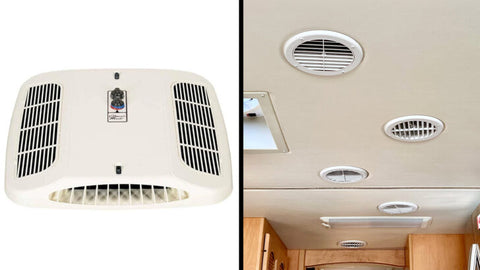
Have you ever wondered how your RV stays cool even when the sun is blazing outside? Understanding how RV air conditioners work can make a big difference in keeping your space comfortable on every trip.
Whether you’re new to RVing or a seasoned traveler, knowing the basics of your AC system helps you use it more efficiently and avoid unexpected breakdowns. You’ll discover the simple science behind RV air conditioners and learn tips to keep your unit running smoothly.
Ready to stay cool no matter where the road takes you? Let’s dive in!
Basics Of Rv Air Conditioning
RV air conditioners keep the inside cool on hot days. They help make your trip more comfortable.
These units work differently than home systems because of space and power limits.
Key Components
An RV air conditioner has parts that work together to cool the air. Each part has a special job.
- Compressor:Moves refrigerant through the system.
- Condenser Coil:Releases heat outside the RV.
- Evaporator Coil:Absorbs heat from inside the RV.
- Blower Fan:Circulates air over the coils.
- Thermostat:Controls the temperature inside the RV.
Cooling Principles
RV air conditioners cool air using a cycle of refrigerant that moves heat outside. This process is called refrigeration.
The refrigerant changes from liquid to gas and back, pulling heat from inside the RV and pushing it outside.
- The compressor squeezes the refrigerant gas, making it hot.
- The hot gas moves to the condenser coil, where it cools down and turns into a liquid.
- The liquid refrigerant flows to the evaporator coil inside the RV.
- The evaporator coil lets the refrigerant evaporate, which pulls heat from the air.
- The blower fan moves warm air over the evaporator coil, cooling the air.

Credit: www.youtube.com
Types Of Rv Air Conditioners
RV air conditioners help keep the inside cool during hot weather. There are several types of air conditioners made for RVs. Each type fits different needs and spaces.
Understanding the types helps you choose the best option for your RV setup. Here are the main types of RV air conditioners.
Roof-mounted Units
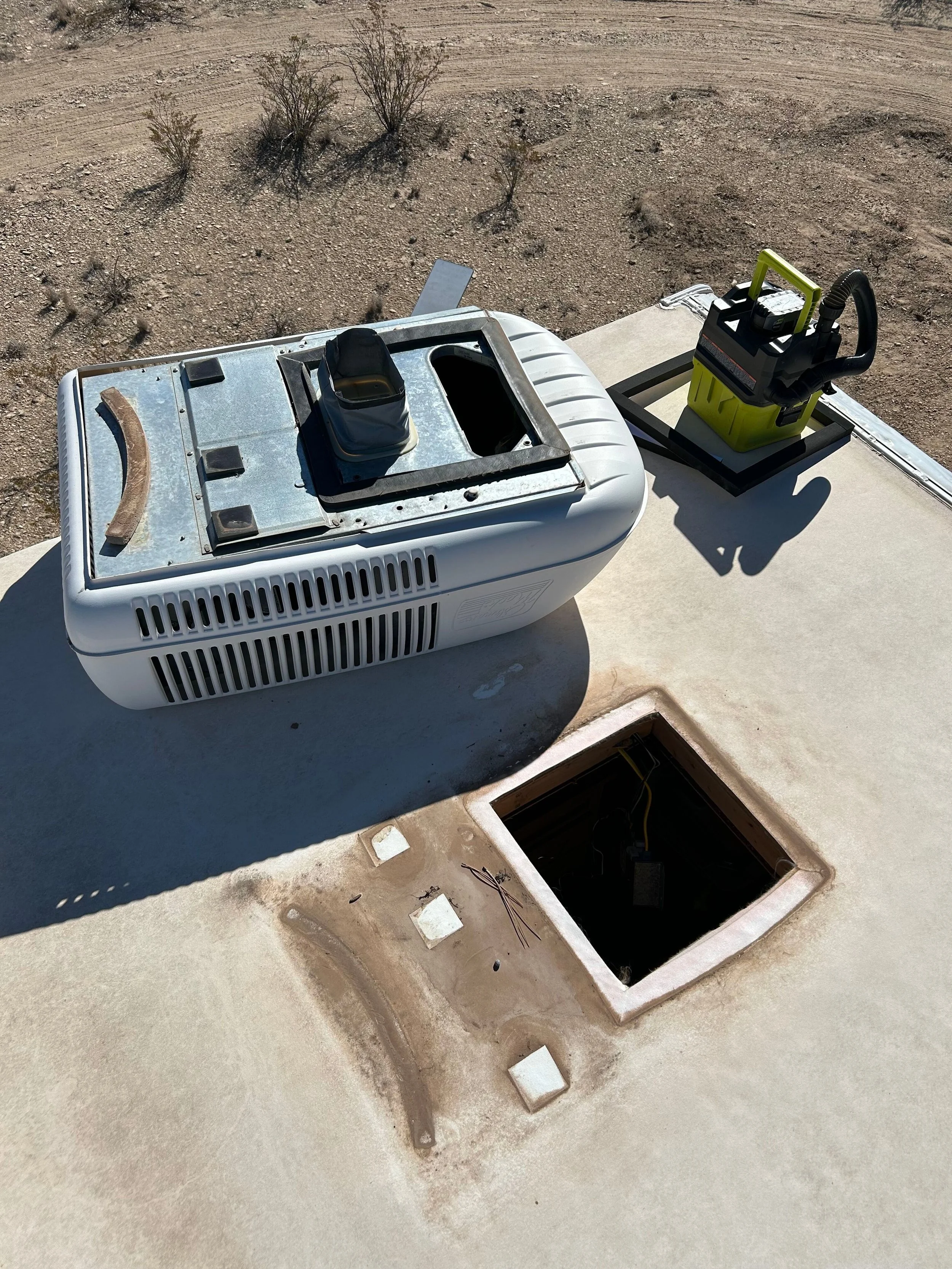
Roof-mounted units sit on top of the RV roof. They are the most common type found in RVs. These units cool the air and push the hot air outside.
They work by using a compressor, condenser, and evaporator inside the unit. The compressor compresses refrigerant gas. This gas moves heat out of the RV. A fan then blows cool air inside.
Portable Units
Portable air conditioners are small and can move inside the RV. They do not need permanent installation. You can place them where you want cool air.
- Easy to move and store
- Require venting through a window or door
- Good for small spaces
- Need a power source nearby
Portable units work by pulling warm air from the room. They cool it with refrigerant and release hot air outside through a hose.
Window Units
Window air conditioners fit inside a window or wall opening of the RV. They are a fixed unit but easier to install than roof-mounted systems.
| Feature | Details |
|---|---|
| Installation | Fits in window or wall space |
| Cooling | Blows cool air inside and hot air outside |
| Power Use | Needs electrical connection |
| Size Options | Available in various cooling capacities |
Window units are good for RVs with suitable window size. They cool a single area effectively but do not move around.
Refrigeration Cycle In Rv Acs
RV air conditioners use a refrigeration cycle to cool the air inside the vehicle. This cycle moves heat from inside the RV to the outside.
The cycle has four main parts that work together to keep the air cool and comfortable.
Compressor Function
The compressor pumps refrigerant through the system. It squeezes the refrigerant gas to increase its pressure and temperature.
By doing this, the compressor helps move heat out of the RV.
Condenser Role
The condenser cools the hot, high-pressure refrigerant gas. It changes the gas into a liquid by releasing heat outside the RV.
The condenser usually has metal fins to help heat escape faster.
Evaporator Process
The evaporator absorbs heat from inside the RV. The liquid refrigerant evaporates here, turning back into a gas.
This evaporation cools the air that flows over the evaporator coils.
Expansion Valve Purpose
The expansion valve controls the flow of refrigerant into the evaporator. It lowers the pressure and temperature of the refrigerant.
This step is important for the refrigerant to absorb heat and cool the RV air effectively.
Credit: www.odysseyrvservice.com
Power Sources And Energy Use
RV air conditioners need electricity to run. They use different power sources depending on the setup of the RV. Understanding these sources helps manage energy use better.
Energy use affects how long the air conditioner can run. Choosing the right power source is important for comfort and efficiency.
Electrical Requirements
Most RV air conditioners require a 120-volt electrical supply. They often need a dedicated circuit to handle the power load safely. The power draw can range from 1,200 to 1,800 watts.
- Standard RV power outlets usually provide 30 amps.
- Some air conditioners need a 50-amp service for better performance.
- Proper wiring and circuit breakers prevent electrical problems.
- Using surge protectors can protect the system from voltage spikes.
Battery And Generator Options
Batteries can power small air conditioners but drain quickly. Generators provide a steady power supply for longer use. Both options help when shore power is not available.
| Power Source | Advantages | Limitations |
| Batteries | Quiet operation, portable | Short run time, needs recharge |
| Generators | Longer run time, powerful | Noise, fuel cost, maintenance |
Airflow And Ventilation
RV air conditioners keep the inside cool by moving air around. They use airflow and ventilation to spread cool air evenly.
Good airflow helps remove hot air and brings fresh, cool air inside the RV. This makes the space comfortable.
Fan Operation
The fan in an RV air conditioner pulls warm air from inside the RV. It pushes this air over cold coils to cool it down.
After cooling, the fan blows the cold air back into the RV. The fan speed can often be adjusted for better comfort.
Ductwork And Air Distribution
Ductwork carries the cooled air from the air conditioner to different parts of the RV. It helps spread the air evenly.
Vents direct the airflow where it is needed most. Proper ductwork and vent placement improve cooling efficiency.
- Ducts connect the AC to vents inside the RV
- Vents can be adjusted to control airflow direction
- Good duct design avoids hot or cold spots
Temperature Control And Thermostats
RV air conditioners keep the inside cool by controlling temperature. Thermostats help the AC know when to turn on or off.
Understanding how temperature control works can help you use your RV AC better and save energy.
Setting Desired Temperature
You set the temperature on the thermostat to the level you want. The AC tries to reach and keep that temperature inside the RV.
If the inside gets warmer than the set temperature, the AC turns on. When it cools down to the set point, the AC turns off.
- Choose a comfortable temperature before starting the AC
- The thermostat reads the air temperature inside the RV
- The AC cycles on and off to keep the air steady
Sensor Mechanisms
Sensors inside the thermostat detect the air temperature. They send signals to the AC unit to start or stop cooling.
These sensors can be mechanical or electronic. Both types help maintain the set temperature accurately.
- Mechanical sensors use metal parts that expand or contract with heat
- Electronic sensors use tiny chips to measure temperature
- Sensors work continuously to keep temperature steady
Maintenance Tips For Rv Acs
Keeping your RV air conditioner in good shape helps it run well. Regular care stops problems and saves money.
Follow simple steps to maintain your RV AC and enjoy cool air during trips.
Cleaning Filters
Filters catch dust and dirt to keep air clean. Clean them often to avoid blockages and poor airflow.
- Remove the filter carefully from the AC unit.
- Use a soft brush or vacuum to clear dust.
- Wash with mild soap and water if very dirty.
- Let the filter dry completely before reinstalling.
- Clean filters every two weeks during heavy use.
Checking Refrigerant Levels
Refrigerant cools the air inside your RV. Low levels cause poor cooling and damage the AC.
| Symptom | Possible Cause | Action |
| Warm air | Low refrigerant | Check and refill refrigerant |
| AC runs too long | Leak in system | Find and fix leak, then recharge |
| Ice on coils | Low refrigerant or airflow | Check levels and clean filters |
Have a technician check refrigerant yearly or if cooling drops.
Seasonal Care
Prepare your RV AC for different seasons to keep it working well.
- Before summer, test the AC to ensure it cools properly.
- In winter, cover the AC unit to protect it from snow and debris.
- Inspect seals and insulation around the AC for cracks or gaps.
- Store the AC with the power off and clean filters if not in use for months.

Credit: www.microair.net
Common Issues And Troubleshooting
RV air conditioners help keep your camper cool during hot days. Like any machine, they can have problems. Knowing common issues helps you fix them fast.
This guide covers common problems like no cooling, strange noises, and leaks. You will also find simple ways to troubleshoot each issue.
No Cooling Problems
If your RV air conditioner runs but does not cool, several reasons could cause this. Dirt on filters or low refrigerant levels are common causes.
- Check and clean the air filter. A dirty filter blocks airflow.
- Inspect the thermostat settings. Make sure it is set to “cool” and the temperature is low enough.
- Look for ice buildup on the coils. Ice can stop cooling and needs to be defrosted.
- Verify that the power supply is stable. Weak power may affect performance.
- Contact a professional if the refrigerant is low, as it needs special handling.
Unusual Noises
Strange sounds can signal problems in your RV air conditioner. Common noises include rattling, buzzing, or grinding. Each noise points to a different issue.
| Noise | Possible Cause | Action |
| Rattling | Loose parts or debris | Tighten screws, remove debris |
| Buzzing | Electrical issues | Check wiring or call a technician |
| Grinding | Worn fan motor | Replace or repair motor |
| Clicking | Faulty compressor | Have a professional inspect |
Leaks And Drips
Water leaks or drips inside your RV can come from the air conditioner. These leaks often happen due to clogged drains or damaged seals.
Check these common causes of leaks:
- Blocked condensate drain line
- Improper unit installation causing gaps
- Damaged or worn weather stripping
- Cracked drain pan or pipes
Clear the drain line and replace any damaged seals to stop leaks. If leaks continue, seek professional help.
Frequently Asked Questions
How Does An Rv Air Conditioner Cool The Air?
An RV air conditioner cools air by circulating refrigerant through coils. It absorbs heat inside and releases it outside, lowering indoor temperature efficiently.
What Powers An Rv Air Conditioner?
Most RV air conditioners run on 120V AC electrical power, usually from shore power or a generator, ensuring reliable cooling on the road.
How Often Should Rv Ac Units Be Maintained?
RV air conditioners should be checked and cleaned at least once per season to ensure optimal performance and prevent breakdowns during travel.
Can Rv Air Conditioners Work Without Shore Power?
Yes, RV AC units can operate on a generator or inverter, but these alternatives may have limited power and affect cooling efficiency.
Conclusion
RV air conditioners keep your space cool by moving heat outside. They use a compressor, condenser, and evaporator to do this. Cool air flows inside while warm air leaves the RV. These units need power and regular care to work well.
Knowing how they work helps you use them better. Stay comfortable on your trips with a well-maintained AC system. Simple steps can make a big difference in cooling your RV. Enjoy your travels without worrying about the heat.