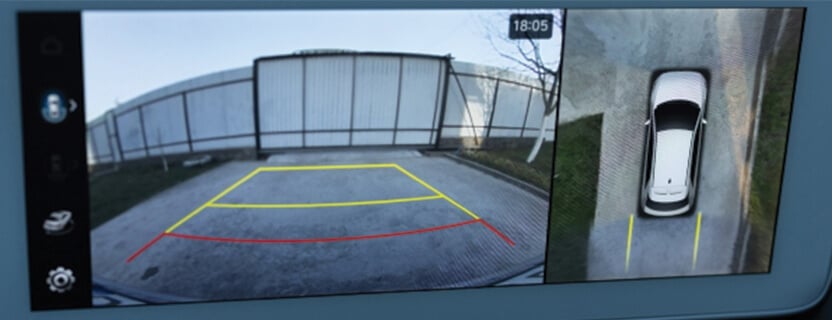
Have you ever wished you had eyes all around your car to spot every obstacle? A 360 car camera can give you just that—a full view of your vehicle’s surroundings in real-time.
But how does this clever system actually work? Understanding how a 360 car camera functions can change the way you drive, park, and stay safe on the road. Keep reading, and you’ll discover the simple technology behind this powerful tool and how it can make your driving experience easier and stress-free.
360 Car Camera Basics
A 360 car camera helps drivers see all around their vehicle. It uses several cameras to create a full view. This view is shown on the car’s screen.
This system improves safety by reducing blind spots. It makes parking and driving in tight spaces easier.
Core Components
The 360 car camera system has key parts that work together. These parts collect and show the images around the car.
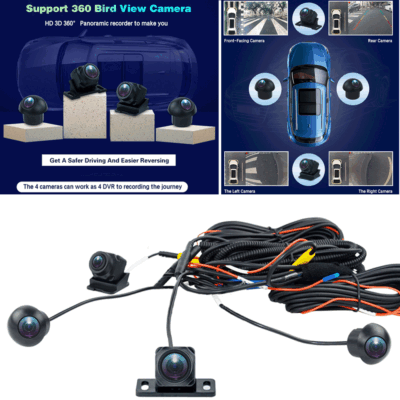
- Cameras:Usually four or more cameras are placed around the car.
- Image Processor:It combines the images from all cameras into one view.
- Display Screen:Shows the stitched image to the driver inside the car.
- Wiring and Sensors:Connect the cameras and processor, sending data quickly.
Types Of Cameras Used
Different cameras capture images for the 360 view. They vary in size and function depending on the car model and system design.
| Camera Type | Description | Placement |
| Wide-Angle Lens | Captures a broad view around the car. | Front, Rear, Sides |
| Fish-Eye Lens | Offers an ultra-wide view for full coverage. | Usually corners of the car |
| HD Camera | Provides clear, detailed images day and night. | All around the vehicle |
| Infrared Camera | Helps with visibility in low light or darkness. | Optional, varies by system |
Image Stitching Process
The 360 car camera shows a full view around the vehicle. It uses several cameras placed on different sides. These cameras capture images from many angles.
The images must be combined to make one smooth picture. This combination is called image stitching. It helps drivers see a wide area clearly.
Capturing Multiple Angles
Cameras are placed around the car at front, back, and sides. Each camera takes a photo of its view. This covers the entire area around the car.
These cameras use wide-angle lenses to catch more scene. They capture parts that overlap with each other. Overlapping helps in joining the images later.
- Front camera captures road ahead
- Side cameras cover blind spots
- Rear camera shows what is behind
- All images overlap slightly for stitching
Combining Views Seamlessly
The camera system uses software to blend the images. It aligns the overlapping parts to remove edges and gaps. This creates one smooth, wide image.
The software adjusts colors and brightness to match all views. It also corrects lens distortion to make the image look natural. The final view shows a clear surround view.
- Align overlapping image sections precisely
- Blend edges to avoid visible lines
- Match colors and brightness across images
- Correct lens distortion for natural look
- Produce one seamless 360-degree image
Sensors And Software Integration
360 car cameras use many sensors and smart software to show a full view around a vehicle. These systems help drivers see blind spots and park safely.
The sensors collect data from all directions. Then, software combines the data to create one clear image. This process needs accuracy and speed.
Role Of Sensors In Accuracy
Sensors play a key role in the 360 camera system. They capture images and measure distances to objects around the car.
- Wide-angle cameras capture views from multiple sides.
- Ultrasonic sensors detect nearby obstacles.
- Infrared sensors work well in low light.
- Radar sensors measure the speed and distance of moving objects.
| Sensor Type | Function | Best Use |
| Wide-angle Camera | Captures 360-degree views | Daytime and night |
| Ultrasonic Sensor | Detects close objects | Parking and slow speeds |
| Infrared Sensor | Sees in the dark | Nighttime driving |
| Radar Sensor | Measures distance and speed | High-speed driving |
Software Algorithms In Action
The software merges the data from all sensors. It corrects the images and aligns them to form one view. This helps drivers understand their surroundings.
- Image stitching combines pictures from multiple cameras.
- Object detection highlights nearby cars, pedestrians, and obstacles.
- Distance calculation uses sensor data to show how far objects are.
- Real-time processing updates the view instantly while driving.
| Algorithm | Purpose | Benefit |
|---|---|---|
| Image Stitching | Combine camera views | Wide, seamless image |
| Object Detection | Identify objects | Safety alerts |
| Distance Calculation | Measure distances | Better parking control |
| Real-time Processing | Update images fast | Accurate live view |

Credit: www.youtube.com
Installation And Calibration
Installing a 360 car camera requires careful steps for the best view. Calibration ensures the system shows accurate images.
Both installation and calibration work together to give a clear, full view around your car. This helps avoid blind spots.
Camera Placement Tips
Place each camera where it can see the widest area around the car. This usually means corners and the front and back.
Clean the lens and mount cameras securely to avoid shaking or movement while driving.
- Mount front camera near the grille or windshield base
- Place rear camera above the license plate
- Side cameras go under side mirrors or doors
- Keep cameras free from dirt and water spots
- Check cameras do not block sensors or lights
Aligning The System Correctly
After installation, calibrate the system to match the car’s size and shape. This fixes image stitching errors.
Use the calibration tool that comes with the system. Follow the on-screen instructions carefully for the best results.
- Park the car on a flat, even surface
- Ensure all cameras are clean and steady
- Use calibration patterns or markers if required
- Complete the calibration without moving the car
- Test the system by viewing the stitched image
Benefits For Drivers
A 360 car camera shows a full view around the vehicle. It helps drivers see blind spots easily. This system uses several cameras to create a bird’s-eye view.
Drivers get better control and awareness. It reduces the risk of accidents and makes driving safer and simpler.
Enhanced Parking Assistance
The 360 camera helps drivers park in tight spaces. It shows obstacles from all angles. This makes parking easier and faster.
Drivers avoid hitting curbs, poles, or other cars. It also helps when parallel parking on busy streets.
- Clear view of surroundings during parking
- Reduces chances of minor parking accidents
- Improves accuracy in tight spots
- Helps with parallel and reverse parking
Improved Safety On Roads
The system alerts drivers to objects near the car. It helps avoid collisions with pedestrians, cyclists, or other vehicles. This is useful in crowded places.
Drivers can react faster to road hazards. The 360 view covers blind spots better than mirrors alone. This reduces accidents and increases confidence.
- Better visibility of blind spots
- Early warning of nearby obstacles
- Helps prevent side collisions
- Supports safer lane changes and turns

Credit: www.ebay.com
Limitations And Challenges
360 car cameras provide a full view around a vehicle. They help drivers see blind spots and park safely.
There are some limits and challenges with these systems. They affect how well the camera works.
Weather Impact
Bad weather can reduce the camera’s effectiveness. Rain, snow, or fog can blur the lenses.
Dirt and water drops block the view. This makes the images unclear or distorted.
- Rain may cause water spots on lenses
- Snow can cover cameras completely
- Fog reduces visibility in images
- Dirt and mud can stick to lenses
System Maintenance Needs
360 car cameras need regular cleaning to work well. Dust and grime can build up quickly.
Software updates are also important. They fix bugs and improve camera performance.
- Clean lenses often with a soft cloth
- Check for camera damage or cracks
- Update the camera system software
- Test the system to ensure clear images
Future Innovations
360 car cameras are set to improve with new technology. These advances will make driving safer and easier.
Future innovations will focus on better image quality and smart vehicle communication. This will help cars see and react faster.
Advances In Camera Technology
New cameras will capture clearer images in all light conditions. They will use better sensors and lenses for sharper views.
- Higher resolution sensors for detailed images
- Improved low-light performance for night driving
- Smaller and lighter camera units for easy installation
- Faster image processing to reduce delays
- Wide dynamic range to handle bright and dark areas
Integration With Autonomous Vehicles
360 cameras will connect directly with self-driving systems. This link allows the car to understand its surroundings better.
| Feature | Benefit |
| Real-time data sharing | Quick decision-making by the vehicle |
| Obstacle detection | Improved safety and collision avoidance |
| Environmental mapping | Better route planning and navigation |
| Driver alerts | Warnings about nearby hazards |
Credit: www.ebay.com
Frequently Asked Questions
How Does A 360 Car Camera System Work?
A 360 car camera uses multiple cameras around the vehicle. It stitches images together to create a bird’s-eye view. This view helps drivers see all angles, improving safety and parking accuracy.
What Are The Main Components Of A 360 Car Camera?
The system includes wide-angle cameras, a central processor, and a display screen. Cameras capture different angles, the processor merges images, and the screen shows the combined view to the driver.
Can 360 Car Cameras Improve Parking Safety?
Yes, 360 cameras reduce blind spots and provide a full view around the car. This helps avoid obstacles, pedestrians, and other vehicles, making parking safer and easier.
Do 360 Car Cameras Work In Low Light Or Night?
Most 360 car camera systems have night vision or low-light capabilities. They use infrared or enhanced sensors to maintain clear images in dark conditions for safer driving.
Conclusion
A 360 car camera shows a full view around your vehicle. It uses several cameras to capture different angles. These images combine to form one clear picture. This helps drivers park safely and avoid obstacles. The system works in real-time, giving quick feedback.
Many cars use this technology for better safety. Understanding how it works can help you drive with more confidence. It’s a useful tool for every driver. Simple, effective, and easy to use.