Are you unsure if your air conditioner is the right size for your home? Choosing the correct air conditioner tonnage is key to keeping your space cool and comfortable without wasting energy or money.
Too small, and your AC will struggle to cool your home; too large, and you’ll face higher bills and uneven cooling. You’ll discover simple ways to determine the perfect air conditioner tonnage for your needs. Keep reading to make sure your next cooling system fits just right—saving you stress and cash all summer long.

Credit: aristotleair.com
What Ac Tonnage Means
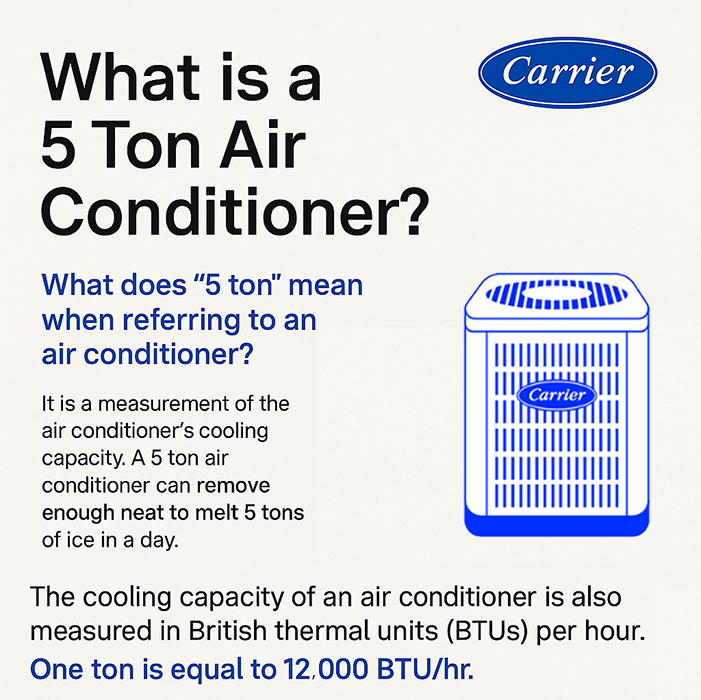
Air conditioner tonnage measures the cooling capacity of the unit. It tells how much heat the AC can remove from a room each hour.
Knowing the right tonnage helps keep your space comfortable and saves energy. Too big or too small can cause problems.
Definition Of Ac Tonnage
One ton of air conditioning equals 12,000 British Thermal Units (BTUs) per hour. BTU is the energy needed to cool one pound of water by one degree Fahrenheit.
AC tonnage shows how many tons of heat the system can remove from indoor air every hour.
How Ac Tonnage Affects Cooling
The right tonnage cools your room evenly and quickly. Too small a unit runs all the time but does not cool well.
Too large a unit cools fast but cycles on and off often. This wastes energy and may not remove humidity properly.
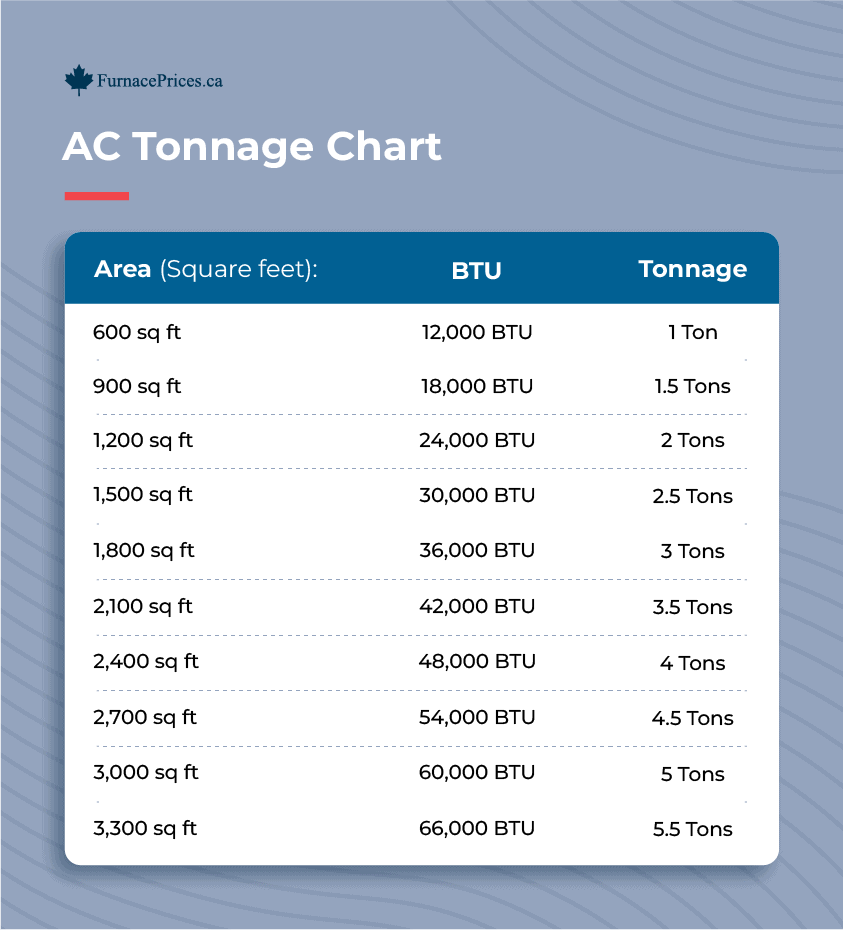
Common Ac Tonnage Sizes
| AC Tonnage | BTUs per Hour | Room Size (Approx.) |
| 1 Ton | 12,000 | 400-600 sq ft |
| 1.5 Ton | 18,000 | 600-900 sq ft |
| 2 Ton | 24,000 | 900-1,200 sq ft |
| 3 Ton | 36,000 | 1,200-1,800 sq ft |
Factors Influencing Ac Tonnage Needs
- Room size and ceiling height
- Insulation quality
- Number of windows and sunlight exposure
- Number of people usually in the room
- Heat generated by appliances
These factors change how much cooling power your space needs. A professional can help calculate the exact tonnage.
Factors Affecting Ac Size
Choosing the right air conditioner size is important for comfort. A unit that is too big or too small will not cool your space well.
Several factors affect the size of the air conditioner you need. These include the room size, insulation, climate, and how many people use the room.
Room Dimensions
The size of the room is the main factor in choosing AC tonnage. Larger rooms need bigger air conditioners to cool properly.
Measure the length, width, and height of the room. Multiply these numbers to find the room’s volume or area. This helps estimate the cooling load.
- Small rooms (up to 150 sq ft) may need 0.5 to 1 ton AC
- Medium rooms (150-300 sq ft) may need 1 to 1.5 tons
- Large rooms (over 300 sq ft) may need 1.5 to 2 tons or more
Insulation Quality
Good insulation keeps cool air inside and heat outside. Poor insulation makes the AC work harder to cool the room.
If your home has old windows, thin walls, or gaps, you may need a larger AC unit. Better insulation reduces the cooling load.
- High-quality insulation lowers AC size needs
- Low-quality insulation increases AC size needs
- Check windows, doors, and wall materials for insulation
Climate Considerations
The climate where you live affects the AC size. Hotter climates need stronger cooling systems.
In warm areas, the air conditioner must remove more heat. Cooler areas need less cooling power.
- Hot climates need larger AC units
- Moderate climates need medium-sized units
- Cool climates need smaller units
Occupant Load
More people in a room produce more heat. This adds to the cooling load on the air conditioner.
Rooms with many occupants need bigger AC units. A single person generates about 400 BTUs of heat per hour.
- Few occupants require less cooling power
- Many occupants increase cooling needs
- Consider typical number of people using the space
Calculating Cooling Load
Choosing the right air conditioner size depends on the cooling load. Cooling load is the amount of heat your home gains. This heat must be removed to keep your space comfortable.
Calculating the cooling load helps to determine the correct air conditioner tonnage. Too small a unit will not cool well. Too large a unit wastes energy and money.
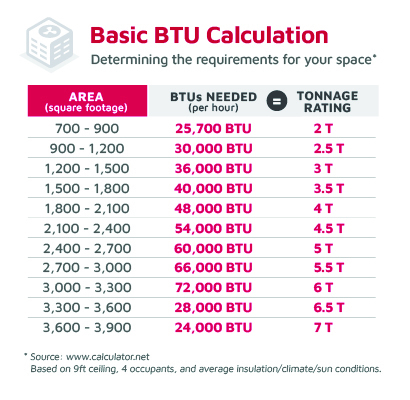
Using Square Footage
One simple way to estimate cooling load is by using the home’s square footage. You multiply the area by a cooling factor. This factor varies by climate and insulation quality.
- Measure the total square feet of the cooled space.
- Multiply by 20 BTUs per square foot for a rough estimate.
- Adjust the factor if your home has poor insulation or large windows.
Heat Gain Sources
Heat gain comes from several sources inside and outside the home. These add to the cooling load. Identifying them helps to improve accuracy.
| Heat Gain Source | Description | Effect on Cooling Load |
| Sunlight through windows | Direct solar heat entering rooms | Increases cooling needs |
| Appliances | Heat released by machines and electronics | Raises indoor temperature |
| People | Body heat from occupants | Adds to heat inside |
| Lighting | Heat from light bulbs, especially incandescent | Increases heat load |
Manual J Calculation
Manual J is a detailed method to find cooling load. It uses many factors for accuracy. HVAC professionals often use this method.
- Gather data on home size, insulation, windows, and orientation.
- Account for heat gain from occupants and appliances.
- Calculate cooling load room by room.
- Add all loads to get total cooling requirement.
- Choose air conditioner tonnage based on total load.
Credit: www.carrier.com
Matching Tonnage To Needs
Choosing the right air conditioner tonnage is important for comfort and cost. Tonnage means the cooling power of the AC unit.
Picking the right size helps your home stay cool without wasting energy or money.
Avoiding Oversizing
Too much tonnage means the AC cools the room too fast. It turns on and off often, called short cycling.
Short cycling wastes electricity and wears out the unit quickly. It also leaves the room humid and uncomfortable.
- High energy bills
- More repairs needed
- Poor humidity control
- Uneven cooling
Risks Of Undersizing
Too little tonnage means the AC runs all the time but cannot cool the space well. It causes discomfort and high energy use.
The unit works harder, which can lead to early breakdowns and higher repair costs.
- Rooms stay warm
- Higher energy bills
- Increased wear and tear
- Shorter AC lifespan
Energy Efficiency Impact
Right-sized AC units use energy efficiently by running longer cycles. This saves money and keeps your home comfortable.
Proper tonnage reduces electricity use and lowers your carbon footprint.
- Lower electricity bills
- Less environmental impact
- Better indoor air quality
- More reliable cooling
Tools And Resources
Choosing the right air conditioner size is important for comfort and efficiency. Several tools and resources can help you find the correct tonnage. This guide covers two main options to assist you.
Using these tools can save you time and avoid costly mistakes. Let’s look at online calculators and professional assessments.
Online Calculators
Online calculators help estimate air conditioner tonnage based on room size and other factors. They are quick and easy to use for basic needs.
- Enter the room’s square footage
- Provide ceiling height and window size
- Specify sun exposure and insulation quality
- Include number of occupants and appliances
These calculators give an estimated tonnage needed. Keep in mind, results may vary based on your exact conditions.
Professional Assessments
Professional HVAC technicians perform detailed assessments to determine the right AC tonnage. They use specialized tools and knowledge for accurate results.
| Assessment Aspect | Description |
| Manual J Load Calculation | Calculates heating and cooling loads using building details |
| Airflow Measurement | Checks how well air circulates in your space |
| Equipment Inspection | Examines existing HVAC systems for efficiency and sizing |
| Site Visit | Allows technician to observe unique conditions affecting load |
Credit: www.lennox.com
Tips For Selecting The Right Ac
Choosing the right air conditioner size is important for comfort and energy savings. An AC that is too big or small will not work well.
Understanding how to determine air conditioner tonnage can help you pick the best unit for your home or office.
Consulting Experts
Experts like HVAC technicians can measure your space and suggest the right tonnage. They consider room size, insulation, and windows.
Getting professional advice helps avoid buying an AC that is too strong or weak for your needs.
Considering Future Changes
Think about possible changes in your home. Adding rooms or new windows can affect AC size needs.
Choosing a slightly larger unit can save you money later if your space grows.
- Plan for new rooms or extensions
- Account for more people living in the space
- Consider adding large windows or glass doors
Budget And Maintenance
Think about how much you want to spend on buying and running the AC. Larger units cost more upfront and use more energy.
Maintenance is easier with the right size unit. Too big or small units may need more repairs and use more electricity.
- Compare energy use for different tonnages
- Check costs for regular servicing
- Balance price with long-term savings
Frequently Asked Questions
What Does Ac Tonnage Mean In Air Conditioning?
AC tonnage measures the cooling capacity of an air conditioner. One ton equals 12,000 BTUs per hour. It indicates how much heat the unit can remove from a space efficiently.
How To Calculate The Right Ac Tonnage For Home?
To find the right AC tonnage, calculate your room size in square feet. Typically, 1 ton cools 400-600 sq ft. Consider insulation, ceiling height, and climate for accuracy.
Why Is Choosing Correct Ac Tonnage Important?
Choosing the correct AC tonnage ensures optimal cooling and energy efficiency. Oversized units waste energy, while undersized ones struggle to cool. Proper sizing extends unit life and lowers costs.
Can I Use A Bigger Tonnage Ac For Faster Cooling?
Using a bigger tonnage AC cools faster but causes frequent cycling. This reduces efficiency, increases wear, and raises electricity bills. Properly sized AC provides balanced cooling and comfort.
Conclusion
Choosing the right air conditioner tonnage keeps your home cool and saves energy. Too big or too small units cause discomfort and higher bills. Measure your room size carefully before deciding. Use simple tools or ask a professional for help.
Proper tonnage means better cooling and longer unit life. Stay comfortable all summer with the right AC size.