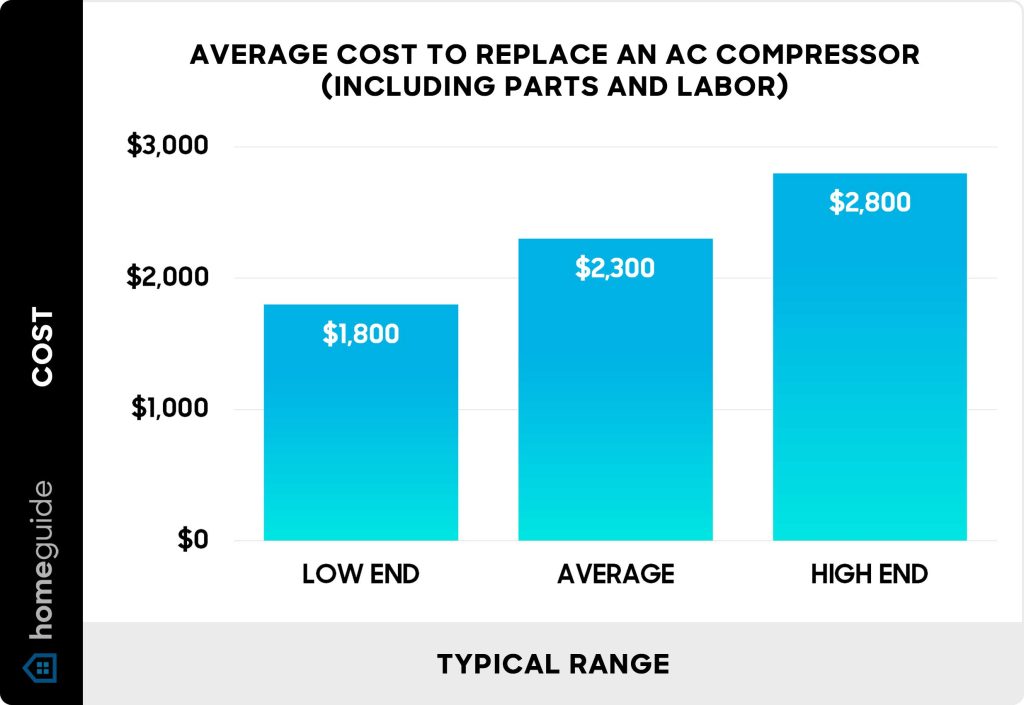
Are you wondering how much it will cost to replace your air conditioner? Knowing the average price can help you plan your budget and avoid surprises.
Whether your AC broke down or you want a more energy-efficient model, understanding the costs involved is the first step. You’ll discover the key factors that affect the price, what you can expect to pay, and tips to save money without sacrificing comfort.
Keep reading to make a smart choice for your home and stay cool all year long.
Factors Influencing Replacement Cost
Replacing an air conditioner can cost different amounts. Many factors affect the total price. Knowing these can help you plan your budget better.
Understanding what influences the cost helps you make smart choices. Let’s look at the main factors that change the price.
Type Of Air Conditioner
The kind of air conditioner you choose impacts the cost. Different types have different prices and installation needs.
Central air units usually cost more than window units. Ductless mini-splits are in between. Each has its own price range.
- Central air conditioners
- Window air conditioners
- Ductless mini-split systems
- Portable air conditioners
Unit Size And Capacity
Air conditioners come in different sizes. Bigger units cool more space but cost more to buy and install.
Choosing the right size is key. A unit too small won’t cool well. Too large wastes energy and money.
- Measured in BTUs (British Thermal Units)
- Higher BTU means bigger cooling power
- Match size to room or home size
Installation Complexity
How hard it is to install the unit affects the price. Simple installs cost less than complex ones.
Complex installations include adding new ducts or electrical work. These add time and labor costs.
- Existing ductwork or none
- Electrical system upgrades
- Location of the unit
- Special mounting needs
Energy Efficiency Ratings
Energy-efficient air conditioners cost more upfront. They save money on electric bills over time.
Look for units with high SEER ratings. These use less power and are better for the environment.
- SEER: Seasonal Energy Efficiency Ratio
- Higher SEER means better efficiency
- Energy Star certified units
Geographical Location
Where you live changes replacement costs. Labor and material prices vary by region.
Hotter climates may need bigger or more powerful units. This can increase price.
- Local labor rates
- Climate and cooling needs
- Building codes and permits
Typical Cost Ranges
Replacing an air conditioner can vary in cost based on the type of system. Knowing the average price helps you plan your budget better.
Costs depend on the size, brand, and installation complexity. Below are typical cost ranges for different air conditioner types.
Central Air Conditioners
Central air conditioners cool entire homes through ductwork. They are common in many houses and need professional installation.
The cost includes the unit price and labor for installation. Larger homes need bigger systems, raising the price.
- Unit price: $2,500 to $5,000
- Installation: $1,500 to $3,000
- Total cost: $4,000 to $8,000
Ductless Mini-split Systems
Ductless mini-split systems cool individual rooms without ducts. They are easy to install and energy-efficient.
Costs rise with the number of indoor units and system size. Installation is simpler but still needs a professional.
- Unit price: $1,500 to $3,000 per zone
- Installation: $500 to $2,000 per zone
- Total cost: $2,000 to $5,000 per zone
Window Units
Window air conditioners cool single rooms and fit in window frames. They are affordable and easy to install yourself.
Prices vary by size and features. No professional installation is usually needed.
- Price range: $150 to $600
- Installation: Usually free if DIY
- Total cost: $150 to $600
Portable Air Conditioners
Portable air conditioners can be moved from room to room. They do not require permanent installation.
They cost more than window units but offer flexibility. You only need to vent the hot air outside a window.
- Price range: $250 to $700
- Installation: Minimal or none
- Total cost: $250 to $700
Additional Expenses To Consider
Replacing an air conditioner costs more than just the unit price. You need to think about other fees that can add up quickly.
These extra expenses can vary based on your home’s needs and local regulations. Knowing them helps you plan your budget better.
Ductwork Repair Or Replacement
Old or damaged ductwork can reduce your air conditioner’s efficiency. Fixing or replacing ducts may be necessary to get the best cooling.
- Repair small leaks or holes in ducts
- Replace entire duct sections if badly damaged
- Seal and insulate ducts for better performance
Permits And Inspections
Local laws often require permits before installing a new air conditioner. Inspectors check to make sure the job meets safety standards.
| Permit Type | Average Cost |
| Installation Permit | $50 – $150 |
| Electrical Permit | $75 – $200 |
| Inspection Fee | $100 – $300 |
Removal And Disposal Of Old Unit
Removing your old air conditioner takes time and effort. Disposal may also cost money because of special handling rules.
- Disconnect and remove the old unit safely
- Recycle parts if possible to reduce waste
- Pay disposal fees for hazardous materials
Extended Warranties And Maintenance Plans
Extended warranties protect your air conditioner beyond the basic guarantee. Maintenance plans keep your system running well.
| Service | Typical Cost | Benefits |
|---|---|---|
| Extended Warranty | $200 – $600 | Cover repairs after warranty ends |
| Maintenance Plan | $100 – $300 per year | Regular check-ups and tune-ups |
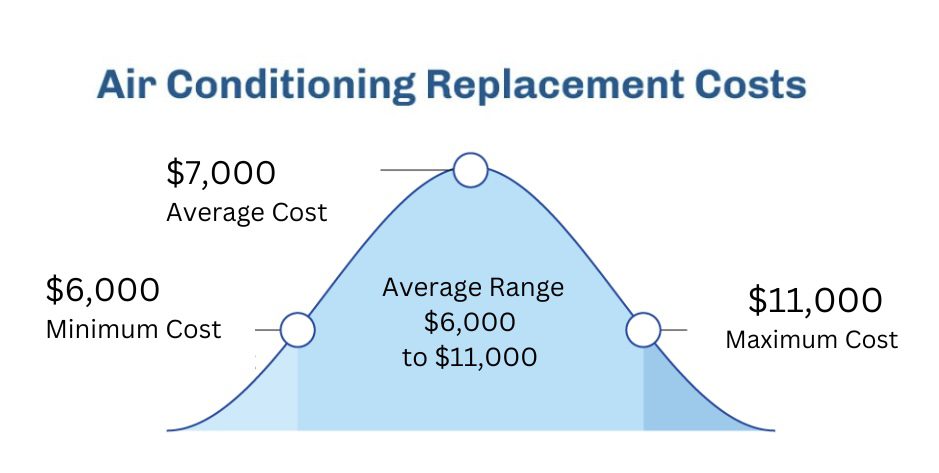
Credit: fortcollinsheating.com
Ways To Save On Replacement
Replacing an air conditioner can be expensive, but there are ways to save money. Choosing the right options helps reduce costs without sacrificing comfort.
This guide covers energy-efficient models, seasonal deals, payment choices, and installation tips to help you spend less on your new air conditioner.
Energy-efficient Models
Energy-efficient air conditioners use less electricity and lower your utility bills. They may cost more upfront but save money over time.
- Look for units with a high SEER rating
- Choose models with Energy Star certification
- Consider variable speed compressors for better efficiency
- Regular maintenance keeps units running efficiently
Seasonal Discounts And Rebates
Buying an air conditioner during certain times of the year can lower your costs. Many sellers offer discounts and rebates to attract buyers.
| Season | Common Discounts | Rebate Availability |
| Spring | Moderate | Some utility rebates |
| Summer | Low | Few rebates |
| Fall | High | Many rebates and incentives |
| Winter | Moderate | Limited rebates |
Financing Options
Financing helps spread the cost of a new air conditioner over time. This makes it easier to afford without large upfront payments.
- Check if the dealer offers low-interest financing
- Look for special credit cards with deferred interest
- Use personal loans with fixed payments
- Compare terms and fees before choosing
Diy Vs Professional Installation
Installing an air conditioner yourself can save labor costs. But professional installation ensures safety and proper setup.
- DIY may save money but needs tools and skills
- Professionals handle electrical and refrigerant work
- Incorrect installation may cause system damage
- Check warranty rules; some require professional installation
Signs You Need A Replacement
Air conditioners do not last forever. Knowing when to replace yours helps avoid big problems.
Watch for warning signs that show your unit may be near the end of its life.
Frequent Breakdowns
If your air conditioner breaks down often, it may cost more to fix than replace.
- Repairs become more frequent and expensive
- Parts get harder to find
- Unit stops working during hot days
Rising Energy Bills
Older air conditioners use more electricity. This makes your bills rise over time.
| Year | Average Monthly Energy Cost |
| Year 1 | $50 |
| Year 5 | $75 |
| Year 10 | $100 |
Inconsistent Cooling
Your home should feel cool in every room. If some rooms are too hot or cold, the AC may be failing.
- Some rooms stay warm even when AC runs
- Airflow feels weak or uneven
- Unit cycles on and off too much
Age Of Existing Unit
Most air conditioners last about 10 to 15 years. Older units lose efficiency and break down more.
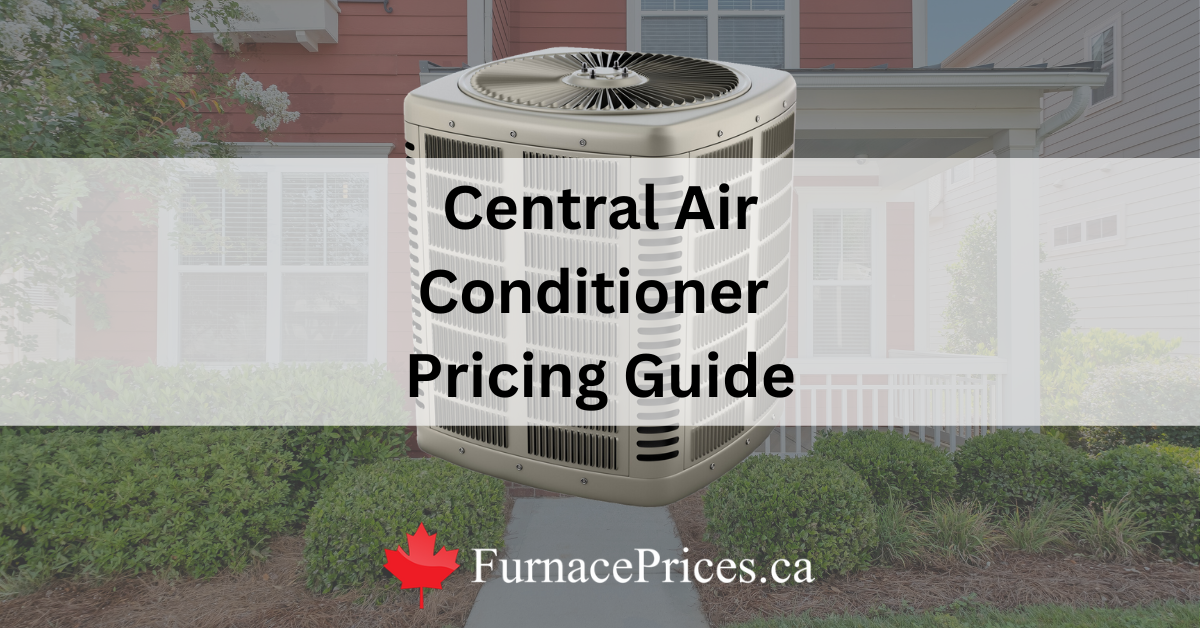
Credit: www.furnaceprices.ca
Choosing The Right Contractor
Replacing an air conditioner is a big job. Picking the right contractor matters a lot. A good contractor saves time and money.
Look closely at who you hire. This guide helps you check important points before you decide.
Licensing And Certification
Always choose contractors with proper licenses. Licenses show they meet state rules. Certification means they have special training. This helps ensure good work and safety.
Customer Reviews
Reading reviews from past customers shows a contractor’s quality. Look for honest feedback about work and service. Avoid contractors with many bad reviews.
- Check review sites like Google and Yelp
- Ask friends or family for recommendations
- Look for patterns in comments
- Contact past customers if possible
Detailed Estimates
A clear estimate helps avoid surprises. The best contractors provide written, detailed estimates. It should list parts, labor, and other costs.
| Estimate Part | Description |
| Equipment Cost | Price for air conditioner unit and parts |
| Labor Charges | Cost of installation work |
| Additional Fees | Permits, disposal, or extra services |
| Total Price | Sum of all costs |
Service Guarantees
Good contractors stand behind their work. Ask about service guarantees and warranties. These protect you if something goes wrong after installation.
Questions to ask about guarantees:
- How long is the warranty on parts?
- Is labor covered after installation?
- What does the guarantee include?
- How to claim service if needed?

Credit: www.furnaceprices.ca
Frequently Asked Questions
What Is The Average Cost To Replace An Air Conditioner?
The average cost to replace an air conditioner ranges from $3,000 to $7,500. This depends on unit size, brand, and installation complexity. Higher efficiency models and larger systems increase the price. Labor costs and additional repairs may affect the final cost.
How Long Does An Air Conditioner Replacement Take?
Replacing an air conditioner typically takes 4 to 8 hours. This depends on system size and installation complexity. Simple replacements are quicker, while ductwork changes or upgrades take longer. Professional installation ensures proper setup and performance.
Are There Hidden Costs In Air Conditioner Replacement?
Yes, hidden costs may include permits, duct repairs, and disposal fees. Additional electrical work or upgrades can add expenses. Always ask for a detailed estimate to avoid surprises. Choosing a licensed contractor helps ensure transparency.
Can I Replace My Air Conditioner Myself?
DIY replacement is not recommended due to complexity and safety risks. Proper refrigerant handling requires certification. Incorrect installation can void warranties and reduce efficiency. Hiring a professional ensures compliance with codes and optimal performance.
Conclusion
Replacing an air conditioner costs vary by size and type. Expect to pay for the unit, installation, and any extra parts. Choosing energy-efficient models can save money over time. Plan your budget carefully to avoid surprises. Getting quotes from different contractors helps find the best price.
Remember, a well-maintained AC lasts longer and works better. Take time to research before deciding. It pays off in comfort and savings.