Are you looking for an efficient way to heat and cool your home? A heat pump split system might be the perfect solution for you.
This technology can keep your space comfortable all year round while saving you money on energy bills. But what exactly is a heat pump split system, and how does it work? Keep reading to discover how this system can improve your home’s comfort and efficiency.
You’ll learn everything you need to know before making a smart choice for your heating and cooling needs.
Credit: www.rapidheat247.co.uk
Heat Pump Split System Basics
A heat pump split system helps heat and cool your home efficiently. It uses electricity to move heat instead of creating it.
This system has two main parts. One is outside, and the other is inside your house. Together, they keep your home comfortable.
Components And Setup
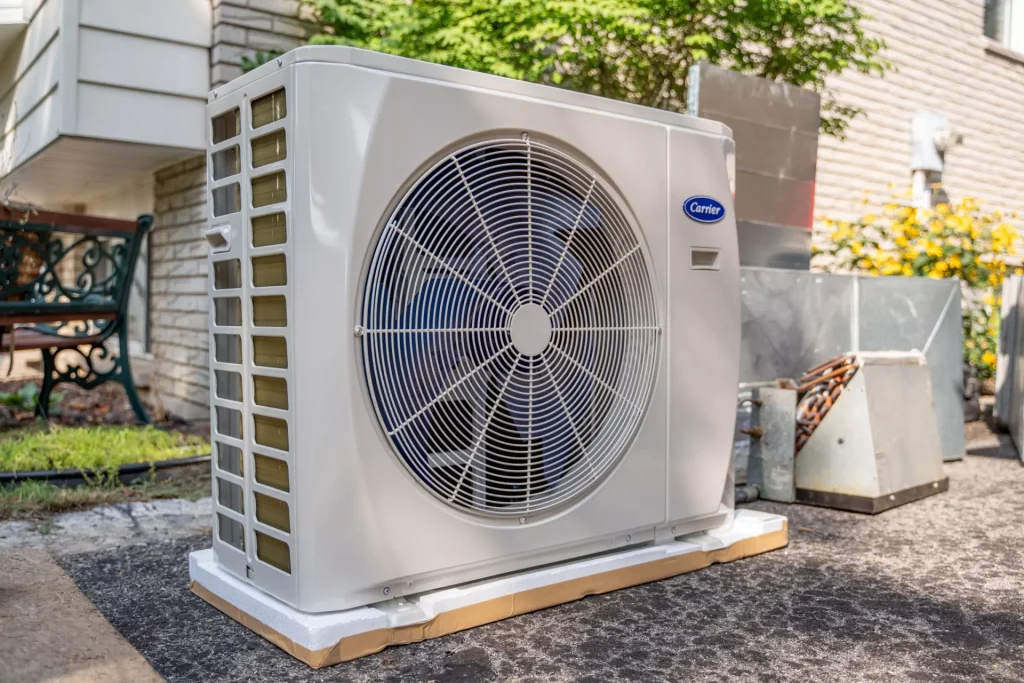
The heat pump split system has two key components. The outdoor unit and the indoor unit work together to control temperature.
The outdoor unit contains the compressor and a fan. The indoor unit has a coil and a blower to move air inside.
- Outdoor unit: compressor, fan, and condenser coil
- Indoor unit: evaporator coil and blower fan
- Refrigerant lines connect both units
- Thermostat controls the system
How It Works
The heat pump moves heat from outside to inside during cold months. It works like a refrigerator but in reverse.
In warm months, it removes heat from inside and sends it outside. This cools your home efficiently.
- Compressor pumps refrigerant through the system
- Refrigerant absorbs heat from outside air
- Indoor coil releases heat inside or absorbs heat to cool
- Fans blow air over coils to spread warm or cool air
Energy Efficiency Benefits
A heat pump split system moves heat instead of making it. This uses less energy than traditional heaters or coolers.
These systems help save electricity and lower bills. They also keep your home comfortable all year.
Lower Energy Consumption
Heat pump split systems use less power by transferring heat rather than generating it. This method is efficient and eco-friendly.
- They consume up to 50% less energy than electric heaters.
- The system adjusts power use based on room temperature.
- Advanced compressors reduce wasted energy.
- They can work efficiently even in cold weather.
Year-round Climate Control
These systems provide both heating and cooling. This means you only need one device for all seasons.
| Season | Function |
| Winter | Extracts heat from outside air to warm your home |
| Summer | Removes heat from inside to cool your home |
Installation Considerations
Installing a heat pump split system needs careful planning. This ensures the system works well and lasts long.
Two important points are space requirements and choosing between professional or DIY installation.
Space Requirements
The outdoor and indoor units need enough room for air flow and service access. Poor space can reduce efficiency.
- Outdoor unit should be on a flat, stable surface with 12 to 24 inches clearance on all sides.
- Indoor unit needs enough wall space, usually about 12 inches above the floor and 6 inches from the ceiling.
- Avoid placing units near heat sources or direct sunlight to prevent overheating.
- Check local building rules for clearance and noise limits.
Professional Vs Diy Installation
Installing a heat pump split system can be done by professionals or by yourself. Each choice has pros and cons.
| Installation Type | Advantages | Disadvantages |
| Professional | Correct setup, warranty protection, safety ensured | Higher cost, scheduling needed |
| DIY | Lower cost, flexible timing | Risk of errors, no warranty, safety hazards |

Credit: www.homedepot.ca
Cost Factors And Savings
A heat pump split system is a heating and cooling solution for your home. It uses electricity to move heat instead of creating it. This makes it energy efficient.
Understanding the costs and savings helps you decide if this system suits your needs. We look at the initial investment and long-term savings.
Initial Investment
The initial cost of a heat pump split system includes the price of the unit and installation fees. Prices vary based on size, brand, and features.
Installing the system may require changes to your home’s wiring or ductwork. This can add to the total cost.
- Cost of the heat pump unit
- Installation charges
- Possible home modifications
- Permits or inspections
Long-term Savings
Heat pump split systems use less electricity than traditional heaters or air conditioners. This lowers your energy bills over time.
Regular maintenance helps keep the system efficient. It can also extend the life of the unit, saving replacement costs.
- Lower electricity bills
- Reduced heating and cooling costs
- Longer system lifespan with care
- Possible tax credits or rebates
Maintenance Tips
Heat pump split systems need regular care to work well. Good maintenance saves energy and extends the system’s life.
Simple tasks done often help avoid big problems. Keep your system clean and check parts regularly.
Routine Checks
Check your heat pump split system every month. Look for dirt, leaks, or strange noises. Clean or replace filters as needed.
Keep the outdoor unit clear of leaves and debris. Make sure the area around the unit has good airflow.
- Clean or replace air filters every 1-3 months
- Inspect outdoor unit for leaves and dirt
- Check for ice buildup on outdoor coils
- Listen for unusual noises from the system
- Ensure vents inside the house are not blocked
Troubleshooting Common Issues
If your heat pump split system stops working well, try simple fixes first. Check the thermostat settings and power supply.
Look for water leaks or frost on the outdoor unit. These signs can show common problems like low refrigerant or blocked airflow.
- Reset the system by turning it off and on again
- Clean dirty filters to improve airflow
- Clear debris around the outdoor unit
- Check thermostat batteries and settings
- Call a professional if the system still does not work

Credit: homeoutletdirect.com
Comparing With Other Hvac Systems
A heat pump split system is a popular HVAC choice for many homes. It offers both heating and cooling in one unit. Understanding how it compares to other systems helps you decide the best fit for your needs.
This comparison looks at heat pumps versus traditional air conditioners and split systems versus ducted systems. Each system has unique features and benefits.
Heat Pump Vs Traditional Ac
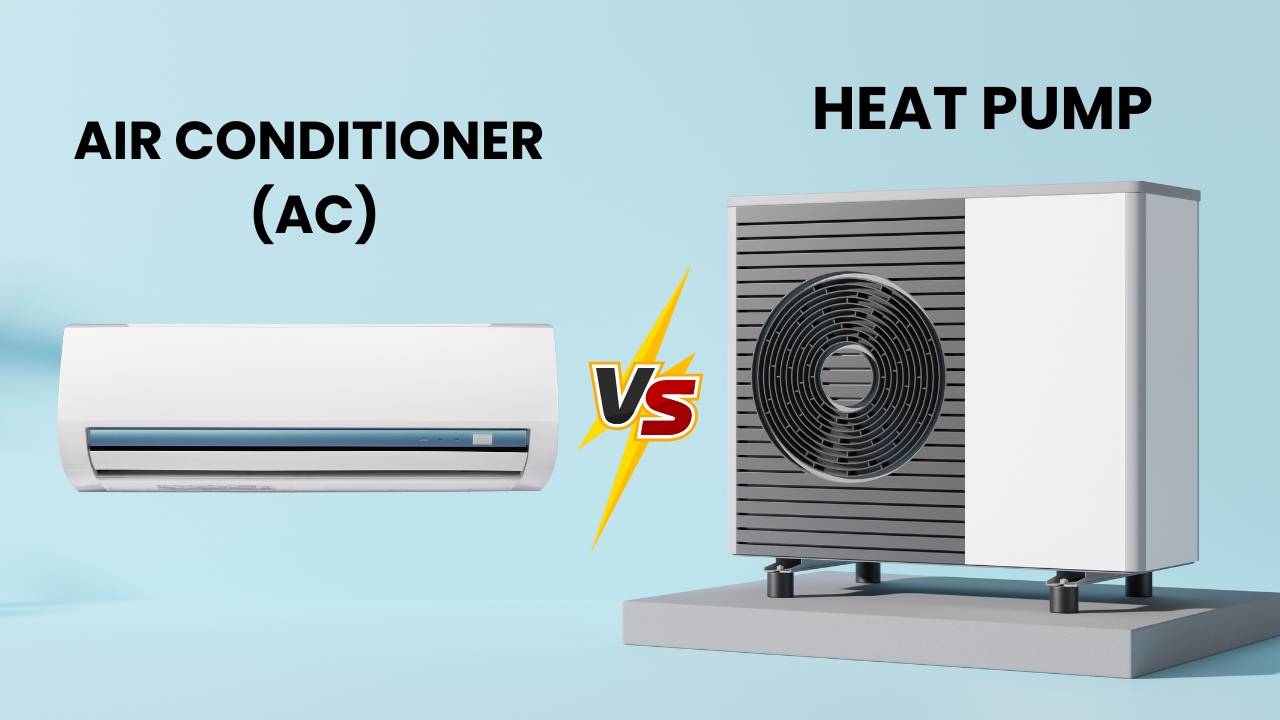
Heat pumps and traditional air conditioners both cool your home. The main difference is heat pumps can also heat your space efficiently. Traditional AC units only cool and need a separate heater for warmth.
- Heat pumps transfer heat from outside to inside during winter.
- Traditional AC units remove heat from inside but cannot heat.
- Heat pumps save energy by using electricity to move heat.
- AC units may cost more to run if paired with electric heaters.
- Heat pumps work best in moderate climates but may struggle in extreme cold.
Split System Vs Ducted Systems
Split systems use individual units for each room or zone. Ducted systems use ducts to deliver air throughout the whole house from one central unit.
| Feature | Split System | Ducted System |
|---|---|---|
| Installation | Easier and less invasive | Requires ducts and more construction |
| Cost | Lower initial cost | Higher upfront cost |
| Control | Individual room control | Whole-house control |
| Efficiency | Can be more efficient for small spaces | Better for large homes |
| Maintenance | Simple and focused on units | Requires duct cleaning and inspection |
Ideal Use Cases
A heat pump split system is a heating and cooling solution. It uses two parts: one inside and one outside.
This system moves heat instead of creating it. It works well for many homes and buildings.
Best Climates For Heat Pumps
Heat pump split systems work best in mild climates. They heat and cool efficiently in these areas.
They are ideal where winters are cool but not extreme. They also work well in places with hot summers.
- Coastal regions with mild winters
- Temperate zones with moderate seasons
- Areas with low humidity levels
Suitable Building Types
Heat pump split systems fit many building types. They are easy to install and save space.
They work well in both new and older buildings. They suit homes, offices, and small commercial spaces.
- Single-family homes
- Apartment buildings
- Small offices and shops
- Renovated older homes
Frequently Asked Questions
What Is A Heat Pump Split System?
A heat pump split system is an HVAC unit with indoor and outdoor components. It provides efficient heating and cooling using refrigerant cycles.
How Does A Heat Pump Split System Work?
It transfers heat between indoor and outdoor units. In winter, it extracts outdoor heat; in summer, it removes indoor heat.
What Are The Benefits Of Heat Pump Split Systems?
They offer energy-efficient temperature control, lower utility bills, and quieter operation compared to traditional systems.
Can A Heat Pump Split System Heat And Cool?
Yes, it provides both heating and cooling, making it ideal for year-round climate control.
Conclusion
A heat pump split system cools and heats your home efficiently. It uses less energy than traditional systems. The indoor and outdoor units work together to keep air comfortable. Many people choose it for year-round comfort. Easy to install and quiet in operation.
It suits various home sizes and climates well. Understanding how it works helps you make smart choices. Consider this system for a reliable and cost-effective solution. Simple, effective, and good for your energy bills.