Have you ever wondered how bright your car headlights really are? Knowing how many lumens your headlights produce can make a big difference in your safety on the road.
Bright lights help you see farther and react faster, especially in dark or foggy conditions. But too much brightness can also blind other drivers. You’ll discover exactly what lumens are, how they affect your driving, and how to choose the right headlights for your car.
Keep reading to make sure your headlights are lighting the way just right.
What Lumens Mean For Headlights
Lumens measure how much light a headlight produces. The higher the lumens, the brighter the light.
Car headlights use lumens to show how well they can light the road ahead. This helps drivers see better at night.
Lumens Vs. Other Brightness Metrics
Lumens measure total light output. This is different from watts, which show energy use, not brightness.
Another metric is candela, which measures light intensity in a specific direction. Lux measures light on a surface.
- Lumens:Total light output from the bulb
- Watts:Energy the bulb uses
- Candela:Brightness in a particular direction
- Lux:Light level on a surface
Why Lumens Matter In Driving
Bright headlights help drivers see obstacles and road signs clearly. This is important for safety, especially at night.
Too low lumens can make it hard to see. Too high lumens can blind other drivers. Finding the right balance is key.
- Bright headlights improve night vision
- Proper lumens reduce driving accidents
- Correct brightness prevents glare for others
- Good lighting helps spot pedestrians and animals

Credit: www.amazon.ca
Typical Lumen Ranges For Car Headlights
Car headlights vary in brightness depending on the technology used. Lumens measure how much light a headlight produces. Knowing the typical lumen ranges helps you understand their performance.
Different headlights offer different benefits, from cost to brightness. Let’s look at halogen, HID, and LED headlights and their lumen outputs.
Halogen Headlights
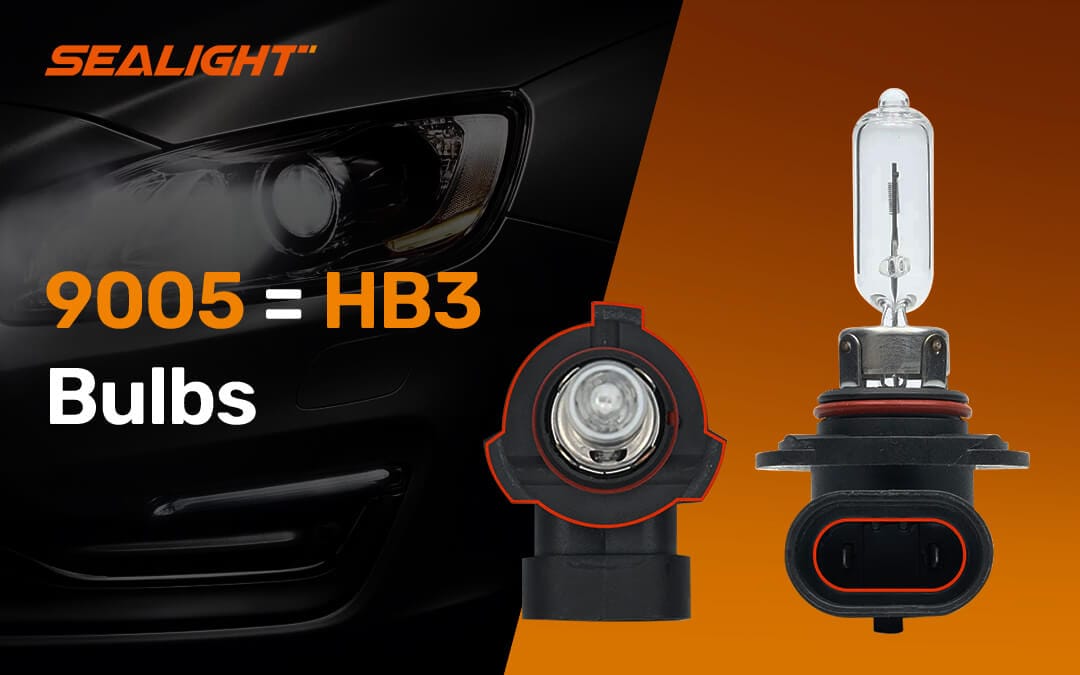
Halogen headlights are the most common and affordable. They use a tungsten filament and halogen gas to produce light. Their brightness is lower compared to other types.
- Typical lumen range: 700 to 1,200 lumens per bulb
- Warm yellowish light color
- Shorter lifespan than other headlights
Hid Headlights
HID (High-Intensity Discharge) headlights produce light by an electric arc between two electrodes. They offer higher brightness and better visibility at night.
| HID Headlight Feature | Details |
| Lumen Range | 3,000 to 3,500 lumens per bulb |
| Light Color | Bright white to bluish |
| Lifespan | Longer than halogen bulbs |
Led Headlights
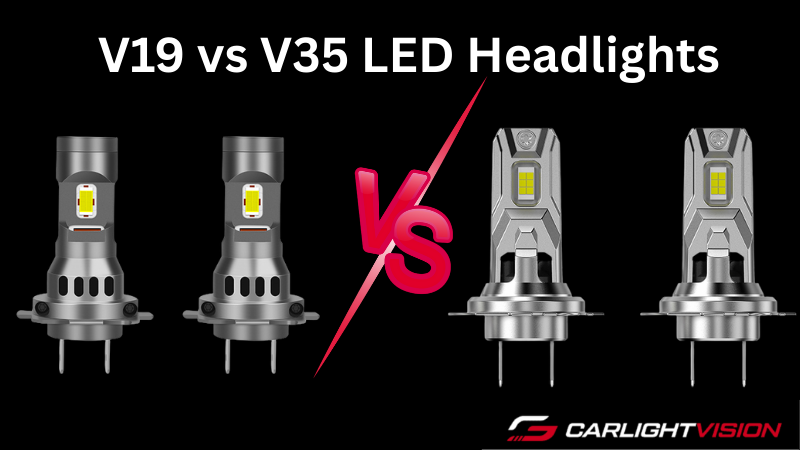
LED headlights use light-emitting diodes to create bright and efficient light. They consume less power and last longer than halogen and HID lights.
- Lumen output: 2,000 to 4,000 lumens per bulb
- Very bright white light
- Energy efficient and durable
Factors Affecting Headlight Brightness
Car headlight brightness depends on several key factors. These elements control how much light reaches the road.
Understanding these factors helps to know why some headlights appear brighter than others.
Beam Pattern And Focus
The beam pattern shapes how light spreads ahead of the vehicle. A focused beam sends light far and wide. A scattered beam wastes light and lowers brightness.
Proper alignment of the beam is also important. If the beam points too high or too low, it reduces the effective light on the road.
Lens And Reflector Design
The lens covers the light bulb and controls light direction. Reflectors behind the bulb bounce light forward. Their shape and size change brightness.
- Clear lenses allow more light to pass through.
- Textured lenses spread light evenly.
- Efficient reflectors focus light into a strong beam.
- Old or dirty lenses reduce brightness.
Power Supply And Efficiency
| Factor | Effect on Brightness |
| Voltage Supply | Higher voltage makes bulbs brighter |
| Bulb Efficiency | More efficient bulbs produce more light per watt |
| Heat Management | Better cooling keeps brightness stable |
| Wiring Quality | Good wiring prevents power loss |
Legal Limits On Headlight Brightness
Car headlights have a brightness level measured in lumens. This brightness affects how well drivers see at night. Many countries set legal limits on how bright these headlights can be.
These limits help prevent glare for other drivers. They also ensure headlights are safe and effective on the road.
Regulations By Region
Different regions have rules about headlight brightness. These rules vary based on local laws and safety standards.
- United States:Headlight brightness usually cannot exceed 3,000 lumens per bulb.
- Europe:The limit is often around 1,200 lumens per bulb, following ECE regulations.
- Japan:Headlights are limited to about 1,500 lumens.
- Australia:Rules are similar to Europe, with focus on beam pattern and brightness.
These limits ensure headlights do not blind other drivers or pedestrians. They also help maintain consistent visibility on the road.
Safety Considerations
Bright headlights improve night vision but can cause glare. Glare can reduce safety for oncoming drivers.
Choosing headlights within legal brightness helps keep roads safe. Proper alignment and beam shape also matter for safety.
- Too bright headlights can blind other drivers.
- Too dim headlights may reduce your visibility.
- Proper headlight alignment avoids glare and improves light spread.
- Follow local laws for safe and legal lighting.
Choosing The Right Brightness For Your Car
Car headlights come with different brightness levels measured in lumens. Choosing the right brightness helps you see clearly while driving at night.
Too bright or too dim headlights can cause problems. It is important to find a good balance for safety and comfort.
Balancing Brightness And Glare
Bright headlights improve visibility but can cause glare for other drivers. Glare can make it hard for others to see the road.
Choosing headlights with the right lumen level reduces glare and keeps everyone safe on the road.
- Use headlights with 700 to 1,200 lumens for low beams
- High beams can be brighter, around 1,200 to 2,000 lumens
- Avoid extremely bright lights over 3,000 lumens to reduce glare
Considering Driving Conditions
Driving conditions affect the best brightness level for your headlights. Weather, road type, and traffic all matter.
Adjust your headlights based on these conditions to improve safety and visibility.
- In fog or rain, use lower brightness to reduce reflection
- On dark, empty roads, higher lumens help you see farther
- In city traffic, moderate brightness prevents blinding other drivers

Credit: www.carifex.com
Advances In Headlight Technology
Car headlights have improved a lot over the years. They now use more powerful lights that help drivers see better at night.
Today’s headlights are brighter and more energy-efficient. They also adapt to different driving conditions for safety.
Adaptive And Smart Headlights
Adaptive headlights change their light pattern based on the road. They help drivers see curves and corners clearly.
Smart headlights use sensors and cameras. They adjust brightness to avoid blinding other drivers.
- Automatic high beam switching
- Light direction changes with steering
- Brightness adjusts to weather conditions
Future Trends In Lumens And Efficiency
New headlights will be brighter but use less energy. This helps save car battery power and reduces heat.
Advances in LED and laser lights will increase lumens. Cars will have safer and clearer lighting at night.
- Higher lumen output with lower power use
- Longer-lasting light sources
- Better control over light spread
Credit: sealight-led.com
Frequently Asked Questions
How Many Lumens Do Standard Car Headlights Produce?
Standard car headlights typically produce between 700 and 1,200 lumens. This range ensures adequate visibility without blinding other drivers. Halogen bulbs usually emit around 1,000 lumens, while LED and HID headlights can produce higher lumen outputs.
Do Brighter Headlights Mean Better Visibility?
Brighter headlights generally improve visibility but only up to a point. Excessive brightness can cause glare for other drivers. Proper beam alignment and color temperature also affect how well you see the road at night.
How Do Lumen Levels Vary Between Headlight Types?
Halogen headlights emit about 700-1,200 lumens. HID lights produce between 3,000 and 4,500 lumens. LED headlights range from 1,500 to 4,000 lumens. Each type balances brightness, energy efficiency, and lifespan differently.
Can High-lumen Headlights Affect Other Drivers?
Yes, headlights with very high lumens can cause glare and discomfort to oncoming traffic. This can lead to unsafe driving conditions. It’s important to use headlights that meet legal brightness limits and adjust them properly.
Conclusion
Car headlight brightness varies by lumens, affecting visibility. Choosing the right lumens helps you see clearly at night. Too few lumens mean poor vision; too many can blind others. Most headlights range from 700 to 1,200 lumens per bulb. Always check your car’s manual for recommended brightness.
Bright headlights improve safety on dark roads. Remember, balance is key for safe and clear driving. Understanding lumens helps you pick the best headlights for your car. Stay safe and drive with confidence every night.