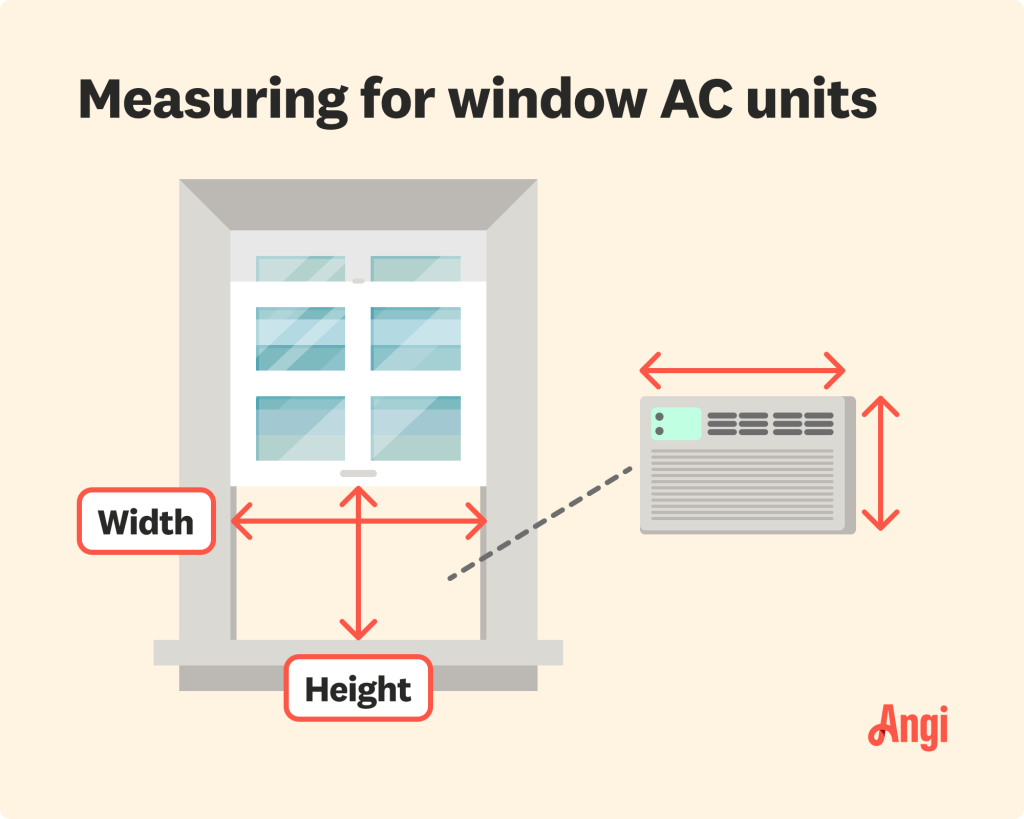
Are you unsure how to measure your air conditioner correctly? Getting the right size matters more than you think.
If your AC is too big or too small, it won’t cool your space efficiently and could increase your energy bills. But don’t worry—this guide will walk you through simple steps to measure your air conditioner with confidence. By the end, you’ll know exactly what to look for and how to ensure your home stays cool and comfortable all year long.
Keep reading to discover the easy way to measure your AC like a pro!
Why Accurate Ac Measurement Matters
Accurate AC measurementhelps keep rooms cool and saves energy. If the AC size is wrong, it may not cool properly. Too small units work too hard and break fast. Too big units cool too quickly and waste power.
Proper measurement also ensures better air quality. The AC can remove humidity well and keep air fresh. This makes the room more comfortable and healthy.
- Correct size reduces electricity bills.
- Prevents frequent repairs and saves money.
- Keeps temperature steady without big changes.
- Improves overall comfort in the room.
Tools Needed For Measuring
Measuring an air conditioner requires a few basic tools. A tape measurehelps check the unit’s size and space. A thermometermeasures the air temperature before and after cooling. A multimetertests electrical parts for safety and function. A pressure gaugechecks the refrigerant levels inside the system. Lastly, a notebook and penhelp record all the measurements.
These tools make it easier to understand how well the air conditioner works. Using the right tools ensures accurate results. It also helps find any problems early.
Measuring Room Size
Measure the length and width of the room in feet. Multiply these two numbers to get the square footage. For example, a room 12 feet long and 10 feet wide is 120 square feet.
Ceiling height affects cooling needs too. Standard ceiling height is about 8 feet. If your ceiling is higher, you need more cooling power.
| Ceiling Height | Adjustment |
|---|---|
| 8 feet or less | Standard cooling calculation |
| Above 8 feet | Add 10% more cooling capacity for each extra foot |

Credit: thefurnaceoutlet.com
Assessing Insulation And Sunlight
Check if walls and windows have good insulation. Poor insulation lets heat in and cool air escape. Look for cracks, holes, or thin spots. Use weather stripping or caulking to seal gaps. Double-pane windows help keep rooms cooler.
Sunlight affects room temperature a lot. Rooms with more sun exposureget hotter. Check how many hours sunlight hits the walls and windows. Use blinds, curtains, or shades to block direct sun. Planting trees or using awnings also helps reduce heat.
Determining Cooling Capacity
The cooling capacity of an air conditioner is measured in BTUs (British Thermal Units). The size of the room helps decide the needed BTU. Here is a simple guide:
| Room Size (sq ft) | BTU Needed |
|---|---|
| Up to 150 | 5,000 BTU |
| 150 – 250 | 6,000 – 7,000 BTU |
| 250 – 350 | 8,000 – 10,000 BTU |
| 350 – 450 | 10,000 – 12,000 BTU |
Extra people in the room add heat. Add 600 BTU for each extra person above two.
Appliances also produce heat. Add extra BTU if many heat-producing devices are present.
- For 3-4 people, add 1,200 BTU
- For many appliances, add 1,000 to 2,000 BTU
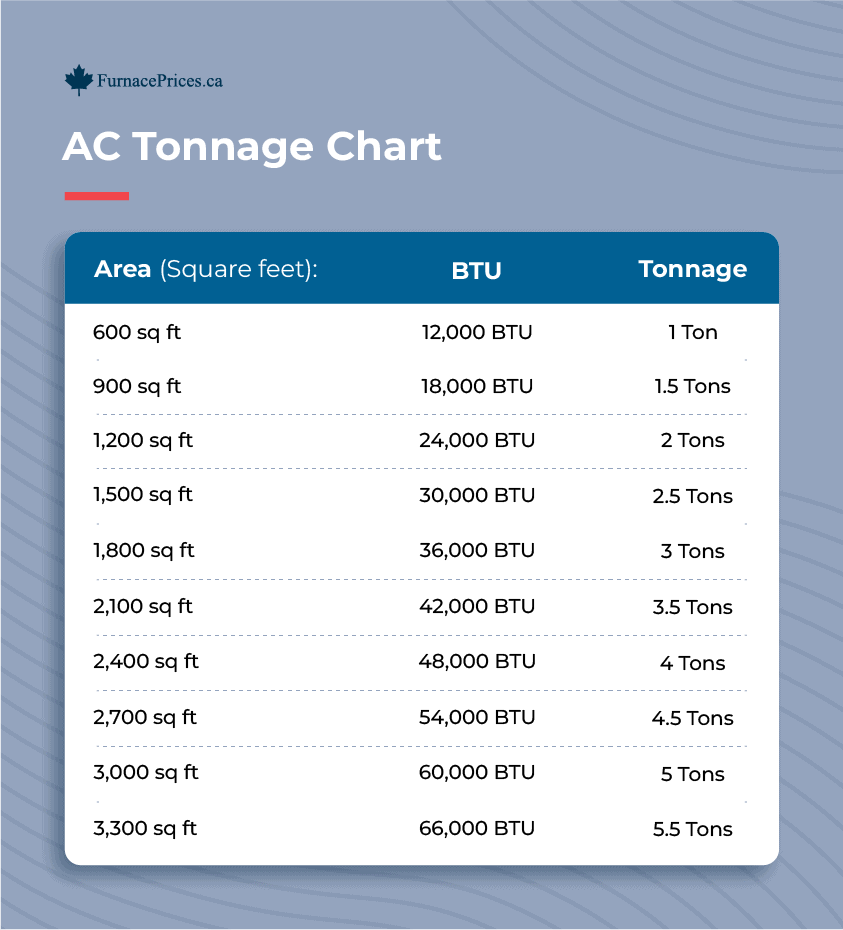
Credit: www.furnaceprices.ca
Choosing The Right Ac Type
Choosing the right air conditioner depends on the room size and your needs. Window unitsare easy to install and cost less. They fit well in small rooms or apartments.
Split unitsare quieter and more energy-efficient. They cool larger rooms and allow better air flow control. These need professional installation.
Portable unitsoffer flexibility. You can move them from room to room. But they usually use more energy and are less effective in big spaces.
| AC Type | Best For | Energy Efficiency |
|---|---|---|
| Window Unit | Small rooms, apartments | Moderate |
| Split Unit | Large rooms, homes | High |
| Portable Unit | Temporary cooling, flexibility | Low to Moderate |
Check the Energy Star rating for better efficiency. Higher ratings save money and help the environment. Also, size matters. An AC too big or small wastes energy.
Installation Tips For Optimal Cooling
Choose a spot with good airflowand away from direct sunlight. Avoid areas blocked by furniture or walls. This helps the air conditioner cool the room evenly.
Keep the unit at least 6-7 feetabove the floor. This allows cold air to spread better. Make sure the outdoor unit has clear spacearound it for air to flow freely.
- Do not place the unit near heat sources like ovens or lights.
- Avoid corners or tight spaces where air gets trapped.
- Allow at least 12 inches of space around the unit’s sides.
Proper placement saves energy and improves coolingperformance. Easy airflow means the air conditioner works less to cool the room.
Credit: heatable.co.uk
Frequently Asked Questions
What Tools Measure Air Conditioner Efficiency?
To measure air conditioner efficiency, use a digital thermometer and an anemometer. The thermometer checks temperature differences between air intake and output. The anemometer measures airflow rate. These tools help assess cooling performance and energy efficiency, ensuring your air conditioner operates optimally.
Regular checks prevent energy wastage and maintain comfort.
How To Check Air Conditioner Btu?
BTU, or British Thermal Unit, indicates cooling capacity. Locate the BTU rating on your air conditioner’s label or manual. Alternatively, use the formula: BTU = Area (in square feet) x 25. This calculation helps ensure your air conditioner is appropriately sized for your room, providing effective cooling.
Why Measure Air Conditioner Airflow?
Measuring airflow ensures efficient cooling and energy use. Proper airflow prevents strain on the system and maintains comfort. Use an anemometer to measure airflow rate from vents. Regular checks help identify blockages or issues early, extending your air conditioner’s lifespan and enhancing performance.
How Often Should You Measure Ac Efficiency?
Check your air conditioner’s efficiency at least twice a year. Regular assessments help identify issues early, maintaining optimal performance. Seasonal changes, like before summer and winter, are ideal times. Routine measurements ensure energy efficiency, comfort, and prolonged system lifespan, saving costs on repairs and energy bills.
Conclusion
Measuring your air conditioner helps keep your home comfortable. It ensures the unit works well and saves energy. Small steps, like checking size and power, make a big difference. Knowing how to measure can avoid costly mistakes. Take time to measure carefully for the best results.
This simple skill supports better cooling all year. Keep your space cool, fresh, and energy-smart.