Are you tired of your air conditioner struggling to keep your home cool during hot days? You might have heard about water cooled air conditioners, but what exactly are they?
Imagine a cooling system that uses water to keep your space comfortable while saving energy and reducing noise. If you want to discover how this technology works and why it could be the perfect fit for your home or office, keep reading.
By the end of this article, you’ll understand how a water cooled air conditioner can transform your cooling experience and help you make a smarter choice.

Credit: headpower2.en.made-in-china.com
Water Cooled Air Conditioner Basics
A water cooled air conditioneruses water to cool the air instead of air alone. It moves heat from inside a building to the outside using water as a cooling agent. This system is good for places with limited air flow or very hot weather.
How water cooling works:Warm air inside the room passes over coils filled with cool water. The water absorbs heat and carries it away. The warm water then goes to a cooling tower or heat exchanger to cool down again. This cycle keeps the air inside fresh and cool.
Components of a water cooled AC:
- Compressor: Pumps refrigerant through the system.
- Condenser: Uses water to remove heat from the refrigerant.
- Cooling tower: Cools down the hot water from the condenser.
- Evaporator: Absorbs heat from indoor air.
- Water pump: Moves water between condenser and cooling tower.
Energy Efficiency Benefits
Water cooled air conditionersuse water to cool the system instead of air. This method often uses less energythan air cooled systems. Water cools more efficiently because it absorbs heat better.
Compared to air cooled systems, water cooled units have a lower operating temperature. This means the compressor works less hard and consumes less electricity. They are also quieter and last longer.
| Feature | Water Cooled System | Air Cooled System |
|---|---|---|
| Energy Use | Lower | Higher |
| Noise Level | Quiet | Loud |
| Maintenance | More frequent | Less frequent |
| Electricity Bills | Lower | Higher |
Electricity bills usually drop with water cooled air conditioners. Using less power means saving moneyevery month. This can be important in hot places where air conditioners run a lot.
Environmental Advantages
Water cooled air conditionersuse water to cool air, which lowers energy use. They produce less heat outside, helping to reduce the carbon footprint. These systems often need less electricity than air-cooled ones.
Water use is a concern. Still, modern systems use water smartly to save it. Some recycle water to cut waste. This helps with water conservation, especially in dry areas.
| Aspect | Benefit |
|---|---|
| Energy Use | Lower electricity consumption |
| Heat Emission | Less heat released outdoors |
| Water Use | Recycling and conservation methods |

Credit: climatecontrolsolutions.com
Installation And Maintenance
Setting upa water cooled air conditioner needs space for water flow. It must be near a water source and a drainage system. The unit should have good air circulation around it. Proper electrical connection is essential for safe operation. Installing it on a flat surface helps prevent damage.
Routine maintenancekeeps the unit working well. Clean the water tank and pipes regularly to stop dirt and algae build-up. Check the water pump and fan for any noise or wear. Replace filters as needed to keep air clean. Inspect all connections to avoid leaks or loose wires. Regularly check water levels and refill if low.
Ideal Applications
Water cooled air conditionerswork best in places with high temperaturesand low humidity. They are ideal for large buildings, factories, and offices where constant coolingis needed. These ACs use water to cool the air, which saves energy and reduces noise.
Best settings for water cooled AC include:
- Keep water temperature between 15-25°Cfor efficient cooling.
- Ensure proper water flowto maintain cooling performance.
- Use water treatment to prevent scale and corrosion.
- Regularly check and clean water filtersto avoid blockages.
Limitations and considerations:
- Needs a reliable water supply.
- Not suitable for areas with high humidity.
- Requires space for cooling towersand pipes.
- Maintenance can be more complexthan air cooled ACs.
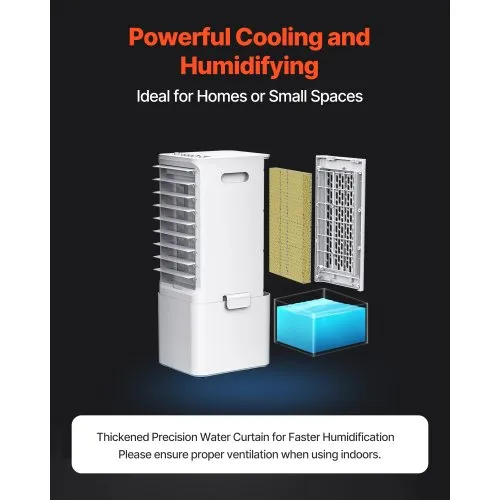
Credit: www.vevor.ca
Cost Analysis
Initial investmentfor a water cooled air conditioner is usually higher than air cooled types. The system needs extra parts like a cooling tower and water pump. Installation costs can also rise due to plumbing work. But this investment pays off over time.
Long-term savingscome from lower energy bills. Water cooled systems use water to cool, which is more efficient than air. They work better in hot climates. Maintenance costs can be a bit higher because of water treatment needs. Still, the energy saved often outweighs these costs.
| Cost Factor | Water Cooled AC | Air Cooled AC |
|---|---|---|
| Initial Cost | Higher (cooling tower, pump) | Lower (simple installation) |
| Energy Efficiency | High (uses water cooling) | Lower (uses air cooling) |
| Maintenance | Moderate (water treatment) | Low (less complex) |
| Operating Cost | Lower (energy savings) | Higher (more power needed) |
Future Trends
Water cooled air conditioners use water to cool the air, making them energy efficient. They work well in hot climates and save electricity. This type of cooling system is becoming popular for its cost-effectiveness and eco-friendliness.
Innovations In Water Cooling
Water cooled air conditioners are becoming more efficient and eco-friendly. New designs use less water while cooling more air. Some models recycle water to reduce waste. Better materials help these systems last longer and use less energy. Quiet operation is a key focus for future models. These improvements make water cooling a smart choice for homes and offices.
Smart Integration Possibilities
Smart technology is being added to water cooled AC units. They can connect to phones or home systems. Users can control temperature and water use remotely. Sensors can adjust settings based on room occupancy. This helps save energy and keeps rooms comfortable. Smart integration makes these air conditioners easier to use and more efficient.
Frequently Asked Questions
How Does A Water Cooled Air Conditioner Work?
A water cooled air conditioner removes heat using water instead of air. Water circulates through the system, absorbing heat from the refrigerant. This process cools the air efficiently, making it ideal for large buildings or industrial spaces. It’s energy-efficient and often quieter than traditional air-cooled systems.
What Are The Benefits Of Water Cooled Systems?
Water cooled systems are highly energy-efficient and environmentally friendly. They offer quieter operation and require less space compared to air-cooled systems. They provide reliable cooling in large spaces, reducing energy consumption and operational costs. These systems also have a longer lifespan due to less wear and tear.
Is A Water Cooled Ac Suitable For Homes?
Water cooled air conditioners are typically used in commercial or industrial settings. However, they can be adapted for large residential properties. They are ideal for homes with specific cooling needs and ample water access. Their efficiency and quiet operation can benefit homeowners seeking eco-friendly solutions.
How Do Water Cooled And Air Cooled Differ?
Water cooled systems use water to dissipate heat, while air cooled systems use air. Water cooled systems are generally more efficient, quieter, and better for large spaces. They require a water source, unlike air cooled units. Air cooled systems are more common in residential settings due to simplicity and lower installation costs.
Conclusion
A water cooled air conditioner uses water to cool the air efficiently. It saves energy and works well in hot climates. These units need less electricity than traditional air conditioners. They also reduce noise and last longer with proper care.
Many homes and buildings choose this system for comfort and savings. Understanding how it works helps you decide if it fits your needs. Think about your space and climate before buying one. Water cooled air conditioners offer a practical way to stay cool.
Simple, effective, and eco-friendly cooling options matter today.