Are you tired of feeling sticky and uncomfortable inside your own home? You might wonder if your air conditioner can do more than just cool the air.
Does an air conditioner reduce humidity and make your space feel fresher? Understanding this can change how you manage your indoor comfort. You’ll discover how your air conditioner affects humidity levels and what that means for your comfort and health.
Keep reading to find out how to create the perfect balance in your home environment.
Credit: hvac-temecula-murrieta.com
How Air Conditioners Work
Air conditioners cool indoor air by removing heat and moisture. They use a system of coils and refrigerant to make the air cooler.
This process not only lowers temperature but also affects the humidity in the room.
Cooling Mechanism
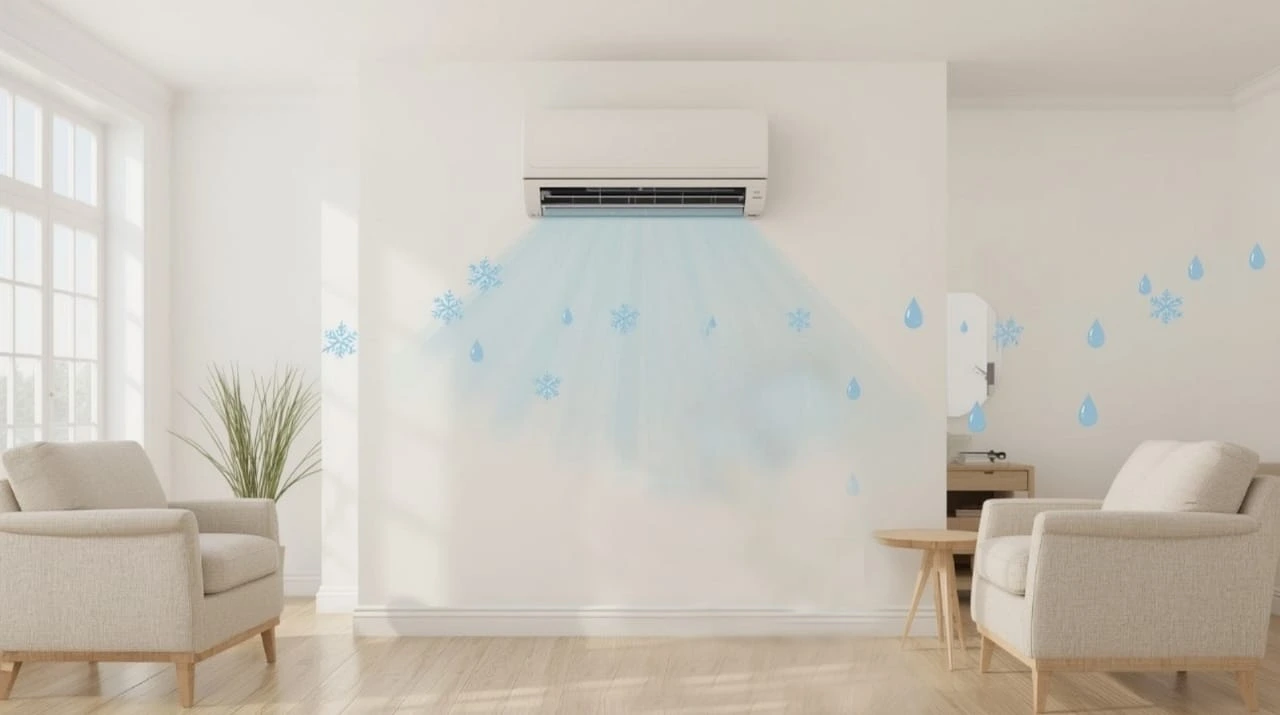
An air conditioner works by drawing warm air from the room. The air passes over cold evaporator coils filled with refrigerant.
The refrigerant absorbs heat from the air, making the air cooler. Then, the cooled air is blown back into the room.
- The compressor pumps refrigerant through the system.
- The refrigerant changes from gas to liquid and back.
- Heat is released outside the building.
- Cool air circulates inside the room.
Effect On Air Moisture
As warm air cools, moisture in the air condenses on the cold coils. This process reduces humidity inside the room.
| Step | Effect on Moisture |
| Warm air enters AC | Contains water vapor |
| Air cools on evaporator coils | Water vapor condenses into liquid |
| Condensed water drains away | Removes moisture from air |
| Cooled, drier air returns | Lower humidity indoors |
Air Conditioners And Humidity Levels
Air conditioners can lower the temperature in a room. They also affect the humidity level. Many people wonder if air conditioners remove moisture from the air.
This article explains how air conditioners reduce humidity. It also looks at factors that change how much moisture they remove.
Moisture Removal Process
Air conditioners cool air by passing it over cold coils. As warm air touches these coils, moisture condenses on them. This water collects and drains away, lowering humidity.
- Warm, humid air enters the air conditioner
- Air passes over cold evaporator coils
- Moisture in the air turns to water droplets
- Water collects in a drip pan and drains out
- Drier, cooler air returns to the room
Factors Influencing Humidity Reduction
Several things affect how well an air conditioner reduces humidity. These factors include the size of the unit, the temperature setting, and the air flow.
| Factor | Effect on Humidity |
| Unit Size | Larger units remove more moisture |
| Temperature Setting | Lower settings increase moisture removal |
| Air Flow Rate | Slower flow allows more moisture to condense |
| Humidity Level | Higher humidity means more moisture to remove |
| Maintenance | Clean coils work better at moisture removal |
Types Of Air Conditioners And Their Impact
Air conditioners cool the air and often reduce humidity. Different types of air conditioners affect humidity in different ways. It is important to know how each type works.
This guide explains the impact of window units, central systems, and portable air conditioners on humidity levels inside your home.
Window Units
Window air conditioners cool the air by pulling warm air from the room. They remove moisture as the air passes over cold coils. This helps lower humidity inside the room.
Window units work best for single rooms. They do not control humidity in the whole house. Proper size and installation improve their performance.
Central Systems
Central air conditioners cool all rooms in a house through ducts. They remove humidity by condensing moisture from the air. This lowers humidity in the entire home.
These systems have better humidity control than window units. They also provide even cooling and better air circulation.
- Cool whole house evenly
- Remove moisture from all rooms
- Require ductwork installation
Portable Air Conditioners
Portable air conditioners cool small spaces and can be moved easily. They remove some humidity by condensing water from the air. However, their effect on humidity is less than central systems.
These units often need a vent hose to push hot air outside. If not vented properly, they may add moisture back to the room.
Limitations In Humidity Control
Air conditioners cool indoor air by removing heat. They also remove some moisture. But they cannot always lower humidity enough. Understanding these limits helps set the right expectations.
This article explains when air conditioners fail to reduce humidity. It also looks at how the outside environment affects their performance.
When Acs Fail To Reduce Humidity
Air conditioners sometimes do not lower humidity well. This happens if the AC is too large for the room. Large ACs cool the air fast but do not run long enough to remove moisture.
- Oversized units cycle on and off quickly.
- Short run times reduce moisture removal.
- Improper maintenance can reduce efficiency.
- Clogged filters block airflow and moisture removal.
- Some AC types do not focus on humidity control.
Also, if the indoor air is very humid, normal AC cooling might not be enough. Using a dehumidifier along with AC can help in such cases.
Role Of External Environment
The outside environment affects indoor humidity. High outdoor humidity means more moisture enters the house. ACs then have to work harder to reduce indoor humidity.
| Environmental Factor | Effect on Indoor Humidity | Impact on AC |
| High Outdoor Humidity | More moisture enters indoors | AC runs longer, less effective |
| Open Windows/Doors | Constant air exchange | Increases indoor humidity |
| Poor Insulation | Moisture seeps into rooms | AC workload increases |
| Rainy Weather | Higher moisture levels outside | AC struggles to keep humidity low |
Alternatives And Enhancements For Humidity Control
Air conditioners do help lower humidity by cooling the air. Still, they might not remove enough moisture in very humid places. You can use other tools and ideas to keep humidity at a good level.
These options work well with your AC or on their own. They make your home more comfortable and protect it from too much moisture.
Using Dehumidifiers
Dehumidifiers pull moisture from the air. They work well in damp rooms or basements. You can use them along with your air conditioner for better humidity control.
These devices come in many sizes. Some are small for one room, while others can handle a whole house. They help prevent mold and keep the air feeling fresh.
- Portable units for single rooms
- Larger models for whole-house use
- Energy-efficient options save power
- Easy to empty water tanks
Combining Ac With Ventilation
Good ventilation helps control humidity by bringing in fresh air. It pushes out moist, stale air. Using ventilation with your AC improves air quality and comfort.
Fans, vents, and air exchangers work well. They balance air flow and reduce indoor moisture. This also helps your AC work better and last longer.
- Exhaust fans in kitchens and bathrooms
- Fresh air vents or windows
- Heat recovery ventilators (HRVs)
- Energy recovery ventilators (ERVs)
Humidity Sensors And Smart Controls
Humidity sensors measure moisture in the air. Smart controls can adjust your AC or dehumidifier automatically. This keeps humidity steady without wasting energy.
These systems warn you if humidity is too high or too low. They help you keep a healthy balance for comfort and home safety.
- Automatic humidity adjustment
- Alerts for high or low moisture
- Integration with smart home devices
- Energy saving by running only when needed

Credit: www.aljazeera.com
Health And Comfort Benefits Of Humidity Reduction
Air conditioners do more than cool the air. They also reduce humidity inside homes and buildings. Lower humidity helps keep the air fresh and healthy.
Reducing humidity has many health and comfort benefits. It can improve air quality, stop mold growth, and make rooms feel more comfortable.
Improved Air Quality
High humidity allows dust mites and allergens to grow. When air conditioners reduce humidity, they lower the number of these irritants.
- Less dust mites in the air
- Fewer allergens and pollutants
- Cleaner and fresher indoor air
Preventing Mold And Mildew
Mold and mildew grow fast in damp places. Lower humidity stops their growth. This helps protect your home and health.
| Effect | Result |
| High Humidity | Mold and mildew grow easily |
| Low Humidity | Mold growth slows or stops |
| Reduced Mold | Better health and less damage |
Enhancing Comfort Levels
Humidity affects how warm or cool you feel. Lower humidity makes it easier to stay comfortable indoors.
- Reduces sticky, clammy feeling
- Helps sweat evaporate faster
- Makes rooms feel cooler and fresher

Credit: www.aljazeera.com
Frequently Asked Questions
Does An Air Conditioner Reduce Indoor Humidity Levels?
Yes, an air conditioner cools air and removes moisture, reducing indoor humidity. It condenses water vapor, improving comfort and air quality indoors effectively.
How Does An Ac Remove Humidity From The Air?
An AC cools warm air, causing moisture to condense on coils. This condensation drains away, lowering indoor humidity and making the air feel cooler and fresher.
Can An Air Conditioner Control Humidity In All Climates?
Air conditioners reduce humidity best in warm, humid climates. In dry or cold conditions, their dehumidifying effect is limited and may not significantly lower indoor moisture.
Is A Dehumidifier Better Than An Ac For Humidity?
A dehumidifier specifically targets moisture removal, making it more efficient for humidity control. ACs cool air and reduce humidity as a secondary effect, not their primary function.
Conclusion
Air conditioners help reduce humidity by removing moisture from the air. This makes rooms feel cooler and more comfortable. They work best in warm, humid places. Using an air conditioner can improve indoor air quality. Keep filters clean for the best performance.
Remember, air conditioners cool and dry but do not replace dehumidifiers. Controlling humidity helps prevent mold and dust mites. Choose the right unit for your space. Enjoy a cooler, fresher home with less humidity.