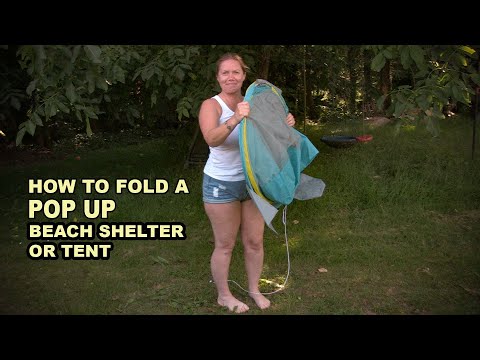
Folding a tent might seem tricky, especially after a long day outdoors when all you want is to pack up quickly and relax. But what if you could learn a simple, step-by-step way to fold your tent neatly every time?
Imagine saving time, avoiding frustration, and keeping your gear in great shape. In this guide, you’ll discover easy techniques that make folding your tent fast and hassle-free. Ready to master this essential camping skill? Let’s dive in and make your next pack-up smooth and stress-free.

Credit: www.amazon.com
Choosing The Right Spot
Picking the right spot to fold your tent is important. A clean, flat area helps you pack the tent neatly.
Choosing a good spot also protects your tent from dirt and damage. It makes folding faster and easier.
Find A Flat Surface
A flat surface helps you fold the tent without it slipping or getting wrinkled. Look for a level ground.
Avoid slopes or rocky places. They can make folding hard and damage the tent fabric or poles.
Clear Away Debris
Clear the spot of sticks, stones, and dirt. These items can tear the tent or leave marks.
Use a brush or your hands to remove debris. This keeps your tent clean and ready for next use.
Choose A Dry Area
Pick a dry spot to fold your tent. Folding on wet ground can cause mold or bad smells.
If the ground is wet, use a tarp or blanket to protect the tent while folding it.
Avoid Windy Locations
Folding a tent in the wind can be hard. Wind may blow the tent fabric or poles around.
Look for a spot shielded by trees, rocks, or hills. This helps keep your tent steady while folding.
Consider Privacy And Space
Choose a spot with enough space to spread out your tent. This makes folding easier and quicker.
Pick a private area if you want to avoid interruptions. Folding your tent in peace helps you do it well.
Emptying The Tent
Emptying your tent properly is important before folding it. It helps keep the tent clean and ready for storage.
Remove all items and loose dirt. This makes folding easier and prevents damage.
Remove All Gear
Take out sleeping bags, mats, and other gear from inside the tent. Check all pockets carefully.
Leaving gear inside can cause wrinkles and make folding harder.
Shake Off Dirt And Debris
Lift the tent and gently shake it to remove loose dirt, leaves, or insects. Do this outside.
Cleaning the tent this way prevents dirt from getting trapped when folding.
Dry The Tent
Make sure the tent is dry before packing. Moisture can cause mold and bad smells.
If the tent is wet, leave it open in the sun or a dry place for a while.
Check For Damage
Look over the tent carefully for holes, tears, or broken parts. Fix minor damage before folding.
Fixing damage early makes the tent last longer and stay strong.
Cleaning And Drying
Folding a tent is easier when it is clean and dry. Dirt and moisture can damage the fabric. This guide explains how to clean and dry your tent properly.
Keeping your tent clean and dry extends its life. It also makes packing and unfolding simpler for your next trip.
Remove Dirt And Debris
Start by shaking off loose dirt. Use a soft brush to remove mud and leaves. Avoid harsh scrubbing that can harm the fabric.
Clean With Mild Soap
Use a sponge or cloth with mild soap and water. Gently clean the tent walls and floor. Rinse with clean water and avoid strong chemicals.
Dry Your Tent Thoroughly
Drying your tent prevents mold and bad smells. Set it up in a shaded, well-ventilated place. Let it air dry completely before folding.
- Do not dry your tent in direct sunlight for too long
- Open all doors and windows to help air flow
- Check for damp spots before packing
- Use a towel to soak up excess water if needed
Store Tent Properly
| Storage Tip | Why It Matters |
|---|---|
| Keep tent in a cool, dry place | Prevents mildew and fabric damage |
| Store loosely in a bag or sack | Allows fabric to breathe |
| Avoid plastic bags | Traps moisture and causes mold |

Credit: www.youtube.com
Collapsing The Poles
Folding a tent starts with collapsing the poles correctly. This step helps you pack the tent tightly and keeps the poles safe.
Understanding how to fold the poles saves time and prevents damage. Follow simple actions to collapse them smoothly.
Release The Tension
Before folding, make sure the poles are free from tension. Gently press the poles to loosen any tight spots. This prevents bending or breaking during collapse.
Disconnect The Pole Sections
Most tent poles come in sections connected by elastic cords. Carefully pull apart the sections one at a time. Avoid forcing them to keep the elastic intact.
Fold The Poles Neatly
- Lay the pole sections side by side on the ground
- Align them in the order they connect
- Fold them gently without bending
- Keep the elastic cord centered to hold them together
Neatly folded poles take less space and are easier to store in the tent bag.
Check For Damage
| Issue | What to Do |
| Cracked Pole | Replace or repair before next use |
| Loose Elastic Cord | Retie or replace the cord |
| Bent Sections | Straighten carefully or replace |
Flattening The Tent
Flattening the tent is an important step before folding it. This process removes air and wrinkles. It makes folding easier and keeps the tent compact.
Make sure the tent is clean and dry before flattening. This helps avoid damage and bad smells later.
Clear The Inside
Remove all items from inside the tent. Check for dirt, leaves, or small stones. Shake the tent gently to remove loose debris.
Lay The Tent Flat
Spread the tent on a clean, flat surface. Smooth out the fabric with your hands. Make sure no parts are folded or bunched up.
Push Out Air
Press down on the tent to push trapped air out. Work from the center toward the edges. This step helps make the tent thinner and easier to fold.
- Start pressing in the middle of the tent floor
- Move your hands slowly to the outer edges
- Press firmly but gently to avoid damage
- Repeat until no more air escapes
Check For Wet Spots
Feel the tent surface for wet or damp spots. Flattening helps expose these areas. Dry them with a towel or air dry before folding.
Use A Table To Compare Tent Thickness
| Action | Effect on Tent Thickness |
| Before Flattening | Thick and uneven |
| After Spreading Flat | Less thick but still has air pockets |
| After Pushing Out Air | Very thin and even |
Folding Techniques
Folding a tent properly helps keep it clean and saves space. Good folding makes setting up next time easier. There are different ways to fold a tent based on its size and shape.
Below are common folding techniques that work well for most tents. Choose one that fits your tent type and storage needs.
Traditional Fold
The traditional fold is simple and works for most tents. Lay the tent flat and smooth out wrinkles. Fold the sides inward to make a long rectangle. Then fold this rectangle in half or thirds to fit your bag.
- Spread the tent flat on the ground
- Fold the tent edges towards the center
- Smooth out all wrinkles and air pockets
- Fold the tent lengthwise into a narrow shape
- Fold or roll the tent to fit your storage bag
Roll And Tuck Method
This method helps keep the tent compact and prevents damage. Start by folding the tent into a long strip. Roll the tent tightly from one end. Tuck any loose fabric inside the roll to keep it neat and secure.
| Action | Description |
| Fold | Create a long, even strip by folding edges inward |
| Roll | Roll the tent tightly from one end to the other |
| Tuck | Push loose fabric inside the roll to keep it tight |
| Secure | Use straps or ties to hold the roll in place |
Accordion Style
The accordion style folds the tent like a fan. This works well for tents with poles inside the fabric. Fold the tent back and forth in equal sections. This method keeps the tent flat and easy to handle.
Steps for Accordion Style:
- Lay the tent flat and smooth it out.
- Fold one section about one foot wide.
- Fold the next section in the opposite direction.
- Repeat until the whole tent is folded like a fan.
- Secure with straps or cords to hold the folds.
Packing Tips
Folding a tent carefully helps keep it clean and easy to carry. Good packing saves space in your bag. It also protects the tent from damage.
Follow these tips to pack your tent well and make your next trip easier.
Using A Stuff Sack
A stuff sack holds your tent tightly and stops dirt from getting in. Choose a sack that fits your tent size. Use the sack to compress the tent and keep it neat.
Roll or fold the tent to fit inside the sack without forcing it. A well-packed sack is easy to carry and stores better in your backpack.
Securing Loose Parts
Loose poles, stakes, and rain flies can get lost or damage the tent fabric. Keep these parts together in one place. Use small bags or pouches to separate them.
- Wrap tent poles with a strap or place them in a tube
- Put stakes in a mesh bag or pocket
- Fold the rain fly separately and keep it dry
- Check all parts before packing to avoid leaving anything behind
Maximizing Space
| Tip | How It Helps |
|---|---|
| Remove air before folding | Makes the tent smaller and easier to pack |
| Fold in the shape of the stuff sack | Fits the tent perfectly inside the sack |
| Place heavier items at the bottom | Keeps your backpack balanced and comfortable |
| Use compression straps | Reduces volume and secures the load |

Credit: www.youtube.com
Storing The Tent
Folding and storing a tent properly helps keep it in good shape. It also makes it easier to use next time.
Storing a tent right prevents damage and keeps it dry and clean. This guide covers key points for good tent storage.
Avoiding Moisture
Moisture can cause mold and weaken the fabric. Always make sure your tent is dry before storing it.
- Set up the tent to air dry after use
- Wipe off any wet spots with a dry cloth
- Do not fold the tent if it is still damp
- Store the tent in a dry place away from water leaks
Proper Ventilation
Good airflow helps keep the tent fresh and stops odors. Avoid storing the tent in sealed bags for long periods.
| Storage Method | Ventilation Level | Effect on Tent |
| Loose fabric bag | High | Prevents mold and odors |
| Plastic sealed bag | Low | Traps moisture and smells |
| Open shelf | Medium | Allows airflow, easy access |
Long-term Storage
For long storage, clean and dry the tent fully. Fold it loosely to avoid creases and damage.
- Clean dirt and debris from all parts of the tent
- Ensure the tent is completely dry before folding
- Fold the tent gently without tight creases
- Use a breathable storage bag or container
- Store in a cool, dry place away from sunlight
Common Mistakes To Avoid
Folding a tent properly saves space and protects it. Many people make simple mistakes that cause damage or take up too much room.
Knowing what to avoid helps keep your tent in good shape and makes packing easier next time.
Folding The Tent While Wet
Folding a tent when it is wet can cause mold and bad smells. Moisture harms the fabric and stitching over time.
Always let your tent dry completely before folding it for storage.
Ignoring The Tent Poles
Many people fold tents without removing or aligning the poles. This can cause creases and break poles.
Take out the poles or fold the tent around them carefully to avoid damage.
Folding Without Removing Debris
Leaving dirt, leaves, or sand inside the tent can wear out the fabric. It also traps moisture and bugs.
Clear out all debris before folding to keep your tent clean and last longer.
Folding Too Tightly
Pressing the tent too hard when folding can damage waterproof coatings. It also makes the tent hard to unfold.
Fold the tent gently and avoid squeezing it into a very small shape.
Skipping The Original Fold Lines
Tents come with natural fold lines from the factory. Ignoring these lines causes wrinkles and uneven folds.
Follow the original fold lines to keep the tent fabric smooth and easy to pack.
Quick Tips For Beginners
Folding a tent can seem hard at first. With practice, it becomes easier and faster.
These tips help beginners fold tents neatly and save space.
Clean And Dry Your Tent
Always fold your tent when it is clean and dry. Dirt and moisture can cause damage.
Wipe off dirt and let the tent dry in the sun before folding it up.
Lay The Tent Flat
Spread the tent out flat on the ground. Smooth out wrinkles and folds.
This makes it easier to fold the tent evenly and saves space in your bag.
Fold Along The Tent Poles
Fold the tent along the lines where the poles go. This helps keep the shape.
Fold one side over the poles, then fold the other side to match.
Roll Or Fold Tightly
Roll or fold the tent tightly from one end. This saves space and keeps it neat.
- Start rolling from the door side
- Keep the roll tight and even
- Use straps or ties to secure the tent
Use The Tent Bag Properly
Place the folded tent inside its bag carefully. Avoid forcing it in.
Make sure the tent fits well to prevent damage and keep it ready for next use.
Frequently Asked Questions
How Do You Fold A Tent Quickly And Efficiently?
Start by cleaning and drying the tent. Lay it flat, fold sides inward, then roll tightly from the door end. Secure with straps or bags to keep it compact and ready for storage.
What Is The Best Way To Pack A Tent For Storage?
Ensure the tent is dry and clean. Fold it neatly along the seams, then roll or fold into its original size. Store in a cool, dry place to prevent mold and damage.
How Can I Avoid Damaging My Tent While Folding?
Handle poles and fabric gently. Avoid sharp bends in poles and keep fabric taut during folding. Store poles separately if possible to prevent stress and tears on the tent material.
Why Is It Important To Dry A Tent Before Folding?
Drying prevents mold, mildew, and bad odors. Moisture damages fabric and zippers. Always air-dry the tent fully before folding to extend its lifespan and maintain performance.
Conclusion
Folding a tent does not need to be hard. Follow the steps carefully and stay patient. Take your time to fold each part neatly. This helps keep your tent safe and lasts longer. Practice a few times to get better at it.
Soon, folding your tent will feel easy and quick. Enjoy your camping without worrying about packing. Remember, a well-folded tent makes your next trip smooth. Keep these tips in mind every time you fold your tent.