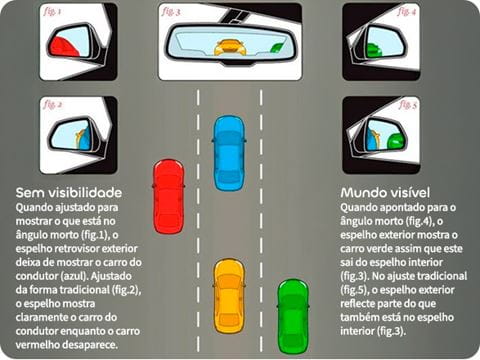
Your safety on the road starts with clear vision—and that means knowing how to adjust the mirrors in your car the right way. If your mirrors aren’t set properly, you could miss important details around you, putting yourself and others at risk.
But don’t worry, adjusting your mirrors is simple once you know the right steps. You’ll discover easy tips to position your mirrors for maximum visibility and confidence behind the wheel. Keep reading, and you’ll be driving safer and smarter in no time.
Mirror Types In Cars
Mirrors help drivers see areas around their cars that are hard to view directly. Different types of mirrors serve different purposes. Knowing these mirrors helps in adjusting them correctly for safety.
This guide covers the main mirror types in cars: side mirrors, rearview mirror, and blind spot mirrors. Each mirror type has a specific role in driving.
Side Mirrors
Side mirrors are on the left and right sides of the car. They show what is beside and behind the vehicle. Proper adjustment reduces blind spots and improves road awareness.
- Adjust the mirror so you see a small part of your car.
- Make sure the horizon is centered in the mirror.
- Check that the mirror shows the lane next to your car.
- Use side mirrors to judge distance when changing lanes.
Rearview Mirror
The rearview mirror is inside the car, mounted at the top of the windshield. It shows the area directly behind your vehicle. This mirror helps when reversing and watching traffic behind you.
| Adjustment Tip | Reason |
| Center the mirror to see the rear window | Provides full view of the rear |
| Adjust for no blind spots in the rear | Improves safety during braking and reversing |
| Use night mode if available | Reduces glare from headlights behind you |
Blind Spot Mirrors
Blind spot mirrors are small mirrors attached to side mirrors. They help show areas not seen in regular mirrors. These mirrors are useful for spotting cars in hard-to-see spots.
Tips for using blind spot mirrors:
- Place them on the outer edge of side mirrors.
- Adjust to cover areas beside and slightly behind your car.
- Check blind spot mirrors before lane changes or turns.

Credit: www.reddit.com
Preparing Your Seat And Steering
Adjusting your seat and steering wheel is important for safe driving. It helps you see the road clearly and reach controls easily.
Start by making sure your seat is in the right position. Then, set the steering wheel height to suit your comfort.
Adjusting Seat Position
Move your seat forward or backward to reach the pedals comfortably. Your knees should be slightly bent when pressing pedals.
- Push the seat forward if you cannot reach pedals easily.
- Pull the seat back if your legs feel cramped.
- Adjust the seat height so you have a clear view over the dashboard.
- Set the seat backrest to support your back straight.
- Make sure your hips are level with or slightly higher than your knees.
Setting Steering Wheel Height
Adjust the steering wheel to a comfortable height and distance. It should be easy to hold without stretching your arms fully.
| Adjustment | How to Do It | Why It Matters |
| Height | Lift or lower the steering wheel lever | Prevents arm fatigue and improves control |
| Distance | Move the wheel closer or farther from you | Allows safe reach without leaning forward |
| Angle | Tilt the wheel up or down if possible | Keeps your wrists straight and comfortable |
Adjusting Side Mirrors
Side mirrors help you see cars on your sides and behind. Proper adjustment keeps you safe on the road.
Learn how to set side mirrors to get the best view and reduce blind spots while driving.
Positioning For Maximum Visibility
Adjust your side mirrors so you see the side of your car and the road next to it. This helps you spot nearby vehicles.
Lean your head toward the window when adjusting the mirror. Move the mirror until you see just a small part of your car.
- Left mirror: lean left, then adjust
- Right mirror: lean right, then adjust
- Show a small part of your car in each mirror
- Ensure the rest of the view shows the road and traffic
Reducing Blind Spots
Blind spots are areas you cannot see in your mirrors. Adjust mirrors to cover these hidden spots better.
Set your side mirrors wider to show the lanes next to you. This reduces the need to turn your head often.
- Move mirrors outward to cover side lanes
- Check for cars in the blind spots before changing lanes
- Use mirrors with convex glass if available
- Combine mirror checks with quick head turns
Setting The Rearview Mirror
The rearview mirror helps you see behind your car. It is important to set it correctly before driving.
A well-adjusted mirror reduces blind spots and improves safety on the road.
Centering The Rear Window
Sit in your normal driving position. Look straight ahead with your eyes level.
Adjust the mirror until you see the entire rear window in the mirror’s view. The mirror should show the whole window centered.
- Keep your head still while adjusting the mirror.
- Make sure the mirror shows the middle of the rear window.
- Check that you can see clearly without moving your head.
Night Mode Adjustment
Rearview mirrors often have a night mode to reduce glare from headlights. This makes night driving safer.
To use night mode, flip the small tab or lever at the bottom of the mirror. This changes the mirror angle slightly.
- Flip the tab to reduce glare from cars behind you.
- Flip it back during the day for a clear view.
- Use night mode only when bright lights cause discomfort.
Using Blind Spot Mirrors
Blind spot mirrors are small mirrors added to your car’s side mirrors. They help you see areas that normal mirrors miss.
These mirrors reduce the chance of accidents by showing cars in your blind spots.
Placement Tips
Place blind spot mirrors on the outer edge of your side mirrors. This helps cover the areas not seen in the main mirror.
Adjust them so you can see a small part of your car. This helps you judge the distance of other vehicles better.
- Clean the mirror surface before placing
- Use strong adhesive for a firm hold
- Angle the mirror to cover blind spots
- Check visibility from the driver’s seat
When To Use Them
Use blind spot mirrors whenever you drive. They help during lane changes and merging on highways.
These mirrors are especially useful in heavy traffic or on busy roads where cars appear quickly in blind spots.
- Before changing lanes
- When merging onto highways
- While parking or reversing
- In crowded city traffic
Common Mistakes To Avoid
Adjusting car mirrors correctly is key for safe driving. Many drivers make simple mistakes that reduce mirror effectiveness.
Knowing what to avoid helps keep your mirrors useful and improves your view of the road.
Overlapping Mirror Views
Many people adjust mirrors so their views overlap too much. This creates blind spots and limits visibility.
Each mirror should show a different area outside your car. Side mirrors should cover the sides and rear, not repeat what the rearview mirror shows.
- Rearview mirror shows the area directly behind the car.
- Side mirrors show lanes beside your car, extending your view.
- Avoid turning side mirrors too far inward to reduce blind spots.
Ignoring Mirror Maintenance
Dirty or damaged mirrors reduce your ability to see clearly. Many drivers forget to clean or check mirrors regularly.
Keep mirrors clean and free of cracks. Replace mirrors if they are broken or warped to maintain a clear view.
- Clean mirrors with a soft cloth and glass cleaner often.
- Check for cracks or damage before driving.
- Fix loose mirror mounts to prevent movement while driving.
Tips For Safe Driving With Mirrors
Properly adjusted mirrors help drivers see around the car. This reduces blind spots and prevents accidents.
Using mirrors correctly is key to safe driving. Always check mirrors before changing lanes or turning.
Regular Mirror Checks
Check your mirrors often while driving. This keeps you aware of vehicles behind and beside you.
Adjust mirrors before driving to get the best view. Make sure they show the road and not your car’s body.
- Look at rearview mirror every 5 to 8 seconds
- Use side mirrors to see adjacent lanes clearly
- Adjust mirrors to reduce blind spots
- Fix mirrors if they get moved by bumps or cleaning
Combining Mirrors With Head Checks
Mirrors do not show everything. Turn your head to check blind spots before moving.
Use mirrors and quick head checks together. This helps avoid missing vehicles or obstacles.
- Look over your shoulder before lane changes
- Check mirrors first, then do a head check
- Be extra careful in heavy traffic or bad weather
- Practice head checks to make them natural and fast
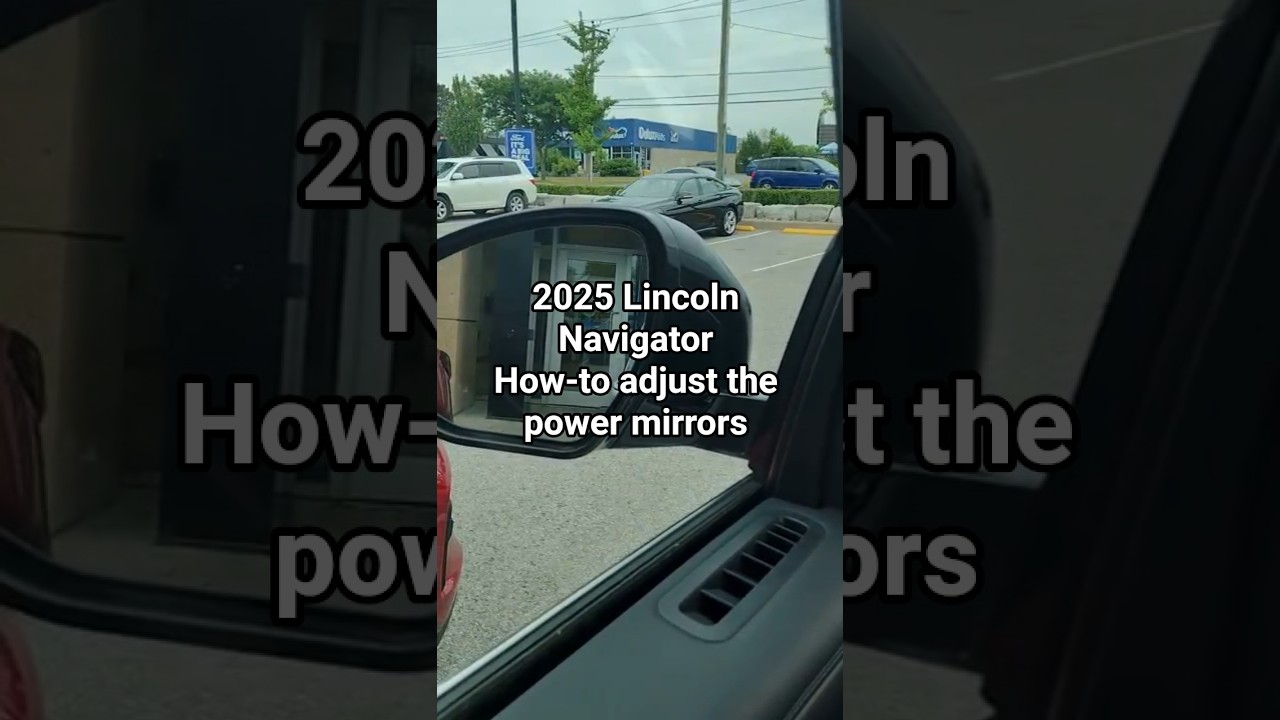
Credit: www.youtube.com

Credit: www.youtube.com
Frequently Asked Questions
How Do I Properly Adjust Car Side Mirrors?
Adjust side mirrors so you see a small part of your car’s side. Tilt the mirrors outward to cover blind spots. This setup improves visibility and reduces accidents while driving.
Why Is Adjusting Rearview Mirror Important?
The rearview mirror shows traffic behind you. Adjust it to center the rear window. Proper alignment helps you monitor vehicles and enhances driving safety.
When Should I Adjust My Car Mirrors?
Adjust mirrors before starting to drive. Also, readjust after changing seats or drivers. Correct mirror positioning ensures maximum visibility and safer driving.
Can Incorrectly Adjusted Mirrors Cause Accidents?
Yes, poorly adjusted mirrors create blind spots. Blind spots hide vehicles, increasing accident risk. Proper adjustment is vital for safe lane changes and turns.
Conclusion
Adjusting your car mirrors correctly keeps you safe on the road. It reduces blind spots and helps you see other vehicles clearly. Always check your mirrors before driving and after changing seats. Small changes can make a big difference in your driving experience.
Practice adjusting mirrors until it feels natural. Stay alert and drive carefully. Safe driving starts with good mirror habits.