Have you ever wondered how your car stays safe even when you forget to lock it? That’s where a passive alarm comes in.
It’s a smart security feature designed to protect your vehicle without you having to lift a finger. Imagine having peace of mind knowing your car is guarded automatically, every time you walk away. You’ll discover exactly what a passive alarm is, how it works, and why it could be the silent hero keeping your car safe.
Keep reading—you might find out your car is already equipped with this powerful protection.

Credit: charm.li
Passive Alarm Basics
A passive alarm is a car security system that activates automatically. It does not need the driver to turn it on. This system helps protect the car from theft or damage.
Passive alarms are popular because they work silently and without extra effort from the user. They start protecting the car as soon as it is locked.
How Passive Alarms Work
Passive alarms activate when the car is locked. They monitor the doors, windows, and sometimes the hood or trunk. If someone tries to break in, the alarm sounds.
- The alarm arms automatically after locking the car.
- Sensors detect any forced entry or movement inside the car.
- If triggered, the alarm produces loud sounds and flashes lights.
- Some systems notify the owner via a mobile app or remote device.
Types Of Passive Alarms
There are several kinds of passive alarms. They use different methods to detect threats and warn the owner. Below is a table showing common types and their features.
| Type | Detection Method | Alert Type |
|---|---|---|
| Shock Sensor | Detects impacts or vibrations | Sirens and lights |
| Door/Window Sensor | Monitors opening of doors or windows | Alarm sound |
| Motion Sensor | Detects movement inside the car | Alarm and remote alert |
| Glass Break Sensor | Detects sound of breaking glass | Immediate siren |
Benefits Of Passive Alarms
A passive alarm on a car activates by itself when you lock the vehicle. It does not need you to press a button to turn it on.
This type of alarm adds extra safety and makes it easier to protect your car without extra steps.
Automatic Activation
Passive alarms start working automatically after you lock your car. You do not need to remember to activate it.
This helps avoid mistakes like forgetting to turn on the alarm, which can leave your car unprotected.
Enhanced Security
Passive alarms add a strong layer of security to your vehicle. They react quickly if someone tries to break in.
The alarm sounds automatically, scaring off thieves and alerting you or others nearby to the danger.
Convenience For Owners
Car owners do not have to do anything extra to use the alarm. It works in the background.
This saves time and stress, especially when you are in a hurry or carrying bags and keys.
Installation And Setup
Installing a passive alarm on a car adds security without much effort. It works automatically when you lock your vehicle. Setting up the system correctly is important for it to function well.
This guide covers the differences between factory and aftermarket systems. It also explains common steps to install these alarms.
Factory Vs Aftermarket Systems
Factory passive alarms come built into the car by the manufacturer. They are designed to fit perfectly with your vehicle’s wiring and security features.
Aftermarket systems are added later by the car owner or a technician. They offer more options but may need extra work to fit properly.
| Feature | Factory System | Aftermarket System |
| Installation | Pre-installed | Manual installation required |
| Integration | Seamless | May need adapters |
| Customization | Limited | Highly customizable |
| Cost | Included with car | Additional expense |
| Warranty | Covered by manufacturer | Varies by installer |
Common Installation Steps
Installing a passive alarm requires careful attention to electrical connections and sensor placement. Follow these steps to set up most systems.
- Disconnect the car battery to avoid shocks.
- Find the central locking system wires under the dashboard.
- Connect the alarm’s control module to the locking wires.
- Install sensors on doors and windows as instructed.
- Secure the alarm siren in a hidden location.
- Reconnect the car battery and test the system.
- Adjust settings for sensitivity and automatic arming times.

Credit: xinyutech2023.en.made-in-china.com
Common Features
A passive alarm on a car activates automatically when you lock the doors. It helps protect your car without needing you to do anything extra.
These alarms detect unauthorized actions like opening doors or breaking windows. They use sensors to alert you or scare off thieves.
Silent Vs Audible Alerts
Passive alarms can give silent or loud alerts. Silent alerts notify the owner without making noise. Audible alerts use sirens or horns to warn people nearby.
Silent alerts often send messages to your phone or car system. Audible alerts scare off thieves by drawing attention. Some cars use both types for better security.
- Silent alerts send notifications to the owner
- Audible alerts use loud sounds to deter thieves
- Some systems combine both alert types
Integration With Other Security Systems
Passive alarms often work with other car security features. They link to immobilizers, GPS trackers, or cameras. This improves protection and helps find the car if stolen.
Integration means the alarm can trigger other devices. For example, it may lock the engine or send location data. This adds extra layers of safety for your vehicle.
- Connects with immobilizers to stop the engine
- Links to GPS for tracking the car’s location
- Works with cameras to record suspicious activity
- Activates other alarms or lights as needed
Limitations And Challenges
Passive alarms on cars help detect unusual activity without driver input. They work quietly and automatically. Still, these alarms face some challenges. Understanding these helps car owners manage expectations.
This section explains two main issues: false alarms and battery drain. Both affect the alarm’s reliability and the car owner’s experience.
False Alarms
False alarms happen when the system triggers without real threats. Sensors may react to small movements or weather changes. This causes the alarm to go off unnecessarily.
- Strong wind can move hanging objects inside the car.
- Animals brushing against the car may trigger sensors.
- Electrical interference can cause sensor malfunctions.
- Improper sensor installation may increase false alarms.
Battery Drain Issues
Passive alarms use power even when the car is off. This constant energy use can drain the battery. Over time, it may reduce battery life or cause the car not to start.
| Cause | Effect | Solution |
| Continuous sensor power | Slow battery drain | Use low-power sensors |
| Frequent false alarms | Battery drains faster | Adjust sensor sensitivity |
| Old or weak battery | Alarm may fail to work | Replace battery regularly |

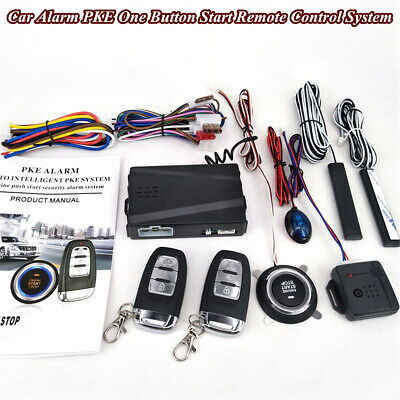
Credit: www.ebay.ca
Comparing Passive And Active Alarms
Car alarms help protect your vehicle from theft or damage. There are two main types: passive and active alarms.
Both types alert you if someone tries to break in. They work differently and offer varying levels of security.
Activation Methods
Passive alarms turn on automatically when you lock the car. You do not need to press any button.
Active alarms require you to press a button on a remote or key fob to activate them.
- Passive alarms activate without user action
- Active alarms need manual activation
- Passive alarms reduce the chance of forgetting to arm
- Active alarms give more control over when alarm is on
Security Levels
Passive alarms provide constant protection when the car is locked. They alert you if someone tries to open doors or start the car.
Active alarms offer similar protection but can sometimes be turned off by mistake if not activated properly.
- Passive alarms offer automatic, consistent security
- Active alarms rely on user activation to secure the car
- Passive alarms reduce risks from human error
- Active alarms may allow more settings and modes
User Interaction
Passive alarms require little effort from the user. You just lock the car, and the alarm arms itself.
Active alarms need you to press a button to arm or disarm. This means you must remember to use the remote.
- Passive alarms work automatically with no extra steps
- Active alarms need manual button presses
- Passive alarms are better for forgetful users
- Active alarms allow more control but need attention
Tips For Maximizing Alarm Effectiveness
A passive alarm on a car works automatically to deter theft. To get the best from it, you must care for the alarm system and use extra security measures. These tips help keep your vehicle safe.
Simple steps can improve how well your passive alarm protects your car. Below are key ideas to follow for better security.
Regular Maintenance
Keep your car alarm in good shape with regular checks. Faulty alarms may fail to work or cause false alerts. Here are some maintenance tips to ensure your alarm stays effective.
- Test the alarm system monthly to check its response.
- Replace batteries in remote controls as needed.
- Inspect wiring for damage or wear.
- Clean sensors and ensure they are free from dirt.
- Update alarm software if your system supports it.
Combining With Other Security Measures
Using a passive alarm with other security tools strengthens protection. A mix of methods lowers theft risk and increases your peace of mind.
| Security Measure | Benefit |
| Steering Wheel Lock | Prevents the wheel from turning, stopping theft attempts. |
| GPS Tracking | Helps locate the car if stolen. |
| Wheel Locks | Stops thieves from removing tires or wheels. |
| Parking in Secure Areas | Reduces chances of break-ins or tampering. |
Frequently Asked Questions
What Is A Passive Alarm On A Car?
A passive alarm automatically arms when you lock your car. It activates without any extra action from you, providing constant security.
How Does A Passive Car Alarm Work?
It uses sensors to detect unauthorized entry or movement. When triggered, it sounds an alarm to deter thieves instantly.
What Are The Benefits Of Passive Car Alarms?
They offer hands-free security and reduce theft risk. Passive alarms ensure your car is protected every time you lock it.
Can Passive Alarms Drain My Car Battery?
Modern passive alarms use low power. They are designed to avoid significant battery drain while remaining active and effective.
Conclusion
A passive alarm helps protect your car without extra effort. It arms itself when you lock the doors. This type of alarm alerts you if someone tries to break in. It adds safety and peace of mind while you are away.
Many cars have this feature built-in for convenience. Understanding how it works keeps your vehicle safer. Choose a car with a passive alarm for better security. Simple, smart protection for your vehicle every day.