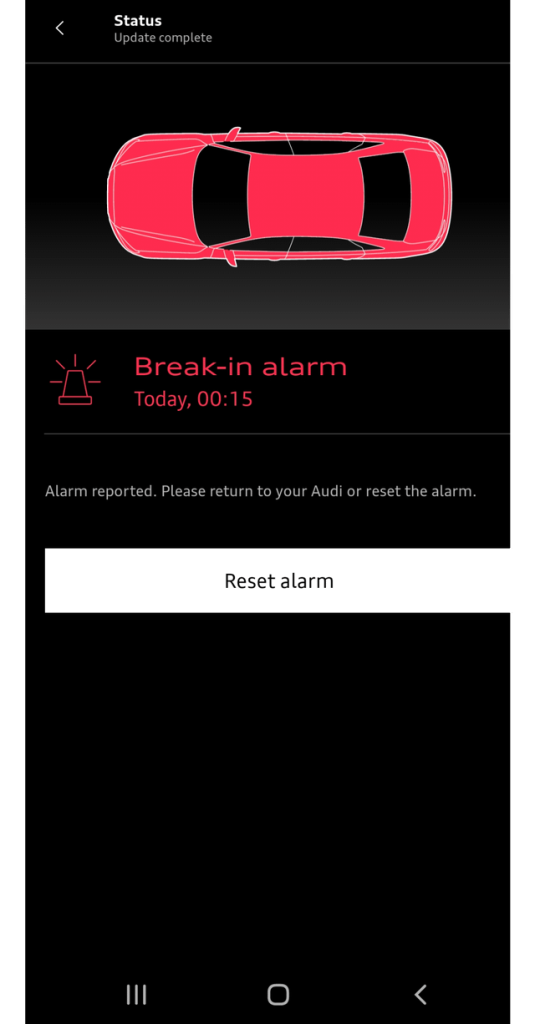
Have you ever been startled by your car alarm going off for no clear reason? It’s frustrating, confusing, and can even make you worry about your car’s safety.
You might wonder, “Why would my car alarm randomly go off? ” Understanding the common causes can help you stop those unexpected blares and keep your car secure. You’ll discover the main reasons behind random car alarm triggers and simple steps you can take to fix the problem once and for all.
Keep reading to regain control and peace of mind with your car’s security system.
Common Reasons For Random Car Alarm Activation
Car alarms can go off without warning. This can be very annoying and confusing for car owners.
Understanding why your car alarm randomly activates helps you fix the problem faster.
Faulty Sensors
Car alarms use sensors to detect movement or break-ins. If these sensors are damaged or dirty, they may trigger false alarms.
Common faulty sensors include door sensors, shock sensors, and motion detectors.
- Door sensors may not close properly
- Shock sensors can be too sensitive or broken
- Motion sensors may detect small vibrations incorrectly
Low Battery Voltage
A weak car battery can cause your alarm to act strangely. Low voltage may send wrong signals to the alarm system.
This can cause the alarm to go off even when there is no threat.
- Battery nearing the end of life
- Loose battery connections
- Alternator not charging battery properly
Electrical Issues
Wiring problems may cause random car alarm triggers. Damaged or exposed wires can send false signals.
Short circuits or poor connections in the alarm system also cause unwanted activation.
- Frayed or cut wires
- Corroded connectors
- Faulty alarm control module
Environmental Triggers
External factors can make your car alarm go off. Loud noises or vibrations may trigger sensitive alarms.
Weather conditions or animals near your car can also set off the alarm unexpectedly.
- Strong winds shaking the car
- Loud noises like fireworks or construction
- Animals touching or climbing the car
- Heavy rain or hail hitting the vehicle

Credit: www.reddit.com
How Weather Affects Car Alarms
Car alarms can be sensitive to changes in the weather. Different weather conditions may cause your alarm to go off without reason. Understanding these effects helps you prevent false alarms.
Weather changes like temperature, wind, and rain can trigger your car alarm. Each factor affects the alarm system in unique ways.
Temperature Fluctuations
Rapid changes in temperature can make your car alarm react unexpectedly. Cold weather may cause sensors to contract, while heat can make them expand.
- Cold temperatures can stiffen alarm wires.
- Heat may cause components to expand and trigger sensors.
- Sudden temperature shifts confuse the alarm’s sensitivity.
Strong Winds And Vibrations
Strong winds can shake your car and cause vibrations. These movements may set off the motion sensors in your alarm system.
| Wind Strength | Effect on Alarm |
| Light breeze | No impact |
| Strong wind | Possible false alarm |
| Gusty wind | Frequent false alarms |
Heavy Rain And Moisture
Rain and moisture can enter alarm sensors and cause them to malfunction. Water can short-circuit the system or create false signals.
- Moisture can cause electrical shorts in alarm sensors.
- Rainwater may trigger shock sensors incorrectly.
- Wet conditions can lead to corrosion over time.
Impact Of Vehicle Location On Alarm Sensitivity
Car alarms can go off by themselves for many reasons. One big reason is where the car is parked. The location can affect how sensitive the alarm is to noise and movement.
Some places make alarms more likely to trigger without a real problem. Understanding these places helps you avoid false alarms.
High Traffic Areas
Parking in busy areas makes your car alarm very sensitive. Cars and people moving close to your vehicle can cause vibrations. These small shakes can set off the alarm.
Noise from honking, engines, and doors slamming adds to the alarm’s sensitivity. The alarm may not tell the difference between real danger and normal street noise.
Construction Zones
Construction areas have loud sounds and heavy vibrations. Jackhammers, trucks, and drills send strong shocks through the ground. These shocks can trigger your car alarm unexpectedly.
The dust and debris in construction zones can also affect the alarm sensors. Sometimes the sensors think there is a problem and start the alarm.
Parking On Uneven Surfaces
When your car is parked on a slope or uneven ground, it can move slightly. This small movement is enough to activate the alarm. The alarm thinks the car is being tampered with.
Uneven surfaces also put pressure on the alarm sensors. This pressure can cause false alarms even if no one touches the car.

Credit: www.whocanfixmycar.com
Aftermarket Alarm Systems And Compatibility
Aftermarket car alarms are added to cars after they are bought. They can protect your car from theft. But these alarms may not always work well with your car’s original systems.
Sometimes, these alarms can go off by themselves. This happens because they do not fit perfectly with your car’s parts or settings. Understanding why this happens can help you fix the problem.
Installation Errors
Installing an alarm system is not easy. If the wires are not connected right, the alarm may trigger randomly. Wrong installation can confuse the car’s sensors and cause false alarms.
Sometimes, the alarm is put in a spot where it gets too much vibration. This also makes the alarm go off without a real reason. A poor installation can cause many problems.
Incompatible Components
Aftermarket alarms may not fit well with your car’s original parts. If the alarm parts do not match the car’s system, it can cause errors. The alarm might think the car is being broken into when it is not.
- The alarm sensors may not work with the car’s electronics.
- Power supply differences can cause alarm glitches.
- Some alarms do not support modern car security features.
Using parts made for your car model helps avoid these issues. Mixing different brands or old and new parts can cause false alarms.
Software Glitches
Modern alarms use software to control how they work. Sometimes, bugs in the software cause the alarm to go off randomly. Software errors can confuse the alarm about the car’s status.
Updating the alarm’s software can fix these bugs. If updates are not available, the alarm may keep giving false alerts. Software glitches are common in cheaper or older systems.
Preventive Steps To Stop False Alarms
Car alarms can go off without a real threat. This causes frustration and disturbance. Taking preventive steps helps keep your alarm working properly.
Simple care and good habits prevent false alarms. Focus on sensor upkeep, battery checks, and parking choices to reduce false triggers.
Regular Sensor Maintenance
Clean your car alarm sensors often. Dirt and dust can cause wrong signals. Check for loose wires or damage around sensors.
- Wipe sensors gently with a soft cloth
- Inspect wiring for cuts or frays
- Test sensors monthly to ensure they work
- Replace damaged sensors quickly
Battery Health Checks
Weak batteries can make your alarm go off by mistake. Keep your car battery and the alarm battery in good shape.
| Check | How Often | Why |
| Car Battery Voltage | Every 3 months | Low voltage can trigger alarms |
| Alarm Battery Condition | Every 6 months | Old batteries fail to hold charge |
| Battery Connections | Monthly | Loose connections cause false alarms |
Secure Parking Practices
Park in safe places to avoid false alarms from outside forces. Choose quiet and stable areas that reduce vibrations and disturbances.
- Park away from heavy traffic or construction sites
- Use a garage or covered parking if possible
- Avoid parking under trees with falling branches
- Lock doors and windows before activating the alarm

Credit: www.whocanfixmycar.com
When To Seek Professional Help
Car alarms can go off for many reasons. Sometimes, the alarm may trigger without a clear cause. Knowing when to ask a professional can save you time and stress.
If your car alarm keeps going off with no reason, it might be time to get expert help. This guide explains when to contact a specialist.
Persistent False Alarms
Repeated false alarms show a bigger problem. It could be a faulty sensor or wiring issue. If the alarm sounds often without cause, do not ignore it.
- Check if the alarm triggers at certain times or conditions.
- Look for signs of damage to the alarm system parts.
- Avoid trying to fix complex wiring problems yourself.
- Persistent alarms need professional diagnosis and repair.
Diagnostic Tools Usage
Professionals use special tools to find alarm issues. These tools check sensors and circuits fast. They can spot hidden problems you might miss.
| Diagnostic Tool | Purpose |
| OBD-II Scanner | Reads error codes from car’s computer |
| Multimeter | Tests electrical connections and voltage |
| Alarm System Tester | Simulates triggers to check sensor response |
Authorized Service Centers
Use authorized service centers for alarm repairs. They have trained staff and original parts. This ensures your car alarm works well after fixing.
- Expert knowledge of your car model
- Genuine replacement parts
- Warranty on repairs
- Safe and reliable service
Frequently Asked Questions
Why Does My Car Alarm Go Off Without Reason?
Car alarms can trigger randomly due to faulty sensors, low battery, or electrical issues. Environmental factors like strong winds or vibrations may also set it off.
Can A Weak Car Battery Cause False Alarms?
Yes, a weak or dying battery can cause the car alarm to malfunction and go off unexpectedly. Regular battery checks help prevent false alarms.
How Do Faulty Sensors Trigger Random Car Alarms?
Faulty or damaged sensors send incorrect signals to the alarm system. This miscommunication causes the alarm to activate without actual threats.
Can Extreme Weather Affect Car Alarm Sensitivity?
Extreme heat, cold, or humidity can impact sensor performance. Weather changes may cause the alarm system to misinterpret conditions and trigger randomly.
Conclusion
Car alarms going off by themselves can be very frustrating. Often, a weak battery or a loose wire causes this issue. Sometimes, extreme weather or nearby loud noises can trigger the alarm. Regular checks help keep your alarm working properly.
Fixing small problems early can save you from bigger troubles later. Stay calm and inspect your car alarm system carefully. Understanding why alarms go off helps you avoid unnecessary stress. Taking simple steps keeps your car safe and your peace of mind intact.