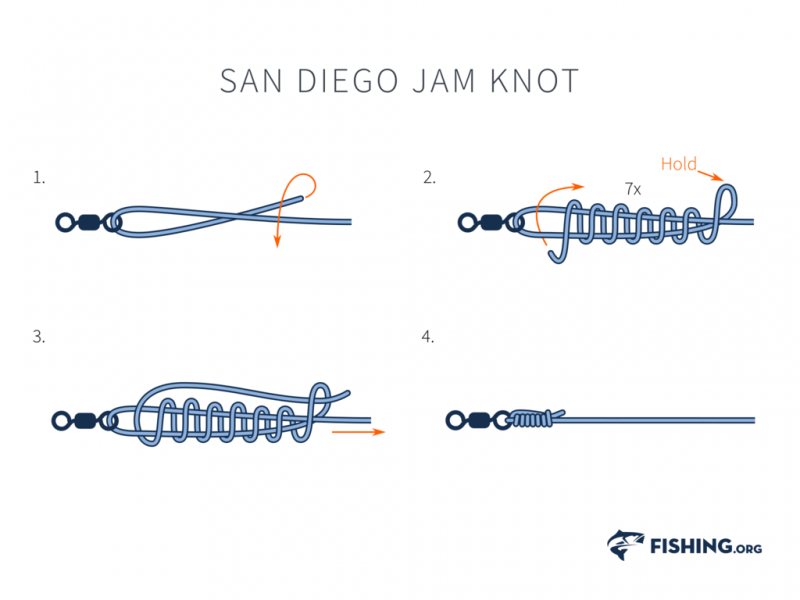
If you want to catch more fish, knowing how to tie a leader on your fishing line is a game-changer. A strong, reliable leader can make all the difference between losing a big catch or landing it safely.
In this guide, you’ll learn simple steps to tie a leader that holds firm and keeps your line working perfectly. Whether you’re a beginner or looking to improve your skills, mastering this technique will boost your confidence and success on the water.
Keep reading, and soon you’ll be tying leaders like a pro.
Choosing The Right Leader
Choosing the right leader is important for fishing success. A leader connects your main line to the hook or lure. It helps keep the fish on the line and protects against sharp teeth or rough surfaces.
Different fishing situations need different leaders. You must think about the type, material, length, and strength of the leader. These choices affect how well you catch fish and handle the fight.
Types Of Leaders
Leaders come in several types. Each type works best in specific conditions. Choose a leader that fits your fishing style and target species.
- Monofilament Leaders:Flexible and easy to use. Good for general fishing.
- Fluorocarbon Leaders:Nearly invisible underwater. Great for clear water and shy fish.
- Wire Leaders:Strong and resistant to sharp teeth. Best for fish like pike or barracuda.
- Shock Leaders:Thick and strong. Protects the line from sudden pulls or heavy fish.
Material Selection
Leader materials affect strength, stretch, and visibility. Pick the right material to match your fishing needs and water type.
| Material | Strength | Visibility | Stretch |
|---|---|---|---|
| Monofilament | Medium | Moderate | High |
| Fluorocarbon | Medium-High | Low | Low |
| Wire | High | High | None |
Leader Length And Strength
The length and strength of your leader must match the fish you want. A longer leader helps in clear water. Stronger leaders stop big fish from breaking free.
- Use shorter leaders for fast action and thick cover.
- Use longer leaders for calm water and wary fish.
- Match leader strength to fish size, adding extra strength for sharp teeth.
Credit: medium.com
Preparing Your Fishing Line
Before tying a leader, you must prepare your fishing line properly. This helps the knot hold strong and lasts longer.
Preparing the line includes trimming, checking for damage, and moistening. These steps protect the line and improve your fishing experience.
Trimming The Line
Cut a clean end on your fishing line before tying the leader. Use sharp scissors or a line cutter for a neat finish.
A rough or frayed end can cause knots to slip or break. Trim any damaged parts to avoid weak spots.
Checking For Damage
Look over your fishing line carefully for cracks, nicks, or abrasions. Damaged sections reduce line strength and knot security.
Replace or cut off any part of the line that looks worn out. Using a strong, intact line helps your leader hold tight.
Moistening The Line
Before tightening the knot, wet your fishing line with water or saliva. Moistening reduces friction and heat.
This step prevents the line from weakening or breaking when you pull the knot tight. Always moisten your line before finishing the tie.
Popular Knots For Leaders
Leaders connect your fishing line to the hook or lure. Picking the right knot keeps your setup strong. Some knots work better with leaders than others.
Below are three popular knots anglers use to tie leaders. Each knot has its own use and strength. Learn how to tie them properly for better fishing.
Improved Clinch Knot
The Improved Clinch Knot is easy to tie and holds well with most leader materials. It is popular for attaching leaders to hooks and swivels.
- Pass the line through the eye of the hook.
- Wrap the tag end around the standing line 5 to 7 times.
- Thread the tag end through the small loop near the eye.
- Then pass it through the larger loop just formed.
- Moisten the knot and pull tight slowly.
Palomar Knot
The Palomar Knot is very strong and simple. It works best with braided and monofilament lines. This knot keeps the leader’s strength near full.
| Step | Action |
| 1 | Double about 6 inches of line and pass through the hook eye. |
| 2 | Tie a loose overhand knot with the doubled line. |
| 3 | Pass the hook through the loop. |
| 4 | Pull on both tag end and standing line to tighten. |
| 5 | Trim excess tag end. |
Uni Knot
The Uni Knot is versatile and strong. It works well for tying leaders to main lines or hooks. It also allows easy adjustment if needed.
To tie the Uni Knot:
- Pass the line through the hook eye and double back alongside the main line.
- Make a loop by laying the tag end over the doubled line.
- Wrap the tag end around the doubled line and through the loop 5 to 6 times.
- Moisten the knot and pull the tag end to tighten the coils.
- Slide the knot to the eye and pull the standing line to secure it.

Credit: www.reddit.com
Step-by-step Knot Tying
Tying a leader knot on a fishing line is an important skill for anglers. It helps secure the leader to the main line, ensuring your tackle stays strong.
Follow these clear steps to tie a reliable knot that will hold during your fishing trips.
Threading The Leader
Start by threading the end of the fishing line through the eye of the leader. Make sure to pull enough line through to work comfortably.
Forming The Loop
Take the tag end of the leader and form a small loop next to the main line. This loop will be the base for wrapping the knot.
Wrapping The Tag End
- Hold the loop firmly with one hand.
- Wrap the tag end around both the main line and the loop.
- Make at least five tight wraps for a strong knot.
- Keep the wraps neat and close to each other.
Tightening The Knot
Pull the tag end slowly while holding the main line steady. The wraps will tighten and form the knot. Make sure the knot slides down to the eye of the leader.
Trimming Excess
| Tool | Purpose |
|---|---|
| Sharp scissors | Cut off the excess tag end close to the knot |
| Line nippers | Trim small ends without damaging the knot |
| Burner (optional) | Melt synthetic line ends to prevent fraying |
Trim the extra leader tag end close to the knot. This prevents snagging and keeps your setup tidy.
Testing The Knot Strength
After tying a leader on your fishing line, it is important to test the knot strength. This ensures the knot will hold during fishing. A strong knot prevents losing fish and gear.
Testing the knot strength is simple and can be done with your hands. It helps find weak knots before you start fishing.
Pulling Techniques
Use steady pressure to test the knot. Pull the leader and main line slowly and evenly. Avoid sudden jerks that may break the line.
Pull the knot in different directions. This checks if the knot holds well under stress. A strong knot will not slip or loosen.
- Hold the leader in one hand and the main line in the other
- Pull slowly to feel the knot’s tightness
- Try pulling sideways to test knot security
- Repeat a few times for a complete check
Signs Of Weakness
Look for slipping or loosening in the knot. If the knot moves or changes shape, it is weak. Weak knots can fail when fishing.
Check for frayed or damaged line near the knot. Thin or damaged spots reduce strength. Replace the knot if you see these signs.
- Knot slips when pulled
- Knot looks loose or uneven
- Line near knot is frayed or nicked
- Line breaks easily under pressure
Tips For Secure Leader Attachment
Tying a leader to your fishing line is important for a strong connection. A secure attachment helps prevent losing fish and gear.
Using the right techniques keeps your knots tight and your line safe. Follow these tips for better results on the water.
Avoiding Line Twists
Line twists weaken your setup and cause tangles. To avoid twists, let your line untwist before tying the leader.
Use smooth, slow motions when casting and reeling. This helps keep the line straight and reduces twists.
- Check for twists often during fishing
- Let the line hang loose to untwist
- Avoid over-spinning the reel handle
Using Swivels
Swivels prevent your line from twisting by allowing free rotation. Attach the swivel between the main line and the leader.
Choose a swivel that matches your line strength. This helps keep your setup balanced and strong.
- Pick high-quality swivels to avoid breakage
- Use barrel swivels for general fishing
- Try ball-bearing swivels for heavy spinning
Regular Knot Maintenance
Knots can weaken over time. Check your knots regularly for signs of wear or loosening.
Retie knots if they look damaged or slip. Keeping knots strong ensures your leader stays firmly attached.
- Inspect knots before and after each fishing trip
- Trim excess tag ends to prevent snags
- Practice tying knots often to improve skill

Credit: www.reddit.com
Frequently Asked Questions
What Is The Best Knot To Tie A Leader?
The best knot for tying a leader is the Albright knot. It is strong, reliable, and easy to tie. This knot connects different line types without slipping. It maintains excellent strength and smoothness for casting. Anglers widely prefer it for leader attachment.
How Do You Attach A Leader To A Fishing Line?
To attach a leader, use a strong knot like the Albright or Double Uni knot. Thread both lines, make loops, and tighten carefully. Ensure the knot is snug and trim excess line. Proper attachment prevents line breakage and improves fishing success.
Why Use A Leader On A Fishing Line?
A leader protects the main line from abrasion and fish teeth. It increases invisibility underwater and adds strength. Leaders help reduce line twists and improve lure presentation. Using a leader enhances catch rates and line longevity during fishing.
When Should I Replace My Fishing Leader?
Replace your leader after catching a large fish or visible damage. Also, change it if the leader becomes frayed or tangled. Regular replacement ensures maximum strength and prevents line failure. Fresh leaders improve fishing efficiency and reliability.
Conclusion
Tying a leader on a fishing line takes practice and patience. Use the right knot and check it often for strength. A good leader helps catch more fish and protects your main line. Keep your knots tight and neat for best results.
With time, tying leaders will feel easier and faster. Enjoy your fishing trips with confidence and better gear setup. Simple steps lead to better fishing success.