Have you ever wondered if Yemenis live in tents? It’s a question that might come to your mind when you hear stories about life in Yemen.
The image of people living in tents often brings to mind hardship and simplicity. But is this really the full story? If you want to understand the reality behind this idea and discover what life in Yemen truly looks like, keep reading.
You might be surprised by what you learn.

Credit: www.adamreynoldsphotography.com
Yemen’s Housing Landscape
Yemen has many types of homes. People live in cities and villages. Their houses show rich culture and history.
Many wonder if Yemenis live in tents. This depends on where they live and their lifestyle. Traditional homes and modern buildings both exist.
Traditional Homes And Architecture
Yemen is famous for its old-style houses. These homes are made with stone, mud bricks, and wood. They keep people cool in hot weather.
Some houses have many floors and beautiful decorations. Windows often have patterned screens called “mashrabiya” to protect from sun and wind.
- Made from natural materials like stone and mud
- Multi-story buildings with thick walls
- Decorative windows with wooden lattice
- Designed to stay cool in hot climates
Urban Vs Rural Living Conditions
In cities, people live in houses or apartments. These buildings use modern materials like concrete and bricks. They have electricity and running water.
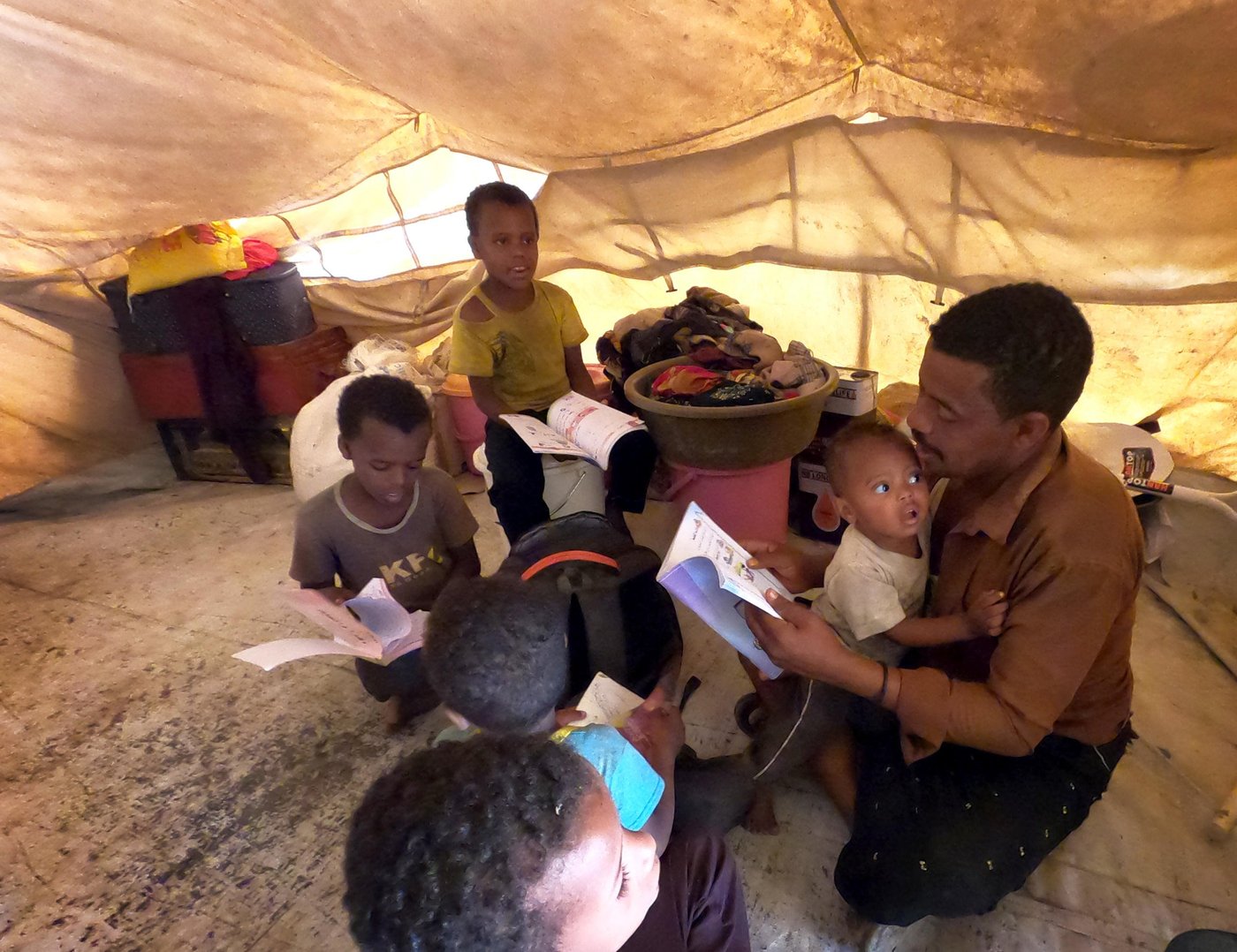
In rural areas, some families live in tents. These tents are often used by nomads or people who move with their animals. Other villagers live in simple homes made from local materials.
- Urban homes: modern, made of concrete and bricks
- Rural homes: simple, made from mud and wood
- Tents used by nomadic groups in rural areas
- Access to utilities is better in cities
Credit: www.nrc.no
Role Of Tents In Yemeni Culture
Tents have a deep meaning in Yemen. They are more than just shelters. They show a strong link to Yemeni history and tradition.
People use tents in many ways. From old times to today, tents hold a special place in Yemeni life.
Historical Use Of Tents
In the past, tents were the main homes for many Yemenis. Nomads used tents to move easily with their animals. The tents were made from goat hair or other natural materials. These tents kept families safe from sun, wind, and cold weather.
- Made from natural fibers like goat hair
- Used by nomadic tribes for travel
- Protected from harsh desert weather
- Gathered families close for warmth and safety
Tents In Modern Celebrations And Gatherings
Today, tents are not homes but still play a big role in Yemeni culture. People use tents during weddings, festivals, and other big gatherings. These tents are often decorated with colorful fabrics and cushions. They create a warm, welcoming space for guests.
| Occasion | Purpose of Tent |
| Weddings | Host guests and family comfortably |
| Religious Festivals | Gather for prayers and meals |
| Community Meetings | Discuss important local matters |
| Social Events | Share food, stories, and music |
Impact Of Conflict On Housing
The conflict in Yemen has caused many people to lose their homes. Fighting has destroyed houses and made living conditions hard.
Many Yemenis now live in temporary places, including tents. These shelters are not safe or comfortable for long-term living.
Displacement And Refugee Camps
Millions of Yemenis have been forced to leave their homes. They move to refugee camps or other areas to find safety.
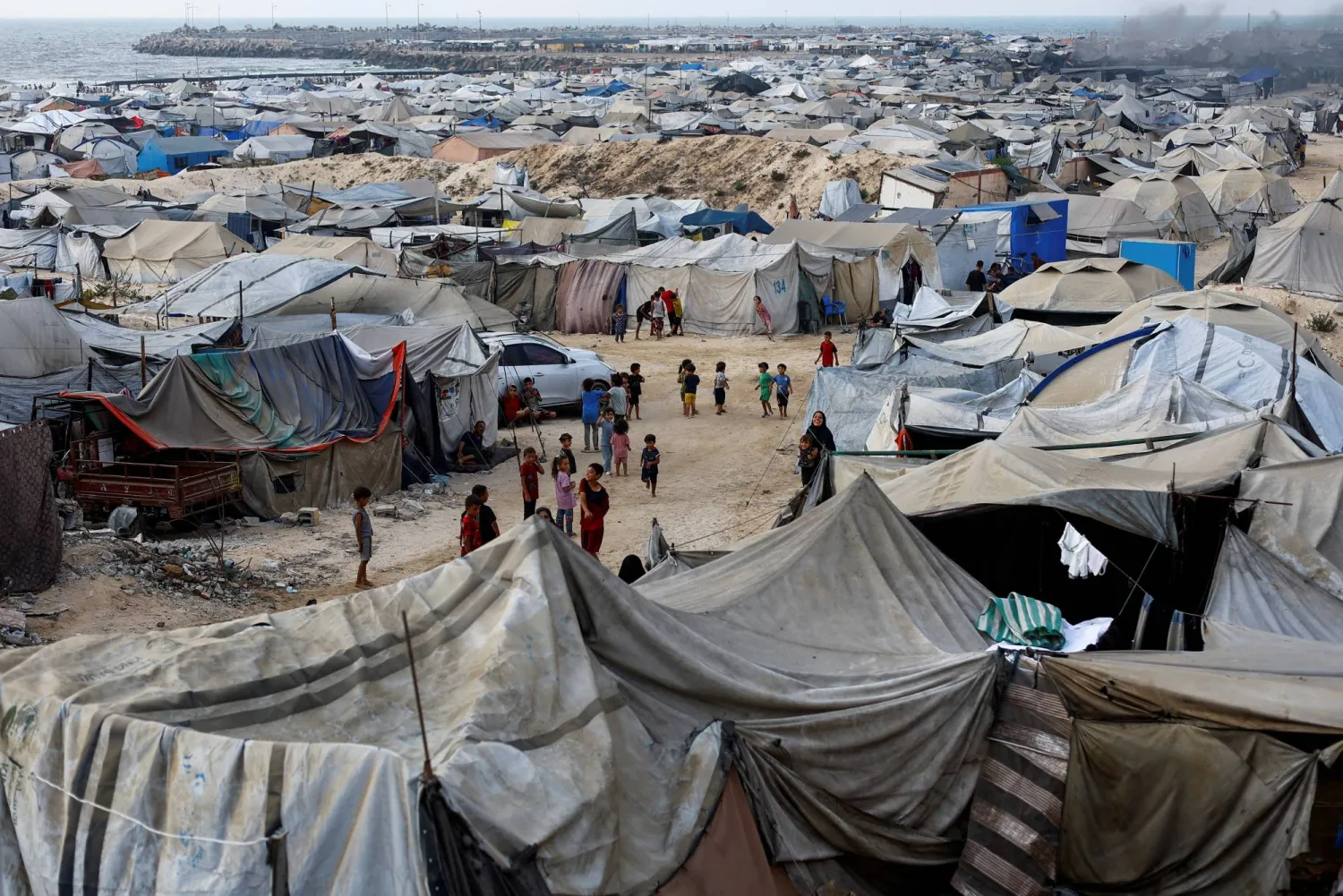
Refugee camps often use tents for shelter. These camps have many people living close together. Conditions can be crowded and difficult.
- People lose permanent homes due to war
- Many stay in tents inside camps
- Crowded camps increase health risks
Temporary Shelters And Humanitarian Aid
Humanitarian groups provide tents and materials for temporary shelters. These help families with no homes after attacks.
Temporary shelters protect people from weather but lack basic services. Aid groups work to improve water, food, and health support.
- Tents protect from rain and sun
- Humanitarian aid offers food and water
- Health care is limited in shelters
Everyday Living For Yemenis
Yemenis live in different types of homes depending on the area. Life in Yemen varies between cities and rural places. Many families have simple homes suited to their needs and resources.
Understanding how Yemenis live helps us see their daily challenges and traditions. Housing and access to services shape their everyday life.
Typical Household Structures
Most Yemenis live in stone or mud brick houses. These homes protect from heat and cold. In cities, houses are often built close together.
- Rural families may live in simple huts or tents during certain seasons.
- In cities, multi-story buildings are common.
- Traditional homes include courtyards for family gatherings.
- Tents are mostly used by nomadic groups or during travel, not daily living.
Access To Utilities And Infrastructure
Many Yemenis face challenges with water, electricity, and roads. Access depends on where they live. Some areas have better services than others.
| Utility | Urban Access | Rural Access |
| Electricity | Common but unstable | Limited or none |
| Clean Water | Mostly available | Often scarce |
| Roads | Many paved roads | Mostly dirt roads |
| Internet | Growing access | Very limited |
Common Misconceptions About Yemeni Housing
Many people think all Yemenis live in tents. This idea is not true for most Yemenis today. Housing in Yemen varies greatly by region and lifestyle.
People often confuse temporary shelters with regular homes. Yemen has a rich history of different types of houses, from stone homes to mud bricks.
Media Representation Vs Reality
Media often shows Yemen as a place where everyone lives in tents. This is mostly because of news about conflicts and refugees. These images do not show normal life for most Yemenis.
In cities and towns, many people live in sturdy houses made of stone, brick, or concrete. Rural areas may have simpler homes, but tents are not common everyday housing.
- Media focuses on tents during crises
- Most Yemenis live in permanent homes
- Housing styles depend on location and wealth
Cultural Stereotypes And Their Origins
Some stereotypes say Yemenis live in tents because of old desert traditions. These ideas come from stories about Bedouin nomads. Bedouins are a small group, not the whole population.
Yemen has many cultures and housing styles. Urban families live in modern houses. Rural families often build homes from local materials. Tents are mainly for special events or some nomads.
- Bedouin tents are part of Yemen’s past
- Most Yemenis live in permanent homes now
- Stereotypes come from limited views
Credit: english.aawsat.com
Frequently Asked Questions
Do Yemenis Traditionally Live In Tents?
Yemenis traditionally live in stone or mud houses, not tents. Tents are mainly used by nomadic tribes or during special occasions and travel.
Are Tents Common Homes In Yemen Today?
Tents are uncommon as permanent homes in Yemen today. Most people live in urban or rural houses built from local materials.
Why Do Some Yemenis Still Use Tents?
Some Yemenis use tents for temporary shelter during migration or tribal gatherings. It reflects cultural heritage rather than daily living.
How Do Yemenis Adapt Housing To Their Environment?
Yemenis build homes using stone and mud for insulation against heat. Traditional designs suit the local climate and lifestyle needs.
Conclusion
Yemenis do not all live in tents. Many live in houses and apartments. Tents are mostly used by people who lost homes. War and poverty caused many to live in tents. Life in tents is hard and unsafe. People want better homes and safer places.
Understanding this helps us see their real situation. It is important to know the facts, not just stories. Yemenis hope for peace and a brighter future.