If you ride a motorcycle, understanding how your tires are measured can make a big difference in your safety and performance. But those numbers and letters on the sidewall might look confusing at first.
Don’t worry—once you know what they mean, choosing the right tire becomes much easier. You’ll discover exactly how motorcycle tires are measured and what those measurements mean for your ride. Keep reading to make sure your next tire fits perfectly and keeps you rolling smoothly.
Tire Size Components
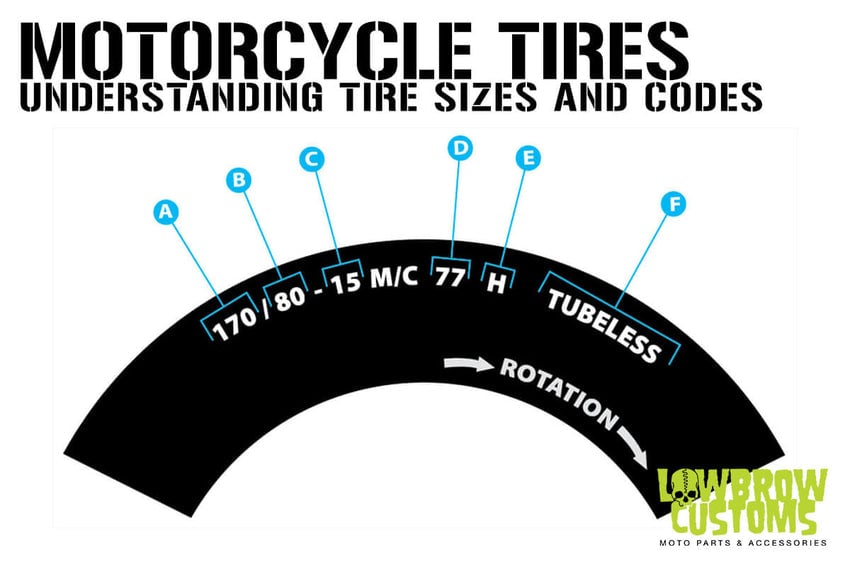
Motorcycle tires have special codes on their sidewalls. These codes tell you the tire size and other important details. Knowing how to read these helps you pick the right tire.
Each part of the tire size code shows something different. This guide explains the key parts: width, aspect ratio, rim diameter, load index, and speed rating.
Width And Aspect Ratio
The width is the first number in the tire size. It shows the tire’s width in millimeters from sidewall to sidewall.
The aspect ratio is the number after the slash. It tells the height of the tire sidewall as a percent of the width. For example, 70 means the height is 70% of the width.
Rim Diameter
The rim diameter is the number after the aspect ratio. It shows the size of the wheel rim the tire fits. This number is in inches.
For example, a rim diameter of 17 means the tire fits a 17-inch wheel rim.
Load Index And Speed Rating
The load index is a number that shows how much weight the tire can carry safely. Higher numbers mean the tire can hold more weight.
The speed rating is a letter that tells the maximum speed the tire can handle. Each letter stands for a different speed limit.
- Load Index:Numbers like 58, 65, or 75
- Speed Rating:Letters like J, H, or V

Credit: www.motorcyclecruiser.com
Reading Tire Markings
Motorcycle tires have many numbers and letters on their sidewalls. These markings tell you important details about the tire size and type.
Learning to read tire markings helps you choose the right tires for your bike and keep it safe.
Decoding Numeric Codes
Numbers on the tire show its size and shape. They tell you the width, height, and wheel size the tire fits.
These codes follow a common format like 120/70 ZR17.
- 120: Tire width in millimeters
- 70: Aspect ratio (height as a percentage of width)
- ZR: Speed and construction type (ZR means radial and high speed)
- 17: Wheel diameter in inches
Understanding Letter Codes
Letters on tires show the tire type and speed rating. They help you pick tires that match your riding needs.
Common letters include:
- R: Radial tire construction
- B: Bias-ply tire construction
- Z: High-speed rating
- H, V, W: Speed ratings for different maximum speeds
Dot And Manufacturer Codes
The DOT code shows the tire meets safety rules. It also has information about when and where the tire was made.
The last four digits of the DOT code show the tire’s manufacture date. For example, “2519” means the tire was made in the 25th week of 2019.
- DOT: Department of Transportation approval
- Manufacturer code: Identifies the tire maker
- Date code: Week and year the tire was made
Measurement Methods
Motorcycle tires need proper measurement for safety and performance. Different methods check tire condition and size. Using the right tools helps keep your ride smooth and safe.
Below are common ways to measure motorcycle tires. Each method focuses on a key aspect of tire health and function.
Using A Tire Gauge
A tire gauge measures tire pressure. Correct pressure improves grip and fuel efficiency. It also prevents tire damage and accidents.
- Remove the valve cap from the tire.
- Press the tire gauge onto the valve stem.
- Read the pressure measurement on the gauge.
- Compare it with the recommended tire pressure.
- Adjust pressure by adding or releasing air.
- Replace the valve cap securely.
Measuring Tread Depth
Tread depth shows how much tire tread remains. It affects traction and water grip. Low tread depth can cause slipping and accidents.
| Tool | How to Use | Safe Depth |
| Tread Depth Gauge | Insert into tire grooves and read measurement | Above 2/32 inch (1.6 mm) |
| Coin Test | Place coin in tread; check if tread covers part of coin | Tread covers coin edge |
| Wear Bars | Look for built-in bars that become visible when worn | Bars not fully exposed |
Checking Tire Pressure
Tire pressure affects handling and tire life. It changes with temperature and use. Regular checks keep tires at the best pressure.
Tips for accurate tire pressure checks:
- Check pressure when tires are cold.
- Use a reliable tire pressure gauge.
- Follow the motorcycle manufacturer’s pressure guide.
- Adjust pressure if you carry extra load or ride on different surfaces.
- Check pressure monthly or before long rides.
Types Of Motorcycle Tires
Motorcycle tires come in different types for different uses. Each type fits specific riding styles and road conditions.
Understanding these tire types helps you choose the right one for safety and performance.
Sport And Racing Tires
Sport and racing tires are made for speed and sharp handling. They have a soft rubber that grips the road well.
These tires wear out faster but give better control on smooth surfaces and curves.
- Soft rubber for high traction
- Minimal tread pattern for more road contact
- Designed for smooth, paved tracks
Cruiser And Touring Tires
Cruiser and touring tires focus on comfort and long life. They have a harder rubber that lasts for many miles.
These tires offer stability and smooth rides on highways and city roads.
- Harder rubber for durability
- Deep tread for wet conditions
- Designed for long-distance travel
Off-road And Dual-sport Tires
Off-road tires are built for rough, uneven surfaces. They have large knobs to dig into dirt and mud.
Dual-sport tires work on both pavement and trails, balancing grip and durability.
- Large knobs for off-road traction
- Strong sidewalls to resist damage
- Dual-sport tires have mixed tread for road and dirt
Choosing The Right Size
Motorcycle tires come in many sizes. Picking the right size is very important.
The size affects how your bike rides and handles. Knowing how tires are measured helps you choose well.
Matching Tire To Motorcycle
Tires must fit your motorcycle’s wheel size. The size is shown on the tire sidewall.
The size includes width, aspect ratio, and rim diameter. These numbers must match your wheel and bike type.
- Width: How wide the tire is (in millimeters)
- Aspect ratio: Height of the sidewall as a percent of width
- Rim diameter: Size of the wheel the tire fits (in inches)
Effects Of Incorrect Sizing
A wrong tire size can cause poor handling. It can make the bike unstable or hard to control.
It can also lead to faster tire wear and damage to the wheel or suspension. Safety is at risk with wrong sizes.
- Reduced grip on the road
- Increased risk of tire blowouts
- Incorrect speedometer readings
- Possible damage to brakes and suspension
Consulting Manufacturer Recommendations
Always check your motorcycle manual for tire sizes. Manufacturers list the correct sizes for your bike.
Using recommended sizes keeps your bike safe and working well. You can also ask a professional if unsure.
- Look inside the manual or on a sticker on the bike
- Follow the exact tire size numbers given
- Ask a mechanic for advice if needed

Credit: www.amazon.com
Maintaining Tire Health
Motorcycle tires need care to keep you safe on the road. Checking and maintaining tire health helps avoid accidents and costly repairs.
Regular attention to your tires can extend their life and improve how your bike handles.
Regular Inspections
Look at your tires often for signs of damage or wear. Small cracks, cuts, or objects stuck in the tire can cause problems.
- Check tire tread depth to ensure good grip
- Look for uneven wear, which may mean alignment issues
- Inspect sidewalls for cracks or bulges
- Remove stones or debris lodged in the tread
Proper Inflation
Correct tire pressure improves fuel efficiency and ride comfort. Too low or too high pressure affects tire wear and handling.
| Pressure Type | Effect on Tire | Recommended Action |
|---|---|---|
| Underinflated | Causes overheating and faster wear | Inflate to manufacturer’s recommended PSI |
| Overinflated | Reduces tire contact with road | Release air to reach proper PSI |
| Correct Pressure | Ensures even wear and good handling | Check pressure weekly |
Replacing Worn Tires
Replace tires when the tread is too low or damage is visible. Riding on worn tires is unsafe and can cause accidents.
- Measure tread depth with a gauge or a coin
- Look for tread wear indicators on the tire
- Replace tires if tread is below 1/32 inch (0.8 mm)
- Check tire age; replace if older than five years

Credit: www.amazon.com
Frequently Asked Questions
What Do Motorcycle Tire Numbers Mean?
Motorcycle tire numbers indicate tire width, aspect ratio, and rim diameter. For example, in 120/70-17, 120 is the width in millimeters, 70 is the aspect ratio, and 17 is the rim diameter in inches. Understanding these numbers helps ensure proper fit and performance for your motorcycle.
How Can I Find The Right Tire Size?
Check your motorcycle’s manual or current tires for size information. The sidewall of the tire displays numbers indicating width, aspect ratio, and rim diameter. Using these numbers ensures you select the correct tire size for your bike, optimizing safety and performance.
Why Is Aspect Ratio Important For Motorcycle Tires?
The aspect ratio affects the tire’s height and handling characteristics. A lower aspect ratio typically offers better handling and stability, while a higher ratio provides a more comfortable ride. Understanding the aspect ratio helps you choose tires that match your riding style and preferences.
Can I Use Car Tires On A Motorcycle?
Using car tires on a motorcycle is not recommended. Motorcycle tires are designed for different load and handling requirements. Car tires may compromise safety and performance due to their construction differences. Always use tires specifically designed for motorcycles to ensure optimal safety and efficiency.
Conclusion
Knowing how motorcycle tires are measured helps you choose the right fit. Size matters for safety and bike performance. Pay attention to width, aspect ratio, and rim diameter. These numbers tell you what tire suits your ride. Always check your bike’s manual before buying new tires.
Proper tire size keeps your bike steady and safe on the road. Understanding these basics makes tire shopping less confusing. Keep your bike rolling smoothly with the right tires. Simple steps lead to better rides and fewer problems.