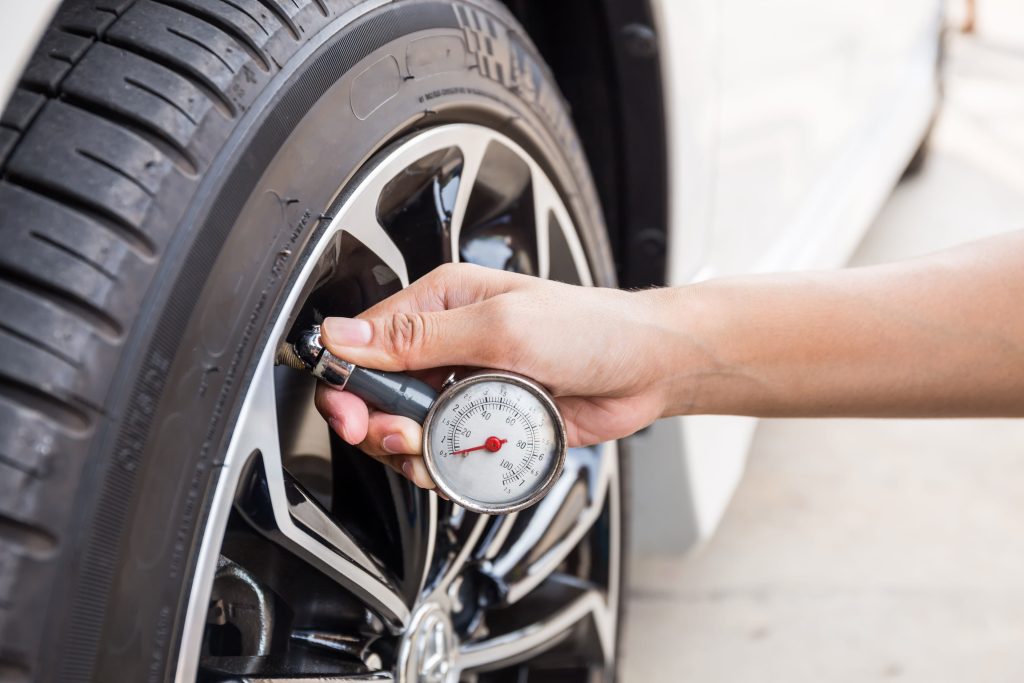
Are you sure your car’s tires are properly inflated? Checking your tire pressure might seem like a small task, but it can make a huge difference in your safety, fuel efficiency, and tire life.
If you don’t know how to check tire pressure the right way, you could be risking more than just a flat tire. In this guide, you’ll learn simple, step-by-step tips to quickly check your tire pressure and keep your car running smoothly.
Keep reading to discover how easy it is to protect yourself and your vehicle with one simple habit.
Why Tire Pressure Matters
Checking your car’s tire pressure is important for safe driving. Tires with the right pressure help your car work well on the road.
Many drivers do not check tire pressure often. This can cause problems with safety, fuel use, and tire life.
Impact On Safety
Proper tire pressure helps you keep control of your car. Low or high pressure can make steering and braking harder. This raises the risk of accidents.
- Correct pressure improves grip on the road
- Better handling reduces chances of skidding
- Proper inflation lowers the risk of tire blowouts
Effect On Fuel Efficiency
Tires with low pressure make your car work harder. This uses more fuel and costs more money. Keeping tires at the right pressure saves fuel and reduces pollution.
| Tire Pressure Level | Effect on Fuel Use |
| Too Low | Increases fuel consumption by up to 10% |
| Correct | Optimizes fuel efficiency |
| Too High | May reduce fuel use slightly but lowers safety |
Tire Longevity
Keeping correct tire pressure helps tires last longer. Under or over-inflated tires wear unevenly and get damaged faster. This means you need new tires sooner.
Tips to extend tire life:
- Check tire pressure monthly
- Use a reliable pressure gauge
- Inflate tires to the car maker’s recommended level
- Rotate tires regularly to avoid uneven wear
Tools Needed For Checking
Checking your car’s tire pressure is important for safety. You need the right tools to do it well.
A tire pressure gauge is the main tool. It helps you see the air pressure inside your tires.
Tire Pressure Gauge Types
There are different types of tire pressure gauges. Each type shows pressure in a unique way.
- Digital gauges show pressure on a screen.
- Manual gauges use a dial or stick to display pressure.
- Some gauges are simple, others have extra features.
Using A Digital Gauge
Digital gauges are easy to read. They show numbers clearly on an LCD screen.
To use, press the gauge on the tire valve. Wait for the number to appear. It shows the tire pressure in PSI or kPa.
- Check batteries before use.
- Hold the gauge steady on the valve.
- Read the number and compare to recommended pressure.
Using A Manual Gauge
Manual gauges have a stick or dial to show pressure. They do not need batteries.
Press the gauge on the valve. The stick pops out or the dial moves to show pressure.
- Make sure the gauge is clean.
- Press firmly to avoid air leaks.
- Read the pressure from the stick or dial.
When To Check Tire Pressure
Checking tire pressure is important for safe driving. Properly inflated tires improve fuel efficiency and tire life.
Knowing the right time to check your tires helps keep your car running smoothly and safely.
Cold Vs Warm Tires
Check tire pressure when tires are cold. Cold tires mean the car has been parked for at least three hours or driven less than one mile.
Warm tires have higher pressure because heat increases air pressure inside. Measuring pressure when tires are warm can give false readings.
- Cold tires give accurate pressure readings
- Avoid checking pressure right after driving long distances
- If needed, add 4 psi to the cold pressure reading for warm tires
Recommended Frequency
Check your tire pressure once a month. Regular checks help catch leaks and maintain safety.
Always check before long trips or when carrying heavy loads. This keeps tires at the right pressure for driving conditions.
- Check monthly for daily drivers
- Check before long trips
- Check when carrying extra weight
- Check after big temperature changes

Credit: www.youtube.com
Step-by-step Pressure Check
Checking your car’s tire pressure is important for safety and fuel efficiency. It helps your tires last longer and drives smoothly.
Follow these simple steps to check tire pressure accurately at home or anywhere.
Locate Valve Stem
Find the valve stem on your tire. It is a small rubber or metal tube sticking out from the wheel.
It is usually near the center of the wheel and easy to spot.
Remove Valve Cap
Unscrew the small cap on the valve stem by turning it counterclockwise. Keep the cap safe so you don’t lose it.
Removing the cap lets you access the valve to check pressure.
Press Gauge To Valve
Place the tire pressure gauge firmly onto the valve stem. Push straight down until you hear a slight hiss of air.
This means the gauge is properly connected to get a reading.
Read Pressure Value
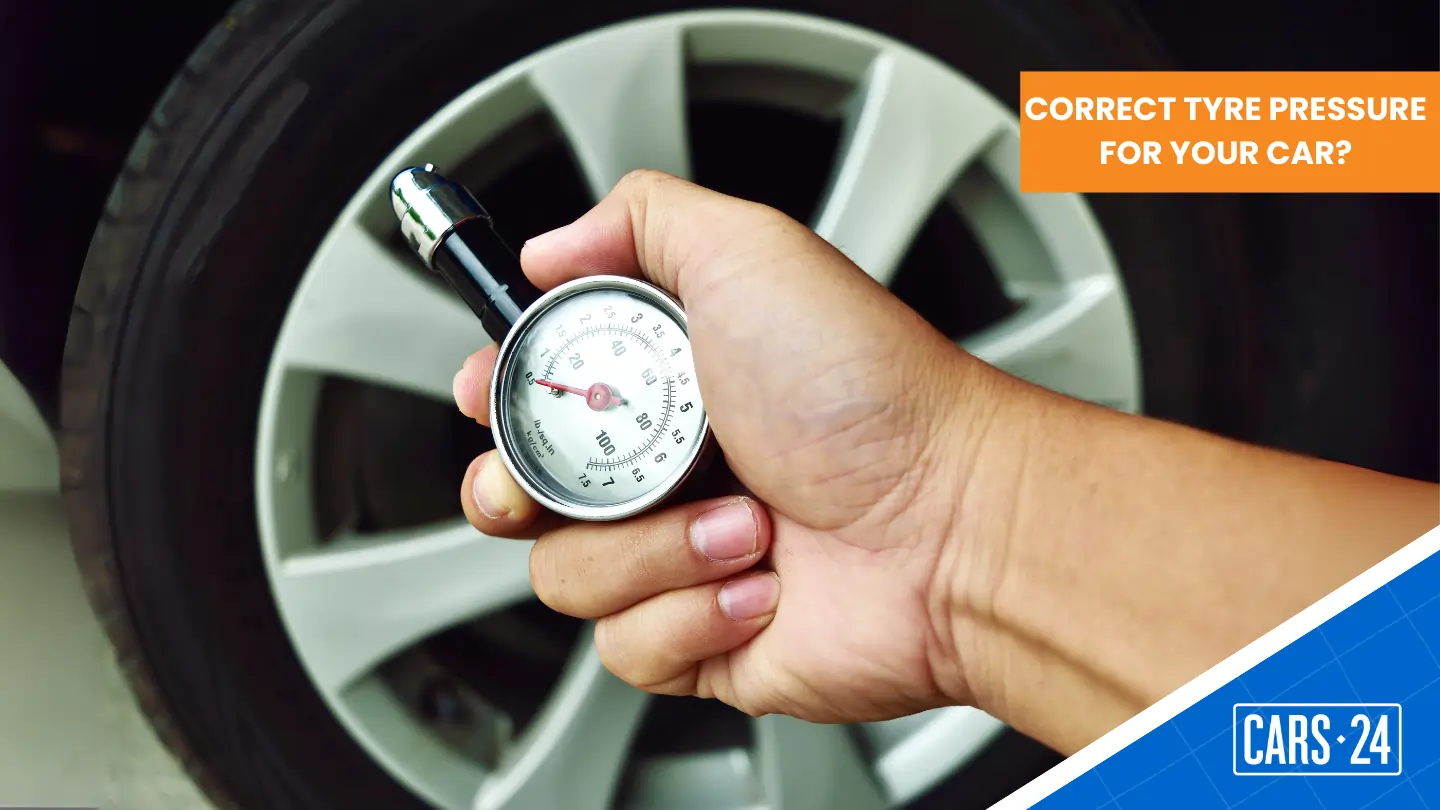
Look at the gauge display or stick to see the tire pressure number. It usually shows pressure in PSI (pounds per square inch).
Note the number carefully before removing the gauge.
Compare With Recommended Pressure
Check your car’s manual or the sticker inside the driver’s door for the correct tire pressure. Compare the gauge reading to this number.
If your tire pressure is too low, add air. If it is too high, release some air.
Adjusting Tire Pressure
Keeping the right tire pressure is important for safe driving. Adjusting tire pressure helps your car perform better.
You can add air or release air to reach the correct pressure. A tire pressure gauge and air compressor are useful tools.
Adding Air
To add air, remove the valve cap on the tire. Attach the air hose to the valve stem firmly.
Press the air hose to let air enter the tire. Check the pressure often to avoid over-inflation.
- Remove valve cap
- Attach air hose tightly
- Fill air slowly
- Check pressure with gauge
- Stop when desired pressure is reached
Releasing Air
If the tire pressure is too high, release air by pressing the valve stem. Use a small tool or your fingernail.
Release air slowly and check pressure often. Stop releasing air once the pressure is correct.
- Remove valve cap
- Press valve stem to release air
- Check pressure with gauge
- Release air slowly
- Replace valve cap after adjusting
Using Air Compressor
An air compressor makes adding air easy. Connect the compressor hose to the tire valve.
Turn on the compressor and watch the pressure gauge. Stop the compressor when the right pressure is reached.
- Connect hose to tire valve
- Turn on air compressor
- Watch pressure gauge closely
- Turn off compressor at correct pressure
- Remove hose and replace valve cap
Credit: www.cars24.com.au
Tips For Accurate Measurement
Checking your car’s tire pressure helps keep you safe and saves fuel. Accurate measurements mean your tires last longer and work better.
Use the right tools and follow simple steps to get the best reading every time you check your tire pressure.
Check All Tires
Measure the pressure in all tires, not just the front or rear ones. Each tire can have a different pressure, which affects driving safety.
- Check tires when they are cold for accurate pressure.
- Remove the valve cap before measuring.
- Press the gauge firmly on the valve stem to avoid air leaks.
- Record the pressure for each tire separately.
Include Spare Tire
Don’t forget the spare tire. It can lose air over time even if not used. Keeping it properly inflated ensures it’s ready in an emergency.
| Tire Type | Recommended Pressure (PSI) |
| Front Tires | 32 |
| Rear Tires | 30 |
| Spare Tire | 60 |
Maintain Gauge Calibration
Use a tire pressure gauge that is accurate and in good condition. Check its calibration regularly to avoid wrong readings.
Tips to keep your gauge accurate:
- Store the gauge in a dry place.
- Do not drop or hit the gauge.
- Test the gauge on a known pressure source monthly.
- Replace the gauge if it shows inconsistent readings.
Common Mistakes To Avoid
Checking tire pressure helps keep your car safe and your tires long-lasting. Many people make simple mistakes that cause wrong readings. Avoid these errors to get the right tire pressure.
Below are common mistakes to watch out for when checking tire pressure. Fixing these will give you better results and safer driving.
Checking On Hot Tires
Measuring tire pressure right after driving is a common mistake. Tires heat up from friction, which raises the air pressure inside. This makes the reading higher than the actual pressure when cold.
- Wait at least three hours after driving before checking pressure.
- Check pressure in the morning before using the car.
- Do not release air to cool tires before measuring.
Ignoring Manufacturer’s Specs
Each car has a recommended tire pressure set by the maker. Ignoring these specs leads to underinflated or overinflated tires. Both can cause uneven wear or unsafe driving conditions.
| Common Errors | Correct Action |
| Using tire sidewall pressure | Check owner’s manual or door sticker |
| Inflating to maximum tire pressure | Follow vehicle manufacturer’s recommended pressure |
| Setting same pressure for all tires | Use different pressures if specified for front and rear tires |
Using Damaged Gauges
Tire pressure gauges can wear out or break. Using a damaged gauge gives wrong readings and wastes time. Check your gauge before use to make sure it works correctly.
- Inspect the gauge for cracks or dents.
- Make sure the needle or digital display moves freely.
- Calibrate the gauge yearly or replace if it shows odd readings.
Credit: tiredirect.ca
Frequently Asked Questions
How Often Should I Check My Car’s Tire Pressure?
You should check tire pressure at least once a month. Also, check before long trips or when carrying heavy loads. Regular checks prevent uneven wear and improve fuel efficiency.
What Is The Correct Tire Pressure For My Car?
Find the recommended tire pressure on the driver’s side door jamb or in the owner’s manual. It varies by car model, usually between 30-35 PSI. Maintaining this pressure ensures safety and optimal performance.
Can I Check Tire Pressure Without A Gauge?
It’s best to use a tire pressure gauge for accuracy. Visual checks or tapping tires won’t give precise readings. A gauge helps detect underinflation or overinflation early to avoid tire damage.
When Is The Best Time To Check Tire Pressure?
Check tire pressure when tires are cold, ideally before driving in the morning. Heat from driving can increase tire pressure, leading to inaccurate readings. Cold checks ensure correct inflation levels.
Conclusion
Checking tire pressure keeps your car safe and saves fuel. Use a reliable gauge for the best results. Check pressure when tires are cold for accuracy. Regular checks prevent tire damage and improve driving comfort. Make it a habit to check monthly or before long trips.
Small effort, big benefits. Stay safe on the road by keeping tires properly inflated. Easy steps, better driving.