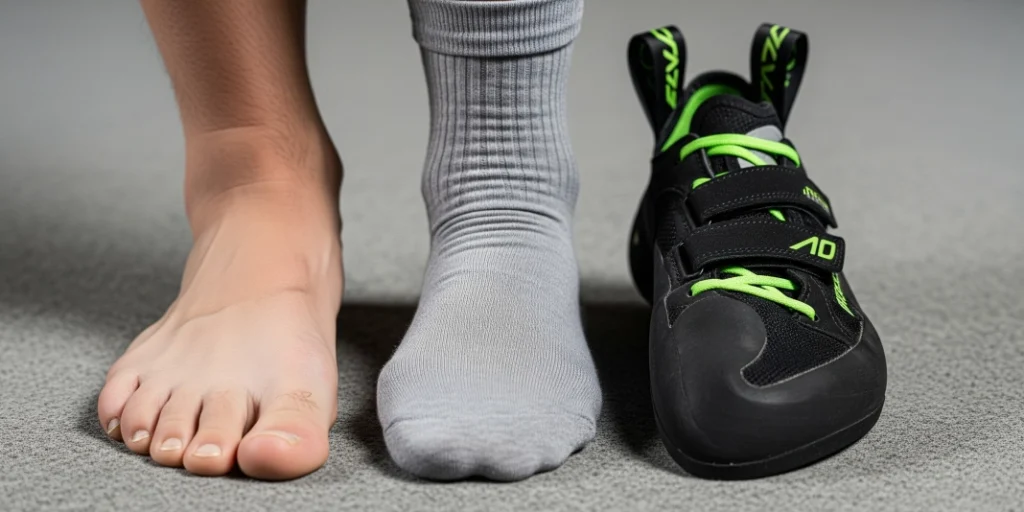
Are you wondering if you should wear socks with your rock climbing shoes? It’s a common question that can make a big difference in your comfort and performance.
Choosing the right way to wear your climbing shoes can help you climb longer, avoid blisters, and keep your feet feeling great. You’ll discover the pros and cons of wearing socks, expert tips, and how to decide what works best for you.
Keep reading to find out the secret to making your climbing shoes feel just right every time.
Credit: www.climbing.com
Socks And Climbing Shoes Basics
Climbing shoes are a key part of rock climbing gear. They help climbers grip rocks better.
Many climbers wonder if they should wear socks with their climbing shoes. This guide explains the basics.
Purpose Of Climbing Shoes
Climbing shoes fit tightly to improve foot control and grip. They have sticky rubber soles for better traction.
- Increase sensitivity to feel the rock surface
- Provide support for foot holds
- Enhance grip with special rubber soles
- Help climbers use small edges and cracks
Role Of Socks In Climbing
Socks can add comfort but may reduce shoe sensitivity. They also help keep feet dry and prevent blisters.
| Benefit | With Socks | Without Socks |
| Comfort | Higher | Lower |
| Foot Sensitivity | Lower | Higher |
| Moisture Control | Better | Worse |
| Risk of Blisters | Lower | Higher |
Pros Of Wearing Socks
Wearing socks with rock climbing shoes can offer several benefits. Socks add an extra layer between your feet and the shoe.
This layer improves comfort and helps manage moisture during climbs.
Comfort And Cushioning
Socks provide extra cushioning inside tight climbing shoes. This cushioning reduces pressure points and foot pain. Soft socks can make wearing shoes longer easier.
Moisture Management
Socks help keep feet dry by absorbing sweat. Dry feet reduce odor and keep skin healthy. Climbing shoes often trap heat, so socks help with air circulation.
- Socks absorb sweat from feet
- They reduce slipperiness inside the shoe
- Dry feet prevent fungal infections
- Improves overall foot hygiene
Preventing Blisters
Socks reduce skin friction against the shoe. This lowers the chance of blisters forming on your feet. Wearing socks can protect sensitive skin during long climbs.
| Benefit | How Socks Help |
| Reduce friction | Soft fabric cushions skin |
| Protect skin | Less direct contact with shoe |
| Blister prevention | Minimizes rubbing and irritation |
Cons Of Wearing Socks
Wearing socks with rock climbing shoes is a personal choice. Many climbers prefer going sockless. Socks can change how the shoe feels and performs.
Here are some downsides to wearing socks with climbing shoes.
Reduced Sensitivity
Socks create a thin layer between your skin and the shoe. This layer lowers your ability to feel the rock surface. Good sensitivity helps you place your feet precisely.
Less sensitivity can make it harder to balance on small holds or edges.
Fit And Performance Impact
Climbing shoes fit very tightly. Socks add extra space inside the shoe. This can make the shoe feel loose or less snug. A poor fit reduces your control and power.
Socks also increase friction inside the shoe. This can cause your feet to slip more during climbs.
- Socks reduce tightness needed for good grip
- Extra space lowers foot control
- Friction from socks may cause slipping
Shoe Damage Risks
Socks can trap sweat inside the shoe. Moisture weakens shoe materials over time. It can cause the shoe to stretch or wear out faster.
Some socks have rough seams. These may rub against the shoe lining and cause damage. This can reduce the shoe’s lifespan.
- Trapped moisture damages shoe materials
- Seams in socks may wear shoe lining
- Faster wear and tear on shoes

Credit: www.hywellstore.com
Types Of Socks For Climbing
Choosing the right socks can improve your climbing comfort. Socks protect your feet and help with shoe fit.
Different socks suit different climbing shoes and conditions. Here are common types used by climbers.
Thin Synthetic Socks
Thin synthetic socks are made from materials like nylon and polyester. They are lightweight and dry quickly.
These socks reduce sweat and prevent blisters. They also keep your feet cool during climbs.
- Good moisture control
- Thin enough to fit tight shoes
- Durable and easy to wash
Wool And Merino Options
Wool and merino socks offer warmth and softness. Merino wool is breathable and controls odor well.
These socks work well in cooler weather or longer climbs. They keep feet warm even if wet.
- Natural fiber for comfort
- Good for cold or damp conditions
- Soft and itch-free options available
Custom Climbing Socks
Custom climbing socks are made to fit your feet exactly. They offer extra padding in key areas.
These socks can improve shoe fit and reduce pressure points. They are popular for serious climbers.
- Tailored fit for comfort
- Extra cushioning where needed
- Can prevent blisters and hot spots
When To Wear Socks
Wearing socks with rock climbing shoes depends on the conditions and personal comfort. Some climbers prefer barefoot for better feel. Others wear socks to protect their feet in certain situations.
Choosing to wear socks can help in cold weather, long climbs, or to protect your feet. Let’s look at when socks are a good idea.
Cold Weather Climbing
In cold weather, wearing socks helps keep your feet warm inside climbing shoes. Cold feet can reduce your climbing ability and cause discomfort.
Socks act as insulation and stop your feet from getting too cold. Choose thin, moisture-wicking socks to avoid slipping inside the shoes.
- Thin socks keep warmth without extra bulk
- Wool or synthetic materials work best
- Avoid thick socks that make shoes tight
Long Durations And Multi-pitch
For long climbs or multi-pitch routes, socks help prevent blisters and chafing. Your feet stay drier and more comfortable over time.
Socks reduce friction between your skin and shoes. This lowers the chance of painful hot spots during long climbs.
- Wear thin socks to keep shoe fit tight
- Choose breathable socks to reduce sweat
- Change socks if they get wet or dirty
Foot Health Considerations
Socks protect your feet from dirt and bacteria inside shoes. They help keep your skin healthy and reduce odor.
If you have sensitive skin or foot problems, socks add a protective layer. This can prevent irritation and infections.
- Wear clean socks to avoid fungal infections
- Use socks with padding for extra comfort
- Choose moisture-wicking socks to keep feet dry
When To Skip Socks
Many climbers ask if they should wear socks with their rock climbing shoes. Sometimes, skipping socks can be better for your climb. It depends on the type of climbing and conditions.
Going sockless can improve fit and feel. But it might not be best for all situations. Here are times when you might want to skip socks.
Maximizing Performance
Wearing no socks helps your climbing shoes fit tighter. This tight fit gives better control on small holds. It also helps you feel the rock better.
Tight shoes without socks reduce extra space inside. This prevents your feet from sliding. Climbing feels more precise and connected to the surface.
Short, Intense Sessions
For short climbs or bouldering, skipping socks can be useful. Your feet stay cooler and the shoes fit snugly. This helps with quick, powerful moves.
Since you are climbing for a short time, feet won’t get too sweaty or uncomfortable. This makes no socks a good choice for fast sessions.
Warm Weather Climbing
Climbing without socks in warm weather helps your feet stay cool. Socks can trap heat and sweat, making feet slippery inside shoes. Skipping socks reduces this problem.
This keeps your feet dry and comfortable. Dry feet help you climb better and avoid blisters or skin irritation.
Tips For Choosing The Right Fit
Choosing the right fit for rock climbing shoes can be tricky. Some climbers wonder if they should wear socks with their shoes.
This guide covers how socks affect the fit and comfort of climbing shoes. It also gives tips on picking the right socks and breaking in your shoes.
Sizing Climbing Shoes With Socks
Wearing socks changes the fit of climbing shoes. Socks add a layer between your foot and the shoe, which may make the shoes feel tighter.
- Try shoes on with the type of socks you plan to wear.
- Check if your toes can wiggle slightly.
- Make sure the heel fits snugly without slipping.
- Walk around to test comfort with socks inside.
- Remember, climbing shoes should feel snug but not painful.
Sock Material And Thickness
The material and thickness of socks affect shoe fit and foot comfort. Thin socks fit better in tight shoes but offer less padding.
| Material | Benefits | Drawbacks |
| Cotton | Soft and breathable | Holds moisture, can cause blisters |
| Wool | Warm and moisture-wicking | Thicker, may reduce shoe space |
| Synthetic | Durable and quick-drying | Less breathable than natural fibers |
| Thin liner socks | Add minimal bulk, reduce friction | Less padding, can wear out fast |
Breaking In Shoes With Socks
Wearing socks can help ease the break-in process for new climbing shoes. Socks protect your feet from irritation and blisters.
- Start by wearing socks when trying new shoes at home.
- Wear socks for short climbing sessions to reduce discomfort.
- Gradually switch to thinner socks or no socks as shoes mold to your feet.
- Use socks to prevent blisters during the break-in period.
- Clean and dry socks keep feet healthy and fresh.
Alternative Footwear Options
Choosing the right footwear for rock climbing is important. Not everyone prefers wearing socks with climbing shoes. There are other footwear options to explore.
These alternatives offer different benefits depending on the climbing style and personal comfort.
Approach Shoes
Approach shoes are made for hiking to climbing spots. They have sticky soles for grip on rocks. These shoes are comfortable for walking and light climbing.
Many climbers wear socks with approach shoes to prevent blisters. The fit is usually roomier than climbing shoes.
Climbing Sandals
Climbing sandals are open and breathable. They work well in hot weather and wet conditions. Sandals offer good foot ventilation and quick drying.
They often have adjustable straps for a secure fit. Some climbers wear thin socks with sandals, but many go sockless for better feel.
Barefoot Climbing
Barefoot climbing means climbing without shoes or socks. It helps feel the rock better. This can improve balance and grip on easy climbs.
It is not safe on all rocks and can cause injuries. Beginners should use caution and try barefoot climbing only on smooth, safe surfaces.
Care And Maintenance
Keeping your rock climbing shoes and socks clean helps you climb better. Proper care stops bad smells and keeps your gear safe for longer.
Simple cleaning and storage tips make a big difference. Learn how to clean socks and shoes, prevent odor, and extend shoe life.
Cleaning Socks And Shoes
Wash your climbing socks after each use. Use cold water and mild soap to keep them soft. Avoid bleach or strong detergents.
For shoes, wipe the outside with a damp cloth. Let them air dry away from direct sunlight. Do not put shoes in the washing machine.
- Hand wash socks gently
- Use mild soap for shoes and socks
- Air dry shoes and socks separately
- Do not use heat to dry shoes
Preventing Odor
Odor comes from sweat and bacteria. Keep socks clean and dry to stop smells. Change socks if they get wet during climbing.
Use breathable shoe bags or store shoes in a dry place. You can also add natural deodorizer packs to absorb moisture.
| Method | Benefits |
| Wash socks often | Removes sweat and bacteria |
| Air shoes after use | Dries moisture |
| Use deodorizer packs | Reduces odor and dampness |
| Store shoes in dry area | Prevents mold growth |
Extending Shoe Life
Taking care of shoes helps them last longer. Avoid wearing shoes outside climbing areas. Keep them clean and dry after every use.
- Remove dirt with a soft brush
- Check soles for wear regularly
- Store shoes in a cool, dry place
- Do not leave shoes in hot cars
- Use shoe trees or stuff with paper

Credit: www.reddit.com
Frequently Asked Questions
Do Climbers Wear Socks With Rock Climbing Shoes?
Most climbers prefer no socks for better fit and sensitivity. Socks can reduce shoe tightness and foot feel. However, some use thin socks for hygiene or comfort, especially beginners or during long climbs.
What Are The Benefits Of Wearing Socks While Climbing?
Wearing socks can prevent blisters and absorb sweat. They add a layer of cushioning and protect feet from shoe seams. Socks also help maintain hygiene by reducing odor and bacteria inside climbing shoes.
Can Socks Affect Climbing Shoe Performance?
Yes, socks can slightly reduce shoe sensitivity and grip. Thick socks may loosen shoe fit, affecting precision and control. Thin, snug socks minimize performance loss while offering comfort and protection.
What Type Of Socks Are Best For Climbing Shoes?
Thin, breathable, and moisture-wicking socks work best. Look for socks designed for athletic use with minimal seams. Avoid thick or bulky socks that compromise shoe fit and climbing performance.
Conclusion
Wearing socks with rock climbing shoes depends on your comfort and fit. Some climbers prefer going sockless for better sensitivity. Others wear thin socks to avoid blisters and sweat. Shoes fit tighter without socks, giving better control. Socks add a bit of padding but may reduce feel.
Try both ways to see what suits your climbing style. Comfort and safety matter most during every climb. Keep your feet dry and protected for best performance. Choose what feels right for you on the wall.