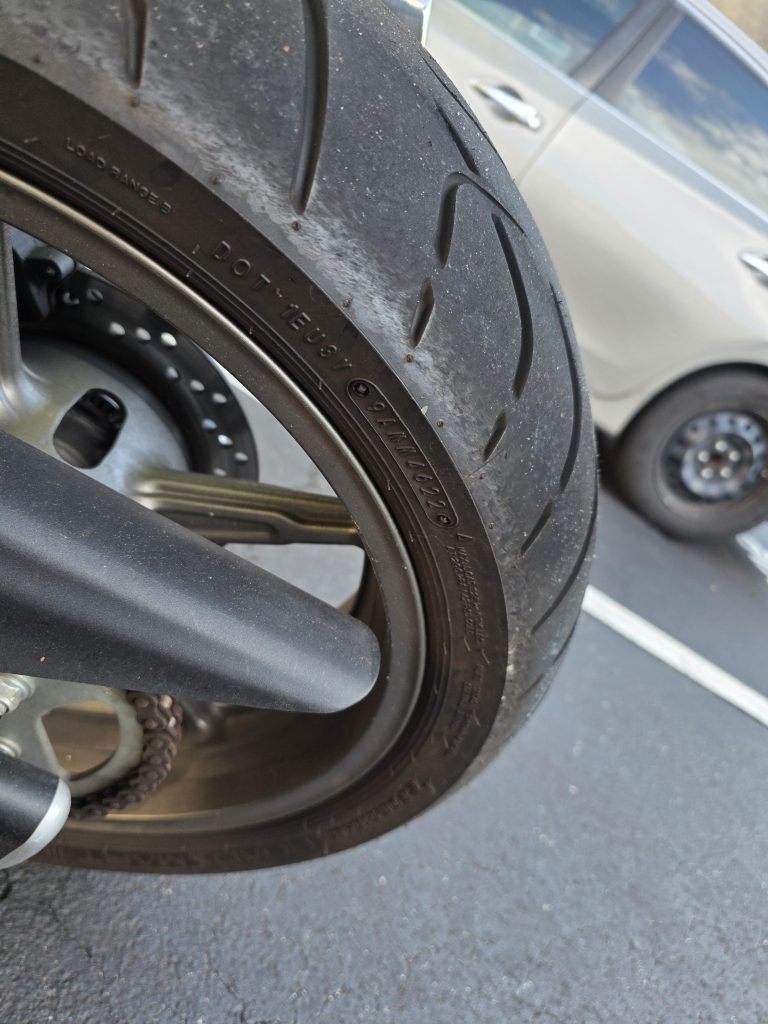
Your motorcycle tire is the only part keeping you connected to the road. But do you know when it’s time to change it?
Riding on worn-out tires can be dangerous and costly. You might feel a slight wobble or notice less grip, but is that enough to replace them? You’ll discover the clear signs that tell you it’s time for new tires. By knowing exactly when to change your motorcycle tire, you’ll stay safer, ride smoother, and avoid unexpected breakdowns.
Keep reading to protect yourself and your ride.

Credit: www.reddit.com
Signs Of Tire Wear
Motorcycle tires wear down over time and need to be replaced. Watching for signs of wear keeps you safe on the road.
Check your tires regularly to spot problems early. This helps avoid accidents and improves riding comfort.
Tread Depth Indicators
Tires have tread depth indicators built into the grooves. These small bars show when the tread is too low.
If the tread is worn down to the same level as the indicators, it is time to change the tire. Low tread reduces grip on wet or slippery roads.
- Look for raised bars inside the tread grooves
- Check if the tread touches these bars
- Change the tire if tread is at or below the indicator
Visible Cracks And Cuts
Cracks or cuts on your tire surface show damage. These can cause air leaks or sudden tire failure.
Look closely for any cracks in the sidewalls or cuts in the tread area. Replace tires with visible damage to stay safe.
- Cracks often appear on old or dry tires
- Cuts may happen from sharp objects on the road
- Damaged tires lose strength and may burst
Uneven Wear Patterns
Tires should wear evenly across the surface. Uneven wear means there may be a problem with your bike or tire pressure.
Look for spots that are more worn than others. These patterns can reduce tire life and affect handling.
- Wear on one side may mean poor wheel alignment
- Center wear can show over-inflation of the tire
- Edge wear might mean under-inflated tires
- Patchy wear can indicate suspension or balance issues

Credit: www.reddit.com
Impact Of Tire Age
Motorcycle tires do not last forever. Even if they look fine, the rubber changes with time. This affects safety and performance.
Knowing when to change tires based on their age helps prevent accidents. Let’s look at key points about tire aging.
Rubber Degradation Over Time
Rubber in tires breaks down as it gets older. Sunlight, heat, and air cause the rubber to dry and crack. This reduces grip on the road.
- Exposure to UV light weakens rubber fibers
- Ozone causes small cracks on the tire surface
- Heat speeds up rubber loss and hardening
- Cold weather can make rubber brittle
- Dry storage slows degradation, but does not stop it
Manufacturer’s Recommended Lifespan
Tire makers suggest a time limit for using tires safely. This is usually about five years from the manufacture date.
| Manufacturer | Recommended Tire Lifespan |
| Brand A | 5 years |
| Brand B | 4-6 years |
| Brand C | 5 years |
| Brand D | Up to 7 years if stored well |
Effects Of Riding Conditions
Riding conditions greatly affect motorcycle tire wear. Different environments cause tires to wear out faster or slower. Knowing these effects helps you decide when to change your tires.
Some riding styles stress tires more than others. This means you must check tires often and replace them sooner if needed.
Frequent Off-road Riding
Riding off-road means your tires face rough surfaces like rocks and dirt. These conditions cause the tire tread to wear down quickly.
Sharp rocks and uneven ground can cause cuts or punctures. This damage weakens the tire and makes it unsafe to use.
- Tires lose grip faster on dirt and gravel
- Sidewalls can get damaged by sharp objects
- Frequent checks for cuts and cracks are needed
High-speed Riding Stress
Riding at high speeds heats up tires more than usual. This heat causes the rubber to wear out faster.
High-speed riding can also cause uneven tire wear. This happens because of strong forces on the tire edges during cornering.
- Tires may develop flat spots from hard braking
- High heat reduces tire lifespan
- Check tire pressure regularly to avoid damage
Exposure To Harsh Weather
Extreme weather affects tire condition. Cold weather can make tires stiff and less grippy.
Hot weather and strong sunlight cause rubber to dry out and crack. Wet conditions can also wear tires unevenly.
- Store motorcycle indoors to protect tires
- Use tires designed for your climate
- Inspect tires often for cracks or dry rot
Safety Risks Of Worn Tires
Worn motorcycle tires reduce your safety on the road. They lose grip and can cause accidents.
It is important to know the dangers of using tires that are past their best condition.
Reduced Traction
Tires with low tread have less grip on wet and dry surfaces. This causes slipping and longer stopping distances.
- Slippery roads increase crash risk
- Harder to control turns and stops
- Less stability in wet weather
Increased Risk Of Blowouts
Old or worn tires are more likely to blow out. This sudden loss of air can cause loss of control.
| Cause | Effect |
| Cracks and cuts | Air leaks and bursts |
| Thin tread | Less protection from road debris |
| High tire pressure | Increased chance of tire failure |
Compromised Handling
Worn tires make your motorcycle harder to steer. You may feel vibrations and poor response in turns.
- Difficulty turning corners
- Feeling unstable at high speeds
- Pulling to one side
Routine Tire Inspection Tips
Checking your motorcycle tires often helps keep you safe on the road. Tires wear out over time and need care.
Regular inspections show when it is time to change your tires. This guide covers key inspection steps.
Checking Tire Pressure
Keep your tire pressure at the level your motorcycle maker says. Too low or too high pressure can cause problems.
Use a tire pressure gauge to check pressure when tires are cold. Check pressure before each ride or once a week.
- Remove valve cap and press gauge firmly
- Read the pressure on the gauge
- Add air or let some out to adjust
- Replace the valve cap after checking
Visual Inspection Techniques
Look carefully at the tire surface for damage or wear. Check for cracks, cuts, or objects stuck in the tire.
Inspect sidewalls for bulges or bubbles. These signs mean the tire is weak and unsafe to use.
- Check for uneven wear that could show alignment issues
- Look inside the tire grooves for debris
- Make sure there are no flat spots or bald patches
Measuring Tread Depth
Tread helps grip the road and drains water. Tires with shallow tread are dangerous, especially on wet roads.
Use a tread depth gauge or a coin to check the tire tread depth often. Replace tires if tread is too low.
- Insert a tread depth gauge into the tire grooves
- Read the depth in millimeters or 32nds of an inch
- Replace tires if tread depth is below 2mm (about 1/16 inch)
Choosing The Right Replacement
Knowing when to change your motorcycle tire is important for safety. Choosing the right replacement tire keeps your bike running well.
Picking the correct tire means looking at the bike type, your riding style, and quality brands. These factors help you find the best fit.
Matching Tire Type To Bike
Different motorcycles need different tires. Sport bikes use tires that grip well at high speeds. Cruisers need tires made for comfort and long rides.
Check your bike’s manual to find the right tire size and type. Using the wrong tire can cause poor handling and faster wear.
Considering Riding Style
Your riding style changes what tire fits best. If you ride fast on twisty roads, choose tires with strong grip and good cornering.
If you mostly ride on highways or take long trips, pick tires that last longer and offer a smooth ride. Off-road riders need tires with deep treads for dirt and mud.
- Sport riding: soft, sticky tires for better grip
- Touring: durable tires for long distances
- Off-road: knobby tires for rough surfaces
Selecting Quality Brands
Quality brands offer tires that meet safety and performance standards. They use better materials that last longer and handle well.
Look for brands with good reviews and warranties. Cheaper tires may save money but can wear out fast or fail in tough conditions.
Installation And Maintenance
Knowing when to change your motorcycle tire helps keep you safe on the road. Proper installation and regular upkeep extend tire life and improve performance.
This guide covers key steps for mounting tires, balancing and alignment, and daily maintenance tips.
Proper Mounting Procedures
Mounting a motorcycle tire correctly prevents accidents and uneven wear. Always check the tire direction and rim compatibility before installation.
Use the right tools and avoid damaging the tire bead or rim during mounting. Inflate the tire to the recommended pressure after installation.
- Inspect tire for damage before mounting
- Match tire rotation direction with wheel markings
- Use tire levers carefully to avoid damage
- Check rim for dirt and clean before mounting
- Inflate to manufacturer’s recommended pressure
Balancing And Alignment
Balance the tire to reduce vibrations and improve ride comfort. Imbalanced tires cause uneven wear and strain on suspension parts.
Align wheels properly to ensure safe handling. Misalignment leads to poor traction and faster tire wear.
- Use a wheel balancer to check tire balance
- Add weights if necessary to balance the wheel
- Check wheel alignment regularly, especially after impacts
- Adjust alignment according to the motorcycle manual
Regular Maintenance Practices
Keep tires in good shape by inspecting them often. Look for cracks, cuts, or worn tread.
Check tire pressure weekly and before long rides. Proper pressure improves fuel efficiency and tire life.
- Inspect tires for damage before each ride
- Maintain recommended air pressure levels
- Clean tires to remove dirt and debris
- Replace tires when tread depth is below safe limits

Credit: www.youtube.com
Frequently Asked Questions
When Should I Replace Motorcycle Tires?
Replace motorcycle tires when tread depth reaches 2/32 inch or less. Also, change tires if you notice cracks, bulges, or uneven wear. Regularly inspect tires to ensure safety and optimal performance on the road.
How Often Do Motorcycle Tires Need Changing?
Typically, motorcycle tires last between 3,000 to 15,000 miles. However, tire lifespan depends on riding style, road conditions, and tire type. Check your tires regularly and replace them if you notice significant wear or damage.
What Are Signs That Motorcycle Tires Need Replacement?
Look for worn tread, cracks, punctures, or sidewall bulges. Vibrations or poor handling can also indicate tire issues. Timely replacement ensures better grip, safety, and overall riding comfort.
Can Old Motorcycle Tires Be Unsafe?
Yes, old tires harden and lose grip, increasing accident risk. Even if tread looks fine, replace tires older than five years. Age degrades rubber, reducing performance and safety on the road.
Conclusion
Regularly check your motorcycle tires for wear and damage. Replace tires once the tread is low or cracks appear. Old tires lose grip and can cause accidents. Proper tire care keeps you safe and improves riding comfort. Don’t wait for problems—inspect tires often and change them on time.
Safe rides start with good tires. Stay alert and ride smart.