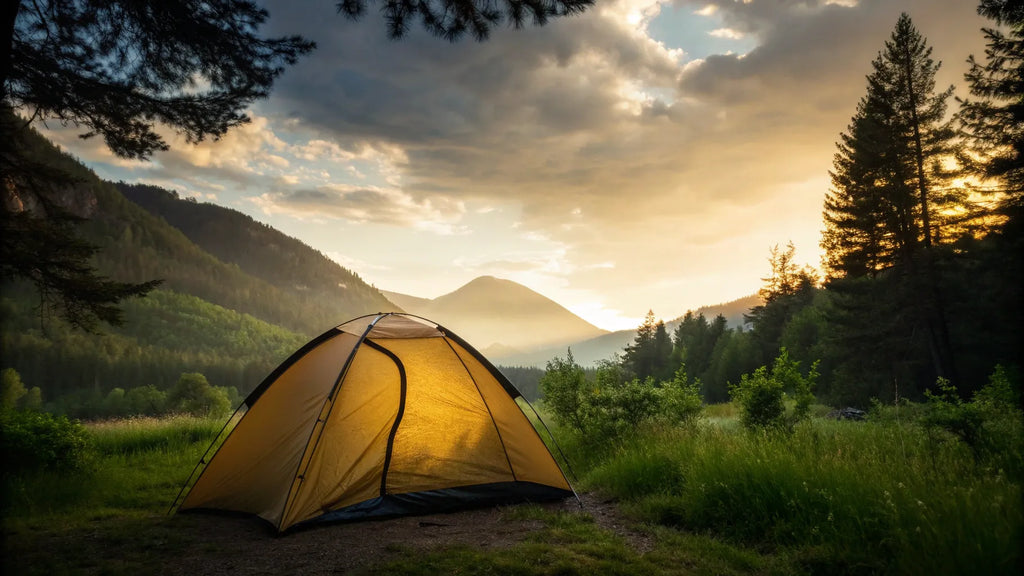
Feeling trapped in a hot, stuffy tent can ruin any outdoor adventure. You want to relax and enjoy nature, but the heat keeps you restless and uncomfortable.
What if you could transform your tent into a cool, refreshing space even on the hottest days? You’ll discover simple, effective ways to cool your tent down fast. These tips will help you stay comfortable, sleep better, and make the most of your time outside.
Keep reading—you’re about to learn how to beat the heat and enjoy every moment under your tent’s shade.
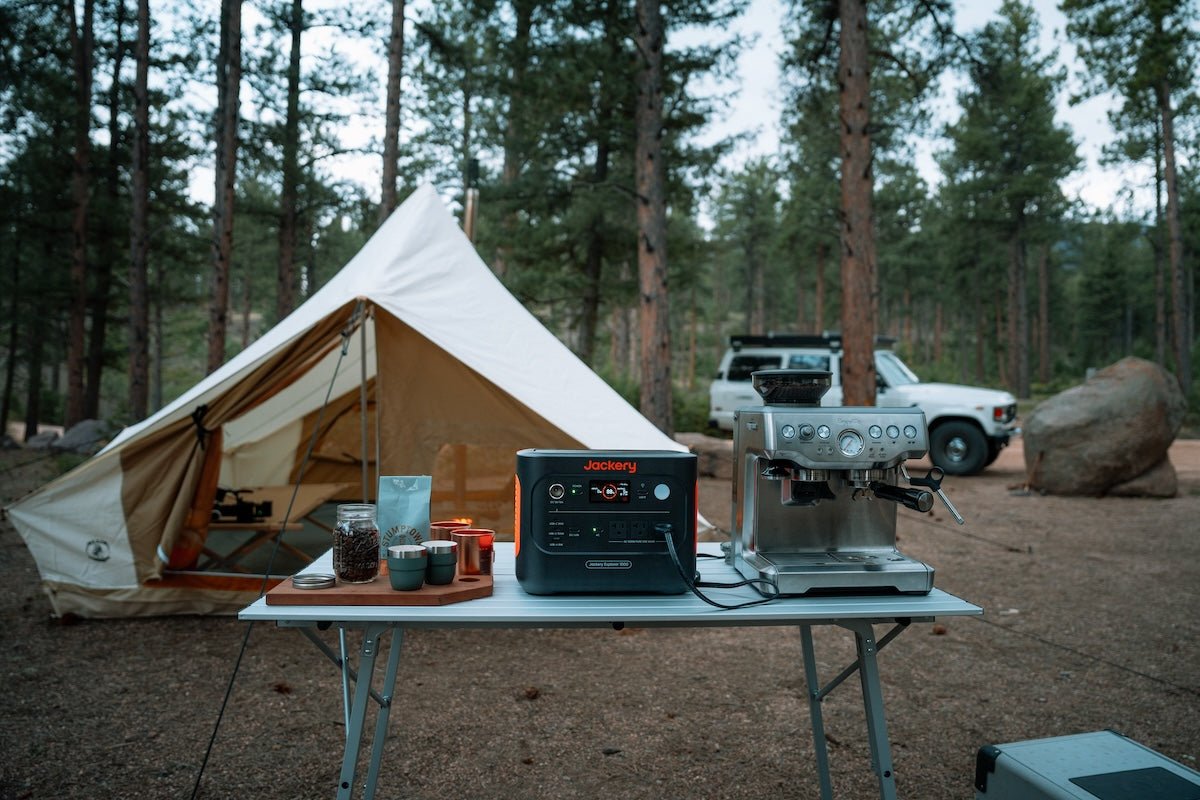
Credit: www.jackery.com
Choose The Right Tent
Choosing the right tent helps keep you cool during hot weather. A good tent lets air flow and blocks heat.
Look for tents made with materials and designs that lower temperature inside. This guide covers key features to check.
Lightweight And Breathable Fabrics
Lightweight fabrics do not trap heat. Breathable materials let air pass through, reducing sweat and moisture.
- Nylon and polyester fabrics dry fast and are light.
- Mesh panels improve airflow inside the tent.
- Look for tents with a breathable rainfly to avoid trapped heat.
Tent Color And Heat Absorption
Color affects how much heat the tent absorbs from sunlight. Light colors reflect heat, dark colors absorb it.
| Tent Color | Heat Absorption |
| White | Low |
| Light Gray | Low to Moderate |
| Green | Moderate |
| Dark Blue | High |
| Black | Very High |
Ventilation Features
Good ventilation keeps air moving inside the tent. This lowers heat and stops condensation build-up.
Look for these ventilation features in a tent:
- Large mesh windows and doors
- Adjustable vents near the roof and floor
- Double-wall design with a breathable inner tent
Optimal Tent Placement
Keeping your tent cool is important for a comfortable camping trip. One easy way is to place your tent in the right spot. This helps reduce heat from the sun and warm air.
Choose a location that uses natural features and weather to keep your tent cool. Small changes in where you set up can make a big difference.
Find Natural Shade
Setting your tent under trees or near large rocks can block sunlight. Shade keeps the tent cooler by reducing direct heat from the sun.
Look for spots where the sun does not hit directly in the morning or afternoon. Trees with thick leaves work best for shade.
- Place the tent under large trees with wide canopies
- Avoid areas with sparse or small trees that give little shade
- Check the sun’s path to pick the shadiest spot
Avoid Direct Sunlight
Direct sunlight heats up your tent quickly. Avoid open areas with no shade or reflective surfaces like water or rocks.
Set your tent in cooler areas away from bright sun. This lowers the inside temperature and keeps the tent comfortable.
- Pick spots away from open fields or hills that face the sun
- Stay clear of sandy or rocky areas that reflect heat
- Use natural shade to block the sun’s rays
Consider Wind Direction
Wind helps cool your tent by moving hot air away. Place your tent where breezes flow freely but avoid strong gusts that can damage it.
Look at the usual wind direction in the area. Set your tent so air can pass through for better ventilation and cooler temperature.
- Face the tent’s vents toward the wind for airflow
- Choose open spots where air moves easily
- Avoid valleys or low spots where air is still
Enhance Airflow Inside The Tent
Keeping a tent cool is important for comfort. Good airflow helps reduce heat inside the tent. It lets fresh air in and pushes hot air out.
Here are simple ways to improve airflow inside your tent. These tips help you stay cooler during hot days.
Use Multiple Vents
Many tents have built-in vents at the top or sides. Open as many vents as possible. This allows hot air to escape easily.
Vents help air move without letting bugs inside. Use mesh covers on vents to keep insects out while letting air flow.
Keep Doors Open When Possible
Leaving the tent door open lets fresh air enter. This lowers the temperature inside. Use a mesh door to keep bugs out.
Open the door during cooler parts of the day, like morning or evening. Close it when it gets hot or if bugs are around.
Create Cross Ventilation
Cross ventilation means air moves through two openings on opposite sides. This flow pushes hot air out quickly.
Open vents or doors on opposite sides of the tent. This lets cool air come in and warm air leave.
- Open front and back doors
- Use vents on opposite sides
- Set up tent where wind can pass through

Credit: www.battlbox.com
Use Cooling Accessories
Keeping your tent cool makes camping more comfortable. You can use different accessories to lower the temperature inside your tent. These tools help reduce heat and improve airflow.
Here are some effective cooling accessories to consider for your next camping trip.
Portable Fans And Misters
Portable fans circulate air inside the tent. They help move hot air out and bring cooler air in. Battery-powered fans are easy to carry and use without electricity.
Misters spray a fine mist of water. When the water evaporates, it cools the air around it. You can find small battery-operated misters that work well inside tents.
- Choose fans with rechargeable batteries
- Use misters near the tent entrance for best effect
- Keep misters away from electronics to avoid damage
- Combine fans and misters for stronger cooling
Reflective Tarps And Covers
Reflective tarps block sunlight and reduce heat buildup. They reflect the sun’s rays away from the tent surface. This keeps the tent cooler during hot days.
Use a tarp above or around your tent. Make sure it is shiny and light-colored to reflect more heat. These tarps also protect your tent from rain.
| Type | Function | Benefit |
| Reflective Tarp | Blocks sunlight | Keeps tent cooler |
| Light-Colored Cover | Reflects heat | Reduces temperature inside |
| Waterproof Cover | Protects from rain | Keeps tent dry and cool |
Cooling Mats And Pads
Cooling mats and pads provide a cool surface to sit or sleep on. They absorb heat from your body and the tent floor. This helps you feel more comfortable in hot weather.
Some mats use gel or water to stay cool longer. Others are made from breathable materials that allow air to flow under you.
- Place mats on the tent floor before entering
- Keep mats shaded to stay cool longer
- Use mats with breathable fabric for comfort
Manage Heat Sources
Keeping your tent cool is easier when you control heat sources nearby. Heat can build up fast inside a tent, making it uncomfortable. Managing what adds heat helps keep the space fresh.
Simple actions reduce heat and improve air flow. Focus on how you use electronics, cook, and handle wet gear. These small changes make a big difference.
Limit Electronics Usage
Electronics create heat when they run. Using many devices inside a tent raises the temperature quickly. Try to cut down on electronic use to keep air cooler.
- Turn off devices when not needed
- Avoid charging multiple gadgets inside
- Use battery power instead of plug-in options
- Keep electronics out of direct sunlight
Avoid Cooking Near Tent
Cooking produces heat and smoke that can raise tent temperatures and cause discomfort. Keep cooking areas away from your tent to reduce heat inside.
| Cooking Location | Effect on Tent Heat |
| Inside Tent | High heat, smoke buildup |
| Near Tent Entrance | Moderate heat, possible smoke |
| At Least 10 feet Away | Minimal heat impact |
Dry Wet Gear Outside
Wet clothes and gear inside the tent release moisture and can raise humidity and temperature. Drying them outside helps keep the air dry and cooler.
Tips to dry gear outside:
- Hang clothes on a line or tree branch
- Use a portable drying rack
- Avoid placing wet items inside the tent overnight
- Choose sunny or breezy spots for faster drying
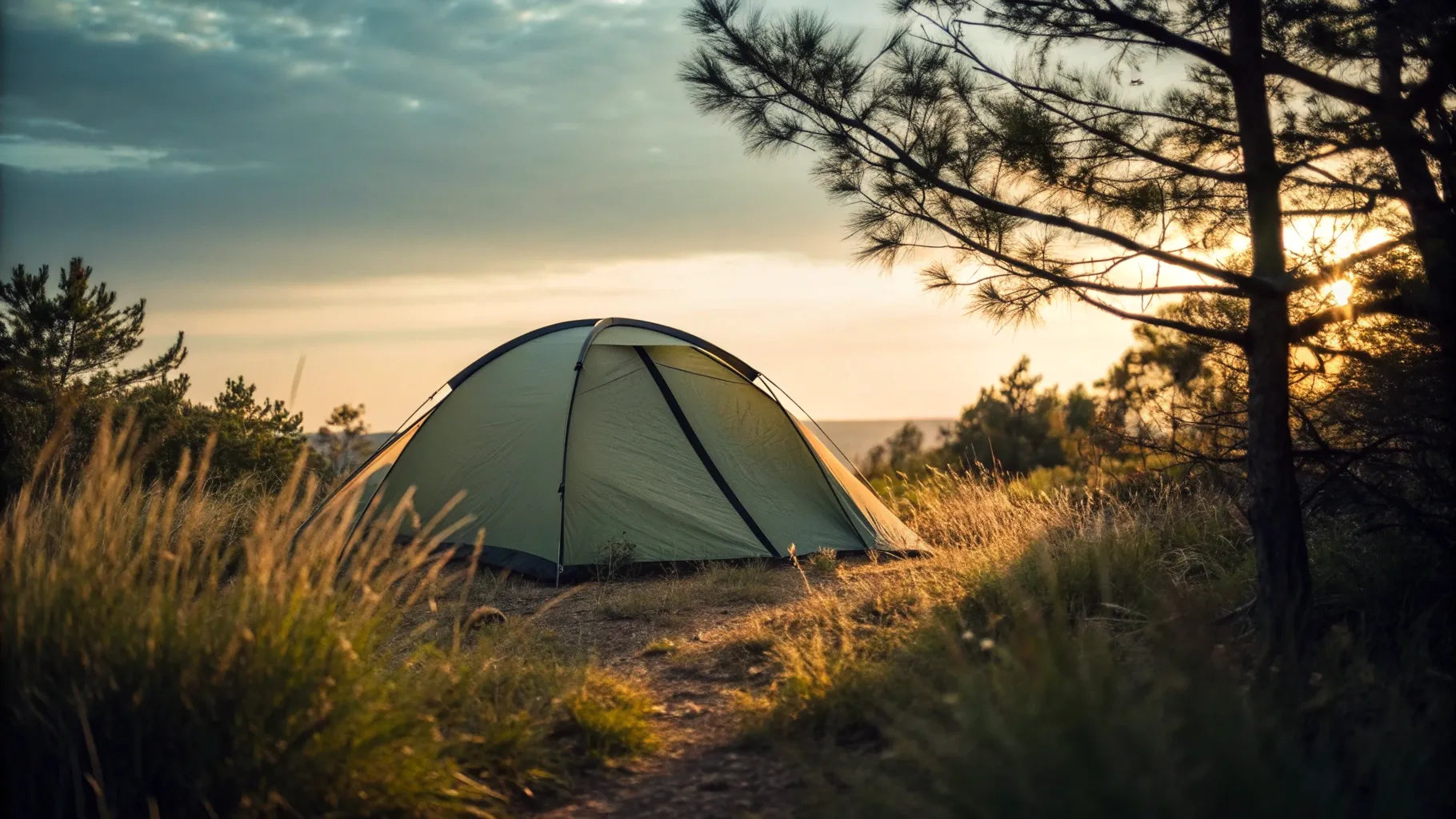
Credit: www.battlbox.com
Hydrate And Stay Comfortable
Keeping cool inside a tent can be a challenge on hot days. Staying hydrated and wearing the right clothes helps your body stay comfortable.
Using simple tools like cooling towels can also lower your body temperature quickly. Here are some ways to keep cool and feel fresh.
Drink Plenty Of Water
Water keeps your body cool and helps avoid heat exhaustion. Drink water often, even if you do not feel thirsty. Avoid sugary or alcoholic drinks because they can dehydrate you.
- Carry a reusable water bottle with you.
- Drink a small amount every 15 to 20 minutes.
- Eat fruits with high water content like watermelon or oranges.
- Refill your water supply whenever you can.
Wear Breathable Clothing
Choose clothes made from cotton or linen. These fabrics let air move through, helping sweat evaporate. Loose clothes allow better airflow than tight ones.
- Pick light-colored clothes to reflect sunlight.
- Wear hats to protect your head and face.
- Use sunglasses to shield your eyes from the sun.
- Consider moisture-wicking fabrics for active days.
Use Cooling Towels
Cooling towels help reduce your body temperature fast. Wet the towel, wring it out, and place it on your neck or wrists. The evaporation cools your skin.
| How to Use Cooling Towels | Tips |
| Wet towel with cold water | Use clean water for best effect |
| Wring out excess water | Should be damp, not dripping |
| Place on skin areas | Neck, wrists, or forehead work well |
| Re-wet as needed | Keep towel fresh and cool |
Frequently Asked Questions
How Can I Naturally Cool A Tent Inside?
Open all tent windows and doors for cross-ventilation. Use a battery-powered fan to circulate air. Set up your tent in a shaded area to avoid direct sunlight heating the fabric.
What Tent Materials Help Keep It Cool?
Choose tents made with reflective or light-colored fabrics. These materials reflect sunlight and reduce heat absorption. Avoid dark-colored tents as they absorb more heat and increase inside temperature.
Does Using A Tent Rainfly Affect Cooling?
Yes, using a rainfly can trap heat inside. Opt for a mesh rainfly or remove it during hot days. This allows better airflow while still protecting from light rain.
Can Positioning The Tent Improve Cooling?
Absolutely. Position your tent to catch prevailing winds for natural airflow. Avoid placing it on hot surfaces like rocks or asphalt, which radiate heat into the tent.
Conclusion
Keeping your tent cool makes camping more fun and safe. Use shade and open vents to let air flow. Wet cloths or portable fans help lower the heat inside. Choose light-colored tents to reflect sunlight. Remember to stay hydrated and avoid cooking inside the tent.
Small changes create big comfort during hot days. Try these tips on your next trip for a cooler experience. Your body and mind will thank you. Enjoy nature without feeling too hot.