
Are LED lights on cars illegal? If you’ve ever thought about upgrading your vehicle’s lighting or noticed those bright, colorful LEDs on the road, this question might be on your mind.
You want your car to look good and stand out, but you also don’t want to break any laws or risk a ticket. Understanding the rules around LED lights can save you from unexpected fines and keep you safe on the road.
Keep reading to find out what’s allowed, what’s not, and how to use LED lights the right way for your car.
Car Led Lights Basics
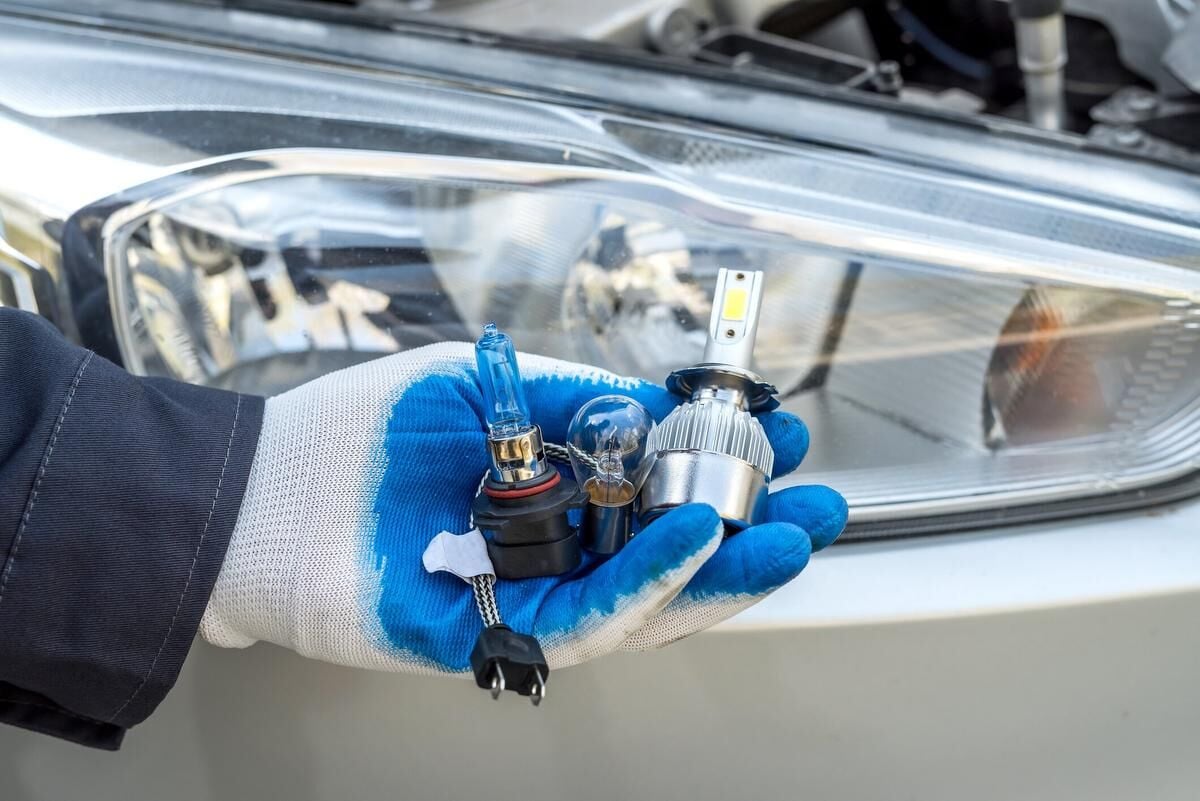
LED lights are a popular choice for car lighting. They use less energy than traditional bulbs. LED stands for Light Emitting Diode.
People use LED lights for headlights, taillights, and interior lighting. They are known for their brightness and long life.
Types Of Led Lights Used
There are several types of LED lights for cars. Each type serves a different purpose.
- Headlight LEDs: Bright and focused for better road visibility
- Taillight LEDs: Used for brake lights and turn signals
- Interior LEDs: Provide cabin lighting with less heat
- Strip LEDs: Often used for decorative or accent lighting
Each LED type comes in different colors and sizes. This helps fit different car models and designs.
Advantages Over Traditional Lights
LED lights offer many benefits compared to old-style bulbs. They use less power and last longer.
- Energy efficient: Save battery power and reduce fuel use
- Long lifespan: Can last up to 25,000 hours or more
- Brighter light: Improve visibility for safer driving
- Fast response: Lights turn on instantly
- Durable: Resist shock and vibration better
These advantages make LED lights a smart choice for cars. They improve safety and lower maintenance costs.
Legal Standards For Vehicle Lighting
Car lighting rules help keep roads safe. They set limits on the types of lights cars can use. These laws cover color, brightness, and placement of lights.
LED lights are popular in cars. Some drivers wonder if these lights are legal to use. The answer depends on where you live and the rules that apply.
National Regulations
At the national level, vehicle lighting must meet standards set by government agencies. These rules often follow guidelines from safety organizations.
- Lights must have specific colors, like white for headlights and red for tail lights.
- Brightness levels are controlled to avoid blinding other drivers.
- Lights must be placed in approved locations on the vehicle.
- Aftermarket LED lights need certification to be legal.
State And Local Variations
States and cities may add their own rules on car lighting. These rules can differ a lot between places. It is important to check local laws before adding LED lights to your car.
| Location | Common Restrictions | Notes |
| California | No colored headlights except white or yellow | Stricter rules on brightness |
| Texas | Allows some colored LED lights if not distracting | Local police discretion applies |
| New York City | Prohibits flashing or changing colors | Heavy fines for violations |
| Florida | Permits LED lights but no blue or red (reserved for emergency) | Must be steady, not flashing |
Common Misconceptions About Led Lights
LED lights are popular for car lighting. Many people think they are illegal or unsafe. This is not always true. Understanding facts can clear up these ideas.
This article looks at common myths about LED lights on cars. We explain visibility and driver safety concerns.
Myths About Visibility
Some people believe LED lights are too bright. They say this can blind other drivers. Others think LEDs do not light the road well. These ideas often come from wrong information.
- LEDs use focused beams that improve road lighting.
- They consume less power but provide strong light.
- Properly installed LED lights meet legal brightness limits.
- Overly bright or wrong color LEDs can be illegal.
Concerns About Driver Safety
Some worry that LED lights distract drivers. Others fear they cause more accidents. These concerns need facts and clear rules.
| Concern | Fact |
| LEDs distract other drivers | Legal LEDs have controlled glare to reduce distraction |
| LEDs cause more accidents | No proof shows LEDs increase crash rates |
| LEDs confuse drivers at night | Correct color and brightness keep visibility safe |
Credit: www.thestar.com
When Led Lights Become Illegal
LED lights on cars have become popular for their brightness and energy efficiency.
But not all LED lights are allowed by law. Some can be illegal depending on color, brightness, or installation.
Non-compliant Colors And Brightness
Car LED lights must follow color and brightness rules. Some colors are banned because they can confuse other drivers.
- Red lights are only for the rear of the car.
- Blue lights are usually reserved for emergency vehicles.
- Green or purple lights are not allowed on public roads.
- Headlights must be white or yellow and not too bright.
- Excessive brightness can blind other drivers and cause accidents.
Improper Installation Issues
LED lights installed incorrectly can break the law. Improper wiring or placement can cause safety risks.
| Issue | Effect | Legal Concern |
| Wiring not sealed | Water damage, shorts | Fails safety standards |
| Lights aimed too high | Blinds other drivers | Violates brightness rules |
| Lights added to illegal areas | Distracts drivers | Not allowed by law |
| Using non-certified lights | Unpredictable performance | Fails compliance tests |
Enforcement And Penalties
Many places have rules about led lights on cars. These rules help keep roads safe for everyone.
Police officers check for illegal lighting. They take action if lights break the law.
Typical Law Enforcement Actions
Officers stop drivers if their car lights are too bright or distracting. They may ask the driver to turn off the lights.
In some cases, officers may issue a warning or ticket. They might also require the driver to fix the lights before driving again.
- Traffic stops to inspect vehicle lighting
- Warnings given for minor violations
- Tickets issued for serious or repeated offenses
- Orders to remove or cover illegal lights
Fines And Legal Consequences
Fines vary by location but can be costly. Some places charge small fees; others impose higher fines for repeat offenses.
Serious violations may lead to court appearances. Drivers could face additional penalties like points on their license.
- Monetary fines ranging from $50 to $500 or more
- Points added to driving records
- Possible vehicle impoundment in extreme cases
- Mandatory correction of illegal lighting before driving

Credit: www.reddit.com
How To Use Led Lights Legally
LED lights on cars can look cool but may be illegal if not used correctly. Laws about these lights vary by place. You must follow rules to avoid fines or safety issues.
Understanding how to use LED lights legally helps keep your car safe and street-legal. This guide will explain important points to consider.
Choosing Approved Products
Use LED lights that meet local laws and safety standards. Look for lights with official approval marks or certifications. These products are tested for road use.
Avoid cheap or unapproved LED lights. They can cause glare or confuse other drivers. Stick to trusted brands with clear legal approval.
- Check for DOT, SAE, or ECE certification
- Buy from reputable dealers or manufacturers
- Choose colors allowed by law (usually white or amber for front lights, red for rear)
- Confirm brightness levels meet legal limits
Installation Tips For Compliance
Install LED lights where laws say they can be placed on your car. Incorrect placement can make them illegal. Use proper mounts and wiring for safety.
Test your lights after installation. Make sure they do not blind other drivers and work as intended. Follow manufacturer instructions carefully.
- Place lights only in allowed positions (headlights, tail lights, turn signals)
- Do not use flashing or strobe effects unless legal
- Keep wiring neat and secure to avoid damage
- Regularly check lights for proper function
Future Trends In Car Lighting
Car lighting is changing fast with new technology. Brightness and safety keep improving every year.
New rules and designs will shape how lights work on cars in the future.
Technological Innovations
Car lights use LED and laser tech to save energy and shine brighter. Smart lights can change based on weather or traffic.
- Adaptive headlights adjust direction when turning
- Matrix LED lights block glare for other drivers
- Laser lights offer longer range and clearer vision
- Lights that communicate with other cars and road signs
Evolving Legal Frameworks
Laws about car lights change to keep roads safe. Some colors or brightness levels are not allowed.
| Region | Allowed Light Types | Restrictions |
| Europe | LED, Xenon, Laser | No blue or red on front |
| USA | LED, Halogen | Brightness limits apply |
| Asia | Varies by country | Some ban certain colors |

Credit: www.reddit.com
Frequently Asked Questions
Are Led Lights On Cars Legal For Street Use?
LED lights on cars are legal if they meet local regulations. Laws vary by region, focusing on color, brightness, and placement. Always check your area’s specific rules before installing LED lights to ensure compliance and avoid fines.
Can Led Headlights Improve Nighttime Driving Safety?
Yes, LED headlights provide brighter, clearer light than traditional bulbs. They enhance visibility, reduce eye strain, and improve reaction times, making nighttime driving safer and more comfortable for drivers.
What Colors Of Led Lights Are Allowed On Cars?
Typically, white or amber LEDs are allowed for headlights and turn signals. Red and blue lights are usually restricted to emergency vehicles. Check local laws to confirm which colors you can legally use on your vehicle.
Are Aftermarket Led Lights On Cars Inspected By Law Enforcement?
Yes, law enforcement may inspect aftermarket LED lights for compliance. Non-compliant lights can lead to warnings or fines. Ensure your LED lights meet legal standards to avoid issues during traffic stops.
Conclusion
Car LED lights can be legal or illegal, depending on rules. Different places have different laws about color and brightness. Using the wrong LED lights can cause fines or safety risks. Always check local laws before changing your car lights.
Bright, white LED headlights usually follow the rules. Colored or flashing LEDs often break the law. Safe driving means using the right lights at the right time. Stay informed to avoid problems and keep the road safe.