Is your air conditioner not cooling like it used to? The compressor might be the problem.
Knowing how to check your AC compressor can save you time and money. You don’t need to be a technician to spot common issues. You’ll learn simple steps to inspect your compressor and understand what signs to watch for. Keep reading to protect your comfort and avoid costly repairs.
Your cool, refreshing home depends on it!

Credit: www.youtube.com
Signs Of A Faulty Compressor
Unusual noisesfrom the air conditioner can signal compressor trouble. Sounds like buzzing, clicking, or rattling are common. These noises mean parts inside the compressor may be broken or loose.
Reduced cooling efficiencyis another clear sign. The air conditioner may take longer to cool the room. It might not reach the set temperature. The compressor could be struggling to pump the refrigerant properly.
Frequent tripping of the circuit breakerhappens when the compressor draws too much power. This overload causes the breaker to switch off for safety. It often points to electrical or mechanical faults inside the compressor.

Credit: www.youtube.com
Tools Needed For Inspection
Multimeterchecks the electrical parts of the compressor. It measures voltage, current, and resistance. This tool helps find wiring problems and motor issues.
Manifold Gauge Setmeasures the pressure inside the air conditioner. It shows if the refrigerant level is good or low. This tool helps detect leaks and blockages.
Thermometerchecks the temperature of the air coming from the unit. It shows if the compressor cools well. This tool helps find if the compressor works properly.
Safety Precautions
Power off the unitbefore checking the compressor. This stops electricity flow and prevents shocks. Always unplug the air conditioner from the power source. Double-check the unit is fully off.
Wear protective gearlike gloves and safety glasses. This protects your hands and eyes from sharp parts and chemicals. Safety gear also helps avoid injuries during the inspection.
Avoid handling refrigerantsyourself. These chemicals can be harmful if released. Only trained professionals should deal with refrigerants. Stay clear of any leaks or spills to keep safe.
Visual Inspection Steps
Check the compressor for any visible damage. Look for dents, cracks, or rust on the surface. These signs can mean the compressor is weak or broken.
Inspect the electrical connectionsclosely. Make sure wires are not loose or burnt. Tight connections help the compressor work well.
Look around the compressor base for oil leaks. Oil spots or wet areas can show the compressor is leaking. This can reduce its power and cause failure.
Electrical Testing Procedures
Testing the compressor windingshelps find electrical faults. Use a multimeter to check resistance. The readings should match the manufacturer’s guide. Open or short circuits mean the compressor is faulty.
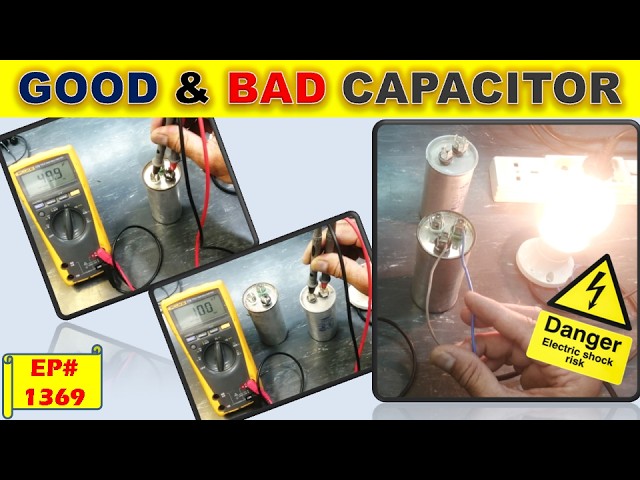
Capacitor functionalityis crucial for starting the compressor. Use a capacitance meter to check it. A low or zero reading means the capacitor needs replacement.
Measuring voltage and currentensures the compressor works safely. Use a clamp meter to measure current. The voltage must be stable and match the AC unit specs. High current may mean a mechanical problem.
Pressure Testing Techniques
Connect manifold gaugesto the air conditioner’s service ports. These gauges measure the pressureinside the system. Ensure the connections are tight and secure to avoid leaks during testing.
Check the pressure readingson both the low and high sides of the gauge. Normal pressure values vary based on the refrigerant type and outdoor temperature. Compare the readings with manufacturer specifications to spot any issues.
- Look for unusual pressure dropsor spikes.
- Low pressure may mean refrigerant leaksor a faulty compressor.
- High pressure can indicate blockagesor system overcharge.
Use a leak detectoraround connections, hoses, and compressor seals. Look for bubbles or listen for hissing sounds. Identifying leaks early prevents system damageand keeps the air conditioner running well.
Common Compressor Problems
Overheating issuescan stop the compressor from working well. This happens if the motor gets too hot. Dirt or blocked air filters can cause this. Also, low refrigerant levels make the compressor work harder, leading to heat. Overheating may cause the compressor to shut down to protect itself.
A seized compressormeans it cannot turn or move inside. This can happen if parts inside wear out or get stuck. It makes a loud noise or no noise at all. A seized compressor needs repair or replacement.
| Refrigerant Level | Effect on Compressor |
|---|---|
| Undercharge (Low) | Compressor works hard, may overheat |
| Overcharge (Too Much) | Compressor may fail or reduce cooling |
When To Call A Professional
Complex electrical issues inside the air conditioner require expert help. Professionals have the right tools and knowledge to fix wiring or motor problems safely. Handling electrical parts without skills can be dangerous and cause more damage.
Refrigerant handling needs special care. Only certified technicians should recharge or fix refrigerant leaks. Incorrect handling can harm the environment and reduce the AC’s cooling power.
Compressor replacement is a tough job. It involves removing and installing heavy parts and connecting electrical components. A professional ensures the new compressor fits well and works correctly, avoiding future breakdowns.
Maintenance Tips To Extend Compressor Life
Regular cleaningkeeps dust and dirt away from the compressor. Clean the air filters and coils often. This helps air flow well and stops the compressor from working too hard.
Timely refrigerant rechargeensures the air conditioner cools properly. Low refrigerant makes the compressor run longer, causing wear. Check refrigerant levels yearly or when cooling drops.
Routine electrical checksprevent sudden failures. Inspect wires and connections for damage or looseness. A healthy electrical system supports smooth compressor operation and avoids breakdowns.

Credit: www.acservicetech.com
Frequently Asked Questions
How Do I Test If My Ac Compressor Is Working?
To test your AC compressor, listen for a humming sound when the unit runs. Check if the outdoor fan spins. Use a multimeter to measure electrical continuity in the compressor terminals. If the compressor fails these tests, it likely needs repair or replacement.
What Are Common Signs Of A Faulty Ac Compressor?
Common signs include warm air from vents, loud noises, frequent cycling, and the outdoor unit not starting. You might also notice increased energy bills or the AC shutting off unexpectedly. These symptoms indicate compressor issues requiring professional inspection.
Can I Check Ac Compressor Pressure Myself?
Yes, you can check pressure using a manifold gauge set. Connect the gauges to the service ports and read the pressure levels. Compare readings with manufacturer specifications. Incorrect pressures can indicate refrigerant issues or compressor problems.
Why Is My Ac Compressor Not Starting?
A compressor may not start due to electrical issues, a faulty capacitor, or low refrigerant levels. Overheating or mechanical failure inside the compressor can also prevent startup. Always ensure power supply and consult a technician for complex problems.
Conclusion
Checking your air conditioner’s compressor helps avoid big problems. Simple steps can show if it works well or needs repair. Regular checks keep your AC running cool and save money. Watch for strange sounds or weak airflow as warning signs.
Taking care of the compressor extends the life of your AC. Stay alert and act fast to keep your home comfortable all year.