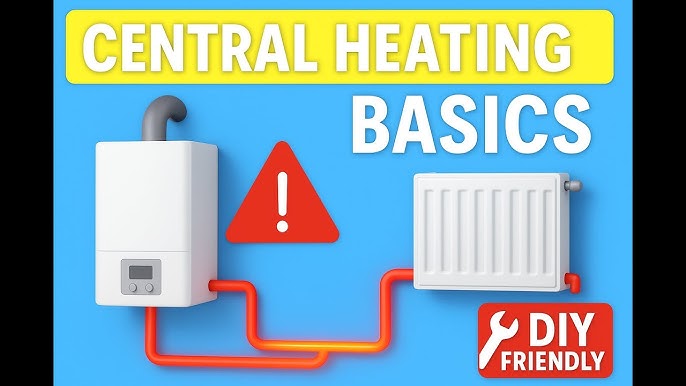
Have you ever wondered how your home stays warm and cozy during chilly days? Understanding what a central heating system is can help you take control of your comfort and even save on energy bills.
This system quietly works behind the scenes to keep every room at just the right temperature. By learning how it operates, you’ll know exactly what to expect, how to maintain it, and how to spot when something needs fixing. Keep reading, and you’ll discover everything you need to make your home a warm haven all year long.
How Central Heating Works
A central heating system warms a whole building from one place. It sends heat through pipes or air ducts to rooms.
The system has three main parts: heat generation, heat distribution, and control systems.
Heat Generation Methods
Heat is made by a boiler, furnace, or heat pump. These devices burn fuel or use electricity to create warmth.
Common fuels include gas, oil, and wood. Heat pumps use outside air or ground heat to warm the home.
- Boilers heat water to send hot water or steam
- Furnaces heat air to blow warm air through ducts
- Heat pumps transfer heat from outside to inside
Heat Distribution Techniques
Heat moves from the source to rooms using pipes or air ducts. Hot water or steam flows through pipes to radiators.
Warm air travels through ducts and vents to heat spaces quickly. Radiant floor heating warms rooms from the floor up.
- Radiators use hot water or steam to heat rooms
- Forced air systems push warm air through ducts
- Radiant floors use heated water pipes under floors
Control Systems
Thermostats control the temperature by turning the system on or off. Some systems have timers for set heating times.
Advanced controls allow temperature changes in different rooms. This saves energy and keeps the home comfortable.
- Basic thermostats keep the temperature steady
- Programmable thermostats set heating schedules
- Smart controls manage different zones in the home

Credit: medium.com
Types Of Central Heating Systems
Central heating systems warm up entire buildings from one main source. They spread heat through pipes or ducts to different rooms.
There are several types of central heating systems. Each uses a different method to create and deliver heat.
Boiler Systems
Boiler systems heat water and send hot water or steam through pipes. The heat moves to radiators or underfloor pipes to warm rooms.
- Use natural gas, oil, or electricity to heat water
- Can be very efficient and provide steady heat
- Work well with radiators or radiant floor heating
- Require regular maintenance to stay safe and effective
Furnace Systems
Furnace systems heat air and blow it through ducts to rooms. They use a burner to heat air inside the furnace unit.
They often run on natural gas, propane, or electricity. A fan moves the warm air through vents in each room.
| Fuel Type | Common Use |
| Natural Gas | Most popular in cities |
| Propane | Used where gas lines are not available |
| Electricity | Used in mild climates or small homes |
Heat Pump Systems
Heat pumps move heat from outside air or ground into the building. They work like air conditioners but in reverse during winter.
They use electricity and are very efficient in mild climates. Heat pumps can also cool a home in summer.
Electric Central Heating
Electric central heating uses electric heaters to warm air or water. It often uses baseboard heaters or electric boilers.
Advantages of electric central heating:
- Easy to install and control
- No fuel storage needed
- Works well in homes without gas lines
- Higher operating cost than gas or oil systems
Key Components
A central heating system warms your whole home from one place. It uses several parts to move heat around.
Understanding the main parts helps you know how the system works and stays efficient.
Heat Source
The heat source creates the warmth that spreads through your home. It can be a boiler, furnace, or heat pump.
Boilers heat water, while furnaces warm air. Heat pumps move heat from outside to inside.
Pipes And Radiators
Pipes carry hot water or steam from the heat source to rooms. Radiators release the heat to warm the air.
- Pipes connect the heat source to radiators
- Radiators spread heat into each room
- Both work together to keep rooms warm
Thermostats And Controls
Thermostats control the temperature by turning the heat on or off. Controls help manage when and how heating works.
They make the system efficient and keep your home comfortable all day.
Energy Efficiency And Savings
A central heating system warms your home by distributing heat from one source. It uses pipes or ducts to spread warmth evenly.
Energy efficiency means using less fuel to heat your home. This saves money and reduces environmental impact.
Insulation Impact
Good insulation keeps heat inside your home. It reduces heat loss through walls, roofs, and windows.
Better insulation means your heating system works less. This lowers energy bills and saves fuel.
- Insulate walls and attics
- Seal drafts around doors and windows
- Use double-glazed windows
Smart Thermostat Benefits
Smart thermostats control your heating based on your schedule. They adjust temperatures automatically to save energy.
These devices help avoid heating empty rooms. You pay less by heating only when needed.
- Set heating times for each day
- Lower heat when you are away
- Monitor energy use with apps
Regular Maintenance
Regular maintenance keeps your heating system efficient. It prevents breakdowns and keeps parts working well.
Check boilers, clean filters, and inspect pipes yearly. Well-maintained systems use less energy and last longer.
- Annual boiler servicing
- Clean or replace filters
- Check for leaks in pipes
Installation And Maintenance
A central heating system warms your entire home through one setup. It uses a boiler or furnace to heat water or air.
Proper installation and regular maintenance keep the system working well and safe. This guide explains both topics clearly.
Installation Process
Installing a central heating system requires careful planning and skilled work. A professional should handle the job.
The system includes the heat source, pipes or ducts, and radiators or vents. Each part must fit your home’s size and layout.
- Choose the right boiler or furnace type
- Install pipes or ducts to carry heat
- Set up radiators or vents in each room
- Connect the thermostat for temperature control
- Test the system for leaks or faults
Common Issues
Central heating systems can face problems over time. Knowing these issues helps you spot them early.
Common problems include uneven heat, strange noises, and leaks. These can reduce comfort and raise costs.
- Boiler not heating properly
- Cold spots in some rooms
- Air trapped in radiators causing noise
- Water leaks from pipes or valves
- Thermostat not responding
Routine Maintenance Tips
Regular maintenance keeps your central heating system efficient and safe. Some tasks you can do yourself.
Check the system before cold seasons. Cleaning and small fixes prevent bigger problems later.
- Bleed radiators to remove trapped air
- Check boiler pressure and refill if low
- Clean or replace filters if needed
- Inspect pipes for leaks or damage
- Test the thermostat for proper function
- Schedule annual professional inspection
Advantages And Disadvantages
A central heating system warms a whole building from one place. It uses pipes or ducts to spread heat. Many homes use these systems for winter comfort.
This article looks at the pros and cons of central heating. It covers comfort, cost, and the environment.
Comfort And Consistency
Central heating gives steady warmth throughout the house. It keeps rooms at a set temperature. This helps people feel cozy on cold days.
- Even heat in all rooms
- Easy to control with a thermostat
- Less noise than space heaters
- Does not take up extra space in rooms
On the downside, some rooms may heat slower. Also, if the system breaks, the whole house can get cold.
Cost Considerations
Central heating can be costly to install. It needs pipes, a boiler, and ducts. But it often saves money over time.
| Cost Type | Details |
| Initial Setup | High due to equipment and labor |
| Fuel Costs | Depends on energy source (gas, oil, electric) |
| Maintenance | Regular checks needed for safety |
| Energy Efficiency | Modern systems reduce bills |
Older systems may waste energy and increase bills. Choosing the right fuel and system size helps control costs.
Environmental Impact
Central heating uses energy that may harm the environment. Gas and oil systems release carbon dioxide.
Ways to reduce environmental impact:
- Use renewable energy sources like solar or heat pumps
- Improve home insulation to keep heat in
- Upgrade to energy-efficient boilers
- Schedule regular system maintenance
Choosing eco-friendly options lowers pollution and saves resources.
Choosing The Right System
Choosing the right central heating system for your home matters. It affects comfort and cost. You need to think about several factors before deciding.
This guide helps you understand what to consider. It covers home size and layout, fuel availability, and budget factors.
Home Size And Layout
The size and layout of your home affect your heating needs. Larger homes need more powerful systems. Open floor plans may heat differently than segmented rooms.
- Small homes may use compact systems
- Medium homes often need standard boilers
- Large homes might require multiple zones or bigger units
- Homes with many rooms need systems that support zoning
Fuel Availability
Fuel choice depends on what is available locally. Common options include natural gas, oil, electricity, and propane. Some fuels cost more or less depending on your area.
| Fuel Type | Availability | Typical Cost |
| Natural Gas | Urban areas | Moderate |
| Oil | Rural areas | Variable |
| Electricity | Widely available | Higher |
| Propane | Remote areas | Moderate to high |
Budget Factors
Your budget affects your choice of heating system. You should consider both upfront and running costs. Cheaper systems may cost more to run.
- Installation cost varies by system type
- Fuel prices impact monthly bills
- Maintenance costs differ for each system
- Energy-efficient models can save money long term

Credit: northnjhvac.com

Credit: www.ssheating.co.uk
Frequently Asked Questions
What Is A Central Heating System?
A central heating system warms your entire home from one source. It uses a boiler or furnace to heat water or air, then distributes warmth via radiators or vents, ensuring consistent indoor comfort efficiently.
How Does A Central Heating System Work?
The system heats water or air at a central location. It then circulates the heat through pipes or ducts to radiators or vents in each room, maintaining an even temperature throughout the house.
What Are Common Types Of Central Heating Systems?
Common types include gas boilers with radiators, electric central heating, and forced air systems. Each uses different methods to generate and distribute heat, suited to various home sizes and energy preferences.
Why Choose Central Heating Over Other Heating Options?
Central heating provides uniform warmth, better energy efficiency, and easy control. It’s quieter and can be more cost-effective than space heaters or individual room units, improving overall home comfort.
Conclusion
A central heating system keeps your home warm and comfortable. It uses one main source to spread heat evenly. This helps save energy and reduce bills. Simple controls make it easy to adjust the temperature. Regular maintenance keeps the system working well for years.
Choosing the right system depends on your home size and needs. Understanding how it works can help you make smart decisions. Warm rooms feel cozy and inviting during cold days. A good heating system adds value and comfort to any home.