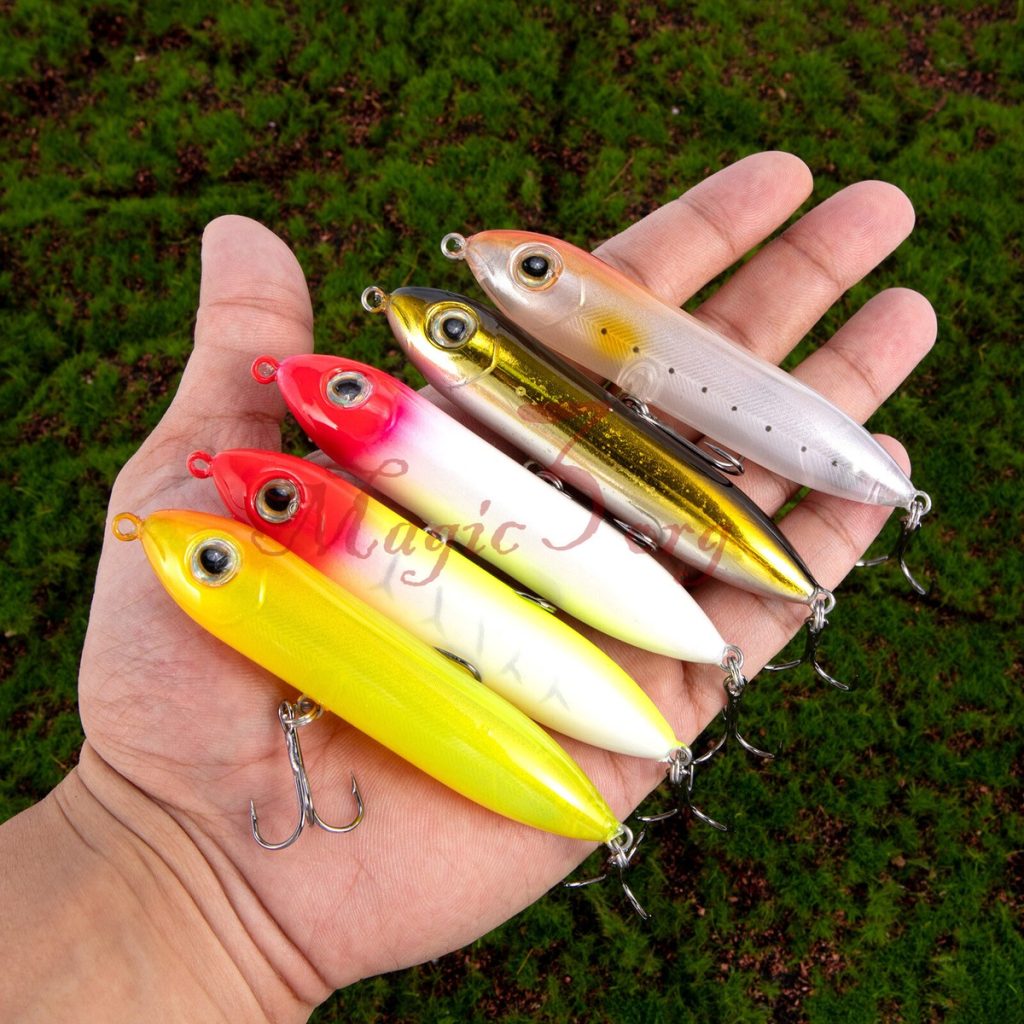
Are you tired of spending hours by the water with little to show for it? Choosing the best fishing lure can make all the difference between a frustrating day and a thrilling catch.
But with so many options out there, how do you know which one will work best for your fishing style and target fish? You’ll discover the secrets to picking the perfect lure that will boost your chances and make every cast count.
Keep reading to unlock the tips that experienced anglers don’t want you to miss!
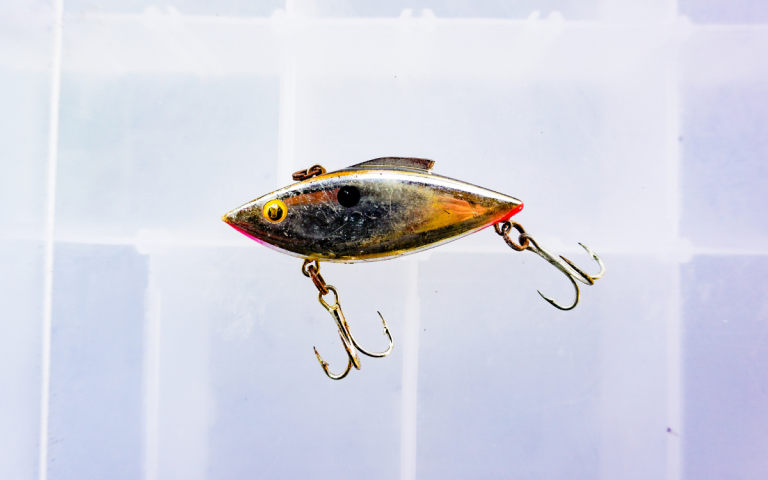
Credit: www.outdoorlife.com
Top Fishing Lure Types
Choosing the right fishing lure can make fishing more effective. Different lures attract different fish species. Knowing the main types helps you pick the best lure for your trip.
Each lure type works in various water conditions and targets specific fish behaviors. Below are some of the best fishing lure types you should know about.
Crankbaits
Crankbaits are hard-bodied lures that dive and wobble when reeled in. They imitate small fish or prey swimming in the water. Crankbaits come in many sizes and colors to match local baitfish.
Spinnerbaits
Spinnerbaits have one or more spinning blades that flash in the water. The blades create vibrations and light reflections to attract fish. These lures work well in murky water and around cover.
Soft Plastics
Soft plastics are flexible lures that mimic worms, grubs, or small fish. Anglers can rig them in many ways to create natural movements. These lures are popular for bass fishing and other species.
- Worms
- Creature baits
- Swimbaits
- Grubs
Jigs
Jigs have a weighted head and a hook with a soft body or hair skirt. They sink quickly and can be bounced on the bottom. Jigs are good for fishing in deep water or around structures.
| Jig Type | Best Use | Target Fish |
| Football Jig | Rocky bottoms | Bass, Walleye |
| Grass Jig | Weedy areas | Bass, Pike |
| Swim Jig | Open water | Bass, Trout |
Topwater Lures
Topwater lures float and create surface action to attract fish. They are exciting because you can see the fish strike. These lures include poppers, frogs, and walking baits.
- Poppers – make a splashing noise
- Frogs – imitate frogs on lily pads
- Walkers – create a zigzag motion on water

Credit: fishingbooker.com
Choosing Lures By Fish Species
Choosing the right fishing lure depends on the type of fish you want to catch. Different fish are attracted to different shapes, colors, and movements.
Knowing which lure works best for each species improves your chances of success on the water.
Bass Lures
Bass like lures that mimic small fish or frogs. Plastic worms, crankbaits, and spinnerbaits are popular choices. Bright colors work well in murky water, while natural colors suit clear water.
- Plastic worms for slow, steady retrieves
- Crankbaits to cover water quickly
- Spinnerbaits for flashy, erratic action
- Jigs for bottom fishing near cover
Trout Lures
Trout prefer smaller, lighter lures. Spinners and spoons that flash and flutter attract trout well. Fly fishing with dry flies or nymphs also works in streams and rivers.
| Lure Type | Best Use |
| Spinners | Clear lakes and streams |
| Spoons | Deeper water or fast currents |
| Flies | Rivers and shallow waters |
Pike And Musky Lures
These large predators go after big, flashy lures. Large crankbaits, spoons, and topwater baits are effective. Bright colors and loud noises help attract them from a distance.
- Large spinnerbaits with heavy blades
- Big plastic swimbaits
- Topwater frogs and poppers
- Heavy metal spoons
Walleye Lures
Walleye prefer lures that move slowly near the bottom. Jigs tipped with minnows or soft plastics work well. Crankbaits that dive deep can also catch walleye in open water.
- Jigs with live bait or soft plastics
- Deep diving crankbaits
- Slip bobber rigs with minnows
- Blade baits for cold water fishing
Matching Lures To Water Conditions
Choosing the right fishing lure depends on water clarity and depth. Different water conditions affect fish behavior and lure visibility.
Matching lures to these conditions helps increase your chances of catching fish. Understanding water type guides your lure selection.
Clear Water Strategies
In clear water, fish can see lures from far away. Use natural colors like silver, green, or brown. Avoid bright colors that look unnatural.
- Choose lures with subtle movements
- Use smaller lures to mimic real baitfish
- Try transparent or reflective finishes
- Match lure size to local baitfish
Murky Water Options
In murky water, fish rely more on vibration and sound. Bright colors and lures with noise attract attention.
| Lure Type | Color | Effect |
|---|---|---|
| Spinnerbaits | Chartreuse, white | Create flash and vibration |
| Jigs | Bright orange, black | Strong silhouette and movement |
| Crankbaits | Bright yellow, red | Noise and water disturbance |
Fishing In Shallow Vs Deep Water
Shallow and deep water require different lure choices. Use lures that match the depth and fish behavior.
- In shallow water, use topwater lures that float or move near the surface.
- Try soft plastics and small crankbaits for shallow areas with cover.
- For deep water, use heavy lures that sink fast, like weighted jigs or deep-diving crankbaits.
- Slow retrieves work better in deep water to give fish time to strike.

Credit: fishingbooker.com
Seasonal Lure Selection
Choosing the right fishing lure depends on the season. Fish behave differently as the water temperature changes. Using seasonal lures can improve your catch rate.
Each season calls for specific lure types and techniques. Understanding these changes helps you fish smarter all year.
Spring Techniques
In spring, fish become more active after winter. Use lures that mimic small prey moving in shallow water. Bright colors can attract attention in murky spring water.
Summer Patterns
Summer fish often stay deeper to find cooler water. Use lures that dive deep or have a slow, steady action. Natural colors work well in clear water.
- Use crankbaits that reach deep zones
- Try soft plastic worms with slow retrieval
- Use topwater lures early morning or late evening
Fall Preferences
In fall, fish feed heavily to prepare for winter. Use lures that imitate baitfish and slow-moving creatures. Medium to dark colors work best as water clarity drops.
| Lure Type | Color | Best Use |
| Jigs | Brown, Black | Near bottom |
| Spoons | Silver, Gold | Open water |
| Spinnerbaits | Dark Green, Blue | Weedy areas |
Winter Approaches
Winter fish move slowly and stay deep. Use small, subtle lures with slow action. Light colors and translucent lures help in clear cold water.
Try these winter lure tips:
- Use small jigs with a gentle jigging motion
- Try suspending jerkbaits near deep structure
- Use clear or white plastic baits
Lure Colors And Patterns
Choosing the right color and pattern for fishing lures can help catch more fish. Fish see colors differently in water.
Lure colors and patterns work together to attract fish in various water and light conditions.
Natural Vs Bright Colors
Natural colors look like real fish or insects. These colors help lures blend in with the environment.
Bright colors stand out in murky or dark water. They catch fish attention from far away.
- Natural colors: green, brown, silver, and gray
- Bright colors: chartreuse, orange, red, and neon shades
- Use natural colors in clear water for a subtle look
- Use bright colors in cloudy water to increase visibility
Using Patterns To Attract Fish
Patterns add detail to lures. They make lures look alive or injured to fish.
Different patterns work best for different fish and environments.
- Striped patterns mimic baitfish or worms
- Spotted patterns imitate insects or small fish
- Shiny or reflective patterns create flashes underwater
- Use bold patterns in low light to increase lure visibility
Tips For Effective Lure Presentation
Choosing the best fishing lure is only part of the process. How you present the lure can make a big difference. Fish respond to movement and speed, so it is important to adjust your technique.
Good lure presentation increases your chance of catching fish. Small changes in how you retrieve or move the lure can attract more bites.
Retrieval Speeds
Vary your retrieval speed to find what works best. Some fish like fast-moving lures, while others prefer slow ones. Changing speed can trigger strikes from cautious fish.
Try starting slow and then speed up. Pause sometimes to let the lure sink. This can make the lure look like a real injured fish.
- Use slow retrieval in cold water
- Speed up in warmer water
- Pause to imitate injured prey
- Mix speeds to keep fish interested
Adding Action And Movement
Action makes the lure look alive. Twisting or jerking the rod adds movement. This can attract fish from far away.
Use lures that have built-in action like wobbling or flashing. You can also create your own action with rod movements.
- Twist the rod to make the lure dart
- Use jerks to imitate fleeing prey
- Let the lure wobble naturally
- Flash the lure to catch attention
Using Rod And Reel Techniques
Your rod and reel work together to control the lure. Different techniques can change how the lure moves. Learn to use them well for better results.
Try using a stop-and-go retrieve. Let the lure pause and then reel in quickly. This can trick fish into striking.
- Use a steady reel for smooth movement
- Stop and start to create surprise
- Lift the rod tip to make the lure jump
- Lower the rod tip to keep it near the bottom
Common Mistakes With Fishing Lures
Choosing the right fishing lure is important for a successful catch. Many anglers make simple mistakes that reduce their chances.
Knowing what to avoid helps you pick the best lure for the conditions and fish species.
Overusing One Type
Using only one type of lure limits your fishing success. Fish can get used to the same lure and ignore it.
Different fish and water conditions need different lures. Switch lures to find what works best.
- Try various shapes and sizes
- Use different colors to attract fish
- Change lure action to match fish behavior
Ignoring Water And Weather
Water clarity and weather affect how fish see lures. Not adjusting your lure choice can reduce bites.
Bright lures work well in clear water and sunny days. Dark or natural colors suit cloudy or murky water.
- Use bright colors in clear water
- Choose dark or natural colors in murky water
- Match lure size to weather and water conditions
Neglecting Lure Maintenance
Not caring for your lures can make them less effective. Old or damaged lures don’t catch fish well.
Clean lures after use and check hooks for rust or dullness. Replace or repair parts as needed.
- Rinse lures with fresh water after fishing
- Sharpen or replace dull hooks
- Store lures in a dry, organized box
Recommended Brands And Models
Choosing the right fishing lure can make your fishing trip more successful. Different types of lures work best for different fish and water conditions. Below are some top brands and models in three popular lure categories.
These lures are known for quality and effectiveness. They cover a wide range of fishing needs and styles.
Top Rated Crankbaits
Crankbaits are great for covering a lot of water fast. They dive to different depths and mimic baitfish well. Some trusted brands include:
- Rapala Original Floater – Classic design with realistic action.
- Strike King KVD Square Bill – Works well in shallow water and around cover.
- Megabass Vision 110 – Known for sharp finishes and natural movement.
- Deps Blue Shad – Durable and effective in clear water.
Best Soft Plastics
Soft plastics imitate worms, grubs, and other prey. They are versatile and can be rigged in many ways. Top brands to consider are:
| Brand | Popular Models | Special Features |
| Yamamoto | Senko Worm | Soft texture, great for Texas rig |
| Zoom | Super Fluke | Good action, effective in clear water |
| Strike King | Bitsy Bug | Small profile, attracts panfish |
| Gary Yamamoto | Swimming Senko | Swims naturally, good for finesse fishing |
Popular Jigs And Spinnerbaits
Jigs and spinnerbaits work well around structure and in murky water. They create vibrations and flash to attract fish. Recommended options include:
- Strike King Premier Plus Jig – Balanced and durable for many conditions.
- Booyah Pond Magic Spinnerbait – Good for slow retrieves in shallow water.
- War Eagle Spinnerbait – Offers wide flash and strong blades.
- Terminator Football Jig – Great for rocky bottoms and heavy cover.
Frequently Asked Questions
What Is The Best Fishing Lure For Beginners?
The best fishing lure for beginners is a spinnerbait. It is easy to use and works well in various water conditions. Spinnerbaits attract many fish species, making your fishing experience more successful and enjoyable.
How To Choose The Right Fishing Lure Size?
Choose a lure size based on the fish species and water clarity. Larger lures attract bigger fish, while smaller lures are ideal for clear water. Matching the lure size to natural prey increases your chances of catching fish.
Which Fishing Lure Works Best In Murky Water?
Bright-colored or noisy lures work best in murky water. These lures attract fish by sight and sound when visibility is low. Examples include crankbaits with rattles and brightly painted soft plastics.
Are Soft Plastic Lures Effective For All Fish Types?
Soft plastic lures are versatile and effective for many fish species. They mimic natural prey and come in various shapes and sizes. Using soft plastics can increase your catch rate in freshwater and saltwater environments.
Conclusion
Choosing the best fishing lure depends on many factors. Fish type, water, and weather all matter. Try different lures to see what works best. Small changes can bring big results. Enjoy the process and learn as you go. Fishing is about patience and fun.
The right lure can make your day better. Keep experimenting and stay curious. Good luck with your next catch!