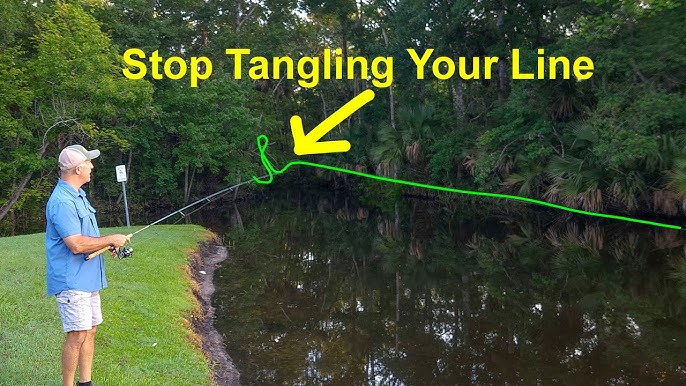
Are you tired of dealing with fishing line that curls and tangles every time you cast? It’s frustrating when your gear doesn’t work the way it should, and those stubborn curls can ruin your fishing experience.
But don’t worry—you’re not alone, and there are simple steps you can take to keep your line smooth and ready to go. Keep reading, and you’ll discover easy, effective tips that will help you stop your fishing line from curling once and for all.
Your next fishing trip will be smoother, more enjoyable, and way less stressful.
Causes Of Curling
Fishing line curling can be frustrating. It makes casting harder and tangles more likely. Understanding why curling happens helps you prevent it.
Several factors cause fishing line to curl. These include the type of line, how you store it, and the environment where you fish.
Line Material And Memory
Fishing line is made from different materials like nylon or fluorocarbon. Each type has its own “memory,” which means it tends to keep the shape it was stored in.
Lines with high memory curl more easily. For example, monofilament lines often curl because they hold the coil shape from the spool. Low-memory lines like braided line curl less.
- Monofilament has high memory, more curling
- Fluorocarbon has medium memory
- Braided line has low memory, less curling
Storage Techniques
How you store your fishing line affects curling. Leaving line on the spool for a long time causes it to keep the coil shape. Tight winding also increases curling.
Storing line in a loose coil or on a flat surface reduces curling. Also, avoid exposing line to heat or sunlight during storage, as this can change its shape.
- Keep line loose, not tightly wound
- Use line conditioner to reduce memory
- Store line away from heat and sunlight
- Remove line from spool if stored long
Environmental Factors
Temperature and humidity affect fishing line curling. Cold weather makes line stiff and more likely to curl. Warm, humid conditions can soften line but may cause other problems.
Water conditions also play a role. Saltwater can wear down line coatings, increasing curling. Freshwater is less harsh but still affects line over time.
- Cold temperatures stiffen line, increase curling
- Heat can soften line and change shape
- Saltwater wears line coatings faster
- Store line in stable, moderate conditions

Credit: www.reddit.com
Preventive Measures
Fishing line curling is a common problem that affects casting and line performance. Taking preventive steps helps keep your line straight and easy to use. Simple habits can reduce curling before it starts.
Focus on how you store your line, what type you choose, and how you maintain it regularly. These measures can extend the life of your fishing line and improve your fishing experience.
Proper Line Storage
Storing your fishing line correctly prevents twists and curls. Avoid leaving your line in direct sunlight or extreme heat. Store it in a cool, dry place away from moisture. Keep the line on its spool or use a line holder to keep it neat.
- Use original packaging or a line spooler
- Keep line away from sharp edges or dirt
- Store spools vertically to reduce pressure
- Avoid over-tightening the line on the spool
- Use plastic bags for extra protection
Choosing The Right Line
Select a fishing line suited for your reel and fishing style. Some lines are more prone to curling than others. Monofilament lines tend to curl more than braided or fluorocarbon lines. Choose lines labeled as low-memory or anti-memory for less curl.
| Line Type | Memory Tendency | Best Use |
|---|---|---|
| Monofilament | High | General fishing, budget-friendly |
| Fluorocarbon | Low | Clear water, less visible |
| Braided | Very Low | Heavy cover, long casts |
Regular Line Maintenance
Maintain your fishing line by checking it before and after each use. Remove any dirt, salt, or debris that can damage the line. Replace the line when it shows signs of wear or curling. Keeping the line clean and fresh reduces tangles and curls.
Tips for line maintenance:
- Rinse line with fresh water after saltwater fishing
- Dry line completely before storing
- Inspect for cracks or weak spots
- Re-spool line if it starts to curl
- Use line conditioner sprays if needed
Fixing Curled Line
Curling in fishing line makes casting hard and reduces line life. You can fix curled line with simple methods at home.
Using heat, manual straightening, and line conditioners helps keep your fishing line smooth and easy to use.
Heat Treatment Methods
Heat can relax the fishing line fibers and remove curls. Warm the line gently to avoid damage.
Use warm water or a hair dryer on low heat to soften the line. Do not overheat to prevent weakening.
- Soak line in warm water for 10 minutes
- Use a hair dryer on low heat setting
- Keep the line moving while heating
- Let the line cool before use
Manual Straightening Techniques
You can straighten curled line by hand. This method uses gentle tension and smooth movements.
Pull the line slowly between your hands or wrap it around a smooth surface to remove curls.
- Hold the line taut between both hands
- Slide your fingers along the line slowly
- Wrap line around a pipe or bottle
- Apply gentle pressure while unwrapping
Using Line Conditioners
Line conditioners add flexibility to fishing lines. They help reduce memory and curls.
Apply conditioner according to instructions. It makes the line softer and easier to handle.
- Choose a conditioner made for fishing lines
- Apply evenly along the line
- Let the line dry before use
- Use conditioner regularly for best results
Best Practices For Casting
Fishing line curling causes problems when casting and reduces control. Keeping your line straight helps improve your fishing experience.
Use the right techniques and setup to stop your fishing line from curling. This guide covers key steps to follow.
Correct Reel Setup
Proper reel setup is the first step to prevent line curl. Adjust the spool tension and drag to match your line type.
- Check spool tension to avoid over or under spool.
- Use a reel designed for your line strength and type.
- Apply smooth drag settings to reduce sudden jerks.
- Keep the line evenly wound on the spool.
Smooth Casting Techniques
Cast with smooth and steady movements to prevent line from twisting and curling. Avoid quick or jerky casts.
- Hold the rod firmly but not too tight.
- Start casting slowly and increase speed gradually.
- Release the line at the right moment without forcing it.
- Practice a consistent casting rhythm.
Avoiding Line Twist
Line twist causes curls and weak spots. Prevent it by handling your line carefully and checking equipment.
| Cause | Prevention |
| Improper spool winding | Wind line evenly and tightly |
| Using swivel or lure that spins | Use quality swivels to reduce spin |
| Reeling against drag | Reel smoothly and avoid jerks |
| Line getting caught on guides | Check guides for damage or dirt |
Tools And Accessories
Fishing line can curl and tangle easily. Using the right tools helps keep the line straight. This makes fishing smoother and more enjoyable.
Below are some useful tools and accessories that prevent fishing line from curling. They help maintain the line’s shape and improve fishing performance.
Line Straighteners
Line straighteners reduce curls by applying gentle heat or tension. They help return the line to its original shape. This stops twists and loops during casting.
Some straighteners use friction to warm the line. Others pull the line evenly to remove bends. Both types make the line easier to handle.
- Heat-based straighteners warm the line gently
- Tension-based straighteners pull the line tight
- Use straighteners before and after fishing
- Suitable for monofilament and fluorocarbon lines
Quality Reels And Rods
Good reels and rods help reduce line curl. Smooth reels let the line flow freely without twists. Balanced rods give better control when casting.
Look for reels with sealed bearings and smooth drag systems. Choose rods with proper guides that match your line type. This setup keeps the line straight and strong.
- Smooth reel bearings prevent line twists
- Proper rod guides reduce friction
- Matching reel and rod size improves casting
- Use reels with good drag control
Storage Containers
Storing fishing line properly stops it from curling over time. Containers keep the line dry and untangled. Avoid leaving line in direct sunlight or heat.
Choose containers that hold spools securely. Some have compartments for different line types. Keeping line neat helps it stay straight and ready to use.
- Use airtight containers to keep moisture out
- Store line in a cool, dark place
- Separate different lines in compartments
- Check line regularly for damage or curl

Credit: www.reddit.com

Credit: www.reddit.com
Frequently Asked Questions
How Can I Prevent Fishing Line From Curling?
To prevent curling, store your line in a cool, dry place and avoid tight spooling. Use proper line tension when reeling and consider using line conditioner sprays to maintain flexibility.
Why Does Fishing Line Curl After Use?
Fishing line curls due to memory from being tightly wound on the spool. Heat, moisture, and improper storage also contribute to this curling effect over time.
What Type Of Fishing Line Resists Curling Best?
Fluorocarbon and braided lines generally resist curling better than monofilament. Their materials offer less memory and better flexibility, making them ideal for reducing line curl issues.
How Often Should I Replace Curled Fishing Line?
Replace curled fishing line when casting performance declines or knots become weak. Regular inspection helps maintain line strength and prevents losing fish due to damaged line.
Conclusion
Fishing line curling can be annoying and affect your catch. Use proper storage and gentle handling to keep your line straight. Change your line regularly and avoid extreme heat or cold. Simple habits make a big difference in fishing success.
Try these tips and enjoy smoother casting every time. Keep your gear ready and your fishing trips fun. Small changes help you focus on what matters—catching fish.