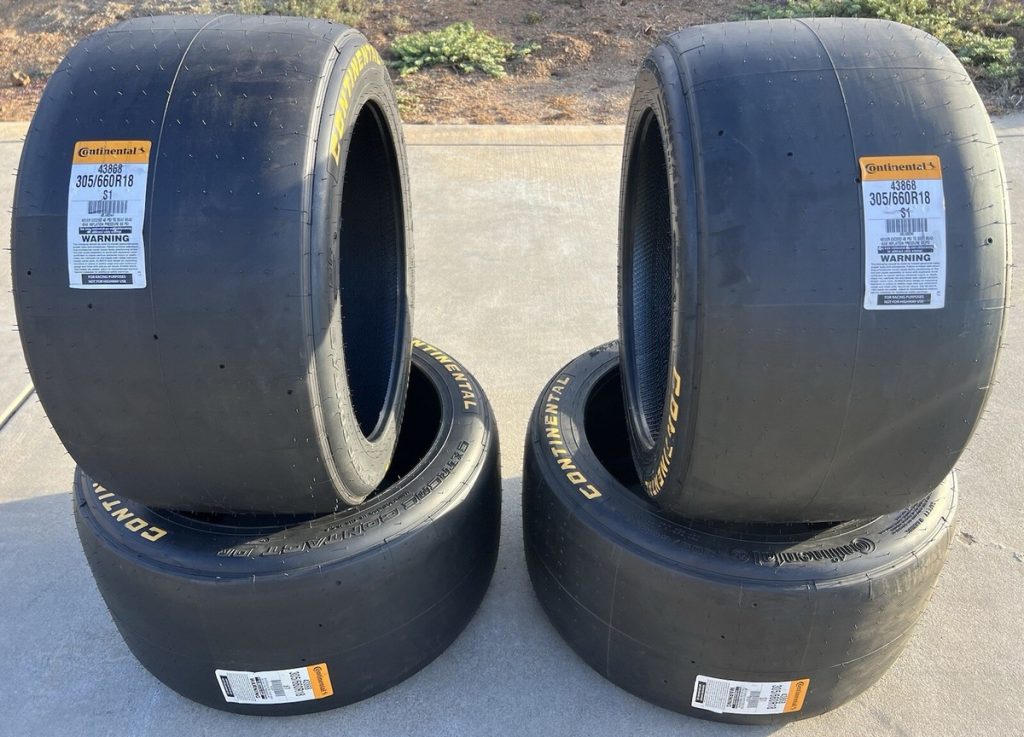
Are you curious about the cost of race car tires and how much you might need to invest to keep your car on the track? Understanding the price of these specialized tires is crucial if you want to boost your performance without breaking the bank.
You’ll discover what affects the price of race car tires, why some cost more than others, and how to choose the right ones for your racing needs. Keep reading to find out how much you should expect to spend and how to get the best value for your money.
Factors Affecting Tire Prices
Race car tires come in many types and prices. Several factors change how much they cost. Knowing these helps you choose the right tire.
Price depends on materials, brands, size, and special features. Each affects the tire’s quality and cost.
Tire Types And Materials
Tires use different materials for grip and durability. Soft rubber gives better traction but wears out fast. Harder rubber lasts longer but may lose grip.
- Slick tires for dry tracks
- Wet tires with grooves for rain
- All-weather tires for mixed conditions
- Composite materials for strength
Brand Influence
Top brands charge more due to research and quality control. Lesser-known brands may offer cheaper tires but with variable performance.
Brand reputation can affect resale value and support services. This adds to the total cost of ownership.
Tire Size And Specifications
| Size | Price Range (USD) | Notes |
| 13-inch | $150 – $250 | Common for kart racing |
| 15-inch | $200 – $350 | Used in amateur racing |
| 18-inch | $300 – $500 | Professional race cars |
| 20-inch+ | $400 – $700 | Special high-speed cars |
Larger tires cost more due to extra material and design needs. Specific specs like tread pattern affect the price too.
Specialized Racing Tires
Special tires for drag racing, endurance, or oval tracks have unique features. These features raise costs.
- Drag slicks for fast straight-line speed
- Endurance tires built for long wear
- Oval track tires designed for cornering
- Custom compounds for specific track conditions
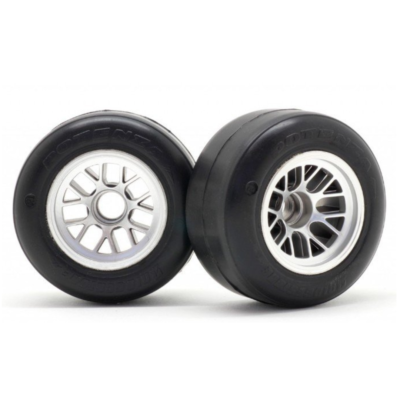
Credit: www.ebay.com
Price Ranges For Common Race Tires
Race car tires come in many types. Each type has a different price range. Knowing these prices helps drivers choose the right tires.
This guide shows prices for common race tires. It covers stock, high-performance, slick, and wet weather tires.
Stock Racing Tires
Stock racing tires are the most basic type. They are made for entry-level racing. These tires balance cost and performance.
- Price range: $100 to $200 per tire
- Good for beginner racers
- Last longer than specialized tires
High-performance Racing Tires
High-performance tires improve speed and grip. They suit serious racers and track days. These tires cost more than stock ones.
- Price range: $200 to $400 per tire
- Better traction on dry surfaces
- Shorter lifespan than stock tires
Slick Tires
Slick tires have no tread. They offer maximum grip on dry tracks. These tires are the most expensive and are used in professional racing.
| Type | Price Range | Use |
|---|---|---|
| Basic slicks | $300 to $500 | Club racing |
| Advanced slicks | $500 to $900 | Professional racing |
Wet Weather Tires
Wet weather tires have deep grooves. They help prevent slipping on wet tracks. Prices vary based on brand and technology.
Wet Weather Tire Prices:
- Entry-level: $150 to $250 per tire
- Mid-range: $250 to $400 per tire
- High-end: $400 to $600 per tire
Additional Costs Beyond Purchase Price
Race car tires cost more than just the price on the tag. You need to think about other expenses that come with using them.
These extra costs can add up quickly and affect your overall racing budget.
Tire Mounting And Balancing
Mounting and balancing race car tires is very important. It ensures the tires fit well and perform correctly.
Many shops charge fees for this service. The cost varies but expect to pay for each tire.
- Mounting fee per tire
- Balancing fee per tire
- Possible extra charge for wheel weights
Tire Maintenance And Care
Taking care of race car tires helps them last longer and stay safe. Proper maintenance needs time and money.
| Maintenance Task | Typical Cost |
| Regular tire pressure checks | Free or minimal |
| Alignment adjustments | $50–$150 per session |
| Cleaning and inspection | Free or small fee |
| Storage in controlled environment | $20–$50 monthly |
Replacement Frequency
Race car tires wear out fast. You will need to replace them often depending on use.
- Track type affects tire wear
- Driving style changes replacement speed
- Weather conditions impact tire life
- Using worn tires can reduce safety and performance

Credit: www.hoosiertirewest.com
Where To Buy Race Car Tires
Race car tires are a key part of racing performance. Choosing the right place to buy them matters. Prices can vary based on the seller and tire type.
Knowing where to find good race car tires helps you get the best fit for your needs. Here are some common places to buy them.
Authorized Dealers
Authorized dealers sell tires from official manufacturers. They offer new and genuine race car tires. Dealers often have expert staff to help choose the right tires.
Buying from authorized dealers ensures warranty and quality. Prices may be higher than other sellers but you get reliability.
Online Retailers
Online retailers sell race car tires on websites. They offer wide selections and sometimes lower prices. You can compare brands and models easily.
Check shipping costs and delivery time before buying. Make sure the online store is trusted and has good reviews.
- Wide tire choices
- Price comparisons
- Home delivery
- Customer reviews
Specialty Racing Shops
Specialty racing shops focus on racing equipment. They stock tires built for different race types. Staff usually have racing experience to guide you.
These shops may offer custom fitting and advice. Prices can be higher but you get expert support and quality products.
Tips To Save On Race Tire Expenses
Race car tires are an important expense for drivers. Managing these costs well can help you save money.
Here are some useful tips to lower the amount you spend on race tires without losing performance.
Buying In Bulk
Purchasing tires in larger quantities often lowers the price per tire. This method works best if you know your tire size and brand well.
- Compare prices from different suppliers before buying.
- Look for trusted dealers who offer bulk discounts.
- Check if the tires come with a warranty or return policy.
Seasonal Discounts
Many sellers reduce prices during off-season months. Buying tires during these times can save you money.
| Season | Discount | Best Time to Buy |
| Winter | 10%-20% | Late Fall |
| Spring | 5%-15% | Early Summer |
| Summer | 10%-25% | Late Summer |
| Fall | 15%-30% | Early Winter |
Proper Tire Storage
Storing tires correctly keeps them in good condition. This can extend their life and reduce how often you need to buy new ones.
- Keep tires in a cool, dry place away from sunlight.
- Store tires vertically to avoid flat spots.
- Use airtight bags to protect tires from dust and moisture.
- Check tires regularly for cracks or damage.

Credit: cokertire.com
Frequently Asked Questions
How Much Do Race Car Tires Typically Cost?
Race car tires usually cost between $200 and $600 each. Prices vary based on tire type, brand, and race specifications.
Are Race Car Tires More Expensive Than Regular Tires?
Yes, race car tires are pricier due to specialized materials and advanced technology for high performance.
How Often Should Race Car Tires Be Replaced?
Race car tires should be replaced after every race or 100-200 miles for optimal safety and performance.
What Factors Affect The Price Of Race Car Tires?
Tire compound, size, brand, and intended racing conditions significantly influence race car tire prices.
Conclusion
Race car tires cost varies by type and brand. Budgeting for quality tires helps ensure better performance. Choosing the right tires depends on your racing needs. Keep in mind, cheaper tires might wear out fast. Investing in good tires can improve safety and speed.
Always compare prices before making a purchase decision. Understanding tire costs helps plan your racing expenses well. Race car tires are an important part of racing success.