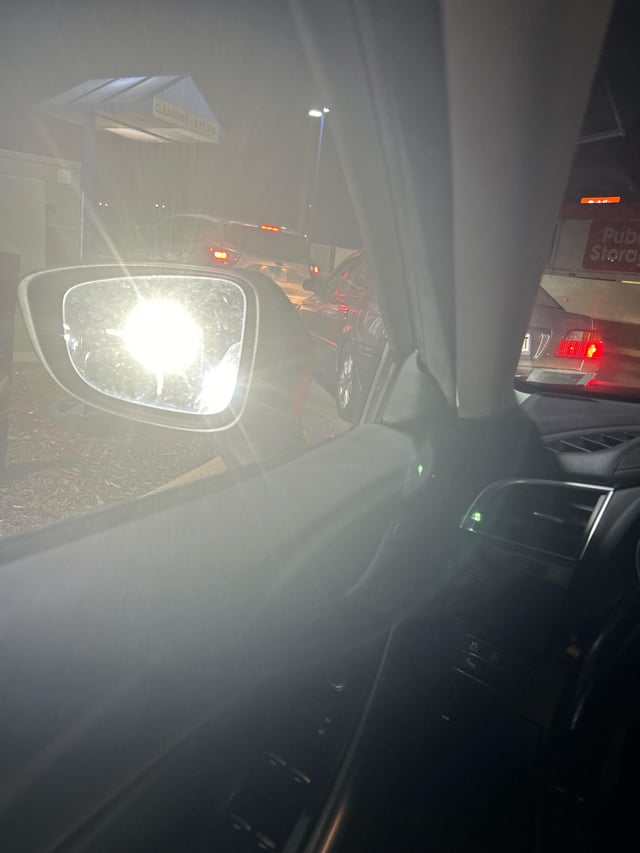
Have you ever been driving at night when a car with blinding headlights suddenly appears? It’s not just annoying—it can be dangerous.
Your eyes struggle to adjust, your focus breaks, and for a moment, you might lose control. But what if you knew simple, effective ways to protect yourself and stay safe? You’ll discover practical tips to handle those blinding lights and keep your drive calm and secure.
Keep reading—you won’t want to miss these life-saving strategies.
Causes Of Blinding Headlights
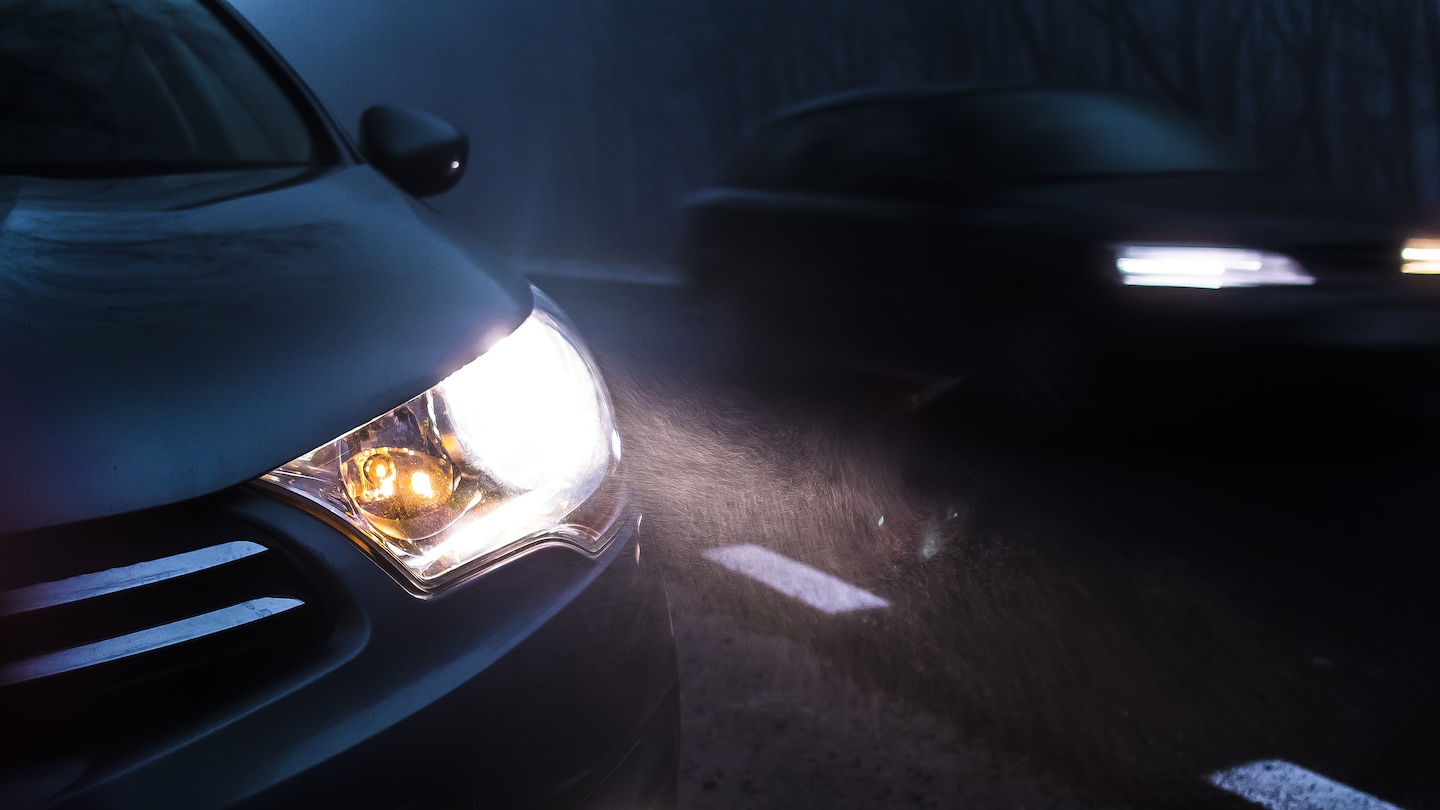
Blinding headlights can make it hard to see when driving at night. Many factors cause these bright lights to dazzle drivers.
Understanding these causes helps drivers stay safe on the road and avoid accidents.
High Beam Misuse
High beams are very bright lights meant for open roads. Using them near other cars can blind drivers.
Some drivers forget to switch to low beams in traffic. This misuse causes glare and makes driving dangerous.
Aftermarket Headlights
Aftermarket headlights are not made by the car’s original manufacturer. They may be too bright or poorly designed.
These lights can shine in the wrong direction. This causes glare and blinds oncoming drivers more than stock headlights.
Dirty Or Misaligned Lights
Dirt and grime on headlights reduce their proper function. Dirty lights scatter light unevenly, causing glare.
Misaligned headlights point too high or sideways. This puts bright light right into other drivers’ eyes.
- Check headlights for dirt and clean regularly
- Get headlights aligned by a professional
- Use proper bulbs for your vehicle
Credit: www.right2drive.com.au
Immediate Actions To Take
Driving at night can be dangerous when a car with blinding headlights approaches. The bright light can cause temporary blindness and confusion. It is important to know what to do right away to stay safe.
Following the right steps helps you keep control and avoid accidents. These actions are simple and can save lives.
Look To The Right Edge
Do not look directly into the bright headlights. Instead, focus on the right edge of your lane or the road. This helps your eyes adjust and keeps you on track.
Keeping your eyes on the road edge lowers glare and prevents confusion from the bright light.
Reduce Speed Safely
Slow down gently when you see blinding headlights. Reducing speed gives you more time to react if needed. Avoid braking suddenly to keep control of your vehicle.
- Ease off the gas pedal smoothly
- Keep a steady grip on the steering wheel
- Watch for any obstacles or changes in traffic
Avoid Sudden Movements
Do not make quick turns or abrupt lane changes. Sudden moves can cause accidents, especially when visibility is poor. Stay calm and keep your car steady.
Use slow and careful steering to stay in your lane. This helps you stay safe until the blinding headlights pass by.
Using Vehicle Features
Driving at night can be hard if a car has very bright headlights. These lights can blind you for a short time. Using your vehicle’s features helps keep your eyes safe and lets you drive better.
There are simple ways to reduce the glare from bright headlights. These ways use things already in your car or easy tools you can wear. They help you see the road clearly and stay safe.
Adjusting Rearview Mirror
Most cars have a rearview mirror with a night mode. This mode changes the mirror’s angle to cut glare. It helps stop bright lights from cars behind you from hurting your eyes.
To use it, flip the small lever on the mirror. The mirror will dim, lowering glare. You can switch it back to normal during the day or when lights are not bright.
Utilizing Night Mode
Many newer cars have a night mode for dashboard lights. This mode lowers the brightness of your car’s lights inside. It helps reduce eye strain and glare on the windshield.
Night mode makes it easier to see outside when bright headlights come toward you. It also keeps your eyes adjusted to dark conditions. Use this mode every time you drive at night.
Wearing Polarized Glasses
Polarized glasses help block bright lights and reduce glare. They filter light waves that cause glare from headlights. This makes driving at night safer and more comfortable.
Wear polarized glasses if you often drive at night. They improve your vision and protect your eyes. Make sure the glasses fit well and do not darken your view too much.

Credit: ca.news.yahoo.com
Preventive Measures For Drivers
Blinding headlights from oncoming cars can make driving dangerous. Drivers need to take steps to reduce glare and stay safe.
Simple actions can help prevent accidents caused by bright lights. Learning how to manage headlight glare improves road safety.
Proper Headlight Alignment
Headlights should be aimed correctly to avoid shining directly into other drivers’ eyes. Misaligned lights can cause glare and confusion.
Check your headlight alignment regularly. Adjustments help keep the light focused on the road, not on other cars.
- Park your car on level ground facing a wall
- Measure the height of the headlights from the ground
- Aim the light beams slightly downward and to the right
- Use a manual or get professional help for exact alignment
Switching To Appropriate Bulbs
Use bulbs that fit your car and meet legal brightness limits. Bulbs that are too bright cause glare for other drivers.
Choose bulbs with a color temperature near daylight. This helps reduce eye strain and improves visibility for everyone.
- Select bulbs recommended by your car maker
- Avoid very high wattage bulbs that can blind others
- Consider LED or halogen bulbs with proper brightness
- Replace old bulbs before they dim or fail
Avoiding High Beam Overuse
Use high beams only on dark roads with no traffic. High beams can blind drivers coming toward you or ahead of you.
Switch to low beams when you see another vehicle. This helps prevent accidents caused by glare and improves safety.
- Turn off high beams at least 500 feet from oncoming cars
- Dim high beams when following another vehicle closely
- Use high beams only when no other cars are nearby
- Check your car’s manual for proper high beam use
Legal And Safety Regulations
Blinding headlights from oncoming cars can cause serious accidents. Laws exist to control headlight use. These rules keep roads safe for everyone.
Drivers must follow regulations about headlight brightness and angle. Knowing these rules helps prevent danger on the road.
Headlight Standards
Headlights must meet certain brightness and angle limits. These standards stop lights from blinding other drivers.
Many countries use rules set by safety groups. These rules cover:
- Maximum light intensity
- Proper beam direction
- Use of low and high beams
Cars with headlights that are too bright or pointed wrong can cause accidents. Regular checks keep lights within the legal limits.
Penalties For Misuse
Using headlights improperly can lead to fines or license points. This includes using high beams in traffic or having overly bright lights.
Penalties vary but may include:
- Monetary fines
- Points on driver’s license
- Vehicle inspection or repair orders
- Suspension of driving privileges
Following headlight rules protects you and others on the road. It also helps avoid legal trouble.
Reporting Dangerous Drivers
If a driver uses blinding headlights dangerously, report them. This helps keep roads safer for everyone.
When reporting, provide:
- Vehicle description and color
- License plate number
- Location and time of the incident
- Details about the headlight misuse
Contact local police or traffic authorities. Your report can lead to warnings or penalties for the driver.
Dealing With Persistent Issues
Driving toward cars with blinding headlights is a common problem. It can cause discomfort and danger on the road.
Knowing how to handle this issue helps keep you safe and focused while driving at night.
When To Pull Over
If the bright lights keep hurting your eyes, find a safe place to stop. Pull over only when it is safe and legal.
Stopping allows your eyes to rest and reduces the risk of accidents caused by glare.
Seeking Assistance
If blinding headlights are a regular problem, ask for help. Contact local authorities or road safety groups.
They can check if the lights are too bright or not aligned properly and take action to fix it.
- Report persistent glare to traffic police
- Inform vehicle owners if possible
- Use local community forums for awareness
Using Roadside Reflectors
Roadside reflectors help guide drivers and reduce glare effects. They show road edges clearly at night.
Use them to keep your vehicle centered in the lane and avoid looking directly at oncoming headlights.
- Watch for reflector positions along the road
- Focus your eyes on reflectors, not headlights
- Maintain steady speed and lane position
Credit: www.chase.com
Frequently Asked Questions
How Should I React To Blinding Headlights At Night?
Look away from the bright lights and focus on the road edge. Slow down and avoid direct eye contact with the headlights.
What Causes Car Headlights To Be Blinding?
Blinding headlights often result from high beams, misaligned lights, or overly bright LED bulbs. These can impair other drivers’ vision.
Can Blinding Headlights Increase Accident Risks?
Yes, blinding headlights reduce visibility and cause temporary blindness. This increases the chance of collisions, especially on dark or narrow roads.
Is It Legal To Use High Beams In Traffic?
Using high beams is illegal when other vehicles approach. They must be dimmed to avoid blinding oncoming or preceding drivers.
Conclusion
Blinding headlights can make driving dangerous at night. Always keep your eyes on the road and avoid staring directly at bright lights. Use the road’s edge as a guide to stay safe. Slow down if the glare feels too strong.
Clear vision helps you react quickly to any surprise. Stay calm and focused to protect yourself and others. Safe driving habits reduce risks and keep journeys smooth. Remember, your safety depends on how you handle tricky light situations. Stay alert and drive smart every time you meet bright headlights.