
Changing a tire can be stressful, especially if you’re unsure about where to place the car jack. If you put it in the wrong spot, you risk damaging your car or even causing an accident.
But don’t worry—you’re about to learn the simple, safe way to find the right spot every time. Keep reading, and you’ll feel confident and ready to handle a flat tire quickly and safely.
Credit: www.johnsonsubaru.com
Identifying Jack Points
Knowing where to place the car jack is very important. It keeps you safe and helps change the tire easily.
Each car has special spots made for the jack. These spots hold the weight and stop damage to the car.
Common Jack Locations
Most cars have jack points near the wheels. These are usually under the car’s frame or body.
Look under the side skirts or close to the tire you want to lift. The jack point is a strong metal area.
- Behind the front wheels near the frame
- In front of the rear wheels near the frame
- Along the rocker panels under the doors
- Sometimes marked with a notch or small cutout
Consulting The Owner’s Manual
Every car’s owner manual shows exact jack points. It is the safest guide to follow when changing a tire.
The manual also gives tips on how to use the jack and warnings to avoid damage or injury.
- Look for diagrams of jack points
- Follow instructions for jack placement
- Check the weight limit for your jack
- Read safety precautions before lifting
Preparing The Vehicle
Changing a tire needs careful preparation. Setting your vehicle safely is very important.
Knowing where to place the car jack depends on how you prepare the car first.
Parking On A Flat Surface
Park the car on a flat and solid surface. This keeps the car steady while lifting it.
A flat surface stops the car from rolling or shifting when the jack is in use.
Engaging The Parking Brake
Always pull the parking brake before using the jack. This keeps the car from moving.
The parking brake locks the wheels so the car stays still and safe during the tire change.
Positioning The Jack
Knowing where to put the car jack is key for safety. The right spot makes lifting the car easier.
Placing the jack in the wrong place can cause damage or accidents. Focus on correct positioning before lifting.
Aligning With The Frame
The jack must touch the car’s frame, not the body. The frame is strong and holds the car’s weight safely.
- Locate the car’s frame near the tire you want to change.
- Find the flat spot or notch designed for the jack.
- Place the jack base fully on the ground for stability.
- Align the jack head with the frame’s lifting point.
- Check the car manual for exact jack points if unsure.
Avoiding Damage
Putting the jack in the wrong place can dent or break parts. Avoid plastic, pipes, and weak spots.
| Wrong Spot | Risk |
| Car body panels | Dents and scratches |
| Plastic covers | Cracking or breaking |
| Exhaust pipes | Bending or damage |
| Fuel lines | Leaks and hazards |
Using Different Types Of Jacks
Changing a tire needs a safe place to put your car jack. Different jacks have different ways to lift your vehicle. Knowing the right spot helps keep you safe and makes the job easier.
Most cars have special points made for jacks. These points hold the jack steady. Using the wrong spot can damage your car or cause accidents.
Scissor Jack Tips
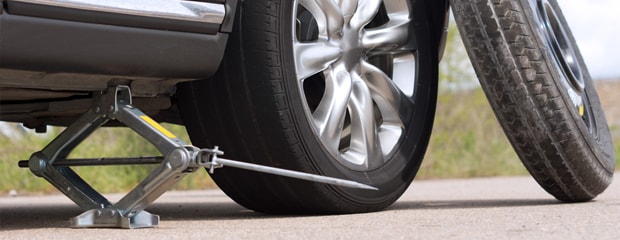
Scissor jacks are small and easy to carry. They work by twisting a screw to lift the car. Place the jack under the car’s frame near the tire you want to change.
Look for the notch or reinforced area on the car’s side. This spot is strong enough to hold the jack. Make sure the jack’s top fits well under this point before lifting.
- Check the car manual for jack points.
- Place the jack on flat, solid ground.
- Turn the handle slowly to lift the car.
- Keep the jack steady and straight.
- Never go under the car supported only by the jack.
Hydraulic Jack Tips
Hydraulic jacks use fluid pressure to lift the car. They are easier to use and lift heavier loads. Place the jack under the car’s strong metal points, usually near the tire.
Most cars have a reinforced metal bar or frame area made for hydraulic jacks. Avoid putting the jack under plastic parts or the bumper. Make sure the jack’s saddle fits the car’s jack point.
- Use the car manual to find safe jack points.
- Set the jack on firm, level ground.
- Pump the handle slowly to raise the car.
- Check the jack’s position often while lifting.
- Use jack stands for extra safety after lifting.
Safety Precautions
Changing a tire can be dangerous if you do not follow safety rules. It is important to know where to put the car jack to avoid accidents.
Using the right safety steps helps keep you safe and stops the car from moving or falling.
Chocking The Wheels
Chocking the wheels stops the car from rolling while you lift it. Always place wheel chocks on the opposite side of the tire you are changing.
Use strong blocks or wedges to block the wheels. This keeps the car steady and safe.
- Place chocks behind the wheels if changing a front tire
- Place chocks in front of the wheels if changing a rear tire
- Use wheel chocks or heavy stones if no chocks are available
- Make sure the chocks are tight against the tire
Securing The Jack
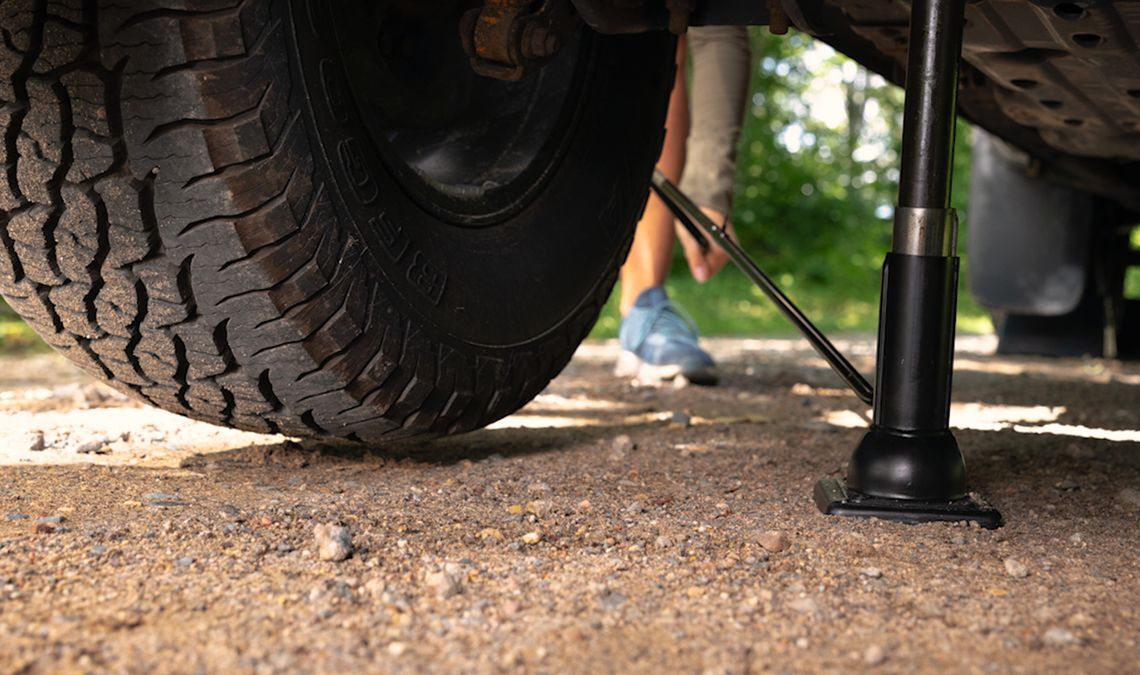
Put the car jack on a flat, hard surface to keep it steady. Soft or sloped ground can make the jack slip or sink.
Look for the car’s jack points. These are strong spots made to hold the jack safely. Do not place the jack under weak parts of the car.
- Find the jack point near the tire you want to change
- Position the jack so it fits snugly under this point
- Lift the car slowly and check the jack stays steady
- Do not go under the car when it is only held by the jack
Credit: www.bfgoodrichtires.com
Common Mistakes To Avoid
Changing a tire safely requires placing the car jack correctly. Many drivers make errors that can cause accidents or damage. Learning the common mistakes helps you stay safe and protect your vehicle.
This guide focuses on two main problems: jack placement errors and ignoring vehicle stability. Avoid these to change your tire smoothly and safely.
Jack Placement Errors
Placing the jack in the wrong spot can damage your car or cause the jack to slip. Many drivers do not check the owner’s manual to find the correct jack points. Using the wrong area may bend the frame or break plastic parts.
- Do not place the jack under the bumper or exhaust pipe.
- Avoid soft or rusty spots on the car’s frame.
- Use the marked jack points shown in the vehicle manual or near the wheels.
- Never place the jack on uneven ground or dirt without a solid base.
Ignoring Vehicle Stability
Many accidents happen because the car moves or falls during the lift. Ignoring stability risks your safety and the car’s condition. Always prepare your vehicle to stay steady before lifting it.
| Common Stability Mistake | Why It Is Dangerous | How to Avoid |
|---|---|---|
| Not using wheel chocks | The car can roll off the jack | Place chocks on wheels opposite the one lifted |
| Lifting on sloped ground | The jack may slip or tip over | Park on flat, firm surfaces only |
| Failing to engage parking brake | Car may move unexpectedly | Always set the parking brake firmly |
| Removing lug nuts before lifting | Car can shift unexpectedly | Loosen nuts slightly before lifting, remove fully after |

Credit: www.youtube.com
Frequently Asked Questions
Where Is The Safest Spot To Place A Car Jack?
Place the car jack under the vehicle’s designated jack points. These are reinforced areas near the wheels. Using the right spot prevents damage and ensures stability while lifting the car.
How Do I Find The Correct Jack Point On My Car?
Check your vehicle’s owner manual for exact jack point locations. Look for notches or marks along the frame near each tire. These spots are designed to safely support the car’s weight.
Can I Use Any Spot To Put The Car Jack?
No, avoid placing the jack on soft or uneven ground. Never use parts like the bumper or exhaust as support. Always use the recommended jack points to prevent accidents or damage.
Why Is Correct Jack Placement Important When Changing A Tire?
Correct jack placement ensures the vehicle lifts evenly and safely. It prevents the car from slipping or falling off the jack. This protects you and your vehicle during tire changes.
Conclusion
Placing the car jack correctly keeps you safe and makes tire changing easier. Always find the strong points under your car to lift it. Avoid soft spots that can cause the jack to slip. Take your time and check the jack’s position before lifting.
This small step can prevent accidents and damage. Practice this skill so you feel confident when needed. A safe tire change starts with the right jack placement. Stay calm, follow these tips, and you will do just fine.