Are you tired of seeing your electricity bill skyrocket every summer? You’re not alone.
Finding the most economical temperature for your air conditioner can save you a lot of money without sacrificing your comfort. But what exactly is that perfect setting? You’ll discover simple, practical tips to keep your home cool and your wallet happy.
Keep reading to unlock the secret to smart cooling and lower energy costs—you’ll wish you knew this sooner!

Credit: www.tomsguide.com
Ideal Ac Temperature
Choosing the right air conditioner temperature saves energy and keeps you comfortable. Setting your AC too cold wastes power.
Finding a balance between comfort and efficiency helps lower electricity bills and keeps the room pleasant.
Energy Efficiency And Comfort
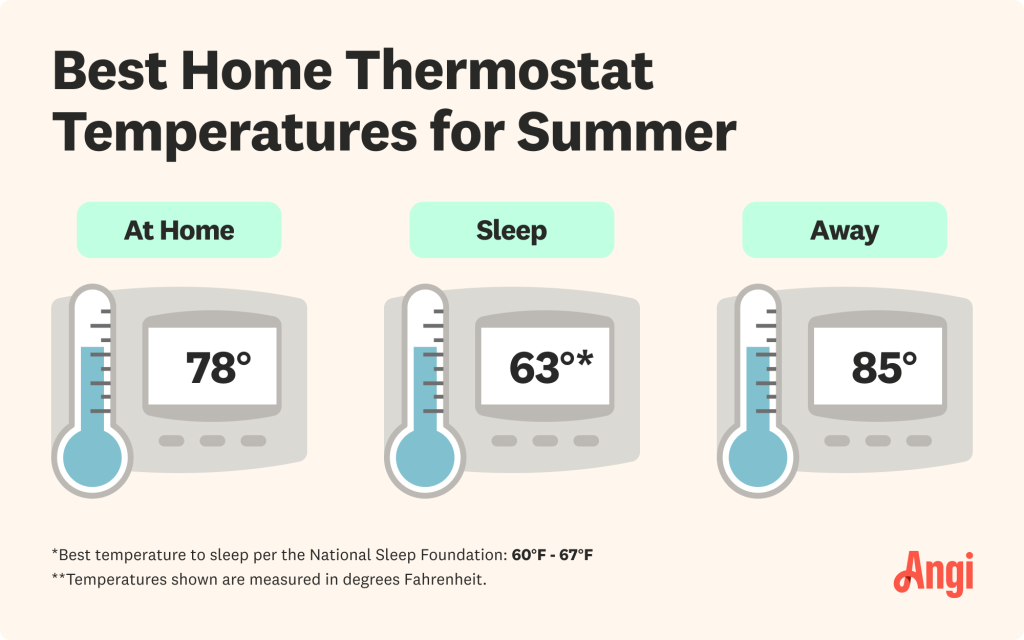
The ideal temperature for an air conditioner depends on energy use and personal comfort. Experts suggest setting the AC at 78°F (25.5°C) when you are home and active.
- Set the temperature higher when you are away.
- Use fans to help cool the room faster.
- Close blinds or curtains to reduce heat from sunlight.
- Keep doors and windows closed while AC runs.
Recommended Settings For Different Seasons
| Season | Recommended AC Temperature |
| Summer | 78°F (25.5°C) |
| Spring | 75°F (24°C) |
| Fall | 75°F (24°C) |
| Winter (if cooling needed) | 72°F (22°C) |
Adjust the AC temperature to fit the outside weather and your comfort needs. These settings help save energy all year.
Impact Of Temperature On Energy Bills
Setting the right air conditioner temperature saves money on electricity. The temperature you choose affects how much power your AC uses.
Understanding this impact helps you lower energy bills and stay comfortable at home.
How Temperature Affects Power Consumption
Higher cooling temperatures reduce the workload of your air conditioner. This means your AC runs less and uses less electricity.
- Lower temperatures make the AC work harder.
- Each degree cooler can increase power use by 6% to 8%.
- Setting the thermostat too low wastes energy and money.
- Keeping the temperature moderate balances comfort and cost.
Cost Savings By Adjusting Thermostat
Adjusting your thermostat by a few degrees can lead to big savings on your power bill. Even small changes add up over time.
| Thermostat Setting | Estimated Savings per Month |
| 78°F (26°C) | Baseline |
| 80°F (27°C) | 10% less |
| 82°F (28°C) | 15% less |
| 84°F (29°C) | 20% less |
Factors Influencing Economical Temperature
Setting the right temperature on your air conditioner saves energy and money. Many factors affect what temperature is most economical.
Understanding these factors helps you choose the best setting for your home and climate.
Climate And Humidity Levels
Climate and humidity change how hard your air conditioner works. Hot, humid air makes cooling harder and uses more power.
- Hot and dry climates may need lower temperatures for comfort.
- Humid climates require settings that reduce moisture efficiently.
- Mild climates allow higher temperature settings to save energy.
Home Insulation And Ventilation
Good insulation keeps cool air inside and warm air outside. Proper ventilation lets fresh air in without raising energy use.
| Home Feature | Effect on Cooling |
| High-quality insulation | Reduces energy loss |
| Sealed windows and doors | Prevents cool air escape |
| Proper ventilation | Keeps air fresh without heat gain |
Ac Unit Efficiency
Efficient AC units cool better with less energy. Older or poorly maintained units use more power at the same temperature.
Tips to improve AC efficiency:
- Regularly clean or replace filters
- Schedule yearly professional maintenance
- Use energy-saving modes if available
- Upgrade to units with higher SEER ratings
Smart Thermostats And Automation
Smart thermostats help control your air conditioner efficiently. They learn your schedule and adjust temperatures automatically.
Automation saves energy by keeping your home cool only when needed. This lowers electricity bills and keeps you comfortable.
Benefits Of Programmable Settings
Programmable settings let you set different temperatures for different times. This stops the air conditioner from running all day.
- Save money by reducing cooling during low-use hours
- Keep rooms comfortable when you are home
- Prevent unnecessary wear on your air conditioner
- Adjust settings easily from your phone or device
Using Sensors To Optimize Cooling
Sensors track room temperature and humidity to adjust cooling. They help keep air conditioning efficient and balanced.
| Sensor Type | Function | Benefit |
| Temperature Sensor | Measures room heat | Adjusts AC to save energy |
| Humidity Sensor | Detects moisture levels | Improves air comfort |
| Motion Sensor | Detects room occupancy | Turns off AC when no one is home |
Additional Tips To Save On Cooling Costs
Setting the right temperature on your air conditioner helps save energy. There are other ways to reduce cooling costs too.
Simple actions can keep your home cool without making the AC work too hard. Here are some useful tips.
Regular Maintenance And Filter Cleaning
Keep your air conditioner running well by cleaning and checking it often. Dirty filters block airflow and waste energy.
- Clean or replace air filters every 1 to 3 months.
- Check the AC coils and fins for dirt and dust.
- Schedule yearly professional maintenance for best results.
Using Fans And Shade
Fans help move cool air around and reduce the need for lower AC settings. Shade blocks sunlight to lower indoor temperatures.
| Tip | Effect |
| Use ceiling or portable fans | Circulates air, helps cool faster |
| Close curtains or blinds during day | Blocks heat from sun |
| Plant trees or use awnings | Creates shade outside windows |
Sealing Air Leaks
Check your home for places where cool air escapes. Sealing leaks keeps the air inside and lowers AC workload.
- Use weather stripping on doors and windows.
- Seal gaps around pipes and vents with caulk.
- Inspect and fix cracks in walls or foundations.
Credit: heatable.co.uk
Credit: fischerheating.com
Frequently Asked Questions
What Is The Ideal Ac Temperature For Savings?
The ideal air conditioner temperature for energy savings is around 78°F (25. 5°C) when you’re at home. This temperature balances comfort and energy efficiency, reducing electricity bills. Adjusting your thermostat by a few degrees can lead to significant energy savings without compromising on comfort.
How Does Ac Temperature Affect Energy Bills?
Setting your AC at a higher temperature can significantly lower energy bills. For each degree above 72°F (22°C), you can save up to 3% on cooling costs. Maintaining an economical temperature reduces the workload on your air conditioner, leading to less energy consumption and lower utility bills.
Is 72°f Economical For Air Conditioning?
Setting your AC at 72°F (22°C) is less economical compared to 78°F (25. 5°C). While it provides a cooler environment, it increases energy usage and costs. Opting for a slightly higher temperature can enhance energy efficiency and reduce your cooling expenses significantly.
How Can I Maximize Ac Efficiency?
To maximize AC efficiency, regularly clean or replace filters and ensure proper insulation. Use programmable thermostats to adjust temperatures when you’re away. Close curtains during the day to block sunlight. These practices help maintain an economical temperature and improve overall air conditioning efficiency.
Conclusion
Setting your air conditioner to around 78°F saves energy and cuts costs. This temperature keeps you comfortable without using too much power. Lower settings use more electricity and raise bills. Small changes can make a big difference in your energy use.
Try adjusting the temperature when you are home or away. This simple step helps protect the environment and your wallet. Stay cool smartly, not colder than you need. Keep your AC efficient and your expenses low.