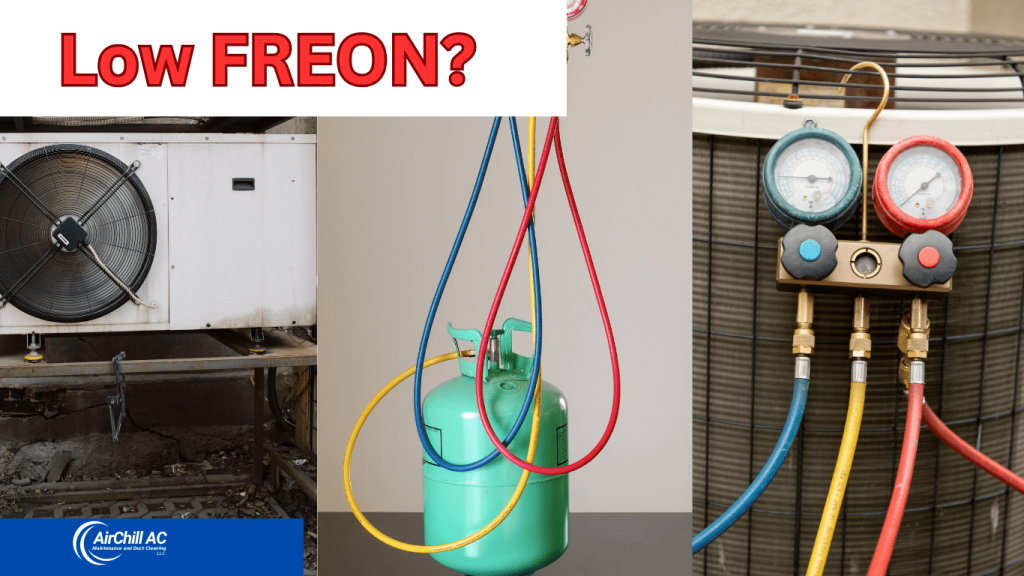
Have you ever wondered what makes your air conditioner cool the air so effectively? If you’re curious about what’s inside your AC unit, especially whether it contains Freon, you’re not alone.
Understanding what’s inside your air conditioner can help you take better care of it and avoid costly repairs. You’ll discover the truth about Freon, how it works, and what it means for your comfort and safety. Keep reading—your next cool breeze depends on it!
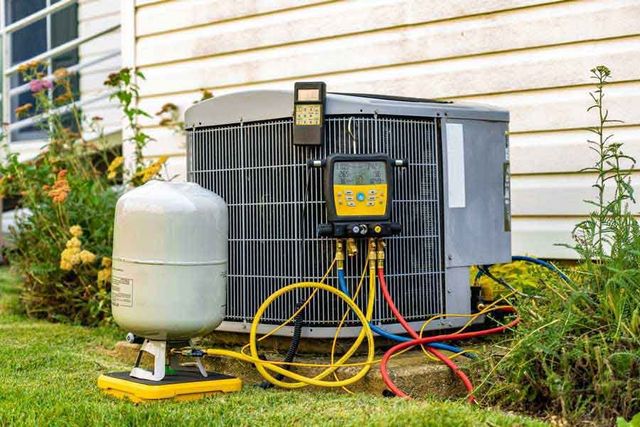
Credit: www.iecomfortac.com
What Is Freon
Freonis a brand name for a group of chemicals called chlorofluorocarbons (CFCs)and hydrofluorocarbons (HFCs). These chemicals are used as refrigerantsin air conditioners and refrigerators. They help cool the airby absorbing heat and releasing it outside.
Freon works by cycling through different parts of the air conditioner. It changes from a gas to a liquid and back again. This process moves heat away from inside the home, making the air cooler.
Freon is safe when used properlybut can harm the environment if released. Some types of Freon can damage the ozone layer. Newer air conditioners use more eco-friendly refrigerantsthat are safer for the planet.

Credit: atlasacrepair.com
Role Of Refrigerants In Air Conditioners
Refrigerants are the key substancesinside air conditioners. They carry heat out of the room. This process cools the air.
Freon is a type of refrigerant used in many older air conditioners. It helps transfer heat efficiently. But some types of Freon can harm the environment.
Modern air conditioners often use different refrigerants. These are safer for the planet and work well too.
- Refrigerantsabsorb heat inside the unit.
- They change from liquid to gas and back.
- This cycle removes heat from indoor air.
- Freon was popular but is now less common.
- New refrigerants reduce damage to the ozone layer.
Freon And Its Types
Freonis a brand name often used for refrigerants in air conditioners. It refers to chemicals that help cool the air by absorbing heat. There are different types of Freon, each with its own properties and uses.
| Type of Freon | Common Name | Use | Environmental Impact |
|---|---|---|---|
| R-22 | Chlorodifluoromethane | Older air conditioners | Harmful to ozone layer |
| R-410A | Puron | Modern air conditioners | Less harmful, no ozone depletion |
| R-134a | Tetrafluoroethane | Some AC units, cars | Low ozone impact |
Older systems use R-22, which is being phased out. Newer models use R-410A, safer for the environment. Each type works by changing from gas to liquid and back. This process cools the air inside your home.
Freon In Modern Air Conditioners
Most modern air conditionersdo not use Freon. Freon is a brand name for a group of chemicals called chlorofluorocarbons (CFCs). These were common in older AC units but are now banned in many countries. The reason is they harm the ozone layerand cause environmental damage.
Today, most air conditioners use safer refrigerantslike R-410Aor R-32. These chemicals do not contain chlorine and are better for the environment. They also work efficiently to cool your home.
- Freon (R-22)– Used in older units, harmful to ozone.
- R-410A– Common in newer units, ozone-friendly.
- R-32– More efficient and less harmful refrigerant.
Environmental Impact Of Freon
Freon is a type of refrigerant used in many air conditioners. It can harm the environment if released. Freon contains chemicals called CFCs and HCFCs. These chemicals damage the ozone layer. The ozone layer protects Earth from the sun’s harmful rays.
When Freon leaks, it can stay in the air for many years. This causes more UV rays to reach the ground. UV rays can cause skin cancer and harm animals and plants.
New air conditioners use safer refrigerants. These have less impact on the ozone layer and climate. Fixing leaks and recycling old Freon helps protect the environment.
Freon Alternatives
Many air conditioners no longer use Freonbecause it harms the ozone layer. Newer systems use safer refrigerantsthat are better for the environment. These include chemicals like R-410Aand R-32. They cool just as well but do not damage the ozone.
Some common Freon alternativesare:
- R-410A:Used in many modern AC units. It is more efficient and safer.
- R-32:Has a lower impact on global warming. It is gaining popularity.
- R-134a:Found in some refrigeration systems. Less harmful than Freon.
- Natural refrigerants:Such as propane or CO2. Eco-friendly options but need special care.
Choosing the right refrigerant helps protect the Earth and keeps homes cool.
Identifying Refrigerant In Your Ac Unit
Check the label on your AC unit. It usually shows the type of refrigerant used.
Common refrigerants include R-22 (Freon)and R-410A. Freon is an older type and is less common now.
The label often lists the refrigerant type near the model numberor specifications.
Look for words like “R-22”or “Freon”. If you see these, your AC uses Freon.
If the label says “R-410A”, it uses a newer, safer refrigerant.
Another way is to check the user manual. It usually states the refrigerant type clearly.
For older AC units, Freon was common. Newer models use different refrigerants.

Credit: atlasacrepair.com
Handling And Safety Measures
Handling air conditioners requires care because they contain Freon, a type of refrigerant. Avoid touching or inhaling Freon directly. It can cause health problemslike breathing trouble or skin irritation.
Wear protective gloves and goggleswhen working on air conditioners. Always work in a well-ventilated areato avoid gas buildup. If you smell gas or suspect a leak, turn off the unitimmediately.
- Do not try to repair Freon leaks yourself.
- Call a licensed professionalfor servicing.
- Keep children and pets away from the unit during maintenance.
- Dispose of old refrigerants properly to protect the environment.
Future Of Refrigerants In Cooling Systems
Air conditioners once used Freon, a type of refrigerant that harmed the ozone layer. New rules now limit Freon use. Manufacturers switch to eco-friendly refrigerantslike R-410A and R-32. These gases have less impact on the environment.
Future cooling systems focus on:
- Lower global warming potentialto reduce climate harm.
- Higher energy efficiencyto save electricity.
- Safe handlingto protect users and technicians.
- Better cooling performancefor comfort.
Research explores natural refrigerantslike propane and carbon dioxide. These options are safer and greener. Cooling systems keep improving to meet rules and protect the planet.
Frequently Asked Questions
What Is Freon In Air Conditioners?
Freon is a brand name for refrigerants used in many air conditioners. It helps absorb heat from indoors and releases it outside, cooling your space efficiently.
Does All Air Conditioners Use Freon?
Not all air conditioners use Freon. Older models commonly used Freon, while newer models use eco-friendly refrigerants like R-410A, which are safer for the environment.
How Does Freon Affect Air Conditioner Performance?
Freon efficiently transfers heat, enabling effective cooling. Low Freon levels reduce cooling capacity and cause the unit to work harder, increasing energy consumption and wear.
Is Freon Harmful To The Environment?
Yes, certain Freon types, like R-22, deplete the ozone layer and contribute to global warming. New refrigerants have lower environmental impact and comply with regulations.
Conclusion
Air conditioners usually use refrigerants like Freon to cool air. New models may use different, eco-friendly chemicals instead. Knowing the type of refrigerant helps in maintenance and repairs. Always check the unit’s label or manual for details. Proper care keeps your air conditioner running well.
Stay informed to avoid any surprises with your cooling system. Cooling your home safely matters. Choose the right service and refrigerant for your needs.