Have you ever turned on your air conditioner and noticed an unusual smell? That unpleasant odor can be more than just annoying—it might signal a problem with your unit.
Understanding why your air conditioner smells is important because it affects the air you breathe every day. You’ll discover the common reasons behind those smells and simple steps you can take to fix them. Keep reading to make sure your home stays fresh and comfortable all year round.
Common Air Conditioner Odors
Air conditioners can sometimes produce unpleasant smells. These odors often show that something is wrong. Identifying the smell helps in fixing the issue quickly.
Below are common air conditioner odors and their possible causes. Knowing these can keep your AC running smoothly and your home smelling fresh.
Musty Smell
A musty smell usually comes from mold or mildew inside the AC. Moisture collects in the system and creates a breeding ground for fungi. This odor is common in humid areas or if the AC is not cleaned regularly.
Burning Odor
A burning smell can mean overheating parts or electrical problems. Dust on the coils or motor can also burn when the AC starts. This odor needs immediate attention to prevent damage or fire risk.
Chemical Scent
A chemical or sharp scent often signals a refrigerant leak. Refrigerants have a distinct smell and can be harmful if inhaled. This problem requires a professional to check and repair the system.
- Look for oily residue near AC lines
- Check if cooling is less effective
- Listen for hissing sounds from the unit
- Call a technician immediately if you detect this odor
Rotten Egg Smell
A rotten egg or sulfur smell can mean a gas leak or bacteria in the drain pan. It is a serious issue and can be dangerous. Turn off the AC and ventilate your home. Contact a professional to inspect the problem right away.
| Odor | Possible Cause | Action |
| Musty Smell | Mold or mildew buildup | Clean filters and ducts |
| Burning Odor | Overheating parts or dust | Turn off AC and call technician |
| Chemical Scent | Refrigerant leak | Seek professional repair |
| Rotten Egg Smell | Gas leak or bacteria | Turn off unit and ventilate |

Credit: americahomeservicesllc.com
Sources Of Odors In Ac Units
Air conditioners can develop unpleasant smells over time. These odors come from different parts inside the unit. Knowing the causes helps fix the problem fast.
Some odors may mean the AC needs cleaning or repair. Others can signal safety issues. Here are common sources of odors in AC units.
Mold And Mildew Growth
Mold and mildew grow in moist areas inside the AC. They like the damp coils and drip pans. These fungi cause a musty, bad smell.
When the AC runs, it spreads these smells through the air vents. Regular cleaning helps stop mold growth and keeps the air fresh.
Clogged Drainage
Drainage pipes carry water out of the AC. If clogged, water builds up and causes a foul smell. Standing water can also lead to mold growth.
Cleaning the drainage system regularly stops blockages. This prevents bad odors and keeps the AC working well.
Dirty Air Filters
Air filters catch dust, dirt, and pollen. When filters get dirty, they cause bad smells and reduce airflow. This makes the AC less efficient.
Changing or cleaning air filters often keeps the air clean. It also stops smells from dust and debris inside the AC unit.
Electrical Issues
Electrical problems can create burning or chemical smells. Faulty wires or parts can overheat inside the AC. This smell warns of danger.
Turn off the AC if you smell burning. Call a technician to check and fix electrical faults safely.
Refrigerant Leaks
Refrigerant leaks can cause a sharp or sweet chemical smell. The gas inside the AC escapes when there is a leak. This affects cooling and air quality.
If you suspect a refrigerant leak, get a professional to inspect your AC. Fixing leaks stops odors and keeps the system running well.
Impact Of Poor Maintenance
Air conditioners need regular care to work well. Poor maintenance can cause bad smells from the unit. Dirt and damage build up over time.
These problems affect the air quality in your home. It is important to understand what causes these smells.
Accumulation Of Dust And Debris
Dust and debris gather inside the air conditioner. This happens if filters are not cleaned or replaced. The dirt traps moisture and germs.
The trapped dust creates a musty or moldy smell. This smell spreads when the air conditioner runs.
Blocked Airflow
Blocked airflow happens when vents or ducts are dirty or closed. The air cannot move freely through the system. This causes the unit to work harder.
Stagnant air and heat buildup cause unpleasant odors. Poor airflow also increases wear on the air conditioner parts.
Wear And Tear On Components
Parts inside the air conditioner can wear out over time. Worn parts may leak oil or coolant. These leaks create strange smells.
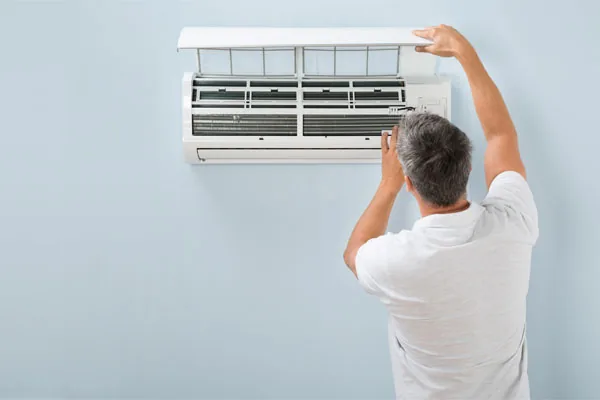
Regular checks help find these issues early. Fixing worn parts stops bad odors and keeps the unit running well.
Credit: snyderac.com
Health Risks Linked To Ac Smells
Air conditioners can sometimes produce unpleasant smells. These odors may signal health risks. Understanding these risks helps you protect yourself and others.
Smells from an AC often come from mold, dust, or chemicals inside the system. These can cause problems for your health.
Allergic Reactions
Mold and dust in air conditioners can trigger allergies. People sensitive to allergens may experience sneezing, itching, or watery eyes. These reactions can make daily life uncomfortable.
- Sneezing and runny nose
- Itchy or watery eyes
- Skin rashes or irritation
- Headaches caused by allergens
Respiratory Problems
Breathing in bad smells from an AC can cause coughing and wheezing. People with asthma or lung issues may face worse symptoms. Dust and mold spores reduce indoor air quality and harm lungs.
| Symptom | Cause | Effect |
| Coughing | Mold spores | Irritation of airways |
| Wheezing | Dust particles | Difficulty breathing |
| Shortness of breath | Allergens in air | Reduced lung function |
Toxic Exposure
Some AC smells come from chemicals or bacteria. These can release toxic gases. Long exposure may cause nausea, headaches, or dizziness. In rare cases, it can lead to serious health problems.
Signs of toxic exposure include:
- Feeling dizzy or weak
- Nausea or upset stomach
- Headache after using the AC
- Eye or throat irritation
Steps To Eliminate Ac Odors
Bad smells from your air conditioner can make your home uncomfortable. These odors often come from dirt, mold, or clogged parts. You can fix this problem by following some simple steps.
Regular maintenance helps keep your AC smelling fresh and working well. Here are some ways to stop bad smells from your air conditioner.
Regular Cleaning Schedule
Cleaning your air conditioner regularly stops dirt and mold build-up. Dust and debris can cause bad odors if left inside the unit. Clean the vents and coils every few months.
Wipe down surfaces with a damp cloth and mild cleaner. This keeps the unit fresh and prevents smells from growing.
Replacing Filters
Air filters catch dust and allergens. Dirty filters block airflow and cause bad smells. Change filters every 1 to 3 months depending on use.
Using new filters improves air quality and stops odors from spreading. Choose the right filter size for your AC unit.
Checking Drain Pans And Lines
Water collects in drain pans and flows through drain lines. If these parts get clogged, water can stagnate and smell bad. Check them often for blockages or leaks.
- Clear clogged drain lines with a wet-dry vacuum
- Empty and clean the drain pan regularly
- Fix any leaks immediately to prevent mold
Professional Inspection
A trained technician can find hidden problems causing odors. They check for mold, refrigerant leaks, and mechanical issues. Schedule a yearly inspection for best results.
Professional cleaning and repairs keep your AC running smoothly and smelling clean. They also improve energy efficiency and air quality.
Preventing Future Odors
Air conditioners can develop bad smells over time. These odors often come from mold, dust, or moisture buildup inside the unit.
Preventing these odors keeps your home fresh and your air conditioner working well. Simple steps can stop smells before they start.
Proper Ventilation
Good airflow helps prevent bad smells in your air conditioner. It moves moist air out and brings fresh air in.
Keep vents and windows open when possible. Make sure air can flow freely around the unit without blockage.
- Clear furniture or curtains from vents
- Use exhaust fans in kitchens and bathrooms
- Open windows to refresh indoor air
Humidity Control
High humidity encourages mold and mildew inside your air conditioner. This causes musty smells.
Use a dehumidifier if your home feels damp. Keep indoor humidity between 30% and 50% for best results.
- Fix leaks that add moisture
- Use fans to dry wet areas
- Run air conditioner regularly to reduce humidity
Routine Maintenance Tips
Cleaning and checking your air conditioner helps stop odors. Dust and dirt can trap moisture and cause smells.
Replace or clean filters every 1-3 months. Clean the coils and drain pan to remove dirt and water buildup.
- Change air filters regularly
- Clean evaporator and condenser coils
- Clear drain lines to prevent clogs
- Schedule professional inspections yearly

Credit: www.furnaceprices.ca
Frequently Asked Questions
Why Does My Air Conditioner Emit A Bad Smell?
A bad smell from your AC often means mold or mildew inside. Moisture buildup encourages bacteria growth, causing odors. Regular cleaning and filter changes help prevent this issue and keep the air fresh.
How Can I Fix A Musty Smell In Ac?
To fix musty odors, clean or replace the air filter first. Check and clean the evaporator coil and drain pan. Ensure proper drainage and ventilation to stop moisture buildup and eliminate the smell.
What Causes A Burning Smell From Air Conditioners?
A burning smell usually signals electrical issues or overheating parts. It might be wiring problems or a malfunctioning motor. Turn off the unit immediately and call a professional for inspection and repair.
Can Dirty Air Filters Cause Ac Odors?
Yes, dirty filters trap dust and moisture, leading to foul smells. Regular filter maintenance ensures clean airflow and prevents odor-causing contaminants from circulating in your home.
Conclusion
Bad smells from your air conditioner often mean it needs cleaning. Dust, mold, or bacteria can build up inside. These cause unpleasant odors and can harm your health. Regular maintenance helps keep your AC fresh and safe. Check filters and drain pans often.
Clean or replace parts as needed. Catching problems early saves money and stress. A fresh-smelling AC makes your home more comfortable. Don’t ignore strange smells—act quickly for cleaner air. Your comfort depends on a well-kept air conditioner.