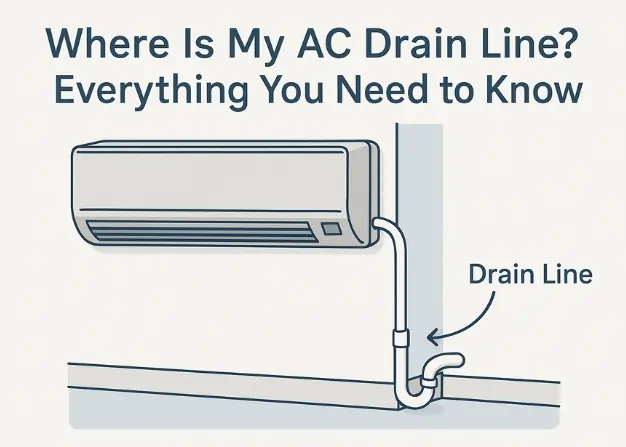
Have you ever noticed water pooling around your air conditioner or wondered why your AC sometimes leaks inside your home? The answer often lies in your air conditioner’s drain line.
Knowing where the drain line is and how it works can save you from costly repairs and keep your home comfortable. You’ll discover exactly where your AC drain line is located and why it’s so important to maintain it. Keep reading—you’ll learn simple tips that can help you avoid frustrating problems and keep your system running smoothly.
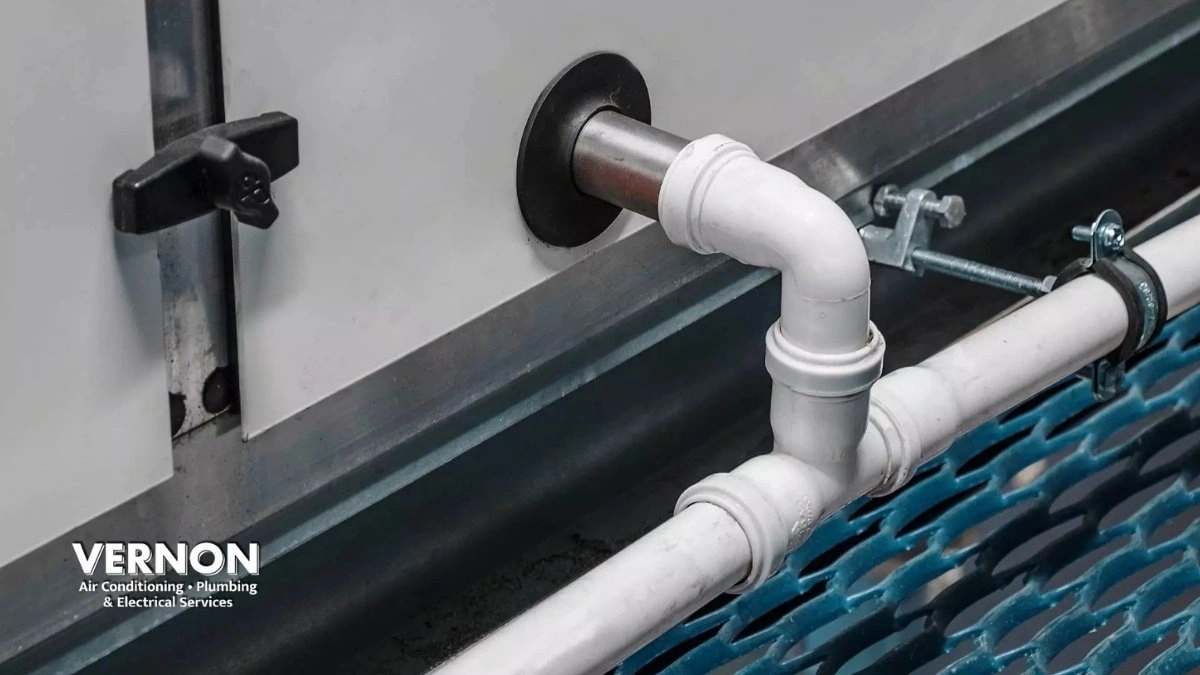
Credit: vernonairconditioning.com
Locating The Drain Line
Every air conditioner has a drain line that carries water away. Finding this line helps with maintenance and fixing leaks.
The drain line position depends on the type of air conditioner and where it is installed.
Common Drain Line Positions
Drain lines usually run from the indoor unit to the outside or to a drain pipe. They are placed to avoid water damage.
- Along the wall near the air conditioner
- Close to the indoor unit’s base
- Through the wall to the outside
- Near the outdoor condenser unit
Indoor Unit Drain Line Spots
The indoor drain line is usually at the bottom of the air handler or evaporator coil. It collects condensation and moves it out.
| Location | Description |
| Base of the indoor unit | Where water drips and gathers |
| Near the air handler | Connected to a PVC or plastic pipe |
| Behind the wall | Sometimes hidden inside wall cavities |
Outdoor Unit Drain Line Spots
The outdoor drain line exits the house. It may connect to a garden drain or drain on the ground.
The drain pipe may:
- Lead to a small hole in the exterior wall
- Run down to a concrete slab
- End near a garden or yard drain
- Have a slight downward slope for water flow
Purpose Of The Drain Line
The air conditioner drain line is a small pipe that removes water from your AC system. It helps keep the unit dry and working well.
This drain line carries away the moisture that builds up during cooling. Without it, water could cause problems inside your home.
Role In Moisture Removal
When your air conditioner cools the air, it also pulls out moisture. This moisture turns into water inside the system.
The drain line moves this water outside. It stops water from staying inside the AC unit or your home.
- Collects water from the evaporator coil
- Prevents water from pooling inside the system
- Directs water safely outside the house
Preventing Water Damage
The drain line stops water from leaking inside your home. Leaks can cause damage to walls, floors, and ceilings.
It also helps avoid mold growth by removing dampness quickly. This keeps your home safe and healthy.
- Prevents water stains on walls and floors
- Reduces risk of mold and mildew
- Protects the AC unit from water damage
Signs Of Drain Line Issues
The air conditioner drain line removes water from your AC system. If it gets blocked or leaks, problems can start inside your home.
Knowing the signs of drain line issues helps you fix problems early. This keeps your AC working well and your home dry.
Water Leaks Indoors
One common sign of a clogged drain line is water leaking inside your home. You might see water near your indoor AC unit or on the floor below it.
Leaks happen when water backs up in the drain line and spills out. This can damage walls, floors, and furniture.
- Wet spots on walls or ceilings near the AC
- Pooling water under the indoor unit
- Musty stains on floors or carpets
Unusual Odors
Blocked drain lines can cause bad smells in your home. The trapped water can grow mold and mildew, which create musty odors.
If you notice a strange, damp smell near your AC unit, it might mean the drain line is clogged or leaking.
- Musty or moldy smells in rooms with AC vents
- Damp odors that get worse when the AC runs
- Smells that disappear after cleaning the drain line
Reduced Cooling Efficiency
A clogged drain line can affect how well your AC cools your home. Water buildup can cause the system to freeze or stop working properly.
If your AC is running but the air is not as cold as before, check the drain line for blockages.
- AC runs longer but cools less
- Ice forming on AC coils or pipes
- Higher energy bills without better cooling
Cleaning The Drain Line
The air conditioner drain line removes water from your AC unit. Over time, dirt and mold can clog the line. Cleaning the drain line keeps your AC working well and stops leaks.
Regular cleaning prevents water damage and bad smells. You can do it yourself with simple tools and steps.
Tools Needed
Gather these tools before you start cleaning the drain line. They help you clear clogs safely and easily.
- Wet/dry vacuum or shop vac
- Bleach or vinegar
- Funnel or turkey baster
- Bucket or container
- Gloves and safety glasses
- Flexible brush or pipe cleaner
Step-by-step Cleaning Process
Follow these steps to clean your air conditioner drain line safely and fully.
- Turn off the AC power at the breaker.
- Find the drain line outside your home.
- Place a wet/dry vacuum on the drain line end.
- Run the vacuum for 2-3 minutes to pull out clogs.
- Mix equal parts water and bleach or vinegar.
- Use a funnel to pour the solution into the drain line.
- Let the solution sit for 30 minutes to kill mold.
- Flush the drain line with clean water.
- Use a flexible brush to scrub inside if needed.
- Turn the AC power back on.
Frequency Of Cleaning
Cleaning the drain line regularly helps your AC last longer. How often you clean depends on use and environment.
Check and clean your drain line at least twice a year. Clean more if your AC runs a lot or if you see water leaks.
Common Problems And Fixes
The air conditioner drain line removes water made by the AC. This line can have problems that stop water from draining.
Knowing common problems helps you fix the drain line and keep your AC working well.
Clogs And Blockages
Dirt and debris can block the drain line. This stops water from flowing out. Water may leak inside the house.
Clogs often happen because of algae, mold, or dust build-up in the drain line.
- Use a wet/dry vacuum to clear the clog at the drain line end.
- Flush the drain line with a mixture of water and vinegar to kill algae.
- Regularly clean the drain pan to prevent blockages.
Drain Line Leaks
Leaks happen when the drain line cracks or disconnects. Water leaks can damage walls and floors.
Check the drain line for any cracks or loose parts. Tighten connections and replace damaged sections.
- Inspect the drain line regularly for signs of wear.
- Replace old or cracked pipes immediately.
- Secure all connections to avoid leaks.
Condensate Pump Failures
The condensate pump moves water if the drain line is higher than the drain. If it fails, water can back up and leak.
Check the pump for power issues or blockages. Clean the pump and test it to make sure it works.
- Test the pump by pouring water into the reservoir.
- Clean the pump to remove dirt and debris.
- Replace the pump if it does not turn on or pump water.
Preventing Drain Line Problems
The air conditioner drain line removes water from your AC unit. If it clogs, water can leak and cause damage. Keeping it clear helps your AC work well and avoids costly repairs.
Regular care and smart safety features protect your drain line. These steps stop blockages and keep water flowing out smoothly.
Regular Maintenance Tips
Check and clean the drain line often. Dirt and algae can build up and cause clogs. Use a wet-dry vacuum or a special cleaner to clear the line.
- Inspect the drain line every three months
- Flush the line with a mixture of water and vinegar
- Clear any visible debris near the drain outlet
- Make sure the drain line slopes downward for easy flow
- Replace damaged or old drain lines promptly
Installing Safety Features
Safety devices help prevent water damage from drain line failures. These features stop leaks and alert you if the drain line clogs.
| Safety Feature | Purpose | Benefit |
| Drain Pan | Catches leaking water | Prevents water damage to floors |
| Float Switch | Detects water overflow | Shuts off AC to avoid leaks |
| Secondary Drain Line | Backup water path | Stops overflow if main line clogs |
| Drain Line Inspection Port | Easy access for cleaning | Makes maintenance faster and easier |
When To Call A Professional
Knowing when to call a professional for your air conditioner drain line can save you time and money. Some problems need expert help to fix properly.
Minor clogs might be easy to clear, but bigger issues can cause leaks or damage. A professional can find and fix these problems safely.
Complex Drain Line Repairs
Complex drain line repairs need special tools and skills. If the drain line is cracked, broken, or badly clogged, you should call a pro.
Trying to fix big problems yourself can cause more damage. Professionals know how to replace parts and clean the drain line correctly.
- Severe blockages that simple cleaning can’t fix
- Leaks or cracks in the drain pipe
- Water backing up inside the air conditioner
- Drain line that needs full replacement
System Inspections
Regular system inspections help catch drain line problems early. A professional can check the whole air conditioner system for issues.
Inspections include looking at the drain line, cleaning it, and making sure water flows well. This stops bigger problems later.
- Check for slow drainage or blockages
- Inspect drain line for cracks or damage
- Test the drain pan for leaks
- Clean the drain line to prevent clogs
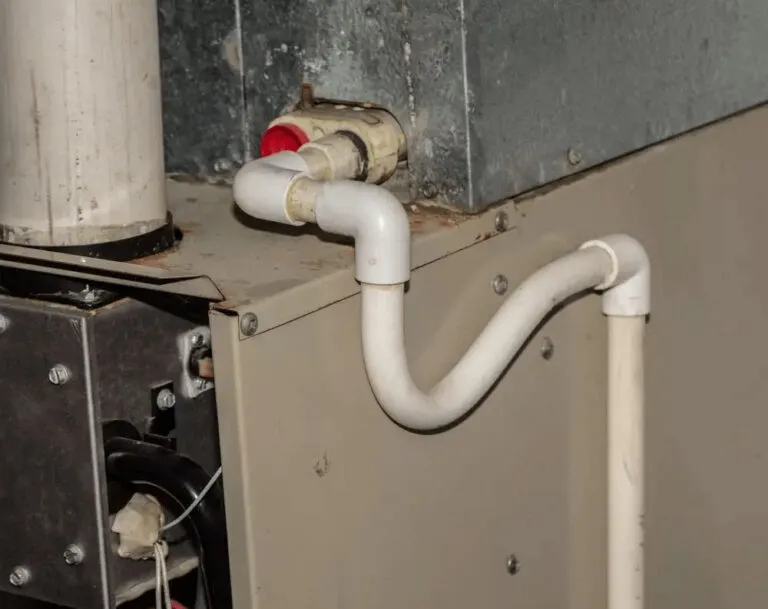
Credit: smashingclean.com

Credit: keepfloridacool.com
Frequently Asked Questions
Where Is The Air Conditioner Drain Line Located?
The drain line is usually near the indoor air handler or furnace. It runs from the evaporator coil to the outside or a drain. It removes condensation and prevents water damage.
How Can I Find My Ac Drain Line Outside?
Look near your outdoor AC unit for a PVC pipe. It often slopes downward to allow water to flow out. You may see water dripping during operation.
Why Is My Air Conditioner Drain Line Clogged?
Clogs are caused by dirt, algae, or mold buildup inside the line. This blocks water flow and causes leaks or water damage. Regular cleaning prevents clogs.
How Do I Clean The Ac Drain Line Safely?
Use a wet/dry vacuum or flush the line with vinegar. Avoid harsh chemicals to protect your system. Cleaning once a year keeps the line clear.
Conclusion
Knowing where the air conditioner drain line is helps keep your AC working well. This line carries water away from the unit, stopping leaks and damage. Check it regularly to avoid clogs and backups. A clean drain line means better cooling and fewer repairs.
Take a moment to find and understand this small but important part. It saves time and money in the long run. Keep your home dry and comfortable by caring for your AC drain line. Simple steps make a big difference.