
Are allergies making your home feel like a constant battle zone? You might wonder if your air conditioner can be more than just a way to cool down.
Can it actually help reduce those sneezing fits and itchy eyes? Understanding how your air conditioner affects the air you breathe could change the way you manage your allergies. Keep reading to discover whether your AC is a hidden ally or just another source of trouble—and learn simple tips to make it work for you.

Credit: acs-installations.co.uk
How Air Conditioners Affect Indoor Air
Air conditionershelp by lowering indoor temperature and humidity. Cooler air feels better and reduces mold growth. Less humidity means fewer dust mites and allergens.
Filterscatch dust, pollen, and pet dander. Clean filters improve air quality. Dirty filters can spread allergens and make allergies worse.
| AC Type | Filter Type | Effectiveness |
|---|---|---|
| Central AC | HEPA or Pleated | High – traps small particles |
| Window Unit | Basic Mesh | Low – traps large dust only |
| Portable AC | Activated Carbon | Medium – removes odors and some particles |
Allergens And Air Conditioners
Air conditionerscan reduce indoor allergens by controlling humidity. Lower humidity helps stop dust mitesand moldgrowth. These allergens thrive in moist places.
AC units filter air, which can lower polleninside the home. This creates a cleaner space for people with allergies.
- Pet dander stays in the air but can be trapped by AC filters.
- Regular filter cleaning improves the AC’s allergy control.
- Sealing windows keeps outdoor allergens like pollen out.
Benefits Of Using Air Conditioners For Allergy Sufferers
Air conditioners can help improve indoor air quality. They filter out dust, pollen, and other allergens. This means fewer particles float in the air you breathe. Clean air helps reduce allergy triggers.
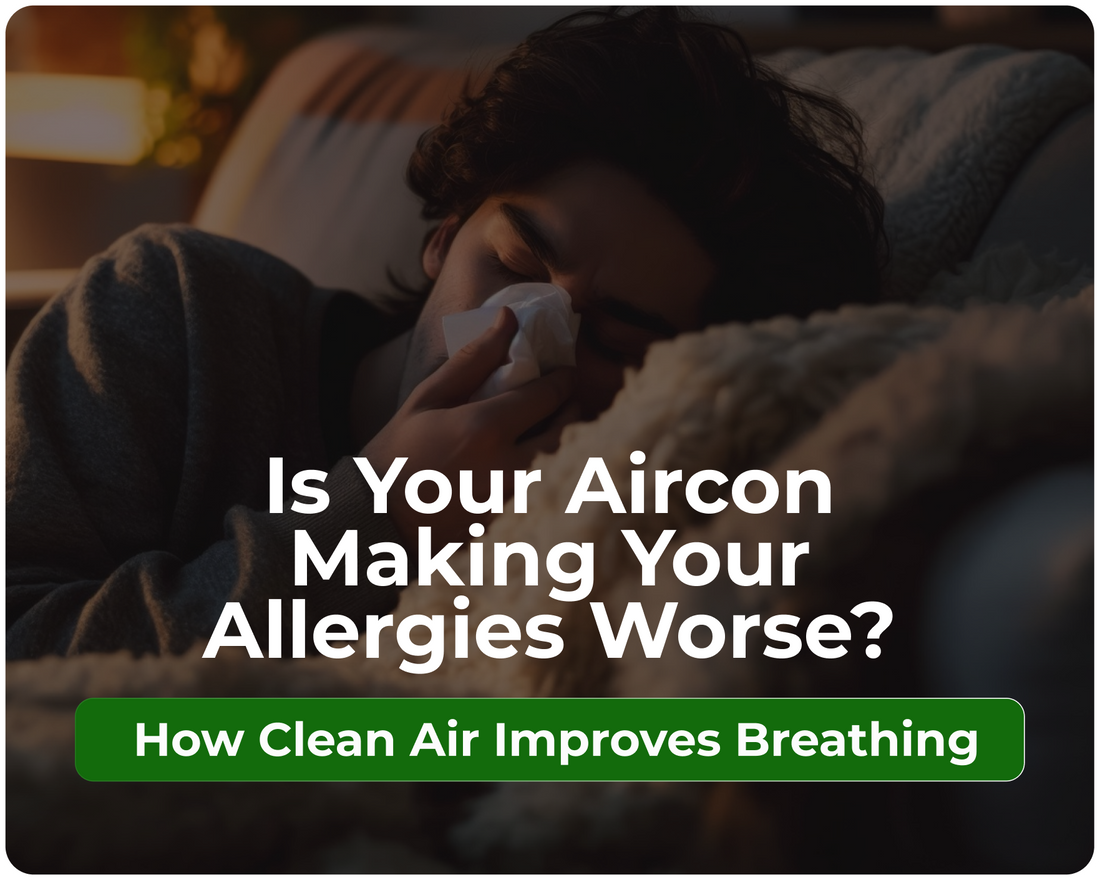
Many people find their allergy symptomsget better with air conditioning. Sneezing, coughing, and itchy eyes often decrease. The cool air also lowers humidity, which stops mold growth.
Better air quality and fewer symptoms lead to better sleep and comfort. Sleeping in a cool, clean room feels good. It helps allergy sufferers rest without irritation.
Credit: www.homediykits.com.au
Potential Downsides Of Air Conditioners For Allergies
Dirty filterscan trap dust but also breed mold. This mold can spread in the air, causing allergy problems. Filters need cleaning or changing often to keep air safe.
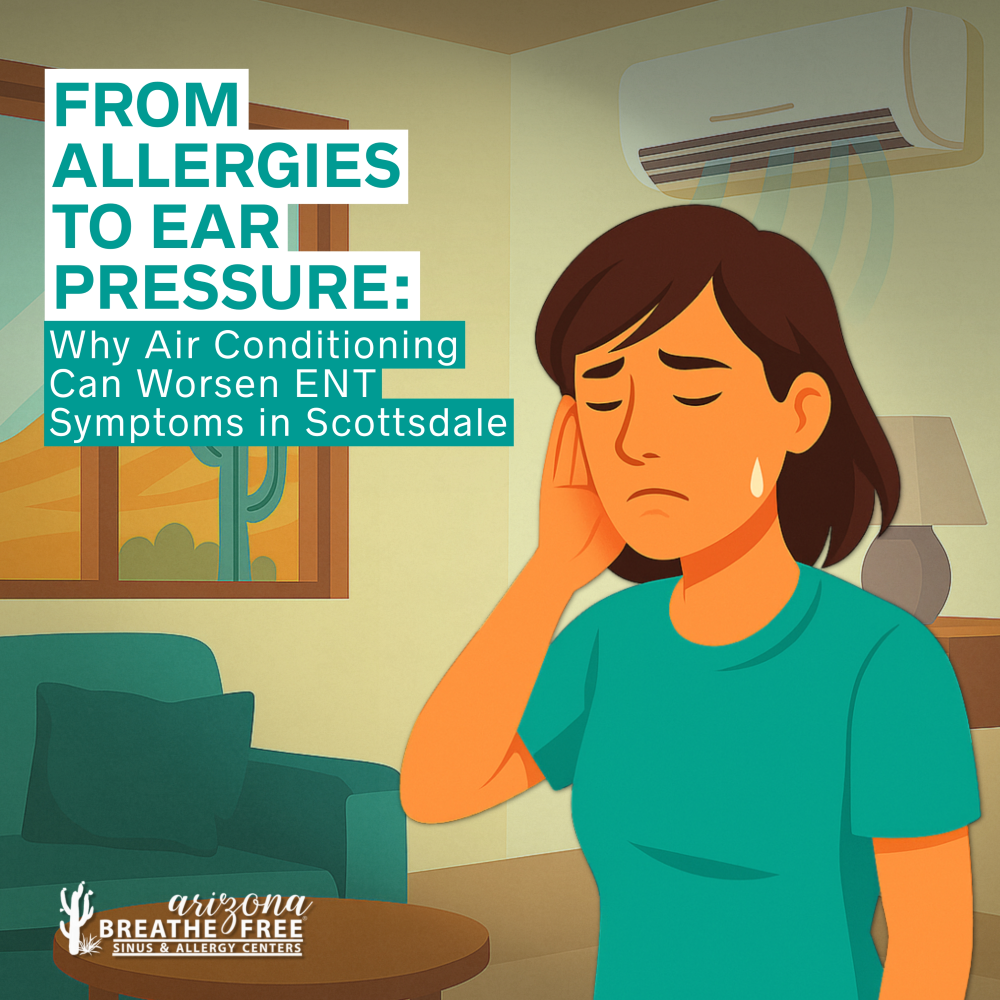
Dry airfrom air conditioners may irritate skin and nose. This can make allergy symptoms worse. Using a humidifier can help keep air moist.
Improper maintenancerisks include dust buildup and mold growth. These can trigger allergies. Regular cleaning and service keep the AC healthy and your air clean.
Tips To Maximize Ac Benefits For Allergies
Cleaning and replacing AC filters often is key. Dirty filters trap dust and allergens, reducing air quality. Clean filters help the AC work well and keep the air fresh.
Choose high-efficiency filters labeled HEPA or MERV 13. These filters catch tiny particles like pollen, dust mites, and pet dander. They improve air quality and reduce allergy symptoms.
Keep humidity between 30% and 50%. Too much moisture helps mold grow. Too little makes air dry and itchy. Use a humidifier or dehumidifier to control moisture levels.
Credit: www.arizonabreathefree.com
Alternative Solutions To Complement Air Conditioning
Air purifierswith HEPA filterscapture tiny particles like dust, pollen, and pet dander. These devices help reduce allergens in the air, making breathing easier. Placing air purifiers in bedrooms or living rooms can improve indoor air quality.
Good ventilationmoves fresh air inside and pushes stale air out. Opening windows for short periods lets fresh air in. Using exhaust fans in kitchens and bathrooms helps remove moisture and allergens. Proper ventilation prevents mold growth and keeps air fresh.
Natural allergy remediesinclude keeping indoor plants that clean the air, like spider plants and peace lilies. Washing bedding regularly removes dust mites. Using a vacuum with a HEPA filter reduces allergens on floors and carpets. Drinking plenty of water helps keep mucus thin, easing allergy symptoms.
Frequently Asked Questions
Does An Air Conditioner Reduce Indoor Allergens?
Yes, an air conditioner can reduce indoor allergens by filtering out dust, pollen, and pet dander. Proper maintenance and clean filters are essential for optimal allergen removal and improved air quality.
Can Air Conditioning Worsen Allergy Symptoms?
If poorly maintained, air conditioners can circulate dust and mold, worsening allergy symptoms. Regular cleaning and filter changes prevent allergen buildup and promote healthier indoor air.
How Often Should Ac Filters Be Changed For Allergies?
For allergy sufferers, AC filters should be changed every 1 to 3 months. Frequent replacement ensures effective allergen filtration and helps maintain clean indoor air.
Do Air Conditioners Remove Pollen From The Air?
Yes, air conditioners with good filters can trap airborne pollen. This reduces pollen exposure indoors, helping to alleviate allergy symptoms during high pollen seasons.
Conclusion
Air conditioners can help reduce allergy symptoms by filtering air. They remove dust, pollen, and other allergens from your home. Keeping the unit clean is very important for best results. Poorly maintained systems may spread allergens instead. Using a good air filter improves air quality significantly.
Still, air conditioners alone cannot cure allergies. Combining them with other allergy measures works best. Fresh air and cleanliness also play key roles. Choose an air conditioner that fits your needs well. Stay comfortable and breathe easier indoors this allergy season.