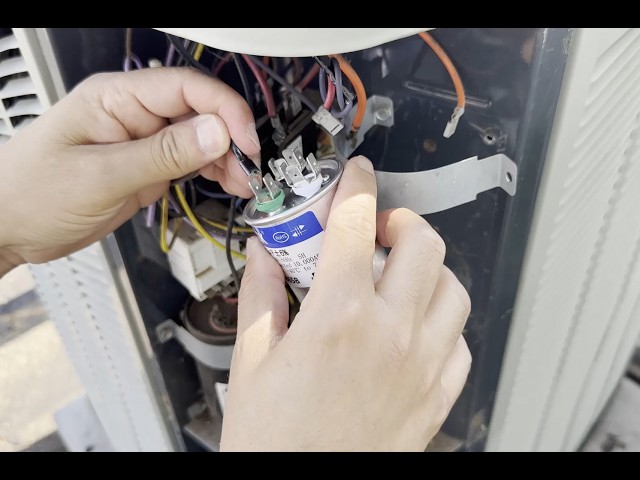
Is your air conditioner struggling to start or making strange noises? The culprit might be a faulty capacitor.
Fixing a capacitor can save you money and get your AC running smoothly again. You’ll learn simple, step-by-step ways to identify and repair a bad capacitor safely. By the end, you’ll feel confident tackling this common issue on your own—no expensive technician needed.
Keep reading to bring cool comfort back to your home quickly!
Signs Of A Bad Capacitor
The capacitor in an air conditioner helps start the motor and keep it running. If it goes bad, the AC may stop working well or not start at all.
Knowing the signs of a bad capacitor can save you time and money. You can check it before calling a technician.
Common Symptoms
A bad capacitor can cause several problems with your air conditioner. These signs show that the capacitor may need fixing or replacement.
- The AC won’t start or takes longer to start
- The fan or compressor runs slowly or stops
- Strange buzzing or humming noises from the unit
- The AC shuts off suddenly or cycles on and off
- The unit blows warm air instead of cold
Testing The Capacitor
You can test the capacitor with a multimeter to see if it is working properly. This helps confirm if the capacitor is bad.
First, turn off power to the AC and discharge the capacitor. Then, set the multimeter to measure capacitance and connect the leads to the capacitor terminals.
- If the reading matches the capacitor’s rating, it is good
- If the reading is much lower or zero, the capacitor is bad
- Also check for bulging or leaking on the capacitor body
- Replace the capacitor if it fails the test or looks damaged

Credit: www.youtube.com
Tools And Safety Gear Needed
Fixing a capacitor on an air conditioner requires the right tools and safety gear. Using proper equipment helps you work safely and efficiently.
Before you start, gather all the necessary tools and wear safety gear to protect yourself from electric shocks and injuries.
Essential Tools
You need specific tools to test and replace a capacitor. These tools help you handle electrical parts carefully and correctly.
- Multimeter to check capacitor voltage and capacitance
- Screwdrivers for removing panels and securing connections
- Needle-nose pliers to handle small wires and connectors
- Insulated gloves to protect from electrical shocks
- Capacitor discharge tool to safely discharge stored energy
- Replacement capacitor matching the original specifications
- Flashlight to see inside dark or tight spaces
Safety Precautions
Working with capacitors can be dangerous if you do not follow safety rules. Always take steps to avoid electric shock and injury.
Turn off power and discharge the capacitor before touching it. Wear protective gear and work in a dry area.
- Switch off the air conditioner and unplug it from power
- Use a capacitor discharge tool to remove stored charge
- Wear insulated gloves and safety glasses
- Do not touch capacitor terminals with bare hands
- Work in a well-lit and dry environment
- Keep metal tools away from capacitor terminals
- Follow all manufacturer safety instructions
Locating The Capacitor
Fixing a capacitor on an air conditioner starts with finding it first. The capacitor stores energy to help the motor start and run smoothly.
Knowing where to look saves time and keeps you safe during the repair process.
Accessing The Unit
Before locating the capacitor, turn off the power to the air conditioner. This is important to avoid electric shock.
Open the access panel on the outside unit. You may need a screwdriver for this. The panel usually covers the fan and motor.
- Switch off the main power switch or circuit breaker.
- Use a screwdriver to remove screws on the service panel.
- Lift the panel carefully and set it aside.
- Look inside for wires and electrical parts.
Identifying The Capacitor
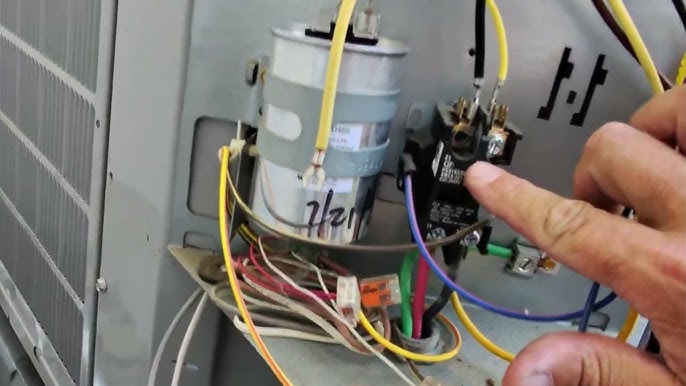
The capacitor is a small, round or oval metal can. It often has wires attached to it and is mounted near the motor.
| Feature | Description |
| Shape | Round or oval metal can |
| Size | About 2 to 4 inches tall |
| Location | Near the motor inside the unit |
| Wires | Usually three or more wires connected |
| Label | Shows voltage and microfarad ratings |
Credit: www.youtube.com
Discharging The Capacitor
Discharging the capacitor in an air conditioner is a crucial safety step. It removes stored electricity before you handle the component.
Without discharging, you risk electric shock or damage to the unit. This guide explains why discharge matters and how to do it safely.
Why Discharge Is Important
Capacitors hold a charge even after the air conditioner is turned off. This stored electricity can cause injury if touched.
- Prevents electric shock when repairing the unit
- Protects the capacitor from damage
- Ensures safe handling during replacement
- Reduces risk of short circuits
Safe Discharge Methods
Use tools and steps that safely release the capacitor’s stored energy. Never touch the capacitor terminals directly.
- Turn off power to the air conditioner at the breaker box.
- Use a screwdriver with an insulated handle.
- Place the screwdriver across the capacitor terminals.
- Hold it there for several seconds to discharge the energy.
- Confirm discharge with a multimeter if available.
- Remove the screwdriver carefully after discharge.
| Tool | Purpose |
| Insulated Screwdriver | Discharges capacitor safely |
| Multimeter | Checks if capacitor is fully discharged |
| Protective Gloves | Protects hands from electric shock |
Removing The Faulty Capacitor
Removing a faulty capacitor is important for fixing your air conditioner. It helps to prevent further damage and ensures your AC works well again.
This guide shows you how to safely remove the bad capacitor. Follow each step carefully to avoid injury and damage.
Disconnecting Wires
First, turn off the power to the air conditioner. Then, locate the capacitor and note where each wire connects. This helps when you install the new capacitor.
- Use a screwdriver to open the access panel.
- Take a clear photo or label each wire.
- Gently pull each wire off the capacitor terminals.
- Use insulated gloves to avoid electric shock.
- Check that no wires are loose or damaged.
Unscrewing The Capacitor
After disconnecting the wires, remove the capacitor from the mounting bracket. Use the right tools to avoid breaking parts.
| Tool | Purpose |
| Phillips screwdriver | Unscrew mounting screws |
| Needle-nose pliers | Hold capacitor securely |
| Insulated gloves | Protect from electric shock |
Choosing The Right Replacement
Fixing a capacitor on an air conditioner needs the right replacement part. Picking the correct capacitor helps the AC run smoothly.
Using the wrong capacitor can damage your AC or cause it not to work. You must choose carefully before buying a new one.
Matching Specifications
Check the old capacitor’s voltage and microfarad (µF) ratings. The new capacitor must have the same numbers to fit properly.
Look at the capacitor’s shape and terminal types. These should match the original to connect easily and safely.
- Voltage rating (e.g., 370V, 440V)
- Capacitance value in microfarads (µF)
- Number and type of terminals
- Physical size and shape
Where To Buy
You can buy capacitors from hardware stores, HVAC suppliers, or online shops. Choose stores with good product descriptions.
Make sure the seller offers the exact specifications you need. Check if they provide warranty or return options.
- Local hardware and appliance stores
- Specialized HVAC parts suppliers
- Trusted online retailers and marketplaces
- Manufacturer websites for original parts
Installing The New Capacitor
Replacing a capacitor in an air conditioner is important for the unit to work well. Installing the new capacitor correctly ensures the air conditioner runs smoothly and safely.
Take your time to connect and secure the new capacitor. This will help avoid problems and keep the air conditioner in good shape.
Wiring Correctly
Wiring the new capacitor correctly is key for your air conditioner to work. Make sure each wire goes to the right terminal on the capacitor.
Use the labels or markings on the capacitor to guide your wiring. Double-check all connections before moving on.
- Match wire colors to capacitor terminals
- Connect the fan wire to the fan terminal
- Attach the compressor wire to the compressor terminal
- Use a screwdriver to tighten wire connectors
- Check for loose or exposed wires
Securing The Capacitor
After wiring, secure the capacitor in its place. This stops it from moving and getting damaged during operation.
Use the mounting bracket or clamps that came with your air conditioner. Tighten screws to hold the capacitor firmly.
- Place the capacitor in the mounting bracket
- Align holes for screws or clamps
- Use a screwdriver to tighten screws
- Ensure the capacitor does not move or rattle
- Keep wires clear of sharp edges
Testing The Air Conditioner
Testing the air conditioner helps find if the capacitor is causing problems. This process checks how well the unit starts and runs.
It is important to test the system safely and observe its performance. This helps decide if the capacitor needs fixing.
Powering On
Turn the air conditioner’s power switch on carefully. Make sure the unit gets power from the main source.
Listen for any unusual sounds like clicking or humming. These sounds can indicate a capacitor problem.
- Switch on the thermostat to start the unit
- Check the circuit breaker if the unit does not power on
- Listen for the compressor and fan motor starting
- Note any delays or failures to start
Observing Performance
Watch how the air conditioner runs after powering on. A good capacitor helps the motor run smoothly and cool air flow steadily.
If the motor runs slow or stops often, the capacitor may be weak or damaged. Heat or buzzing sounds also show trouble.
- Check if the fan spins at the right speed
- Feel if the air coming out is cold
- Notice any strange noises during operation
- Look for frequent cycling on and off
Troubleshooting Common Issues
Air conditioners rely on capacitors to start and run their motors. If a capacitor fails, your AC may not work correctly. Knowing how to find and fix capacitor problems can save you time and money.
This guide covers common capacitor issues and other related problems. It helps you diagnose and fix them safely.
Capacitor Not Working
A bad capacitor can cause your air conditioner to stop working or run poorly. Signs include the unit not starting or strange noises.
- The AC does not start at all.
- The fan motor runs slowly or not at full speed.
- You hear a humming sound but the motor does not turn.
- The AC shuts off quickly after starting.
To fix a capacitor, first turn off the power to the unit. Use a multimeter to test the capacitor’s microfarad rating. If the reading is far from the label value, replace the capacitor.
Other Potential Problems
Sometimes the capacitor is fine, but other parts cause issues. These include wiring problems and motor failure.
| Problem | Symptom | Solution |
|---|---|---|
| Loose Wiring | Intermittent AC operation | Check and tighten all wire connections |
| Burnt Motor | Burning smell and no fan movement | Replace the motor |
| Dirty Condenser Coil | AC runs but cools poorly | Clean the coil with a soft brush or coil cleaner |

Credit: www.youtube.com
When To Call A Professional
Fixing a capacitor in an air conditioner can be tricky. Some problems need expert help to avoid damage or injury.
This guide explains signs that tell you it is best to call a professional technician for capacitor repair or replacement.
Lack Of Electrical Knowledge
Capacitors store electrical energy. Handling them without proper knowledge is dangerous. If you do not understand electrical systems well, call a professional.
Visible Damage Or Leakage
Look for bulging, cracks, or leaking fluid on the capacitor. These signs mean the part is faulty and needs replacement by an expert.
No Power Or Frequent Trips
If your air conditioner does not turn on or trips the circuit breaker often, the capacitor might be faulty. A professional can diagnose and fix the issue safely.
Lack Of Proper Tools
Special tools are needed to test and replace capacitors. Without these tools, you might cause more damage or risk your safety.
- Multimeter for testing capacitance
- Screwdrivers and pliers
- Insulated gloves
- Replacement capacitor matching specifications
Warranty Or Insurance Concerns
If your air conditioner is under warranty, repairing the capacitor yourself may void it. Professionals ensure repairs follow warranty rules.
Safety Risks In Handling Capacitors
| Risk | Description |
|---|---|
| Electric Shock | Capacitors hold charge even when power is off. |
| Fire Hazard | Wrong connections can cause sparks or fire. |
| Equipment Damage | Incorrect handling can harm your AC unit. |
| Personal Injury | Exploding capacitors can cause burns or cuts. |
Frequently Asked Questions
What Are The Signs Of A Bad Ac Capacitor?
A bad AC capacitor causes the unit to struggle starting or running. Look for humming noises, no cooling, or a swollen capacitor. These signs indicate the capacitor needs inspection or replacement to restore proper air conditioner function.
How Do I Safely Fix A Capacitor On Ac?
Turn off power at the breaker before any work. Discharge the capacitor using a resistor or screwdriver with insulated handle. Remove old capacitor, note terminal connections, then install the new one matching specifications. Follow safety and manufacturer guidelines carefully.
Can I Fix An Ac Capacitor Without A Professional?
Yes, if you have basic electrical skills and tools. Ensure power is off, discharge the capacitor, and carefully replace it. However, if unsure, hiring a professional is safer and prevents further damage or injury.
How Much Does It Cost To Replace An Ac Capacitor?
Replacing an AC capacitor typically costs between $100 and $250. Price varies by unit type, capacitor size, and labor charges. DIY replacement can save money but requires caution and correct parts.
Conclusion
Fixing a capacitor on an air conditioner can save money and time. Always turn off the power before starting any work. Use the right tools and follow safety steps carefully. Testing the capacitor with a multimeter ensures it works well.
Replacing a bad capacitor helps your AC run smoothly again. Regular checks can prevent future problems. Stay patient and take your time during the repair. Small fixes like this keep your home cool and comfortable.